The Middle Ages get a bad rap for being all doom & gloom but there’s a lot more to it than most people think. Lasting from the 5th to the late 15th century, we’ve all heard the tales of knights, castles & the plague. However, how much of that is actually true? Quite a few things we think we know about the Middle Ages are more fiction than fact. It’s time to set the record straight! Here are twelve misconceptions about the Middle Ages that’ll make you realize that they were a lot cooler than you thought!
Featured Image Credit: foto-dog /Depositphotos.com.
Flat Earth Fan Club
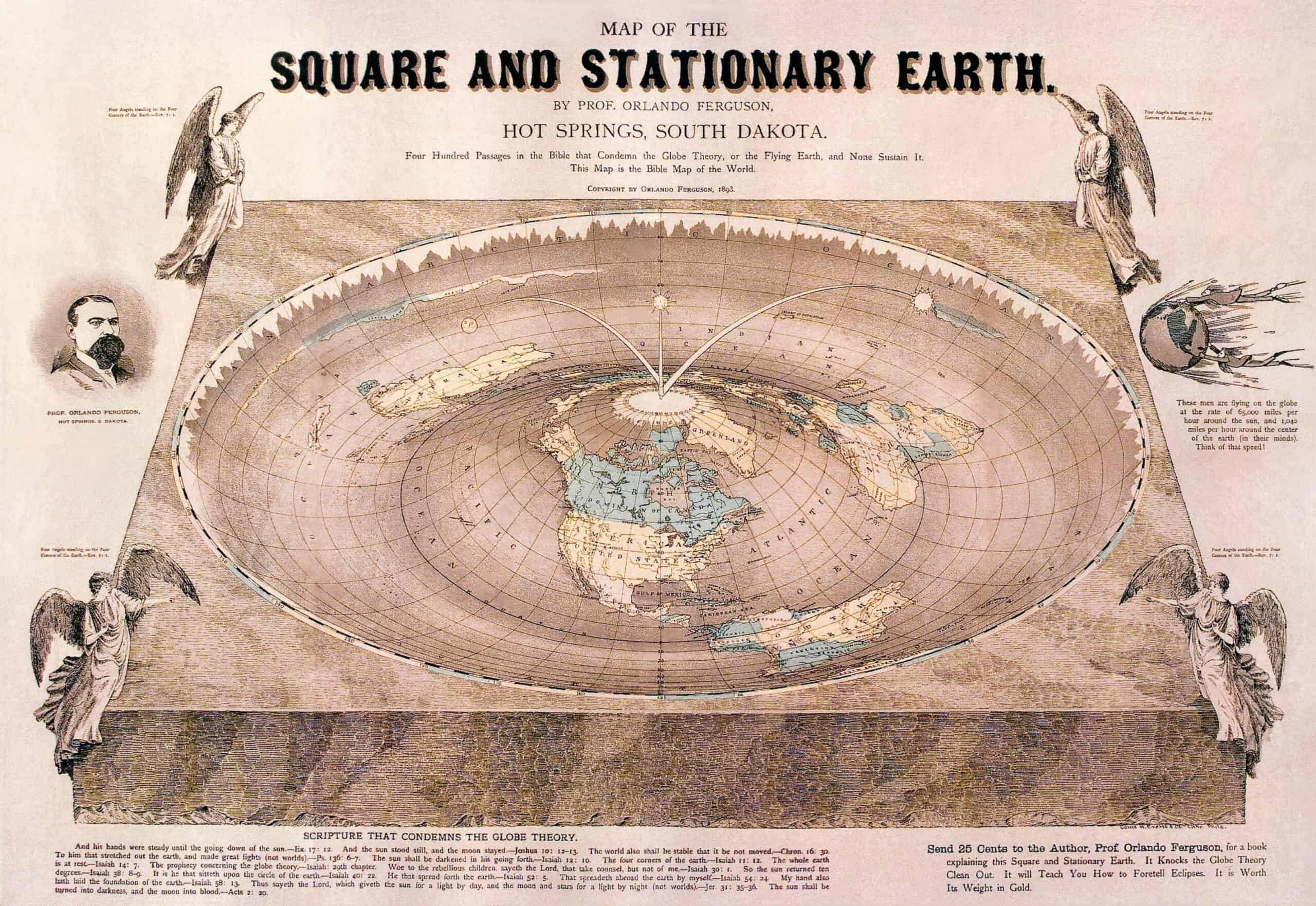
Despite what you might have heard, not everyone back then thought the Earth was as flat as a pancake. Actually, the smartest people around during the Middle Ages were pretty well-read, thanks to the ancient Greeks & Romans. They knew the Earth was round. Yes, not everyone believed it but the idea that they all believed in a flat Earth is not true.
The “Dark Ages” Weren’t All Dark

The term “Dark Ages” makes it sound like nothing good happened for hundreds of years. However, that’s not the whole story. While Europe had its fair share of troubles, other places were doing pretty well, with the Islamic Caliphates & the Byzantine Empire making huge strides in science and culture. Even in Europe, there were places of progress. It wasn’t a dark time for everyone!
Like our content? Be sure to follow us.
Not So Short Lives

While you might think everyone in the Middle Ages kicked the bucket by 30, it’s not quite right. The right average life expectancy was lower, true. But that’s because a lot of babies didn’t make it past childhood. If you managed to avoid childhood diseases, you had a decent shot at hitting 60 or more, proving that you weren’t more likely to die at 30 or 40.
Bath Time Wasn’t Rare
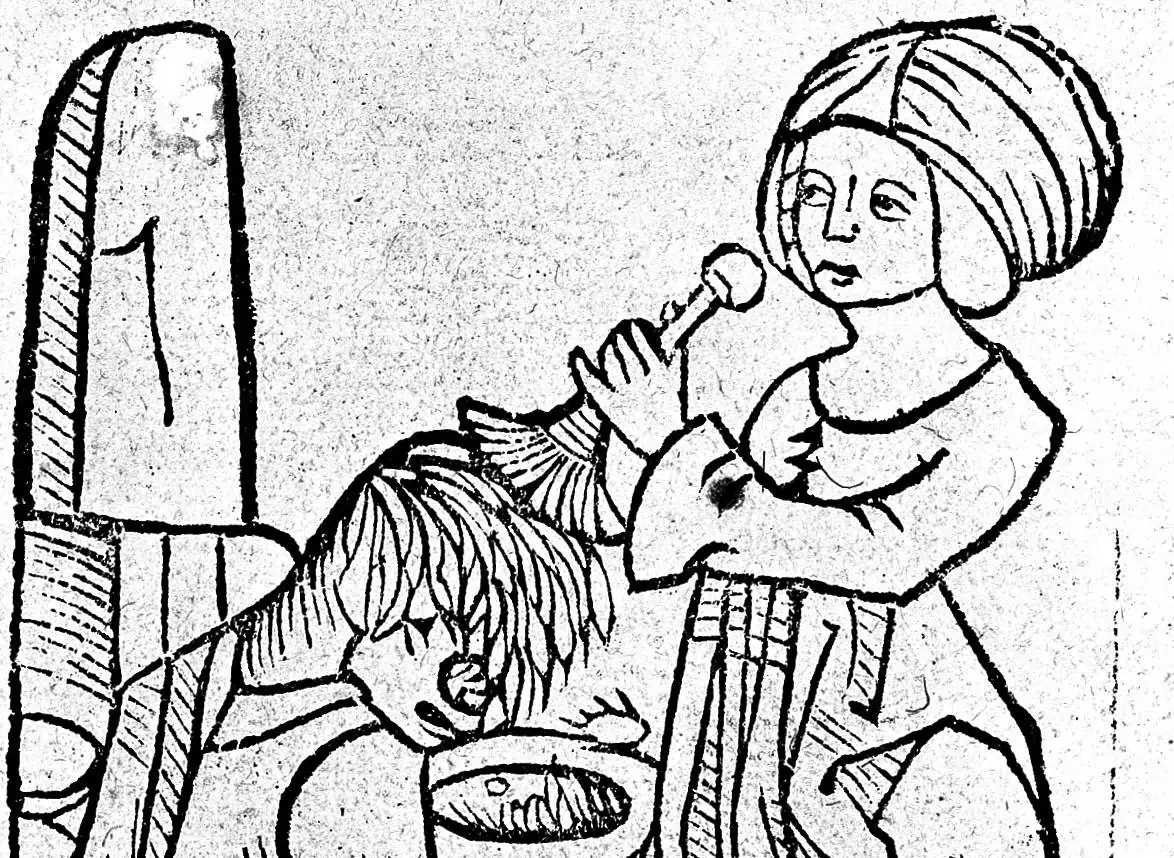
It’s wrong to think that medieval people walked around caked in mud. In fact, people loved their bathhouses and understood the importance of keeping clean—bathing was actually a rather social activity. The whole “rarely bathed” myth probably comes from later periods when bathhouses fell out of favor. But back in the day, they cared a lot about staying fresh.
Not Always Burned

Witch hunts were a real thing yet the whole “burning at the stake” was less common than you might think. A lot of accused witches were actually hanged or met other grim fates. The burning part became more popular later on. As such, the Middle Ages can’t take all the credit (or blame) for that, although it did happen sometimes.
Heavy, But Not That Heavy
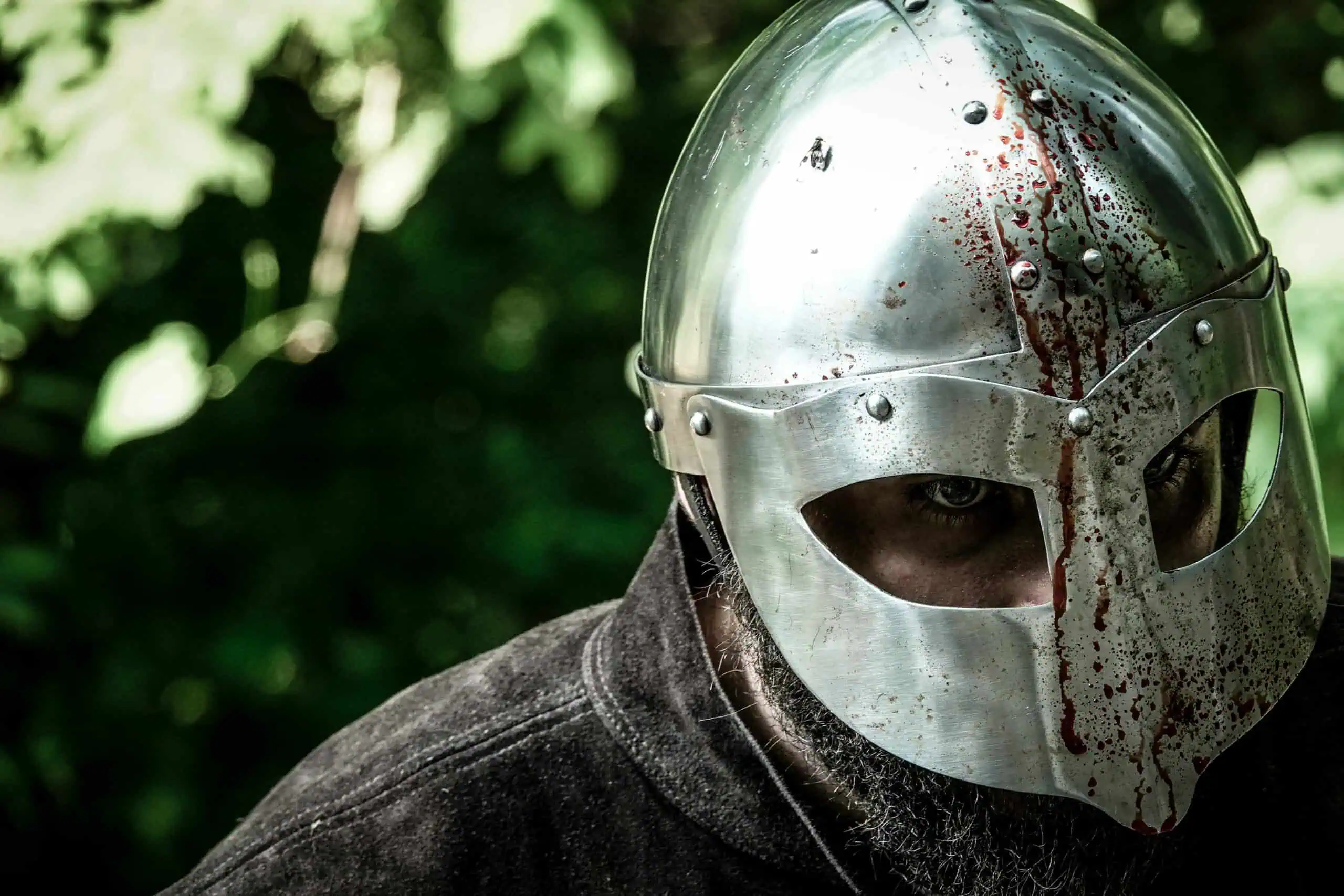
Here’s another exaggeration—the idea that knights were clunking around in armor so heavy they could barely move. Armor wasn’t exactly lightweight but it was designed to be wearable in battle. Knights needed to be able to move! Their gear, weighing in at about 45 to 55 pounds, allowed for that so they weren’t immobilized metal statues.
The Church and Science
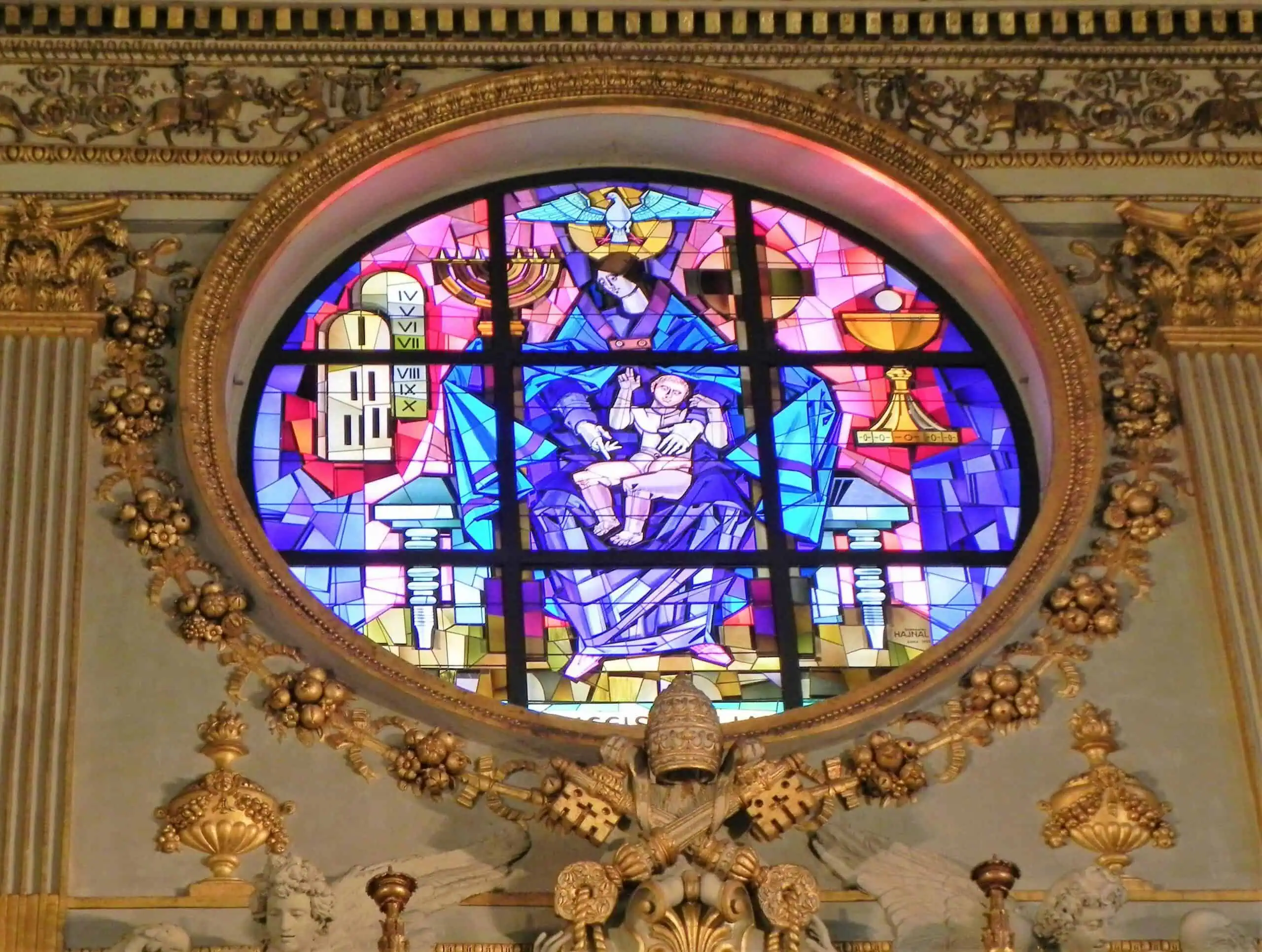
The whole “Church vs. Science” narrative is too simple. Naturally, there were times when the Church didn’t support scientific discoveries but it also played a big role in preserving & promoting knowledge. A lot of scholars were clergymen and monasteries were the places they went to learn. It wasn’t all opposition all the time—but there certainly was a lot of it!
Women Had Some Wiggle Room
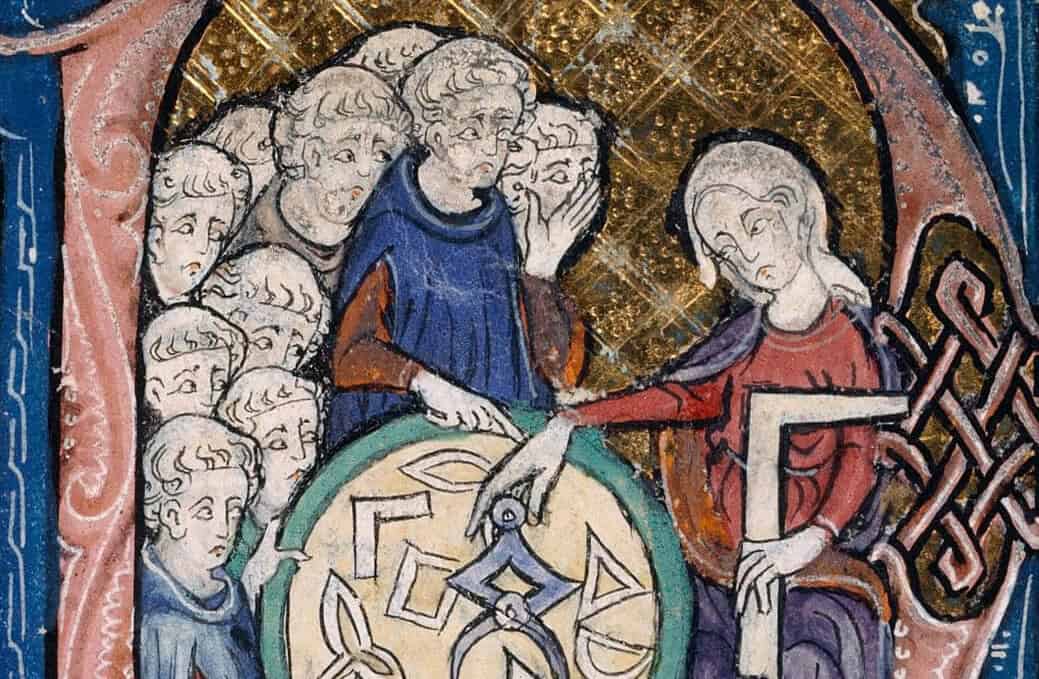
Of course, women were oppressed in the Middle Ages and they definitely didn’t have the rights we expect today. However, they did have some freedom. Some women owned property and ran businesses, while others had a say in various aspects of life. Really, their status depended on where they lived and their social position, making the situation far more nuanced than you might realize.
More Than Just Religion
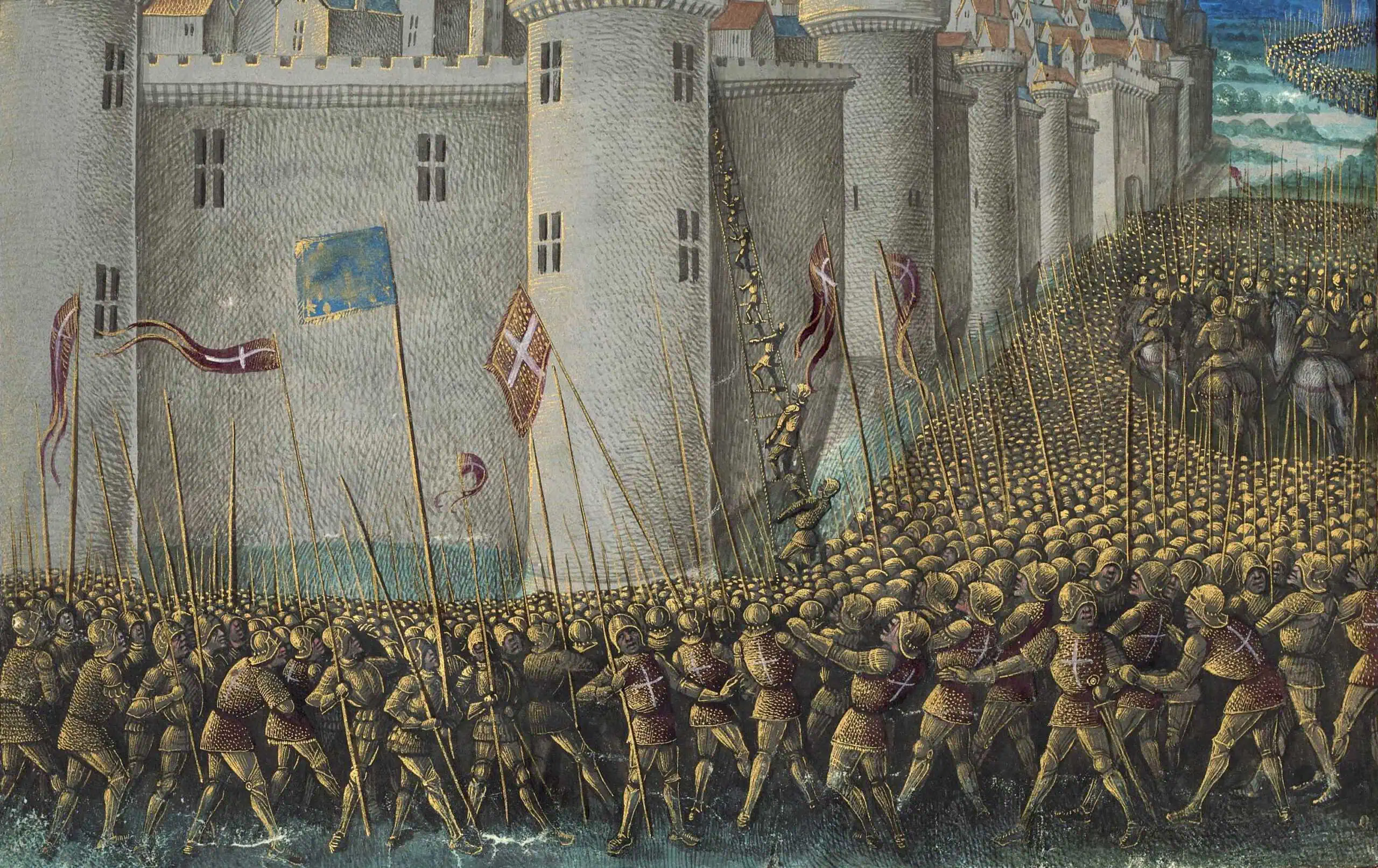
Indeed, faith played a big role in the Crusades yet there were also political, economic & social motives at play. Some people were after wealth and land over spiritual rewards. For others, it was the chance to secure trade routes or even simply prestige. Whatever the reason, the Crusades were far more complex as they mixed the spiritual with the very worldly ambitions of medieval society.
Flavorful, Not Bland
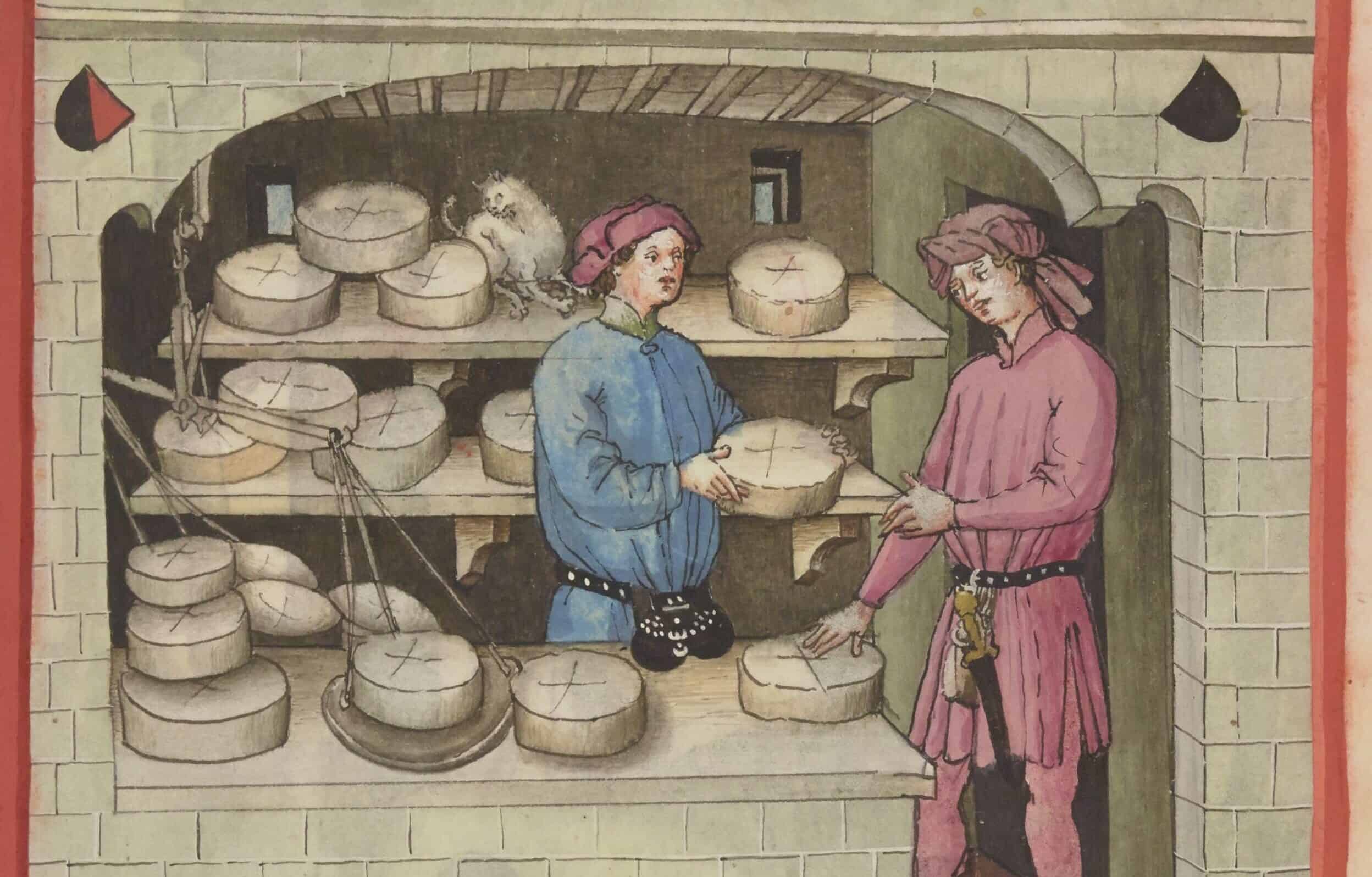
Medieval cuisine wasn’t simply flavorless gruel because spices & herbs were all the rage, especially among the wealthy who could afford imports from Asia and Africa. Their meals could be quite the flavorful affair. In fact, some cooks at the time were quite skilled at combining flavors, creating dishes that would be considered quite sophisticated even today. Medieval diets were far from dreary or unvaried.
Cities Were Buzzing With Life

Forget the idea that medieval cities were dreary places covered in dirt as cities like Paris and London were at the center of trade & culture. Markets were packed with vendors that sold everything from spices to textiles, while the streets were alive with people from all walks of life. Naturally, they had problems like any city does. But the cities were also busy places where medieval society flourished.
Cultures Mixed and Mingled

Lastly, the Middle Ages weren’t some isolated, insular time because there was plenty of interaction between different cultures. This is mostly thanks to trade routes like the Silk Road. People shared goods and ideas across continents, making for a time of rich cultural exchange. Silk and paper made their way into Europe, while European goods and scientific ideas traveled east—it was a two-way street that helped societies grow. Essentially, the Middle Ages was a time of connection over isolation.
Disclaimer: This list is solely the author’s opinion based on research and publicly available information.
Like our content? Be sure to follow us.
Read More: