Throughout history, lots of ancient societies reached incredible heights—and then mysteriously vanished, leaving us with endless questions. Learning more about these forgotten civilizations would change everything that we know about human history, for better or worse. Here are thirteen interesting civilizations that might rewrite human history. There are so many mysteries left in the world.
Featured Image Credit: netfalls/Depositphotos.com.
Pioneers of Mesoamerica

From about 1500 to 400 BCE, the Olmec civilization thrived in modern-day Mexico and the people became famous for carving enormous stone heads. Some of these reached up to 3 meters tall & weighed over 20 tons! In fact, the Olmecs built the earliest known Mesoamerican pyramids & developed urban places like San Lorenzo and La Venta. Yet they mysteriously disappeared. With this, they took one of the first known writing systems in the Americas & a calendar.
The Advanced City of Cahokia

Cahokia was a massive Native American city near present-day St. Louis that existed from 1050 to 1350 CE. At its peak, it was home to as many as 20,000 people and the city featured over 120 earthen mounds, including Monks Mound, the largest prehistoric earthwork in the Americas. Despite its size & complexity, we’re not sure why Cahokia declined.
Like our content? Be sure to follow us.
Europe’s First Advanced Society

The Minoan Civilization lived in Crete from around 2600 to 1100 BCE and they built impressive palaces like Knossos. This featured complex architecture with multiple stories, colorful frescoes & advanced plumbing systems—including flush toilets! One of the most mysterious things about them was their writing system known as Linear A. We haven’t been able to decipher it yet.
The Bactria-Margiana Archeological Complex

Between 2300 & 1700 BCE, the people of the Bactria-Margiana Archeological Complex (BMAC) lived in Central Asia. The civilization built fortified cities with rather impressive temples and they produced high-quality ceramics, metalwork & jewelry. Clearly, they were very skilled. It’s possible they had trade connections with the Indus Valley and Mesopotamia—which would mean ancient societies were far more interconnected than we thought!
The Mysterious Kingdom of Punt

Back around 2500 BCE, the ancient Egyptians traded with a place they called the Kingdom of Punt—but nobody’s quite sure where it was. Punt gave them gold, incense, ebony & exotic animals like baboons and elephant tusks. Queen Hatshepsut even sent a famous expedition there! The Egyptians considered Punt a “Land of the Gods” yet even with detailed records, archeologists haven’t found clear evidence of its location.
The Enigmatic Sanxingdui Culture

The people of the Sanxingdui Culture lived from around 1200 to 1050 BCE in China’s Sichuan province. Archeologists found huge bronze masks & statues with exaggerated, almost alien-looking features—the artifacts are unlike anything else found in China from that time. The little that we know about them is that they probably worshipped the sun.
The Lost Kingdom of Tartessos

Around 1000 BCE, Tartessos was a wealthy kingdom on the Iberian Peninsula that was rich in metals like silver & gold. Several ancient texts mention Tartessos as a prosperous city. We even know that they traded with the Phoenicians and Greeks—but its exact location is a mystery. Some believe it was in southwestern Spain near the Guadalquivir River.
The Forgotten Nok Culture

The Nok Culture flourished in Nigeria between 1500 BCE & 500 CE. The Nok were among the earliest civilizations in Sub-Saharan Africa to smelt iron which suggests that they had some rather advanced technological abilities for their time. But their sudden disappearance remains a mystery. Without written records, we’re still in the dark about a lot of their society.
The Ancient City of Great Zimbabwe
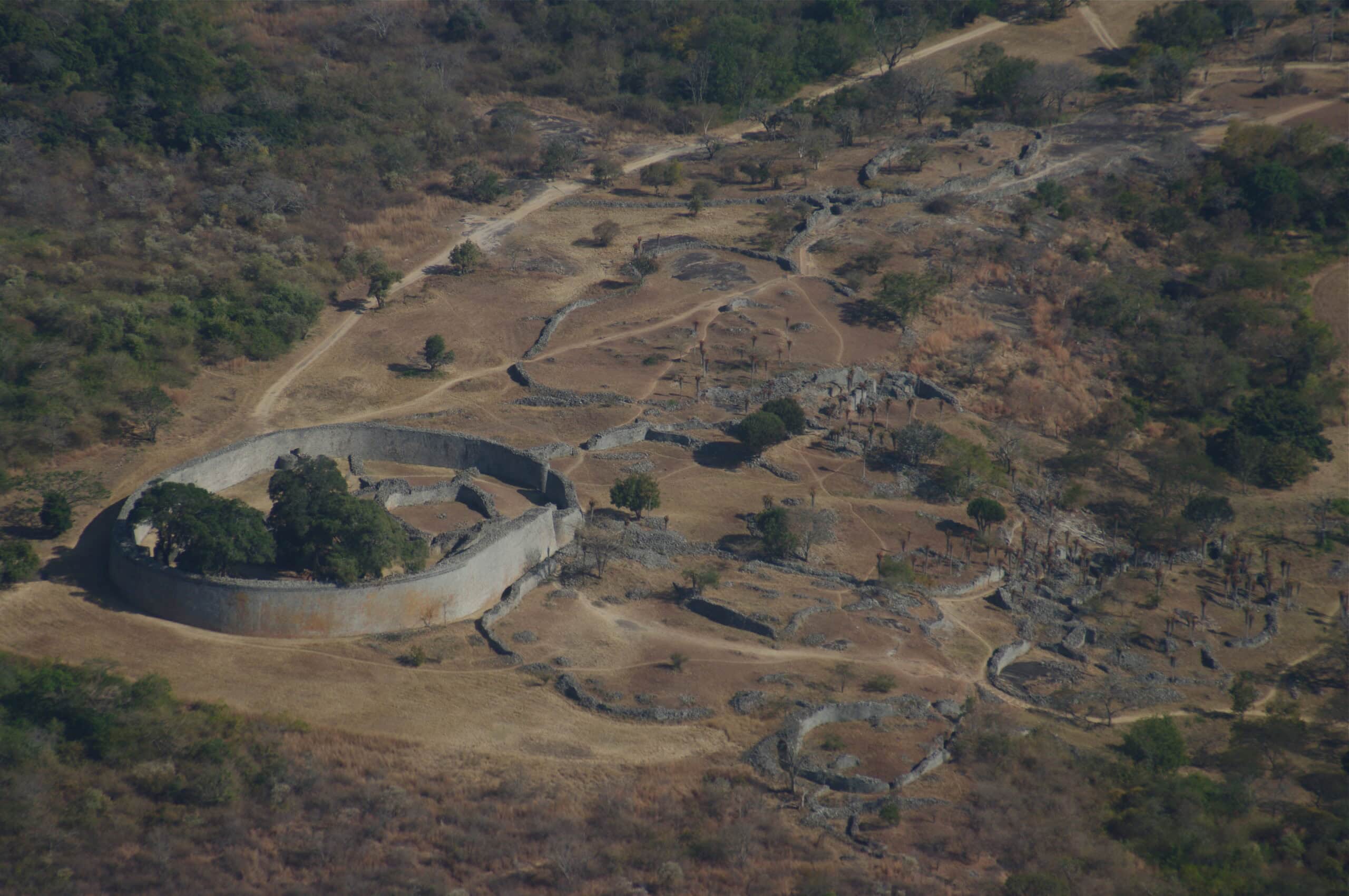
Between the 11th & 15th centuries, Great Zimbabwe was a rather important trading city in southern Africa. It featured impressive stone structures built without mortar, like the Great Enclosure with walls over five meters high stretching for 250 meters. In fact, we’ve found artifacts from as far away as China and Persia there! Yet it’s not clear why the city declined. Was it because of overgrazing or did they overuse their resources?
The Cycladic Civilization’s Unique Art

Around 3200–2000 BCE in the Aegean Sea islands, the Cycladic Civilization was around and they created many minimalist marble figurines. Archeologists found these pieces in tombs & settlements, suggesting their artistic expression was quite advanced for the time. Unfortunately, they left behind few written records. Much of their daily life & beliefs remain a mystery so archeologists have to do a lot of guesswork.
The Ancestral Puebloans of Chaco Canyon
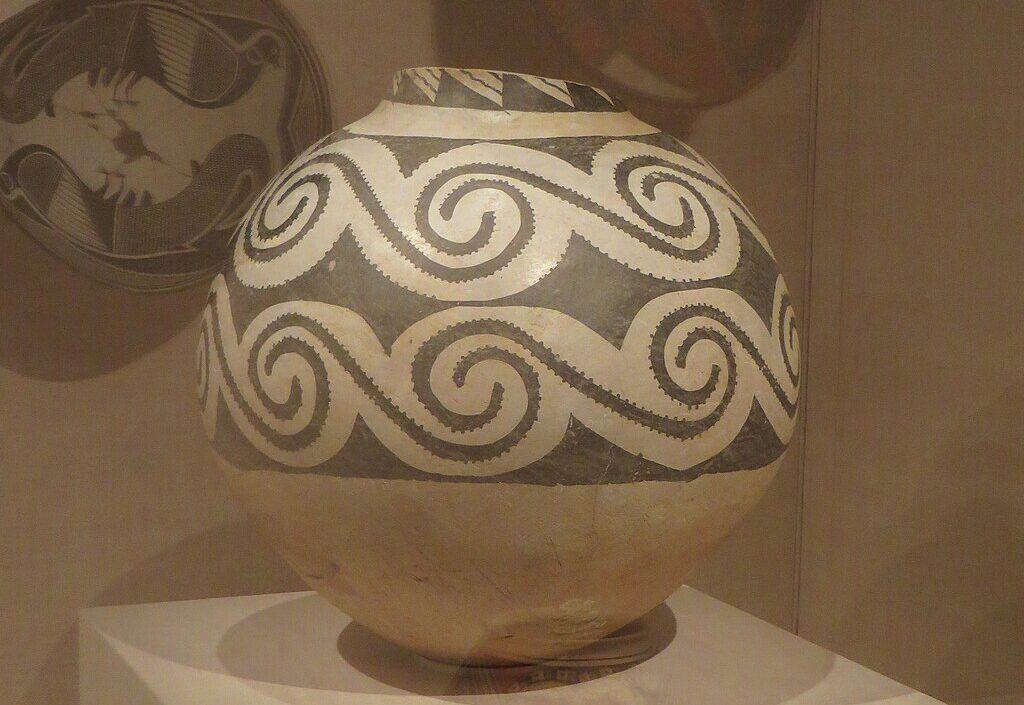
The Ancestral Puebloans built a complex society in Chaco Canyon, New Mexico, between 900 and 1150 CE, which included multi-story stone buildings called great houses. Some of them had hundreds of rooms! We also know they advanced astronomical knowledge as they constructed buildings according to solar & lunar cycles. But that’s about it. We don’t know why they left the canyon.
The Mysterious Clovis Culture

The Clovis Culture was among the earliest known North American cultures. They created several fluted spear points known as Clovis points that have been found at sites all over the continent. From this, we can guess that they migrated & adapted to their environment quite quickly. Unfortunately, we have no idea how or why they disappeared.
The Cucuteni-Trypillia Culture

The Cucuteni-Trypillia culture existed from 5400 to 2700 BCE in Eastern Europe, covering areas of present-day Romania, Moldova & Ukraine. They built some of the largest Neolithic settlements & bizarrely, they had a ritual of burning their entire village every 60 to 80 years before rebuilding it in the same spot! We’re not exactly sure why they did this.
Disclaimer: This list is solely the author’s opinion based on research and publicly available information.
Like our content? Be sure to follow us.
Read More: