
Latino culture isn’t something you only see during Hispanic Heritage Month or in a taco commercial. It’s in the way people decorate their homes, talk to each other, celebrate milestones, and even how they relax after a long day. Some of these things have become such a part of everyday American life that most folks don’t even realize they started somewhere else.
It’s not just food or music—it’s energy, rhythm, and small habits that change how we live.
Here are 12 Latino influences that have quietly blended into daily American life—without making a big scene about it.
Feature Image Credit:
Using Bright Colors to Bring a Room to Life

You know that sudden love for turquoise walls, hot pink pillows, or sun-yellow kitchens? That didn’t just pop out of nowhere. Latino homes have long used vibrant colors to reflect joy, warmth and personality. Now, even modern homes borrow that style without even realizing it.
Calling Everyone “Cousin” or “Tía” Even If They’re Not

In a lot of Latino households, everyone’s family—blood or not. And this way of labeling friends as “prima,” “tío,” or “hermano” has made its way into how Americans, especially in diverse cities, casually treat close friends like relatives. It’s not just language—it’s a mindset.
Making Sunday a Loud, All-Day Family Hangout

For many Latino families, Sunday isn’t quiet. It’s loud music, homemade food, cousins everywhere, and someone yelling over a domino game. This idea of turning Sunday into a full-on family event (not just dinner) has caught on in neighborhoods across the U.S.
Turning the Front Porch Into a Social Spot

Forget sitting quietly inside. In Latino culture, the porch is where the real stuff happens—people-watching, chisme (gossip), and catching up with neighbors. In lots of communities, that porch culture has become the new living room.
Keeping Plastic Over the Couch (Just in Case)
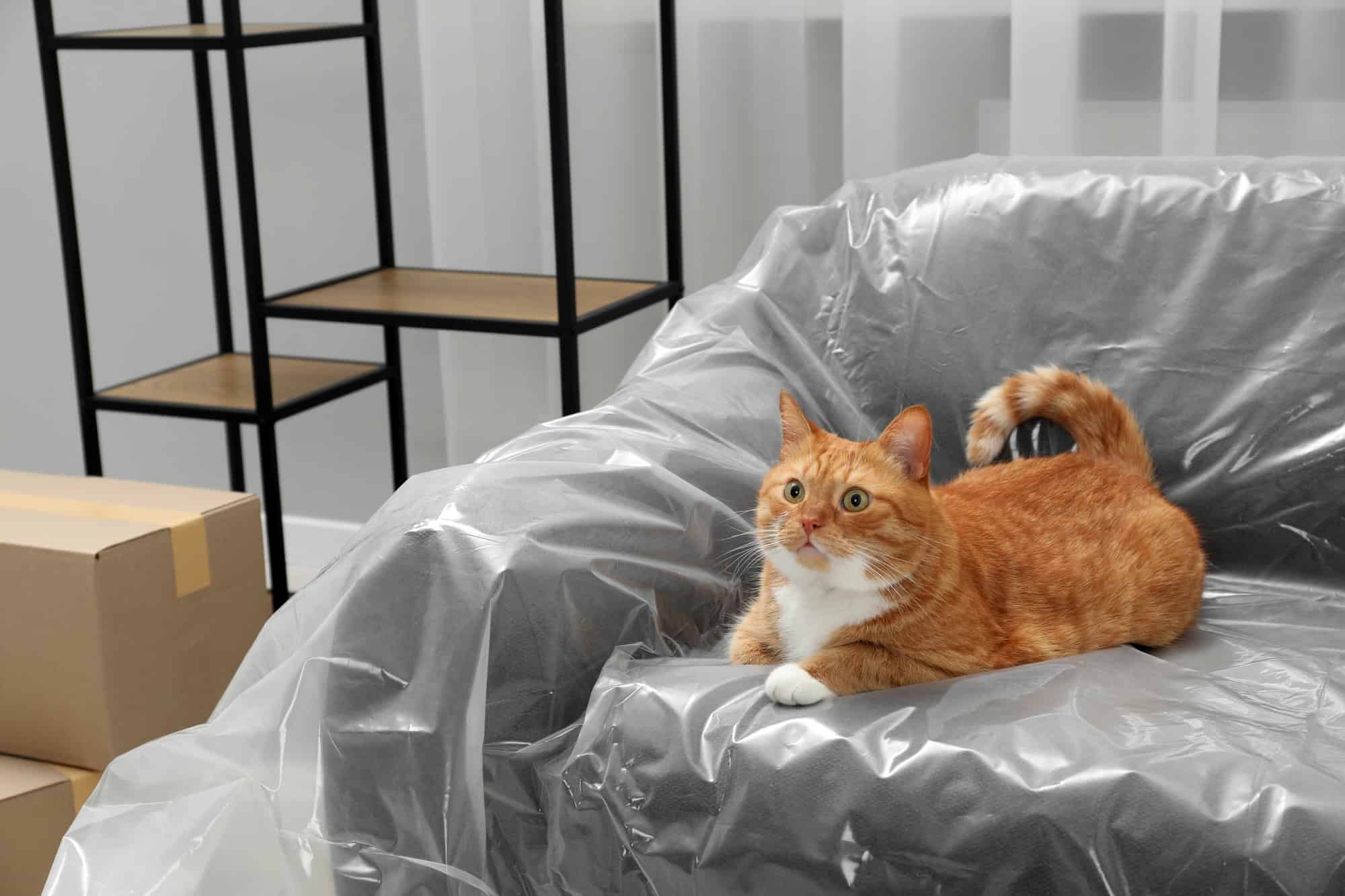
Yes, it sounds like a meme, but this started as a way to keep things clean for guests and special occasions. And now, you’ll spot this “just-in-case” plastic trick in non-Latino homes too, especially among people who grew up around it.
Dancing to Music That Makes You Move, Not Just Listen

You don’t just hear Latino music—you feel it. From cumbia to reggaeton, it’s not background noise—it’s a call to dance. This change in vibe has transformed American music listeners into beat-driven fans who now expect rhythmic movement from songs across all genres.
Bringing Food to Someone’s House Like It’s Nothing
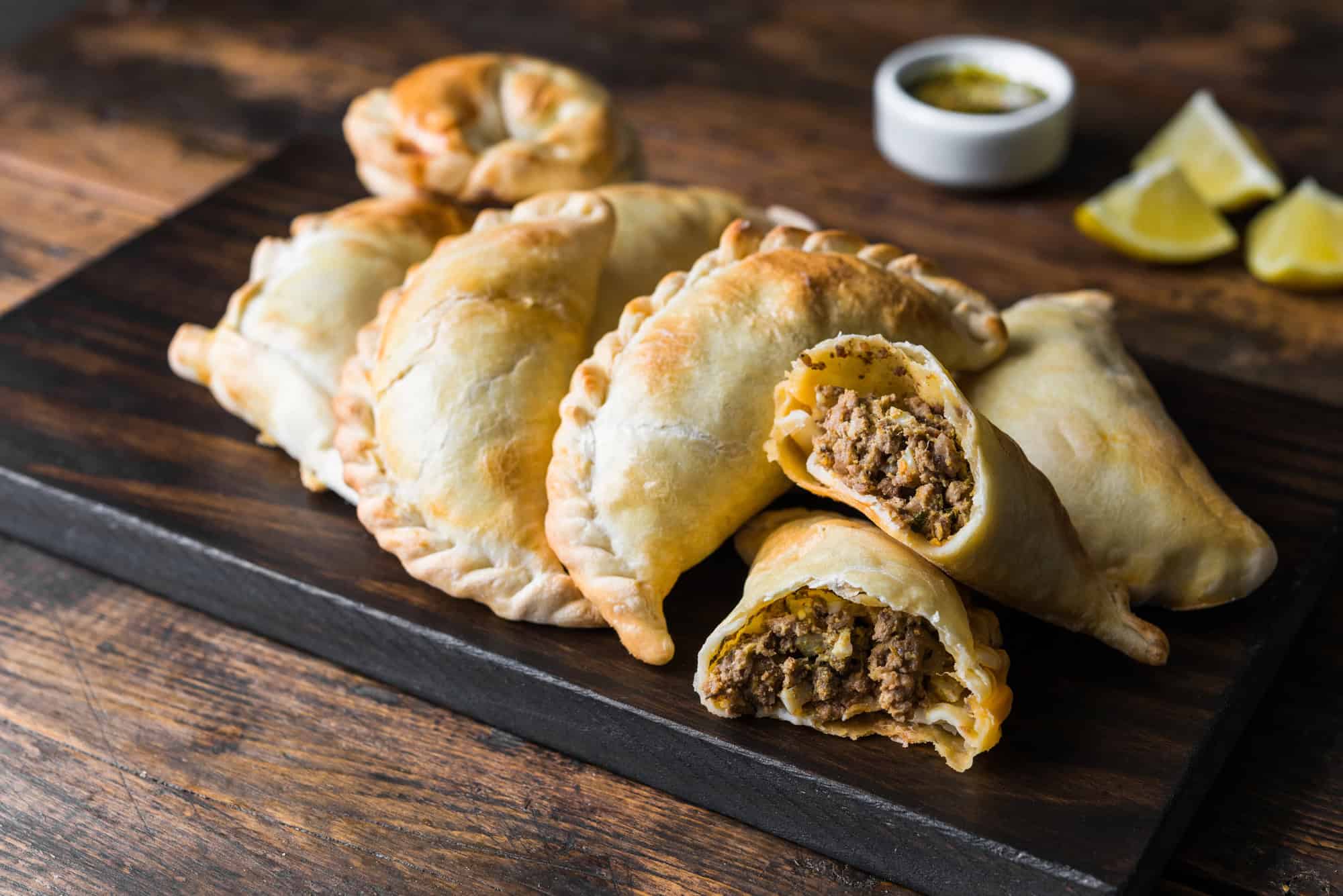
You don’t wait for a formal invite or potluck sign-up. Latino families show up with arroz con pollo, empanadas, or a big container of something warm. This spontaneous show of generosity becomes widespread among neighbors throughout the area.
Celebrating with Noise—Not Just a Cake

If you were raised in a Latino home, you likely remember birthday parties with lots of excitement, music shaking the walls, too much food, and sometimes a swinging piñata hanging in the middle of the yard. And you didn’t care about picture-perfect decorations.
You cared about noise, dancing, and having everyone as part of the chaos. More and more American families are embracing that chaos. A plain cake and candles now feel… too quiet.
Naming the Kids After the Grandparents

There’s meaning in names—respect, history, connection. That way of honoring abuelos & abuelas in names is something many other families have started to adopt too—especially in mixed families.
Using Humor as a Way to Get Through Anything

Latino humor doesn’t sugarcoat. It’s raw, dramatic, and wildly funny—even in tough times. That way of finding the funny in anything has shown up in memes, internet trends, and even how people deal with life day to day now.
Saying Goodbye… Very, Very Slowly

One hug becomes three, and just when you’re at the door, another story begins. Latino goodbyes are a whole ritual. It’s not just leaving — it’s lingering. A lot of Americans have picked up that same “long goodbye” routine, especially at family gatherings.
Disclaimer: This list is solely the author’s opinion based on research and publicly available information.
Like our content? Be sure to follow us.
Read More: