

Kids from the 60s and 70s had a grounding in everyday smarts that’s vanished in the age of the internet.
The sun and shadows

Before digital watches and smartphones, kids’ sense of time came from sun and shadow play on the ground.
You instinctively knew, when the shadows covered the entire driveway, you had 15 minutes to get home before the porch lights turned on.
Today’s children may have the time at their fingertips, but earlier generations had a different kind of awareness.
Research suggests that kids with this sun-based awareness had a stronger grasp of spatial relationships and a finely tuned sense of time.
Reading people

Back then, kids weren’t plugged into music or cooped up in designated play spaces. They observed the world around them at the hardware store, at the post office or at the street corner.
You could tell someone was having a bad morning by how they tapped the counter impatiently, or the muttered growl they made in line.
Long before they could wield them, kids figured out the finer points of social cues just by seeing them in action.
Calculating “risk-to-reward”

Modern playgrounds are all about those soft, padded floors. We played on metal slides that reached ten feet in the air and burned your legs in the summer.
You had to know right away if that rusted bolt was going to hold your weight or if that swing chain felt funny.
You learned your limits and what gravity felt like just from playing high up.
Children these days don’t get that chance and I think it makes them more timid.
The power of boredom

When you rode eight hours in the back of a station wagon in 1974, you stared out the window or counted every other license plate.
No iPad distractions, no screens. Just you with your thoughts. Some days it was tedious. Some days it was maddening. But you found ways to entertain yourself.
You made up games, told stories in your head, or simply paid attention to your surroundings. Clouds floating by, strangers walking down the street, the steady hum of the engine.
And this habit of daydreaming taught you patience, imagination and how to simply be in the moment.
DIY survival
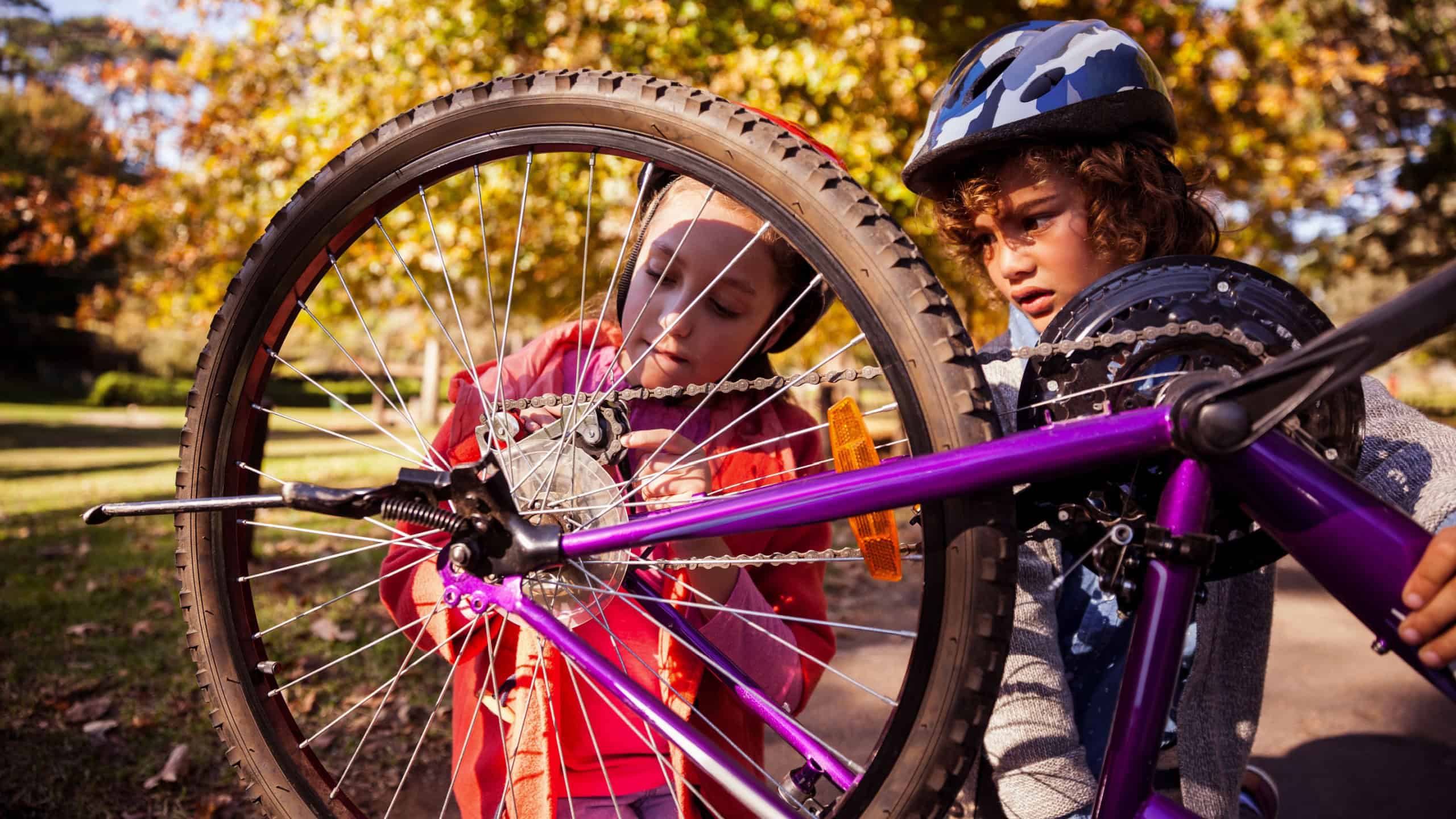
Bike chain came off? Skates popped loose, and you were three miles from home? There was no Uber for us.
We sat on the curb and fixed it with supplies from our pockets. Back then, a lot of kids carried a multi-tool, or at the very least, a screwdriver for fixing things.
We literally grew up looking at objects as something that could be understood and repaired, rather than black boxes that are disposable when broken.
Way-finding

Before blue dots on GPS units indicated where you were, you had memorized that portion of the world in layers.
If you wanted to give someone directions to your house you might say something like “head north until you pass the crooked oak tree, than turn left at the blue house with the pointed roof.”
Children of the 70s likely carried a mental map of their town, intimately familiar with how the neighborhoods interconnected via unseen alleyways and streams.
Your brain’s hippocampus got seriously good at creating mental maps, a skill that today’s GPS systems tend to sidestep.
Peer justice

Arguing over whether a ball kicked into the street was “foul” or “fair” wasn’t something a parent came running out to judge.
Sometimes you had to figure out how to fight your corner, stand down and conform with the pack, or be banned from playing the next game.
That early version of justice taught kids to read social cues and work through disagreements without adult intervention.
Child psychologists actually believe this type of unstructured conflict helped kids learn how to deal with office politics.
Resource sense

There was no such thing as “unlimited” in the 60s and 70s. You only got 24 pictures per roll of film, you had three channels on TV, and you ran out of milk in the fridge until the truck drove by once more.
You learned to be choosy about when you wanted to click that camera shutter button and figured out how to share that one phone line in your house among four other humans.
Respect was given to items and services that were finite, as well as an understanding that you couldn’t always have whatever you wanted, whenever you wanted it.
People who grew up like this understand delayed gratification, which is one of the best predictors of financial success.
Despite this, it’s arguably the toughest skill to instill these days, given our constant access to instant entertainment and doorstep delivery.
Stranger danger

Kids didn’t have the internet to teach them about every particular local danger. They learned to trust their gut feelings and recognize weird behavior instinctually.
You spent so much more time out in the wild of your neighborhood, you instinctually knew the difference between your neighbor and someone who felt off for no reason.
And that early independence cultivated a finely tuned sense of self-preservation that’s sadly missing in today’s kids.
The art of “wait and see”

Before we had read receipts and texting, if you made plans with your friend to meet at the park at 2:00 pm, you had to trust that they would actually be there.
If they were five minutes late, you had no cell signal to track their location, so you just practiced the lost art of “waiting it out” and learning how to contain your own impatience.
We became experts at waiting, something that’s less common now with fast internet and immediate access to everything.
Sources: Please see here for a complete listing of all sources that were consulted in the preparation of this article.
15 absurd rules every teen in the 60s had to follow
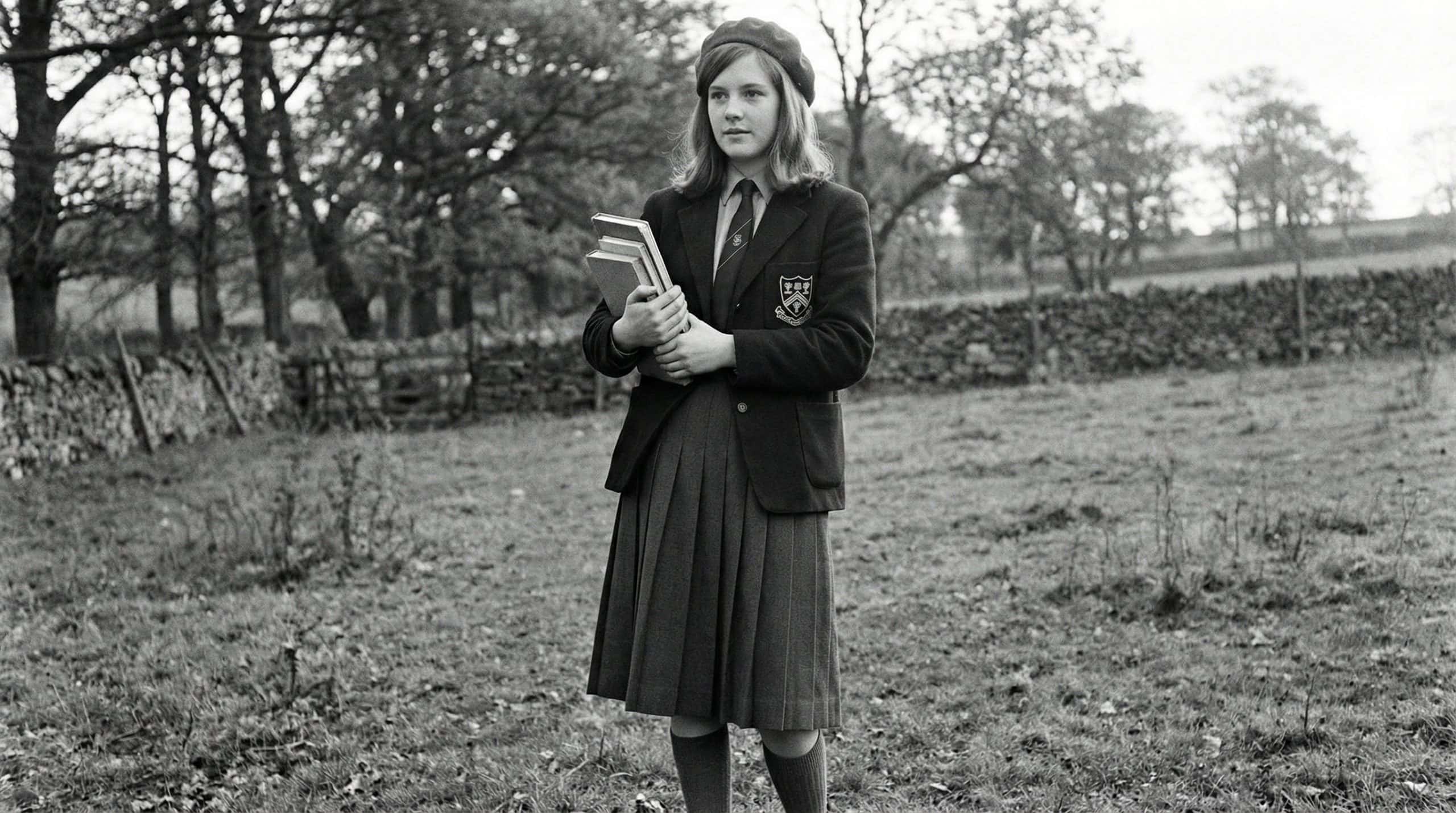
Here are 15 ridiculously rigid and absurd rules every ’60s teen had to follow.

