

Here are 15 ridiculously rigid and absurd rules every ’60s teen had to follow.
The knee-to-floor hemline test
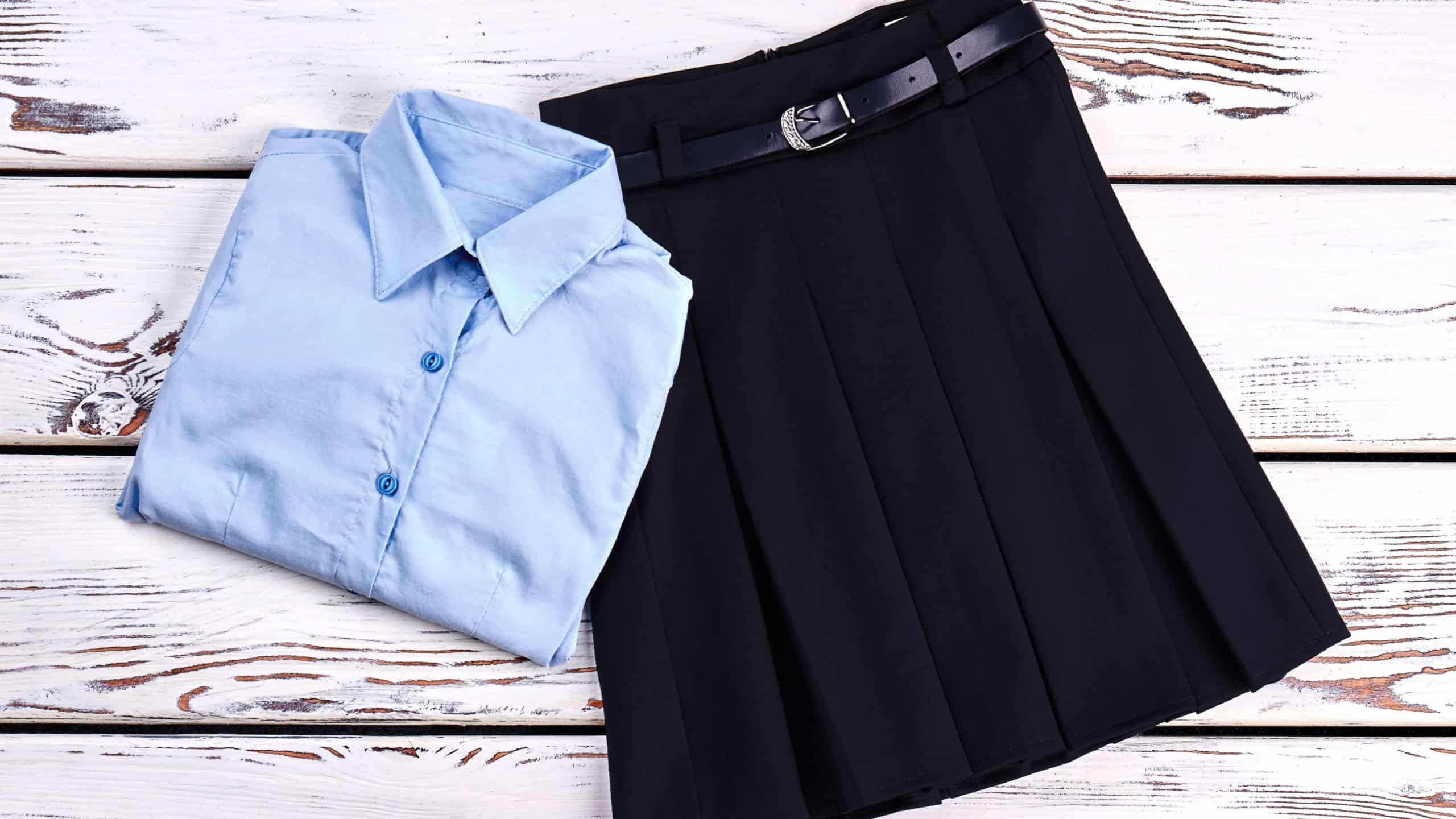
A girl hoping to wear a skirt to class could be checked over by a teacher or dean.
The student would kneel on the linoleum floor, and if the hem of the skirt didn’t kiss the floor, it was too short.
This rule was implemented to avoid the scandal of the increasing popularity of the mini-skirt in the world of fashion. Girls who did not pass this test were sent home that instant to change into something more modest.
The no-pants mandate for girls
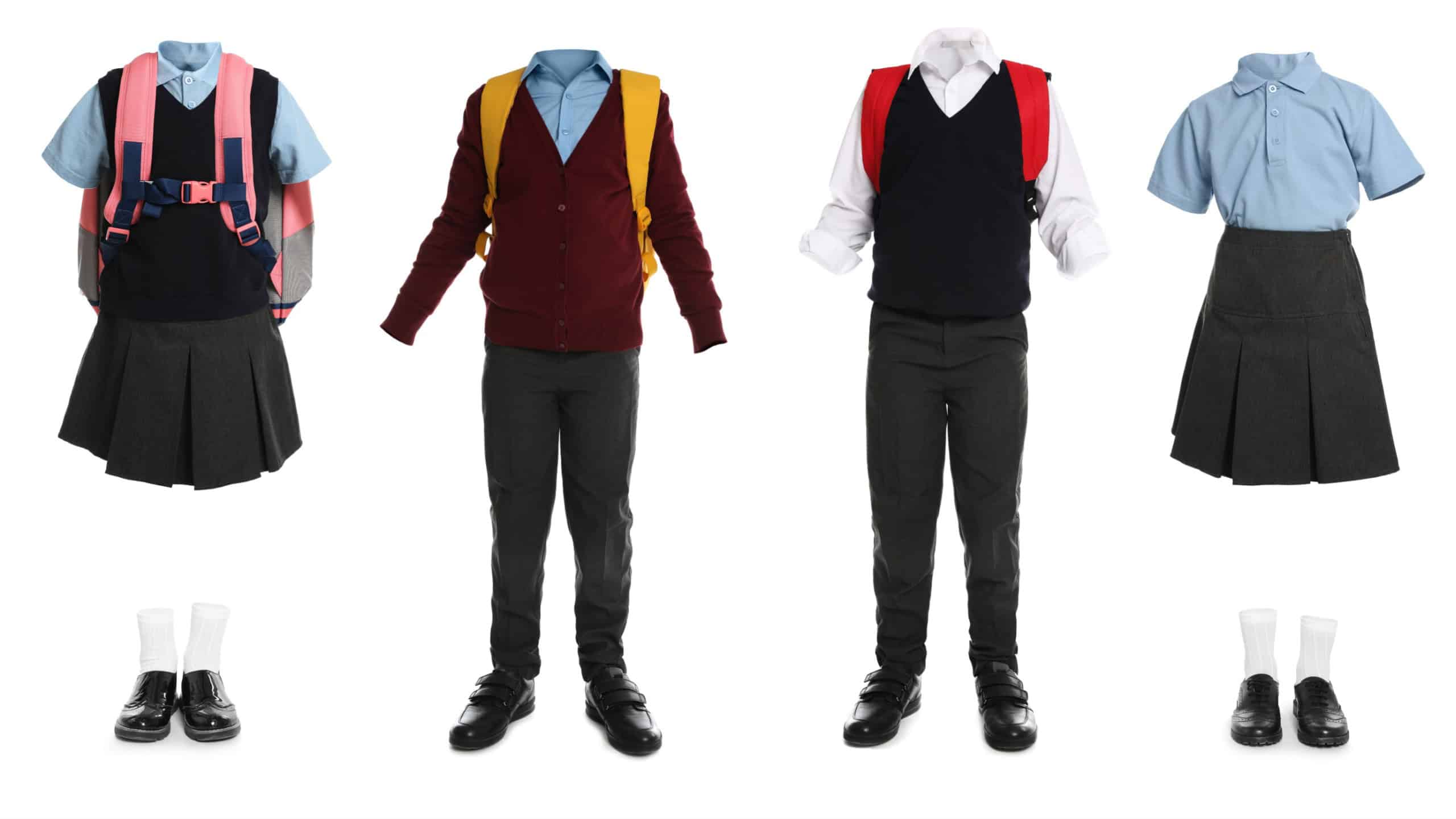
No matter how cold winter got, girls were strictly forbidden to wear slacks or trousers to school in most districts. Even in the dead of blizzard weather, girls were required to wear dresses or skirts, with thin nylons over them.
Pants were considered unfeminine and a mark of class rebellion. Girls were allowed to wear snow pants under their skirts on the walk to school, but were required to take them off upon entering the front doors.
This strict dress code remained in place until the late 60s, when the groundwork for Title IX began.
The sideburn length constraint

For male students, the war on counterculture raged across their cheeks. How far down could their hair grow?
School administrators made it clear that sideburns should not extend below the midpoint of the earlobe, and certainly not be flared out like “mutton chops.”
Teachers patrolled the school grounds, prepared to check if any student’s sideburns had gotten out of control. When caught with lengthy sideburns, students were issued a disposable razor and told to correct the problem in the bathroom, or risk suspension.
Banning the Ducktail haircut

Long hair became popular eventually with The Beatles, but schools in the early 60s were hell-bent on banning the “Greaser” look, deemed fit for juvenile delinquents.
Big cities across the Midwest outlawed the “Ducktail” haircut, also known as a DA (hair slicked back and combined to form a ridge down the center of one’s head). Midwestern principals often suspected that a boy meticulously styling his hair with grease was probably headed for trouble.
Many students caught with this hairstyle had to get their heads shaved before they could return to class.
The “no patent leather” superstition
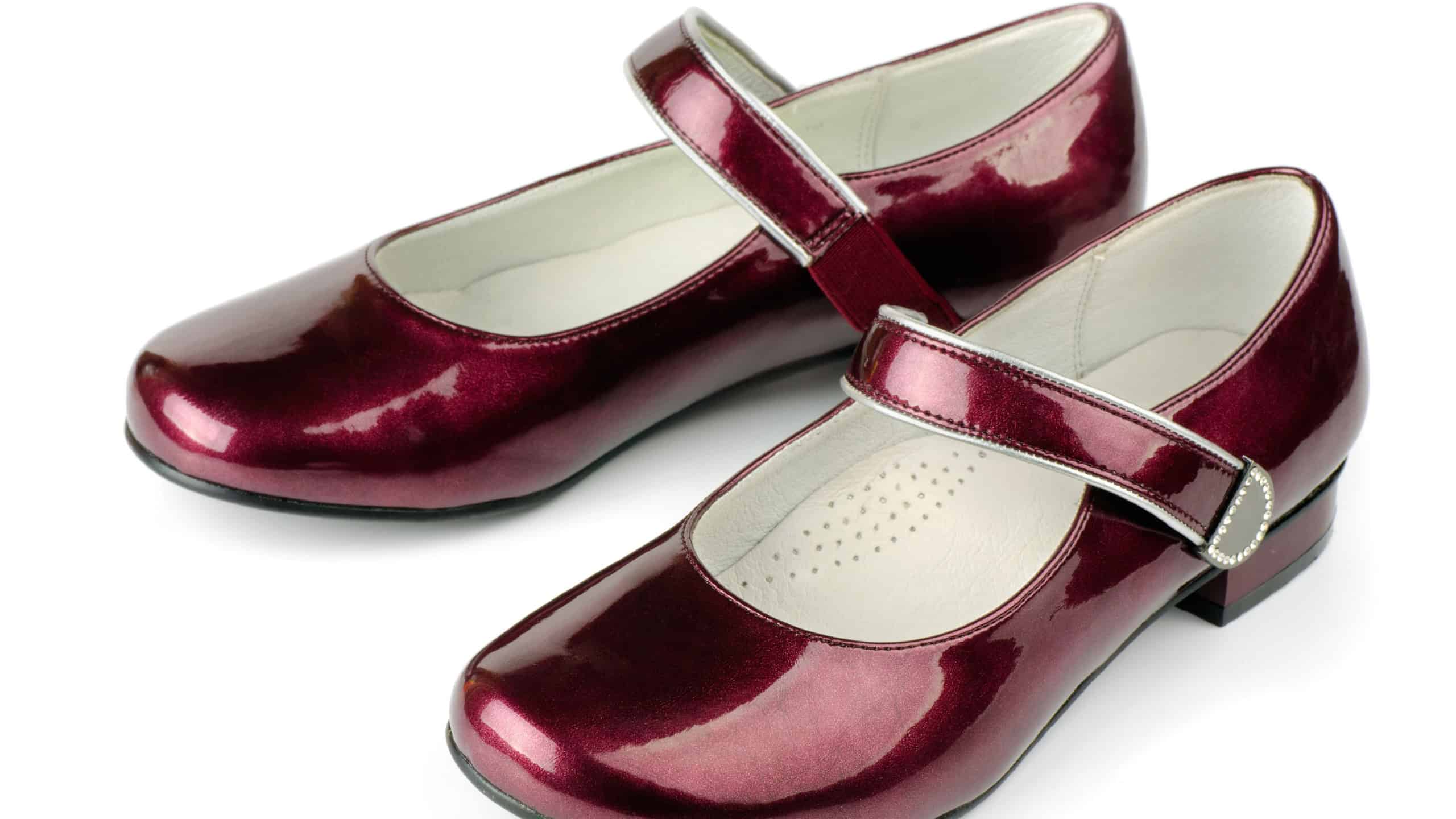
Many conservative parochial and public schools prohibited girls from wearing shiny patent leather shoes.
The ridiculous belief was that patent leather’s shine would reflect like a mirror and reveal what boys couldn’t see up a girl’s skirt.
Some school administrators completely believed this myth and didn’t want any temptation in the hallways. Girls were forced to wear matte saddle shoes or loafers without shine.
Mandatory posture and poise classes

Gym classes for girls in the 1960s frequently featured mandatory poise training, often involving walking with a book atop the head for a grade.
The purpose was so teenage girls would learn how to walk attractively for their future careers as homemakers or secretaries.
Students who let the book fall risked a bad grade, since the instructors saw slouching as a character flaw. This tradition, a relic of Victorian finishing schools, somehow endured well into the Space Age.
The collar-touching hair rule

When a boy’s hair grazed his collar, the school saw a disruption of their strict standards.
School principals would physically check the back of a boy’s neck, ensuring enough skin showed between hair and collar.
To evade the barber, students were always fiddling with their collars and hair.
Prohibited blue jeans

Back then, jeans were only okay for folks doing hard work, so wearing them to school usually meant getting sent home in the early 1960s.
Brand-new, clean jeans were considered “slovenly” and marked the wearer as someone who didn’t care about his or her education. Guys stuck to corduroys or slacks, and schools used the jean ban to push a middle-class, professional look on students.
The late 60s’ cultural upheaval finally made jeans okay for school.
The ironing expectation

Kids in the 60s had no idea what life was like before “permanent press” or wrinkle-free clothing.
Little girls had to spend hours every Sunday evening ironing their cotton frocks and petticoats, so that not one wrinkle was visible. Coming to school with a crumpled-up skirt implied that you came from a chaotic household, and you’d be condemned by the home-ec teacher.
Think of all the hours that teenagers had to put into ironing every week. Modern kids, with their comfy clothes, would be totally baffled.
Strict bans on social dancing patterns

Although “The Twist” and the “Mashed Potato” were conquering TV screens across the country, many school dance floors were governed by strict rules against undignified dancing.
A number of schools simply outlawed dancing if partners didn’t stay connected. Parents and school officials felt that freestyle dancing encouraged wildness and lawlessness.
Chaperones kept a watchful eye on any suggestive hip action and how far apart couples were standing. They were doing their best to restrain rock-and-roll within the walls of a ballroom.
The “no gum” corporal punishment

Possibly one of the worst crimes in the classroom during the 1960s was chewing gum. The punishment inflicted was usually painfully humiliating or physically painful.
Teachers sometimes made kids put the gum on their nose and then stand in the corner for the whole class. At some more violent schools, teachers would paddle a child with a wooden board for having a piece of spearmint gum in their mouth.
Teachers believed the gum ban was necessary because they saw chewing as crude behavior, indicating a lack of respect and focus.
Hand-held mirror prohibitions

Girls couldn’t carry around small mirrors in their purses or fix their makeup anywhere other than the restroom. Checking a mirror in the hallway or at your desk was labeled “vanity.”
Vanity was looked down upon as a major character flaw that had to be changed. Teachers could take the mirror and keep it until the semester’s end if they caught a girl gazing at herself.
Teens had to memorize how they looked before leaving the house, because grooming in public was frowned upon.
Mandatory health film screenings

The grim, black-and-white scare films we were made to endure, preached against “early dating,” “booze,” “rushing into marriage,” and, of course, “drugs.”
Those films were just full of lies and used really over-the-top fear to get us to do what we were told. Those films were a required component of our coursework, and challenging their facts was out of the question.
Tucked-in shirts

In the sixties, an untucked shirt sent the message, loud and clear, that a boy just didn’t care.
All button-downs or polos had to be tucked into your waistband, and teachers would randomly make students line up for belt checks to ensure their look was sharp.
If your shirt became untucked while playing ball during recess, you were expected to retuck it before going back into the classroom. Essentially, the goal was uniformity: a rigid, military-inspired look that squashed any hint of personal untidiness.
The “no radios” on campus rule
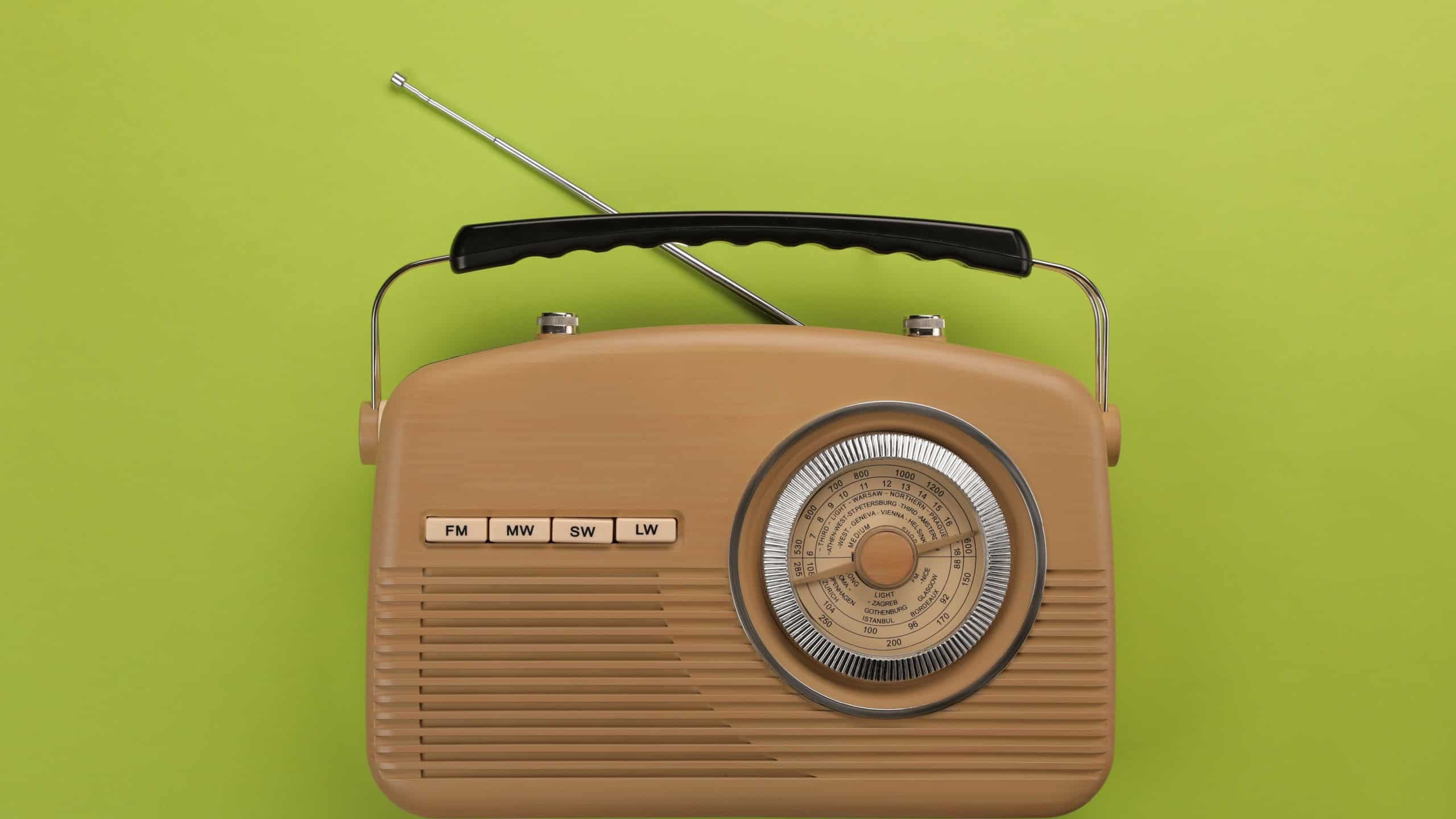
Before the invention of headphones, the single most-dangerous gadget a teenager could own was the transistor radio.
To school officials, those tiny radios were nothing less than corrupting influences that exposed kids to the “devil’s music” (rock and roll).
Bringing a radio to school could get it taken away immediately, even if it was tucked away and turned off. Officials were afraid the music would distract students and cause hallway hysteria, like that of Beatles concerts.
Sources: Please see here for a complete listing of all sources that were consulted in the preparation of this article.

