

Walk into almost any prison in the U.S. & you’ll find people making meals that never came off the chow line. These are called “spreads.” To make them, inmates use a mixture of food, including ramen, chips, meat sticks, cheese packets & whatever else they can get from the commissary or stash away from their tray.
How do they do it? Why do they do it? And why are these spreads so important to inmates? That’s what we’re going to find out.
Featured Image Credit: Shutterstock.
Key takeaways

You’ll learn about:
- How spreads actually get made inside
- The usual ingredients & a few of the nicknames that stick
- Where the commissary fits in
- The tricks & tools that make spreads possible
What counts as a “spread”

What a spread actually consists of is quite interesting. In the San Francisco County Jail, anthropologist Sandra Cate recorded people talking about spreads like an everyday thing. In fact, some inmates claim that they make their spreads every night. They’re simply meals built outside of official chow.
Prisoners almost always use ramen as the base, then they include a bunch of extras, such as:
- Chips for crunch or bulk, like Cheetos or corn chips, maybe even cheese puffs.
- Packaged meats like tuna & oysters. They may also use beef sticks.
- Cheese spreads & sauces.
- Saved condiments from the chow hall, like packets of ketchup & hot sauce.
Researchers also found that inmates use specific names for the ingredients. A “tamale spread” is one that uses corn chips mixed with beans & cheese, while a “seafood spread” includes ramen loaded with canned fish. Pork-heavy spreads use pork rinds or pretzels.
Where the cooking actually happens

Cooking isn’t really the right word to talk about how inmates make spreads. Instead, it’s more like assembling with heat. Some of them will put spreads together right in cells on bunks or desks, while others will make them in dayrooms because they have access to the hot water dispensers.
One doctoral study on women’s prisons found that food preparation is part of housing routines in prisons. It’s as simple as collect, mix, share & clean up. Behind bars, inmates improvise everything around the rules & space.
Making spreads is rarely a solo activity, too. Many prisoners will pool ingredients & trade for extras, then save condiment packets until there’s enough for everyone. And don’t forget about the timing. That matters as well. Most prisoners make their spreads in the evenings after count, since that’s when movement is minimal. They can get together more easily then.
The Process

No matter where the prisoners are or what ingredients they have, the process of making a spread is almost exactly the same:
- Crush the ramen in the bag or bowl.
- Add chips or crackers to make the spread thicker.
- Add any meats or cheese that you would like.
- Pour in hot water & cover the spread.
- Let the spread steam.
- Uncover & mix the spread. You can either eat straight out of the bag or scoop it into makeshift bowls.
The tool list for spreads is quite short. It’s usually just hot water dispensers, plastic bowls or bags, sometimes trays. People behind bars make do with what they have. There are some units that have self-cook access, which prisoners will use, but most of the time, they only have access to a kettle or dispenser in a dayroom. They need to be willing to compromise
Why commissary matters for spreads
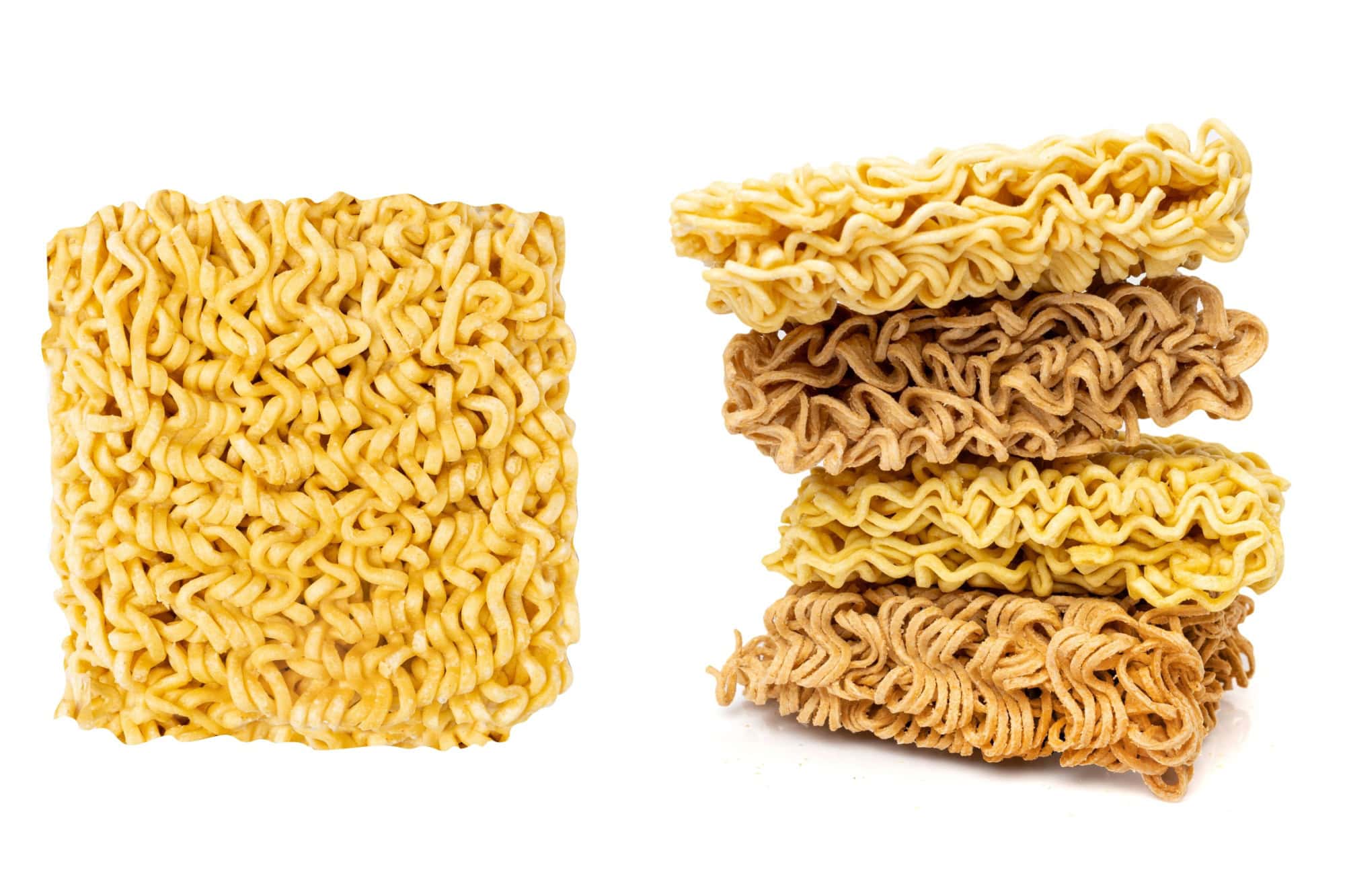
Without the commissary, there wouldn’t be any spreads, as people usually get one chance a week to buy the food they need. They can then mix these purchases with whatever they’re able to save from chow trays.
As such, the canteen runs become the supply chain & hot water turns those ingredients into a meal, or at least, something resembling one.
Spreads are also one of the reasons why ramen is so important behind bars. In many prisons, these noodles have taken the place of cigarettes as a form of currency since they’re easy to measure & store well. Everybody wants them, too. That means that, in the prison economy, a single pack of ramen works like a dollar bill that inmates swap for services or other food.
Value Of Stocking Up

The value of spreads changes, depending on what’s happening inside. When the kitchen cuts corners or meals shrink, commissary food becomes even more important & this makes ingredients more expensive in trade.
Anyone who loses commissary privileges for breaking rules is cut out of the whole system since they have no access to the commissary. This also means they have no bargaining power.
Some inmates keep extra noodles or snacks on hand, becoming like small-time shopkeepers. They’ll sell or loan food to others. In return, they build up favors or credit that they can later use when they need to.
Yes, spreads help to fill inmates’ stomachs. But they also keep the prison economy moving & give people a way to connect. They’re able to hold onto a little bit of control, one ramen noodle at a time.
Sources: Please see here for a complete listing of all sources that were consulted in the preparation of this article.
Like our content? Be sure to follow us.