

During the 1990s, we saw or watched a bunch of different commercials that were utterly unforgettable. However, times have definitely changed—and many of those ads just wouldn’t cut it now. Here are thirteen iconic ads from the 90s that we’d never see on our screens in this day & age. If they aired now, many of those ads would be pulled off the air quite soon after. But even the chance of them airing is rather slim!
Featured Image Credit: massonforstock/Depositphotos.com.
Benetton’s Shock Value Campaigns

Benetton became famous for ads that really grabbed your attention by dealing with tough social issues head-on. One of their ‘90s ad campaigns featured a dying AIDS patient surrounded by his family. While the company’s heart was in the right place, you’d never get something like that today. Most people would say they’re too graphic and upsetting.
Just For Feet’s Problematic Super Bowl Commercial

During the 1999 Super Bowl, Just For Feet had a commercial featuring a group of white men driving through the African savannah. They found a barefoot Kenyan runner & gave him water laced with a drug that made him pass out. Later, they forced a pair of sneakers onto his feet. Today, such a commercial would face widespread condemnation for its racist imagery—not to mention, the way it makes light of drugging people. It just wouldn’t be allowed.
Like our content? Be sure to follow us.
Budweiser’s Frogs Commercial
In 1995, Budweiser came out with a series of commercials featuring three frogs named “Bud,” “Weis,” and “Er.” The frogs would croak their names in sequence & people soon fell in love with the frogs. But today, critics would argue that using animated animals makes beer ads too appealing to children. Naturally, alcohol advertisers are supposed to avoid content that might attract underage viewers.
Joe Camel’s Cool Character

In the ’70s, Camel Cigarettes introduced Joe Camel, a slick-looking cartoon camel who always looked slick and confident. During the ‘90s, you’d still see him in magazines, on billboards—even on T-shirts and baseball caps! He made smoking seem like the coolest thing ever. However, parents & health advocates were outraged because they thought the advert encouraged young people to smoke. Camel later chose to remove the character from all branding & a campaign like Joe Camel’s would never get off the ground today.
Calvin Klein’s Controversial Campaign

If you were alive in the ’90s, then you probably remember Calvin Klein’s campaigns featuring young models wearing minimal clothing & posing provocatively. They shot the ads to look like grainy home videos and that only made them come across as even more uncomfortable. Nowadays, a campaign like that would face a lot of criticism. In fact, people would say Calvin Klein pushed boundaries too far. Maybe that’s what they wanted.
Taco Bell’s Chihuahua Campaign

It was during the ‘90s that Taco Bell introduced us to the Taco Bell Chihuahua, a tiny dog who became famous for saying, “¡Yo quiero Taco Bell!” The commercials were everywhere & people loved the dog’s catchphrase! However, today, critics would argue that the ads relied on stereotypes of Mexican culture. We’re far more culturally sensitive. As such, it would be disrespectful to oversimplify a rich culture to a dog with a one-liner.
Outpost.com’s Gerbil Cannon

Outpost.com had a commercial in the ’90s that included gerbils shot out of a cannon toward a target. It was all in the name of getting our attention! Even though it was just special effects & no animals were actually harmed, people today would think it makes light of animal cruelty. PETA, for one, would be rather unhappy and it’s unlikely the ad would ever air.
Pepsi’s ‘Number Fever’ Mishap

In 1992, Pepsi launched a promotional campaign in the Philippines called “Number Fever.” The idea was simple—collect bottle caps with winning numbers to win cash prizes. But the company printed the winning number on 800,000 bottle caps so thousands of people thought they’d hit the jackpot. Pepsi announced it couldn’t pay all the winners, leading to protests and even violence. No company would dare risk this happening today.
Nintendo’s Game Boy ‘Play It Loud’ Campaign

To advertise the then-new Game Boy, Nintendo created the “Play It Loud” campaign that featured loud rock music, edgy graphics & rebellious spirit. Commercials showcased teens smashing objects and breaking the rules. Yet today, ads that seem to encourage destructive behavior in young people wouldn’t work. Brands are more cautious about promoting violent content.
Sega’s Suggestive “The More You Play With It” Ads

Speaking of consoles, Sega advertised their Genesis console with the tagline, “The more you play with it, the harder it gets.” The ads were filled with cheeky innuendos—and it certainly got people talking! But such suggestive language aimed at a young audience wouldn’t be acceptable these days. Sega would have to tone down the campaign significantly—or scrapped it altogether.
Aunt Jemima’s Racial Stereotyping
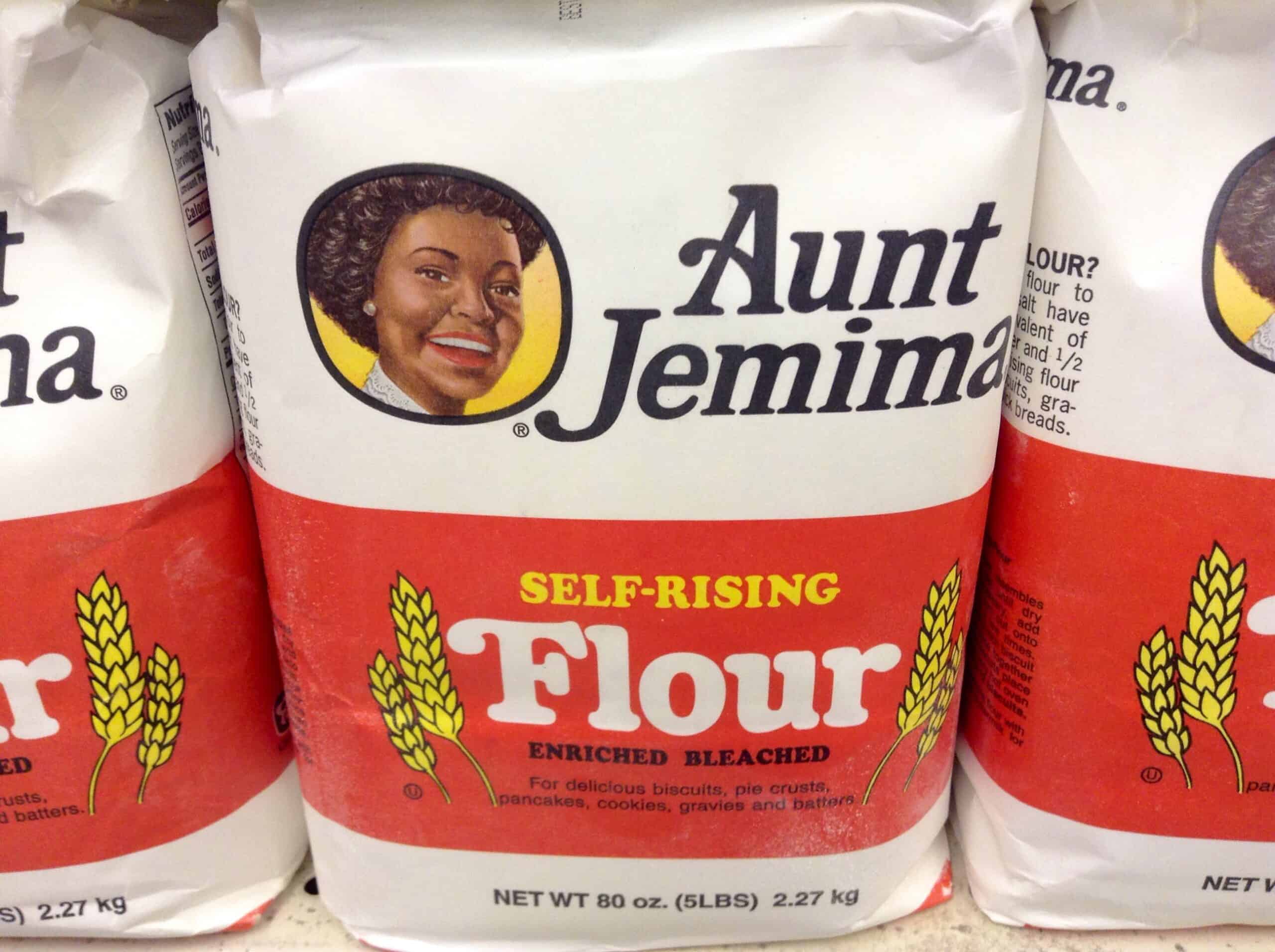
For a long time, Aunt Jemima adverts used the familiar image of Aunt Jemima—the ‘90s were no different. The branding featured her smiling face on pancake mixes & syrups. Many people didn’t question it at the time. However, the company has since removed the character because people claimed it encouraged racial stereotypes and a ‘90s Aunt Jemima ad wouldn’t be acceptable today.
Nike’s ‘I Am Not a Role Model’ with Charles Barkley

In 1993, Nike had a commercial featuring NBA superstar Charles Barkley saying, “I am not a role model.” But nowadays, people would tear the company to shreds over whether athletes & celebrities should be examples for kids to follow. Instead, companies are more cautious about making statements that could be interpreted as avoiding social responsibility. An ad like Barkley’s might be too controversial.
Pepsi’s “Cindy Crawford” Ad Objectifying Women

Pepsi had a commercial in the ‘90s featuring supermodel Cindy Crawford, who pulls up to a dusty gas station in a red sports car, gets out & heads to a vending machine to buy a Pepsi. Two young boys nearby watch her in slow motion, with the ad focusing on her looks more than the soda. While the ad became iconic, it wouldn’t fly today because people would criticize it for objectifying women.
Disclaimer: This list is solely the author’s opinion based on research and publicly available information.
Like our content? Be sure to follow us.
Read More: