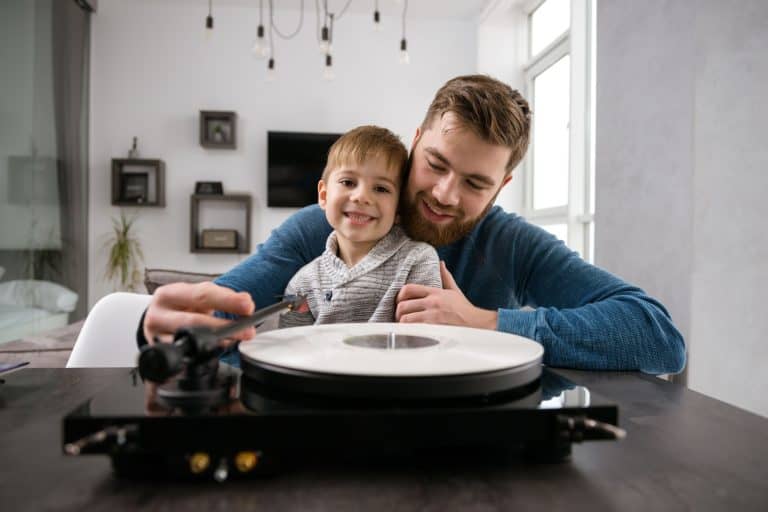

Back in the 1950s & 60s, the record player wasn’t just furniture. Most homes had one sitting proudly in the living room that families would gather around.
Really, it was more than music, but something people did together, and while the idea of sitting down as a family to actually listen to music feels strange now, back then, it was normal. Let’s find out more.
Featured Image Credit: Shutterstock.
Key takeaways
Here’s what you’ll learn:
- When LPs arrived & why that mattered for family time
- The most popular artists
- TV’s arrival & what it did to those evenings
- The shift toward private listening
- Vinyl records today
The LP arrives

Before 1948, records were shorter & had one or two songs per side. That changed when Columbia rolled out the LP. Now, each side could hold around 20+ minutes of music, so people could actually sit for a while without flipping anything.
The rise of this new format made it easy to listen to a whole show tune album or a classical piece straight through. Since you didn’t have to hover over the machine, families could settle in with dinner parties or on Sunday afternoons. Even on lazy evenings, LPs fit right in.
How people used LPs at home

Many homes had one player & it was in the shared space. A lot of families had rituals, like Saturday nights for dancing or Sunday mornings for quiet music. They might even have saved weeknights for background noise during chores.
Plus, LPs came with physical sleeves & liner notes that people could pass around. They’d read the song lists, maybe argue about the cover art, because the record player was for more than sound. It gave everyone something to do together.
Artists who kicked the doors open early

Many performers pushed LP sales from the get-go. Sinatra’s mid-50s Capitol albums showed what could happen when a record felt like a full story instead of a few singles. In 1956, Elvis’s music brought teenagers into record stores & they didn’t stop at 45s.
Then the Beatles showed up in 1964. The floodgates opened. Their albums flew off shelves, and many families bought players just to keep up. These massive waves of sales effectively changed people’s buying habits almost overnight.
Top records families actually bought and played

Broadway cast recordings dominated sales charts early on, especially South Pacific.
That one held the number one album spot for more than a year, so it sat on a lot of living room turntables for a long stretch. My Fair Lady pulled off something similar a few years later. It stuck around the charts way longer than its Broadway run.
Stereo records reach consumers

Stereo albums appeared in 1957 and became more widely available by 1958. By then, record players were already in so many homes that the change felt natural. People were excited to show off how realistic it sounded.
Television spreads through U.S. households

Then TV showed up. And fast.
In 1950, only about 1 in 10 U.S. homes had one, but by the mid-50s, most did, and by the mid-60s, it was nearly universal. This changed how evenings worked. Rather than everyone sitting around listening, they were now watching, and living rooms were rearranged to face the screen.
Of course, the record player didn’t immediately disappear, but it had to share attention. A lot of families ended up with both, such as a TV on one wall & a stereo on another. Soon enough, families stopped gathering to listen and began gathering to watch.
Portable, private listening with the Walkman

Jump to the late 70s. Sony released the Walkman & suddenly people didn’t have to wait their turn in the living room anymore. You could clip it to your belt or pop on some headphones, and then tune out the rest of the house.
For teenagers, this was great. They could listen to their favorite tapes without anyone rolling their eyes. For parents, it meant the living room wasn’t the only place music lived anymore. The idea of family listening time started to fade as music became something you carried around.
The comeback in hard numbers

However, vinyl isn’t exactly stuck in the past. In the U.S., vinyl albums outsold CDs in unit terms for the third straight year in 2024, with roughly mid-forty-million vinyl units versus low-thirty-million CDs. Vinyl sales make up most of the money from physical music formats.
Regular new releases make up a big chunk of those sales. Year after year, the numbers keep edging higher, showing steady growth instead of a quick fad.
Why record stores matter right now
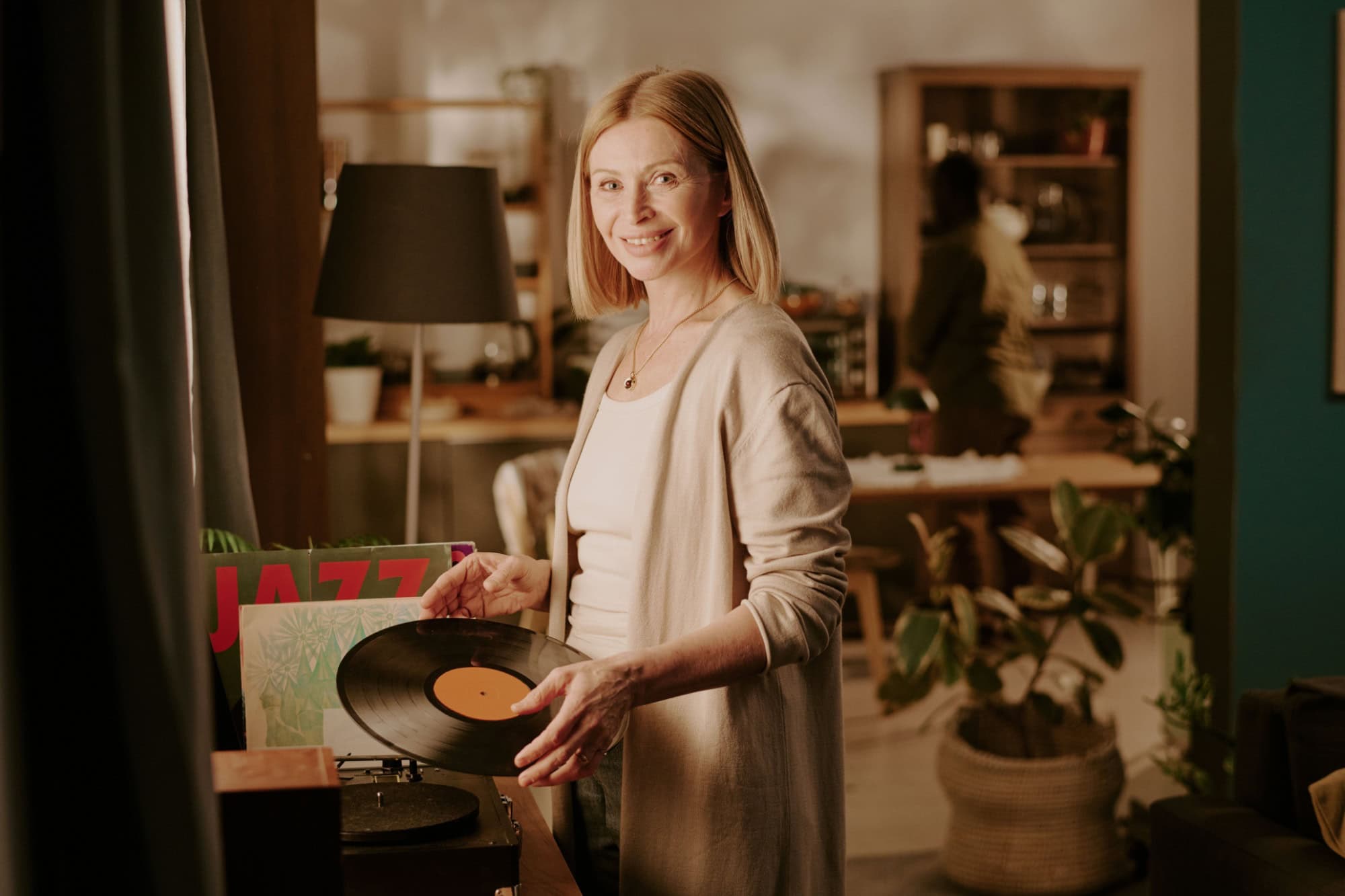
A lot of this resurgence is happening through small shops, as independent record stores keep vinyl visible in everyday life. They run release-day events & stock special editions.
Record Store Day added more fuel starting in 2008, giving shops a yearly traffic increase with limited runs that collectors line up for.
Even after a few rough years, those events brought crowds back through different kinds of programs. They run release-day events & stock special editions. They also answer all the turntable questions when people are just starting out.
Vinyl may not be part of the living room as it once was. But clearly, it still has its place in the world & it’s unlikely to disappear anytime soon.
Sources: Please see here for a complete listing of all sources that were consulted in the preparation of this article.
Like our content? Be sure to follow us.

