

Hollywood’s spent over a century reinventing itself, and a lot of those transformations have to do with the women who pushed the boundaries more than once.
Mary Pickford
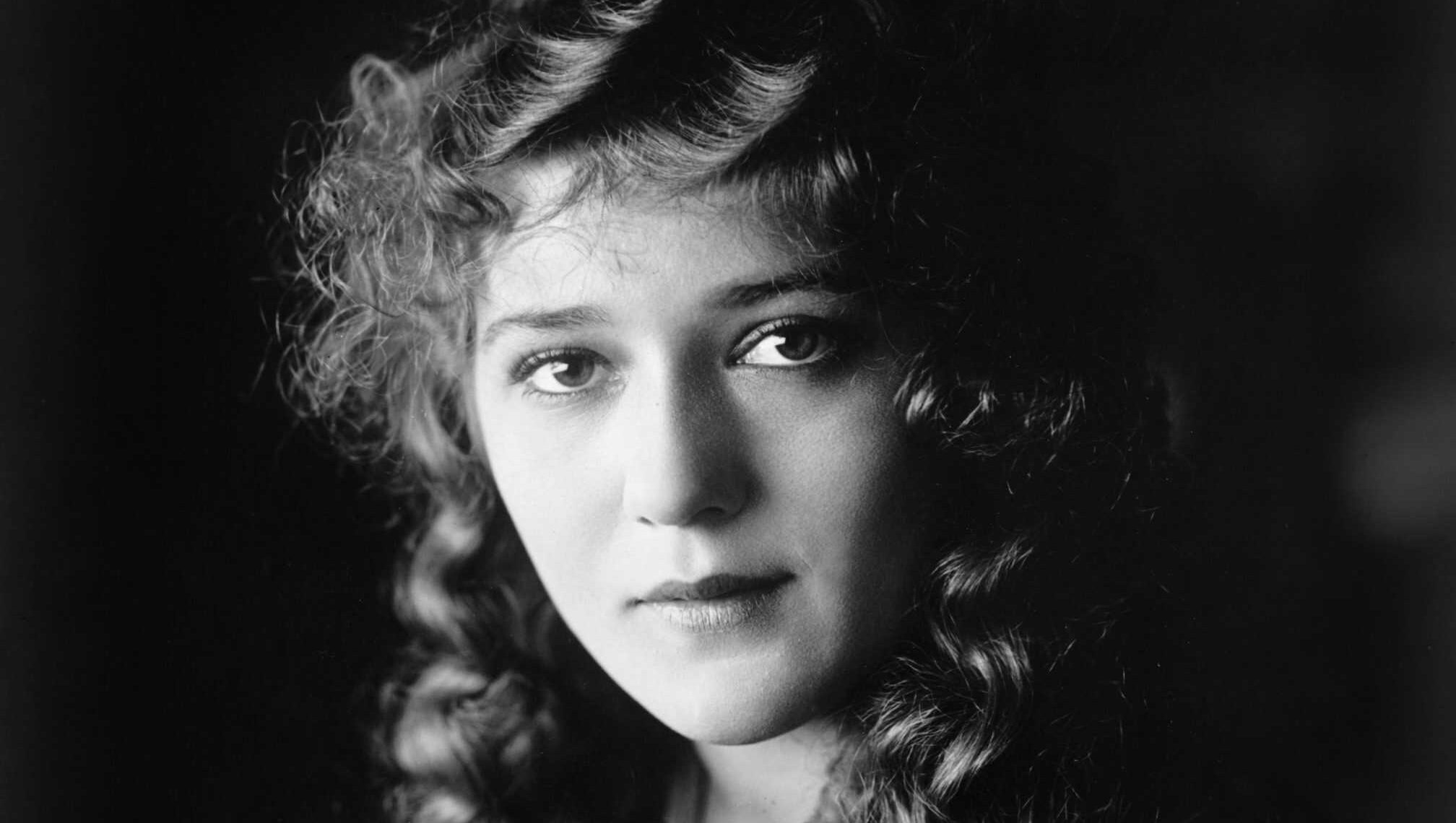
You’d think being a star on a film poster would be enough, but no, not for Mary Pickford. She teamed up with Charlie Chaplin, Douglas Fairbanks, and D.W. Griffith in 1919 to create United Artists. Major filmmakers now had another way to distribute their own work.
That wasn’t all, however, because in 1927, Pickford became one of the 36 founders of the Academy of Motion Picture Arts and Sciences. Yes, that Academy, the one that gives out awards. It turns out that America’s Sweetheart was doing business behind the scenes, too.
Lucille Ball
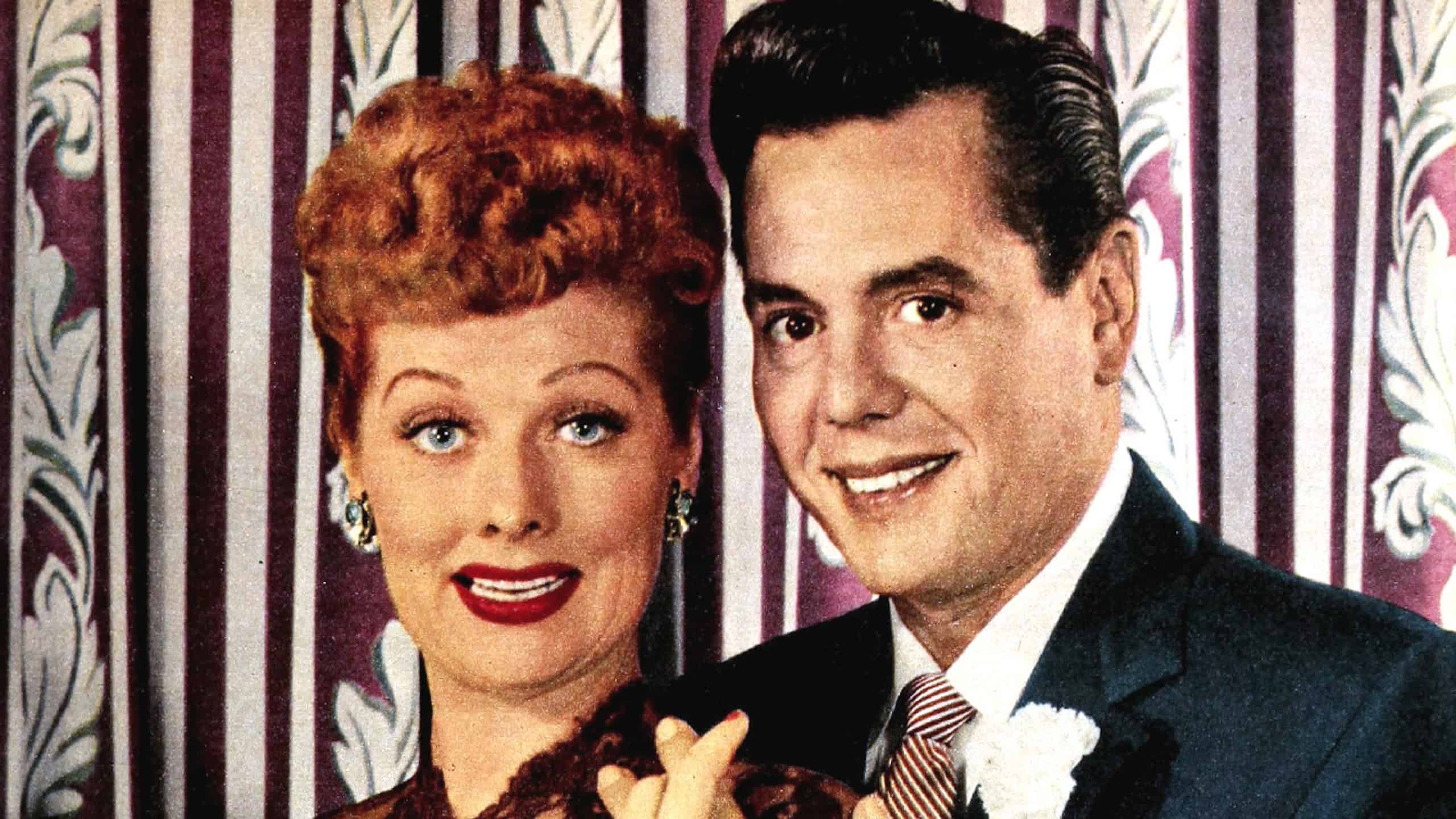
Most people know Lucille Ball for I Love Lucy, and sure, it was a big show. But she also did a lot more than that. She bought Desi Arnaz’s share of Desilu Productions in 1962 and became the first woman to run a major television production studio.
Desilu produced some pretty iconic Hollywood series, including Mission: Impossible, and also helped get Star Trek onto television. Yes, that Star Trek. Ball might’ve been famous for getting into ridiculous situations on camera, but she was also laying the groundwork for major productions.
Katharine Hepburn
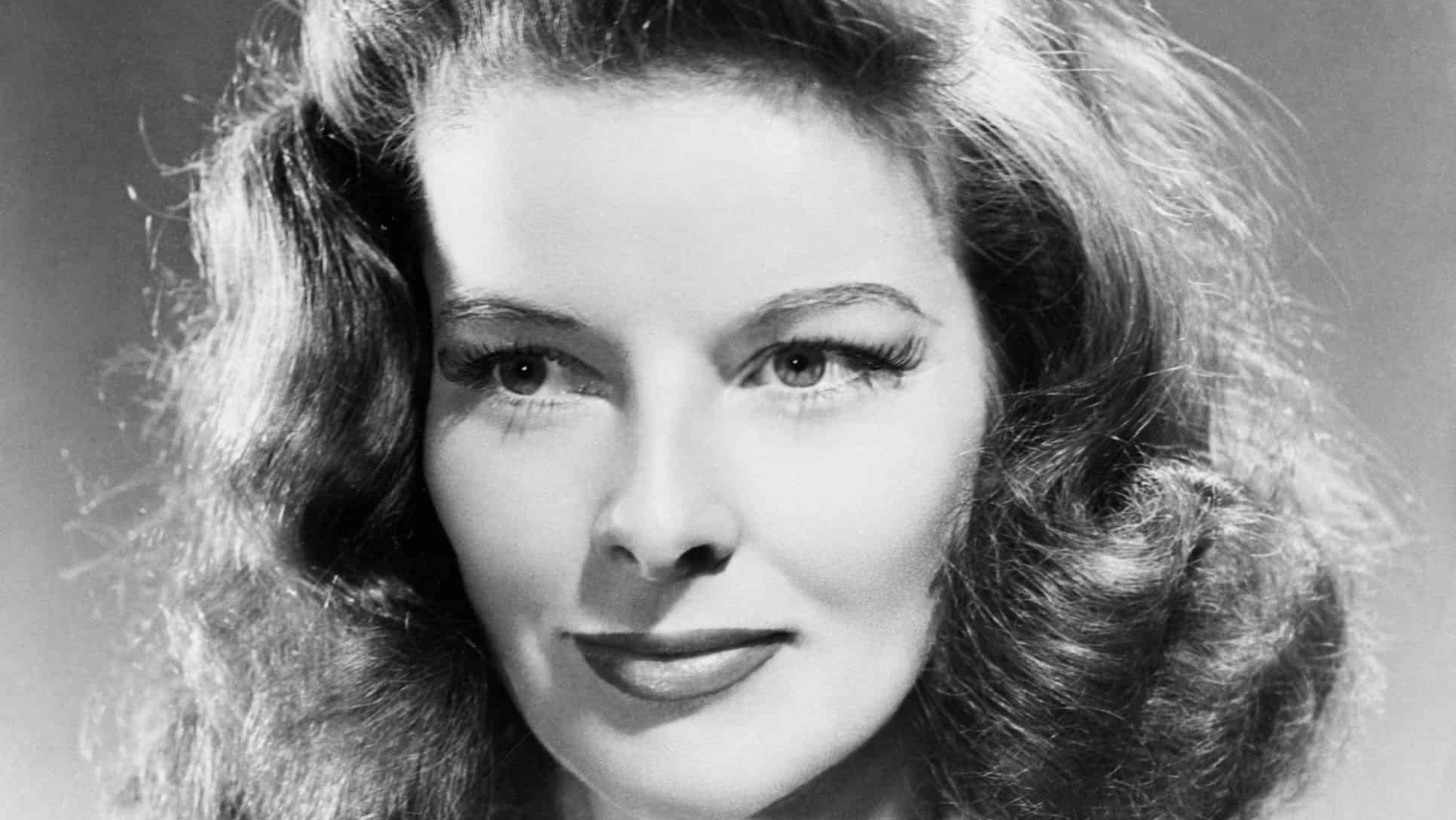
Nobody’s ever been able to beat Katharine Hepburn’s number of Oscars, and for good reason. She has four. She won these for Morning Glory, Guess Who’s Coming to Dinner, The Lion in the Winter, and On Golden Pond. That’s not all, she also picked up 12 acting nominations overall.
But that wasn’t enough to make Hepburn turn up on the red carpet. She skipped the ceremonies for years, and really, that makes the record a little funnier. She kept racking up those awards without bothering to actually collect any of them in person. What a woman.
Bette Davis
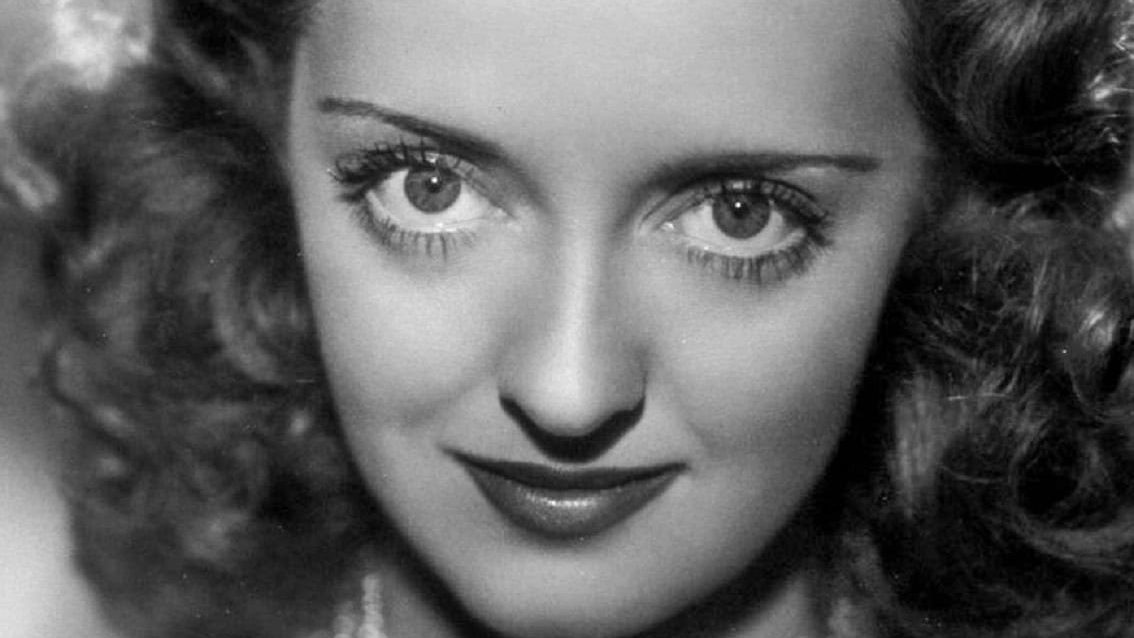
Bette Davis was the kind of person who wouldn’t just accept anything that she was given. No, Warner Bros. kept giving her roles that she disliked, so she left for Britain in the 1930s and tried to work elsewhere. They sued her for breaking her contract. She lost.
But Davis didn’t let that stop her, no way. She kept pushing for meatier parts and soon appeared in movies like Jezebel and Dark Victory. Davis helped show Hollywood that, actually, female stars didn’t need to keep playing sweet and agreeable women all the time. They could step out of that box.
Hattie McDaniel
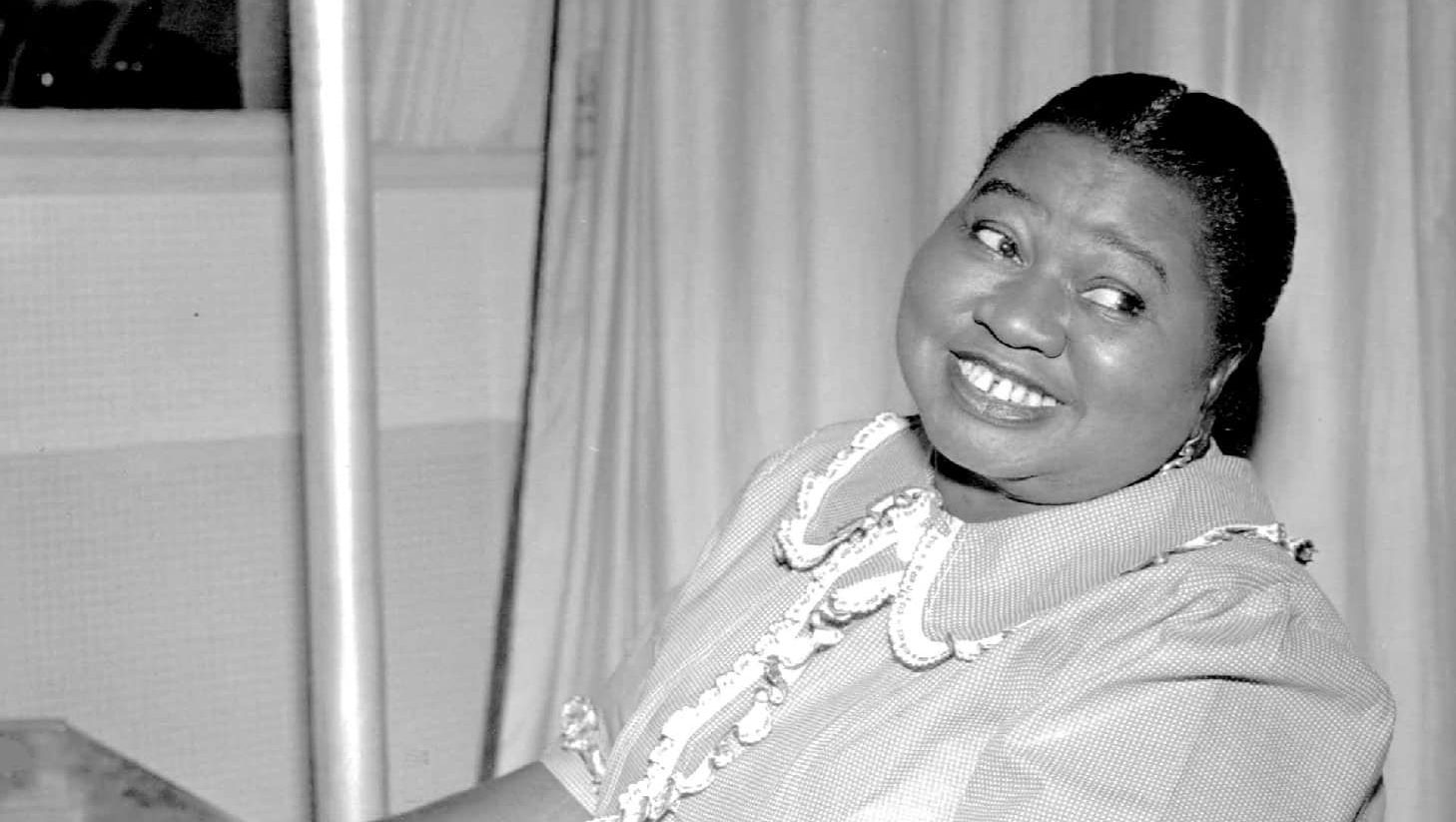
Hattie McDaniel won Best Supporting Actress for Gone with the Wind in 1940, and it was a groundbreaking moment. That was the first time a Black person had ever won a competitive Academy Award. It’s not like she could accept the award like everyone else, however.
The ceremony took place at the Cocoanut Grove in Los Angeles, and the venue was segregated. That meant McDaniel and her guest were forced to sit separately from most of the film’s other attendees. She broke barriers but wasn’t allowed to celebrate properly. How unfair.
Marilyn Monroe
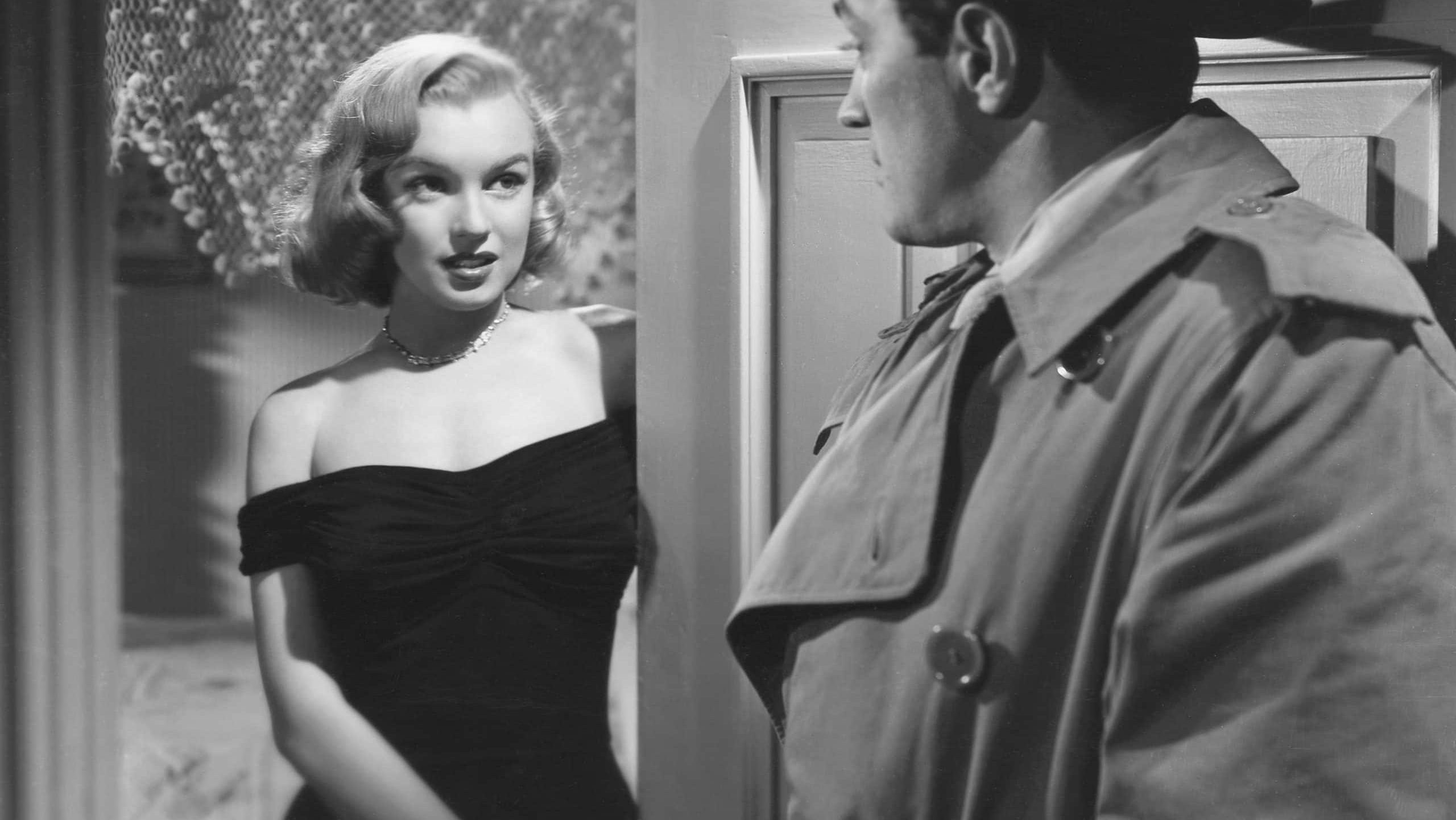
Let’s face it, there wouldn’t really be Hollywood without Marilyn Monroe. She started growing tired of being told what parts to play and how much she was worth, so she formed Marilyn Monroe Productions in 1954. It was a smart move.
Monroe was now able to renegotiate her deal with 20th Century-Fox to earn better pay and more say over her work. It’s kind of a contradiction, really. Hollywood marketed Monroe as an image, but Monroe herself fought for more control over the machinery and became an example for female stars everywhere.
Elizabeth Taylor
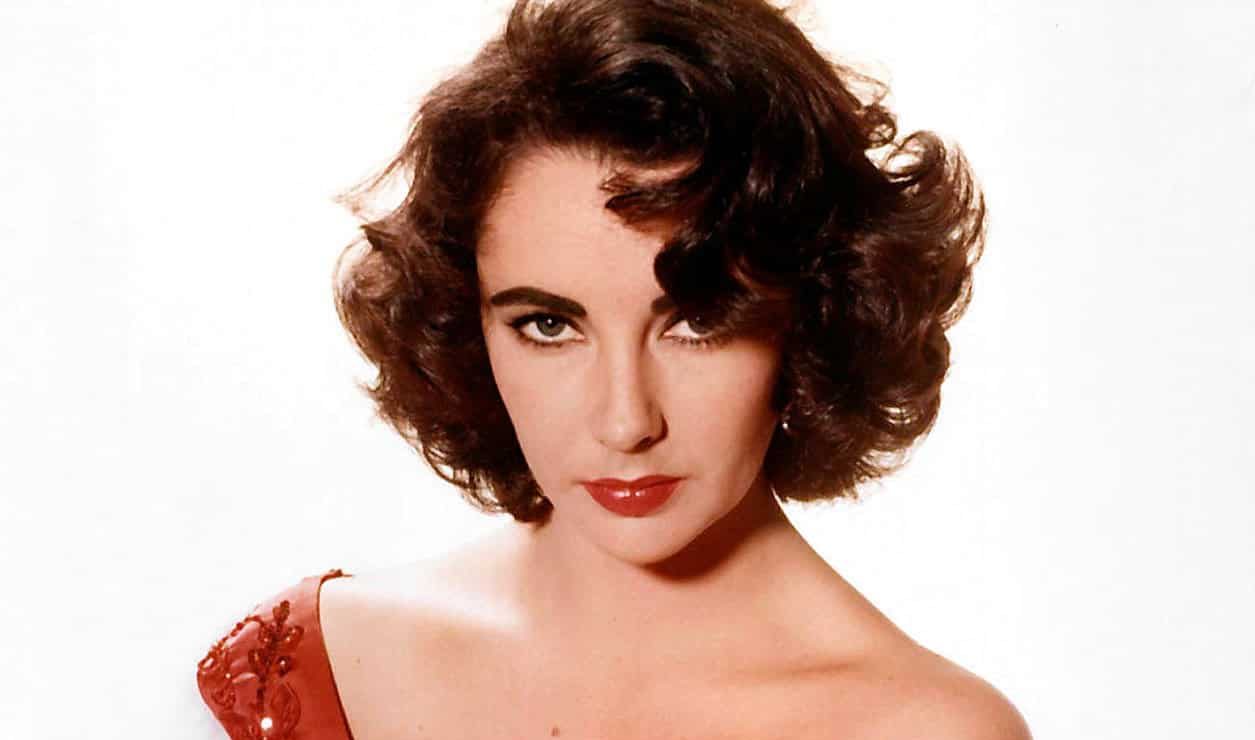
Elizabeth Taylor had a big request. She asked for $1 million to make Cleopatra, and surprisingly, she got it. It was an enormous amount of money for a performer back then, and it’s around $10 million today. She became the first actress to cross that figure for a single movie.
That wasn’t her final salary, though, because additional payments built into her deal made her salary go up. She was someone who knew her worth and wasn’t afraid to fight for it. Quite a big change from someone who’d started in Hollywood as a child actor under MGM’s old studio system.
Shirley Temple
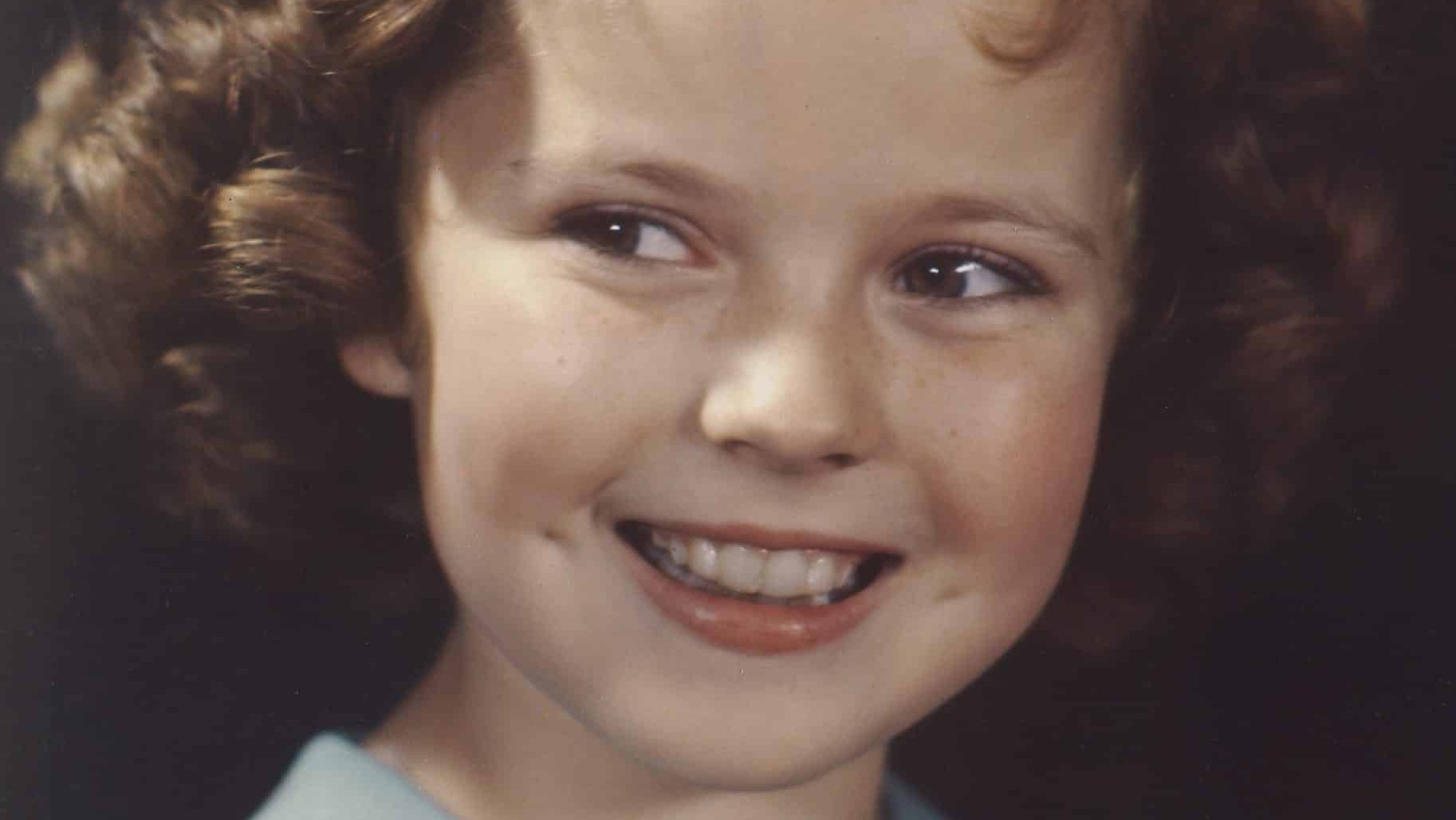
We tend to think of Shirley Temple today as the little girl with curls who sang and danced through old black-and-white movies. But she was a lot more than that. Yes, she was America’s top box-office attraction, despite being a child, from 1934 through 1938.
Many studios knew her name on the marquee was enough to get people into the movie theaters. She was an elementary-school-aged girl, yet also one of the safest financial bets in Hollywood. It’s a weird industry.
Rita Moreno
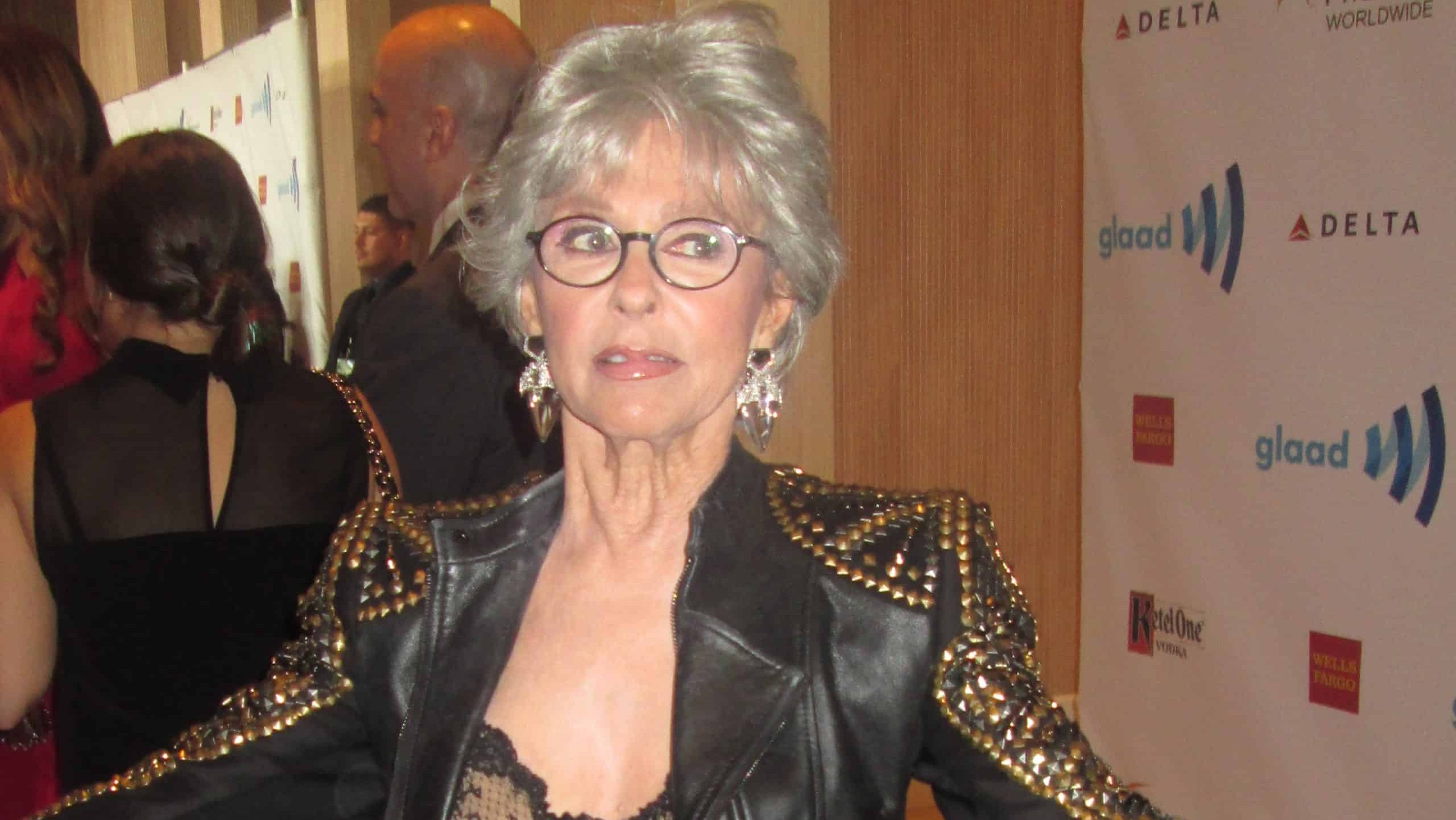
Rita Moreno is the perfect example of never giving up. She’d spent years working in Hollywood before West Side Story gave her the role of Anita, a role that changed her career. She won Best Supporting Actress in 1962 and became the first Latina performer to win an acting Academy Award.
The film itself didn’t do too badly, either, it won 10 Oscars that night. That wasn’t all for Moreno. She later became an EGOT by collecting an Emmy, Grammy, and Tony, too. She has a career that stretches across movies and stage work, along with television. Can you say, ‘unstoppable?’
Meryl Streep
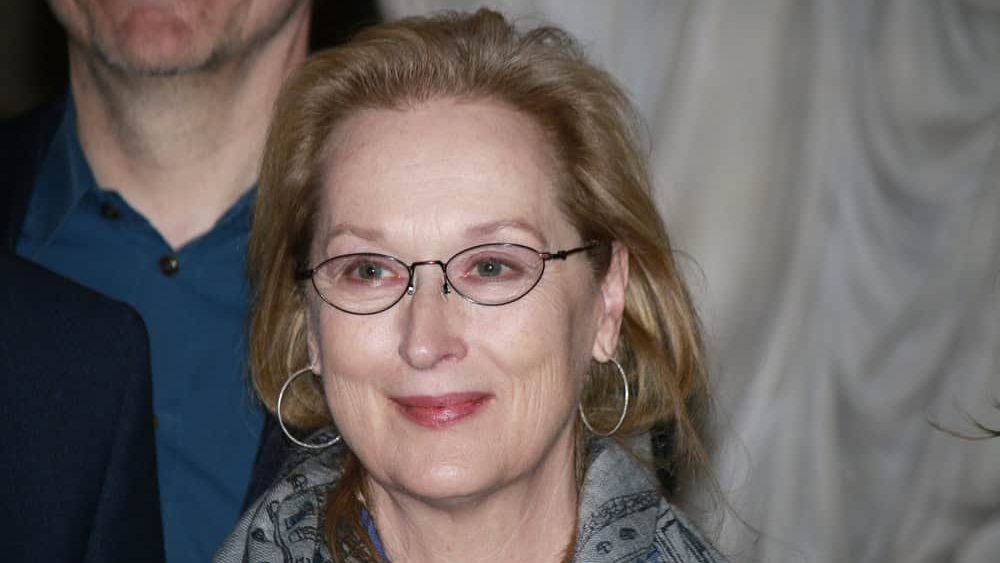
It shouldn’t come as a surprise that Meryl Streep has been nominated for an Oscar 21 times for acting. She deserves every single one of them, and more. She was first nominated for The Deer Hunter and received wins for Kramer vs. Kramer, as well as Sophie’s Choice.
Streep can do everything, whether it’s heavy dramas or comedies and musicals. She played Margaret Thatcher. She sang ABBA. She terrified people as Miranda Priestly. There’s a reason Hollywood keeps nominating her and, well, it’s because she’s that good.
Barbara Streisand
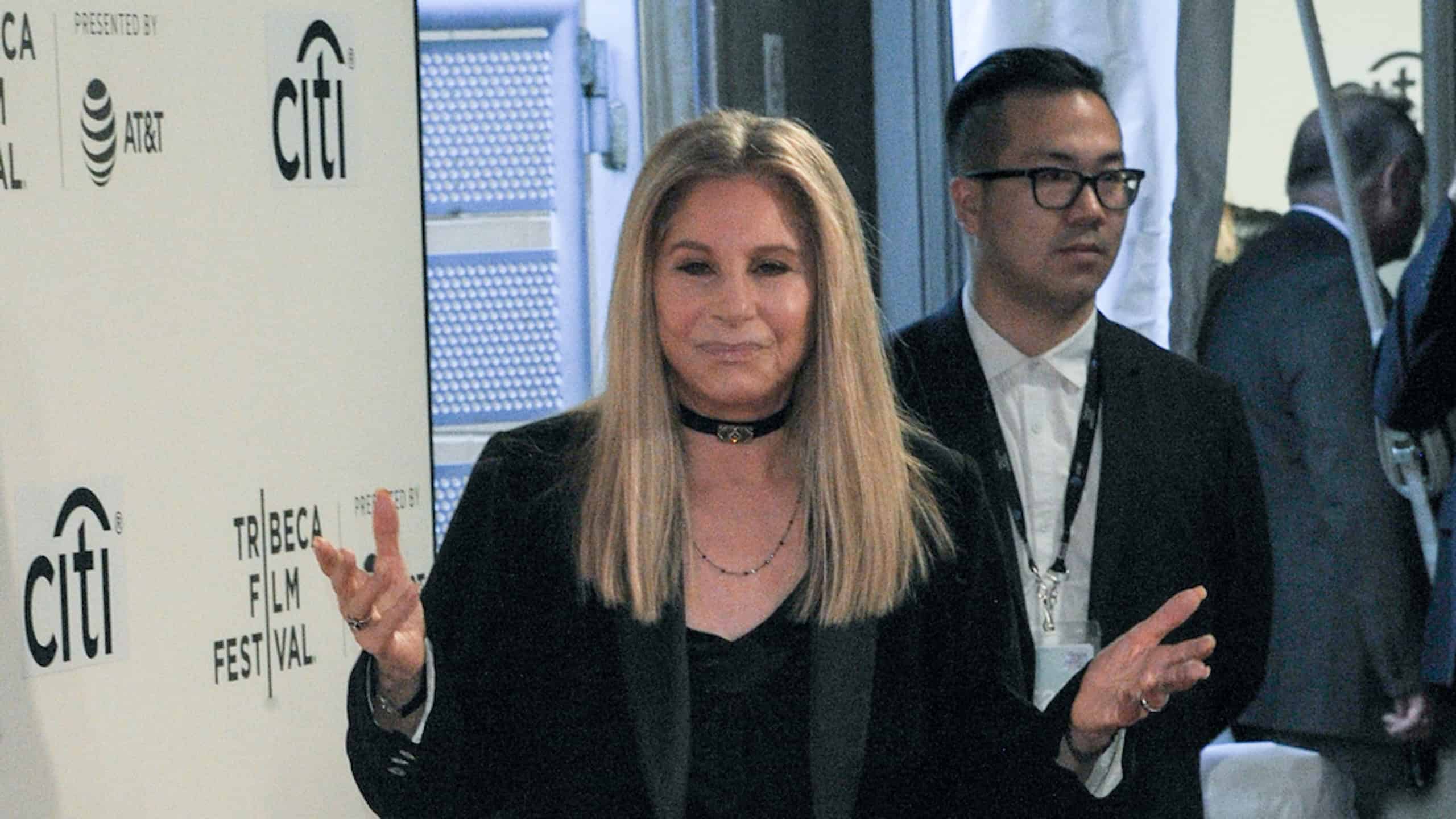
Barbara Streisand sure didn’t make life easy for herself with Yentl. She starred in it, directed it, produced it, and helped write it, after all, and it ended up being a success. She actually became the first woman in Hollywood history to take all four of those major jobs on a studio film.
Streisand won Best Actress for Funny Girl and later became the first female composer to win the Oscar for Best Original Song, thanks to ‘Evergreen.’ She’s only ever directed three feature films. Still, those movies scored 14 Oscar nominations between them.
Jane Fonda
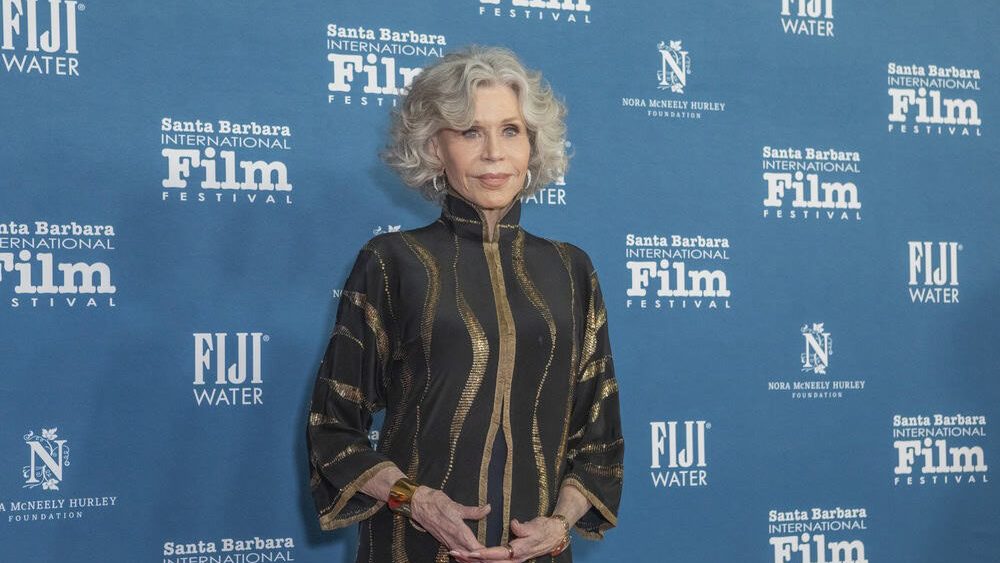
Jane Fonda managed to get the movie Coming Home made while also starring in it. It was the first production from her company, IPC Films, and the film ended up receiving eight Oscar nominations. It won three of them.
She proved that women didn’t have to simply wait around for interesting scripts to arrive. They could help create the projects themselves and get them made. It was a pretty important example, in all honesty.
Alice Guy-Blaché
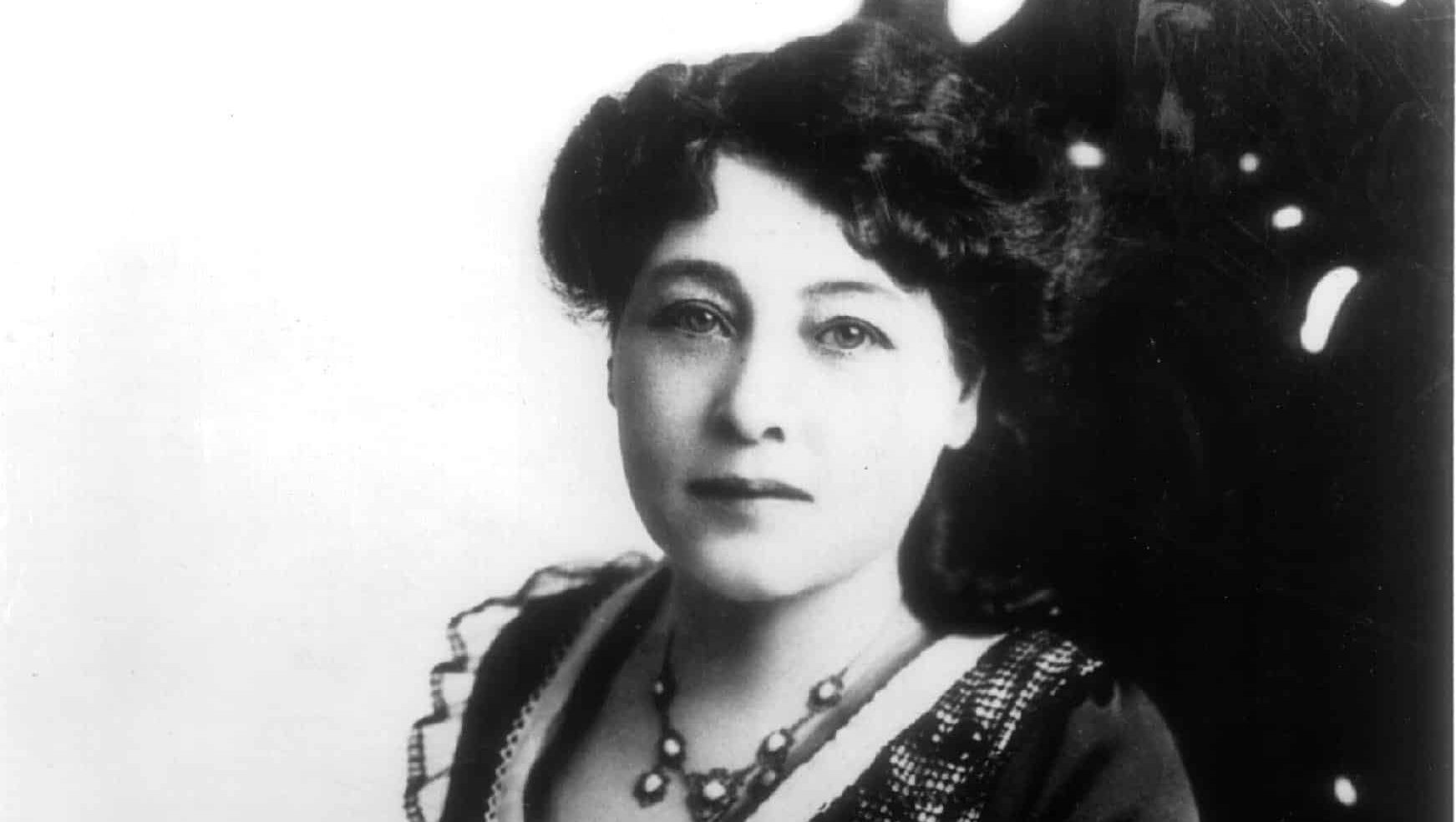
Alice Guy-Blaché got into movies early. So early, in fact, that Hollywood wasn’t even the center of the film world yet, and she began by directing in France in the 1890s. She later moved to the U.S., where she started the film studio Solax in 1910.
It was based in a place a million miles away from Hollywood, aka Fort Lee, New Jersey. Guy-Blaché worked on more than 700 films and did all sorts of genres, including comedy and western, along with early sound experiments. She tried things out while Hollywood was still making up the rules.
Frances Marion
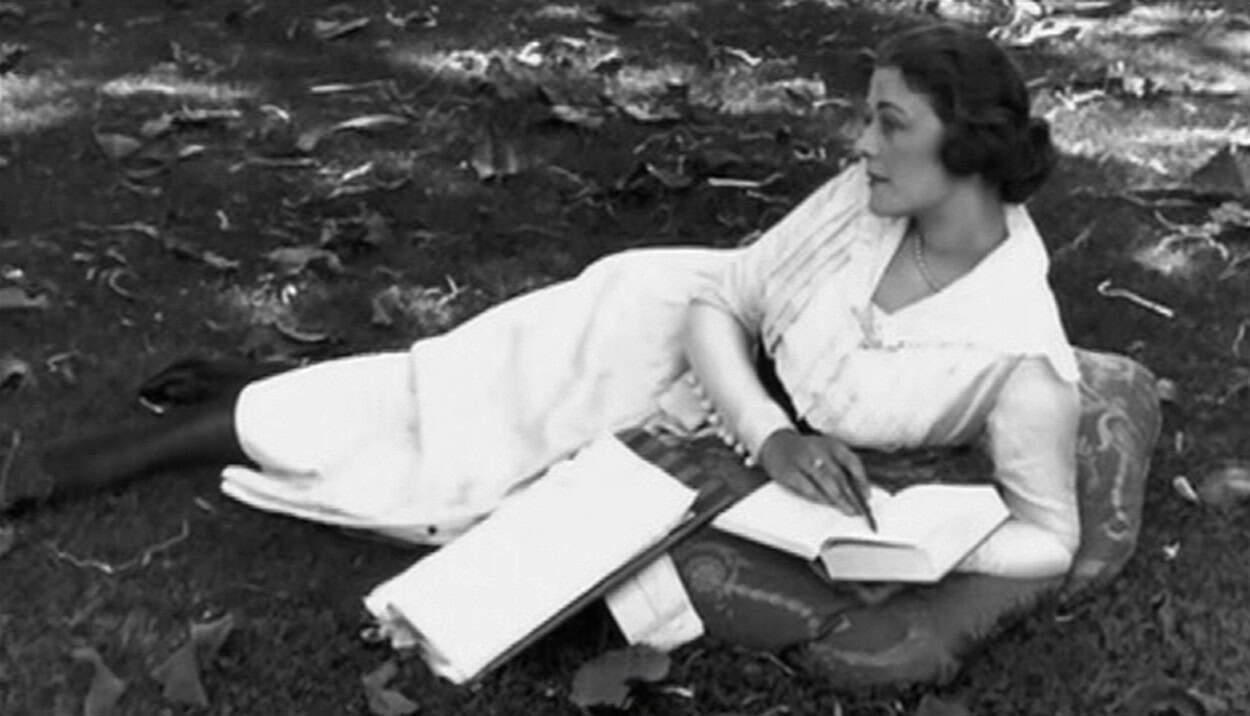
Not every woman who changed Hollywood was on the screen. Take Frances Marion, for example, she became one of Hollywood’s biggest names as a writer. She won an Oscar for her work on The Big House, and then got another for writing the story of The Champ.
She became the first screenwriter to win two Academy Awards as a result. Marion didn’t stop there either, as she also wrote for Mary Pickford and became one of MGM’s top writers. She managed to craft incredible stories during a time when silent movies were giving way to talkies, and careers disappeared overnight.
Kathryn Bigelow
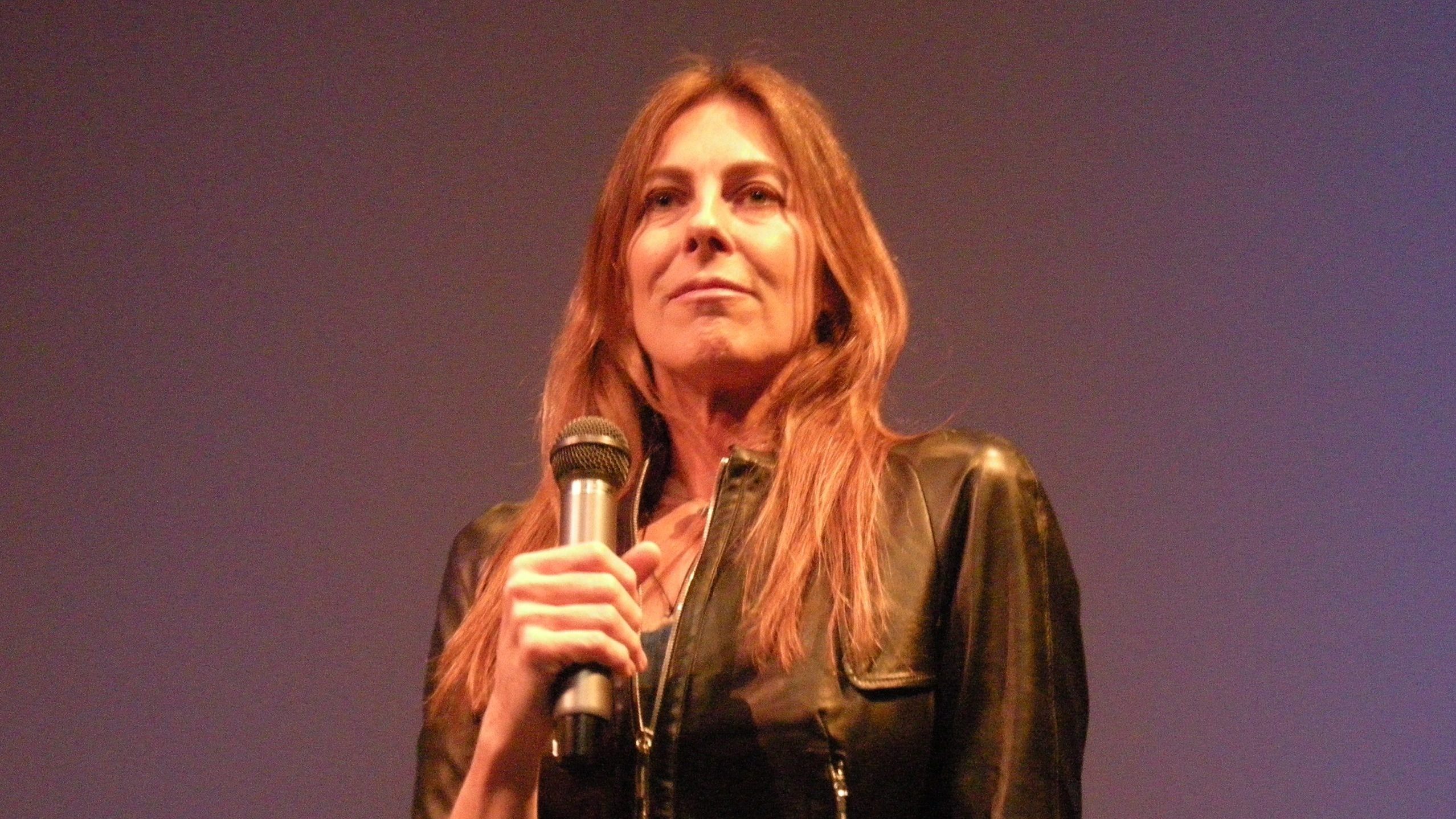
You might not think there are still many firsts left for women in Hollywood, but you’d be wrong. Kathryn Bigelow won Best Director in 2010 and became the first woman to do so. Yes, really. She received her award for The Hurt Locker. The movie also took Best Picture and four other awards that night.
It’s not like she was a newbie to tough, action-heavy movies either, as her earlier work included Near Dark and Point Break. Bigelow had been making those kinds of films for years. The difference was that the Academy took quite a while to catch up.
Sources: Please see here for a complete listing of all sources that were consulted in the preparation of this article.
The 15 most hated actors in Hollywood history
Some actors receive hate after criminal cases, some receive it after the things they’ve said, and as for others, it’s because they took on a role that went very badly.


