

For every historical hero that gets a statue or movie made about them, there are dozens of others who never got the praise that they truly deserve.
Witold Pilecki
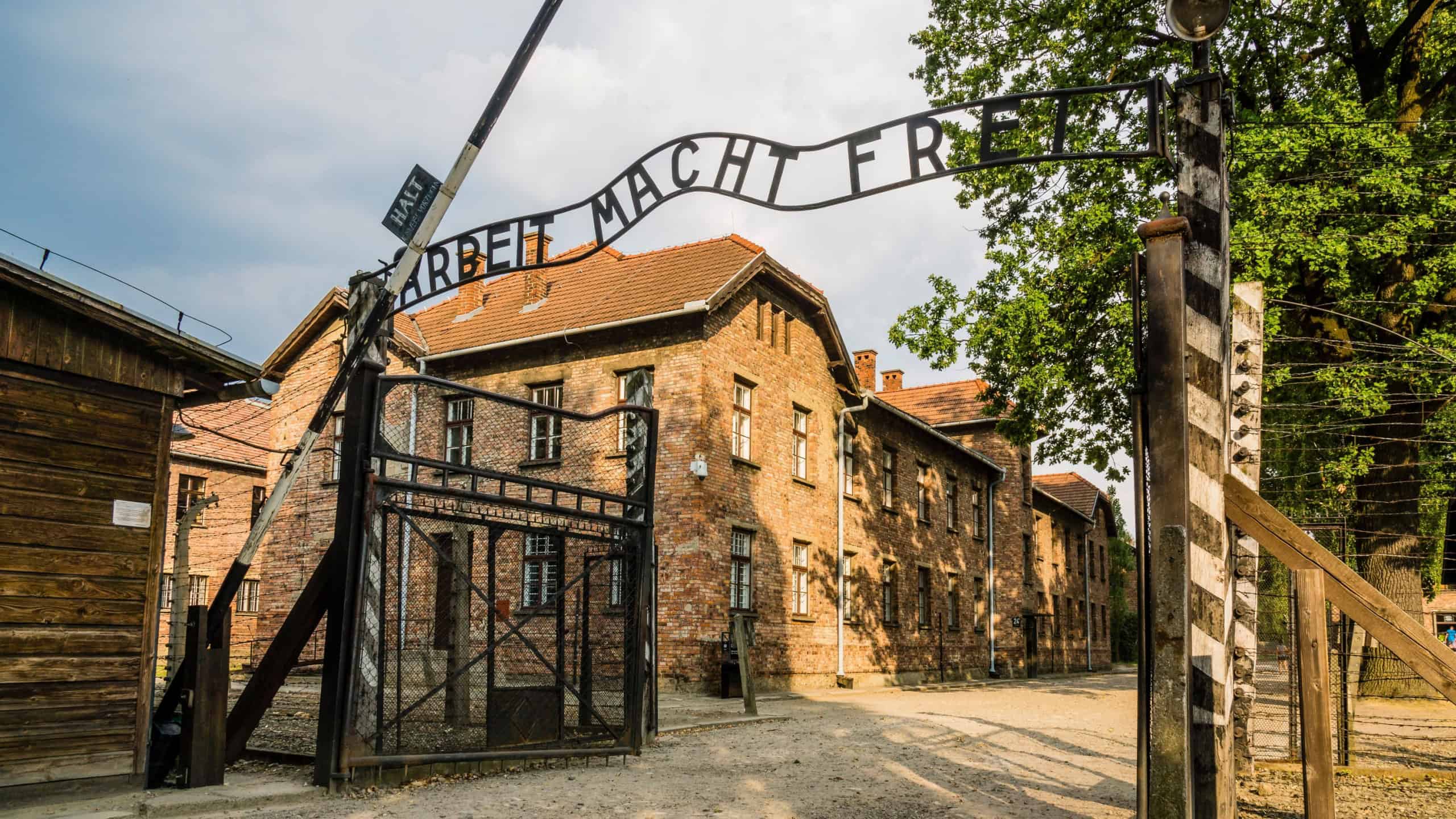
Most people under Nazi rule tried their hardest not to get sent to Auschwitz. Witold Pilecki did the opposite. Yes, he actually let German forces arrest him under a false name in September 1940 because he wanted to enter the camp and build a resistance network on the inside.
He also wanted to send reports about what was happening inside. Pilecki ended up staying in the camp for nearly three years before escaping in April 1943. But he didn’t get the credit he deserved. Poland’s post-war communist government arrested and tortured Pilecki. It then executed him in 1948 and tried to discourage people from even talking about him.
Rosalie Barrow Edge

Rosalie Barrow Edge was a woman who was tired of conservation groups. Not because she thought they were bad or anything, but because she felt these groups kept ignoring birds that didn’t look beautiful. Hawks and eagles were some of those. They were being shot in large numbers.
That’s why, in 1934, she leased land at Hawk Mountain in Pennsylvania and stopped the killing there. She eventually bought the place. It became the world’s first sanctuary created specifically for birds of prey, and later on, it was a major site for counting migrating raptors. Edge argued and complained for the rights of birds. She never gave up.
Benjamin Lay
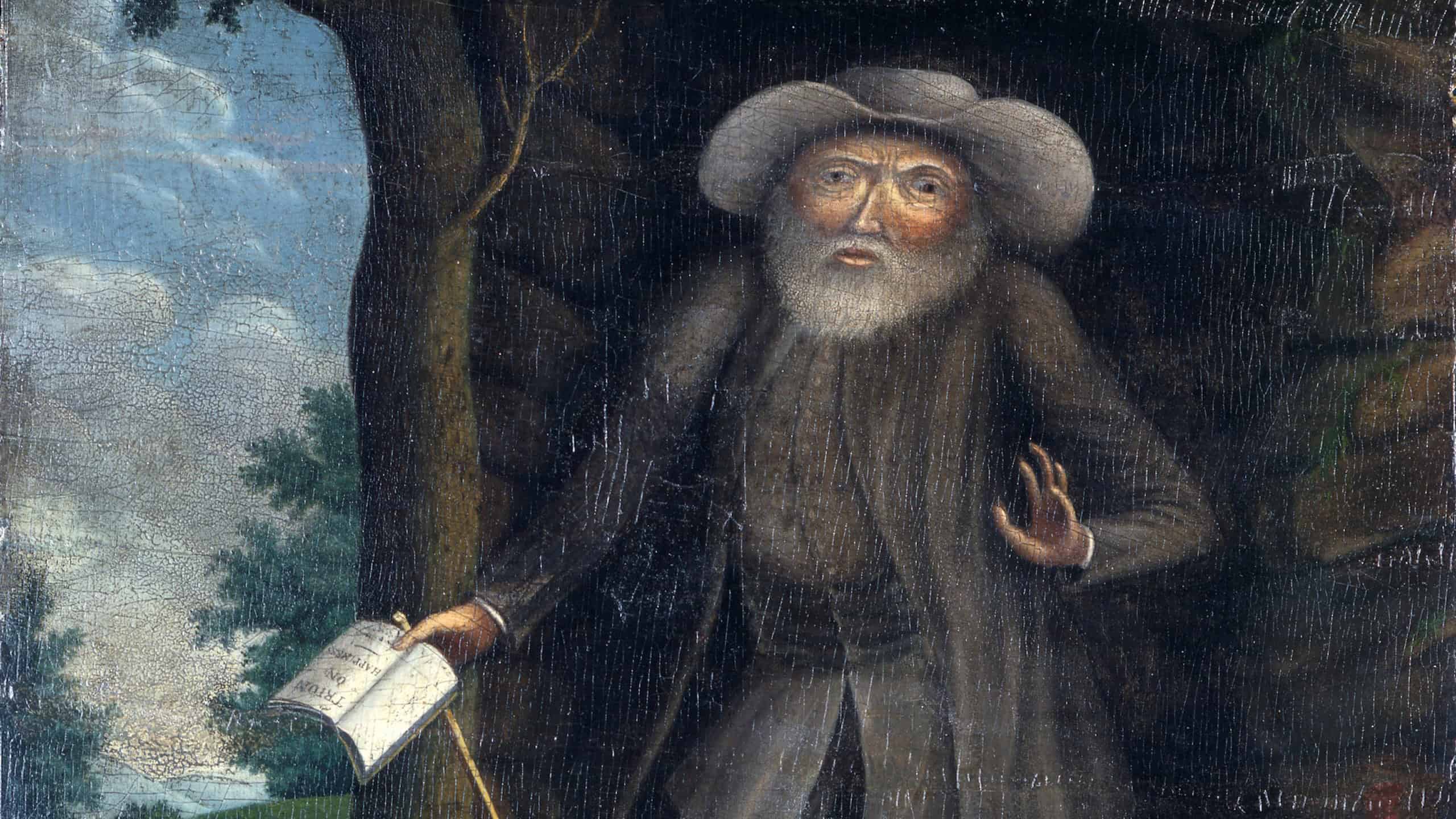
The United States didn’t even formally exist yet. Still, Benjamin Lay was already making slaveholders uncomfortable, as he was a Quaker abolitionist. Lay had seen slavery in Barbados. It naturally made him furious.
So furious, in fact, that Lay refused anything that was connected to slave labor, including clothing. He interrupted meetings and called out slave owners directly. Other Quakers kept disowning him because they thought he went too far, but eventually, they began to agree with him. Lay was very right, very early, yet he doesn’t really get a mention in abolitionism.
Kurt Chew-Een Lee
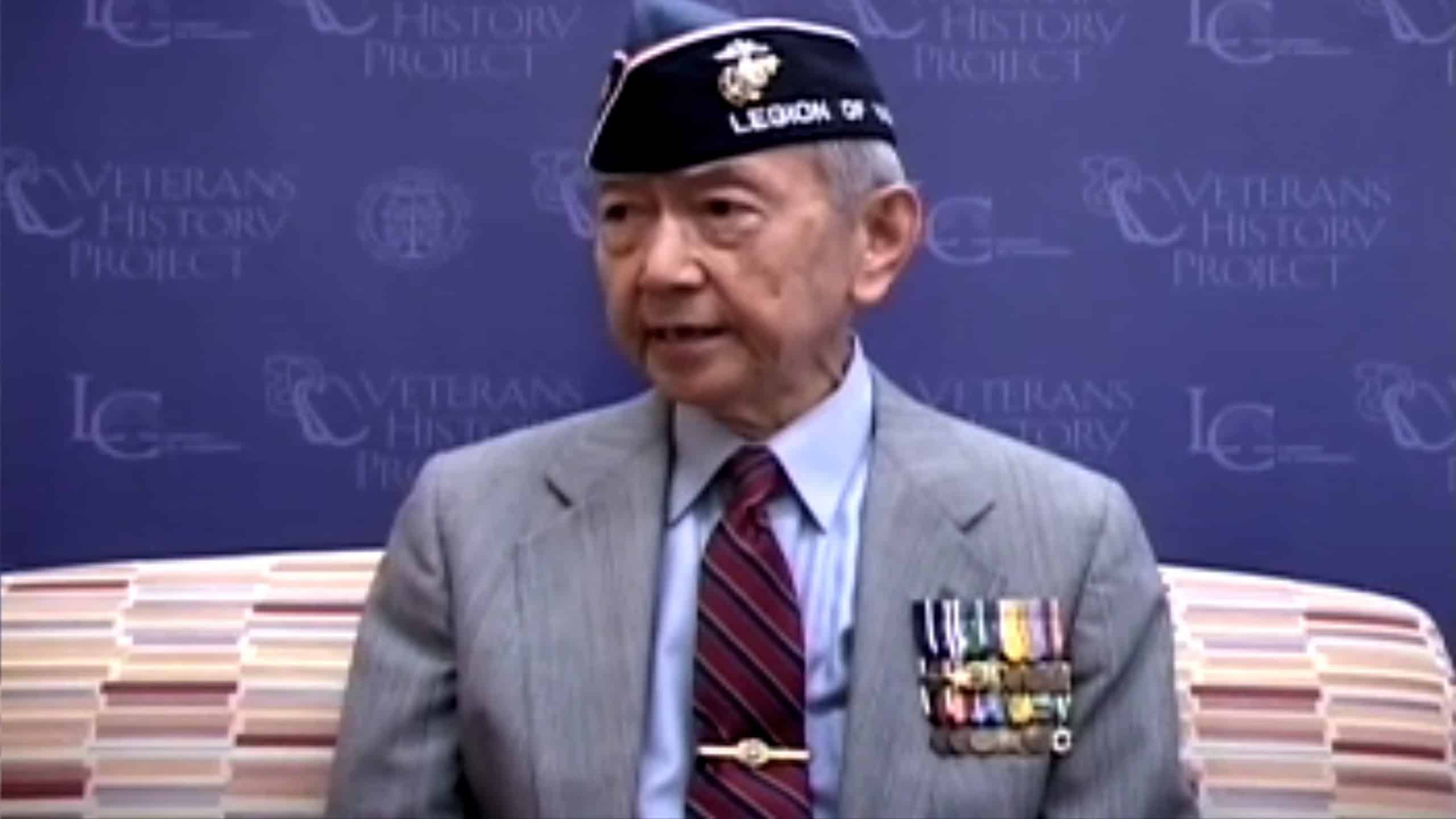
Freezing temperatures and a badly outnumbered Marine unit would’ve been enough for most people. Not Kurt Chew-Een Lee, though, he kept moving. He was one of the first Asian American marines and he pushed ahead near Sudong, Korea, in November 1950 while shouting orders in Mandarin.
His goal was to confuse Chinese troops while also directing his men after being wounded. He didn’t even let being hospitalized stop him. No, he left a field hospital, just so he could lead hundreds of Marines through a blizzard. He was seriously that dedicated.
Jonathan Letterman
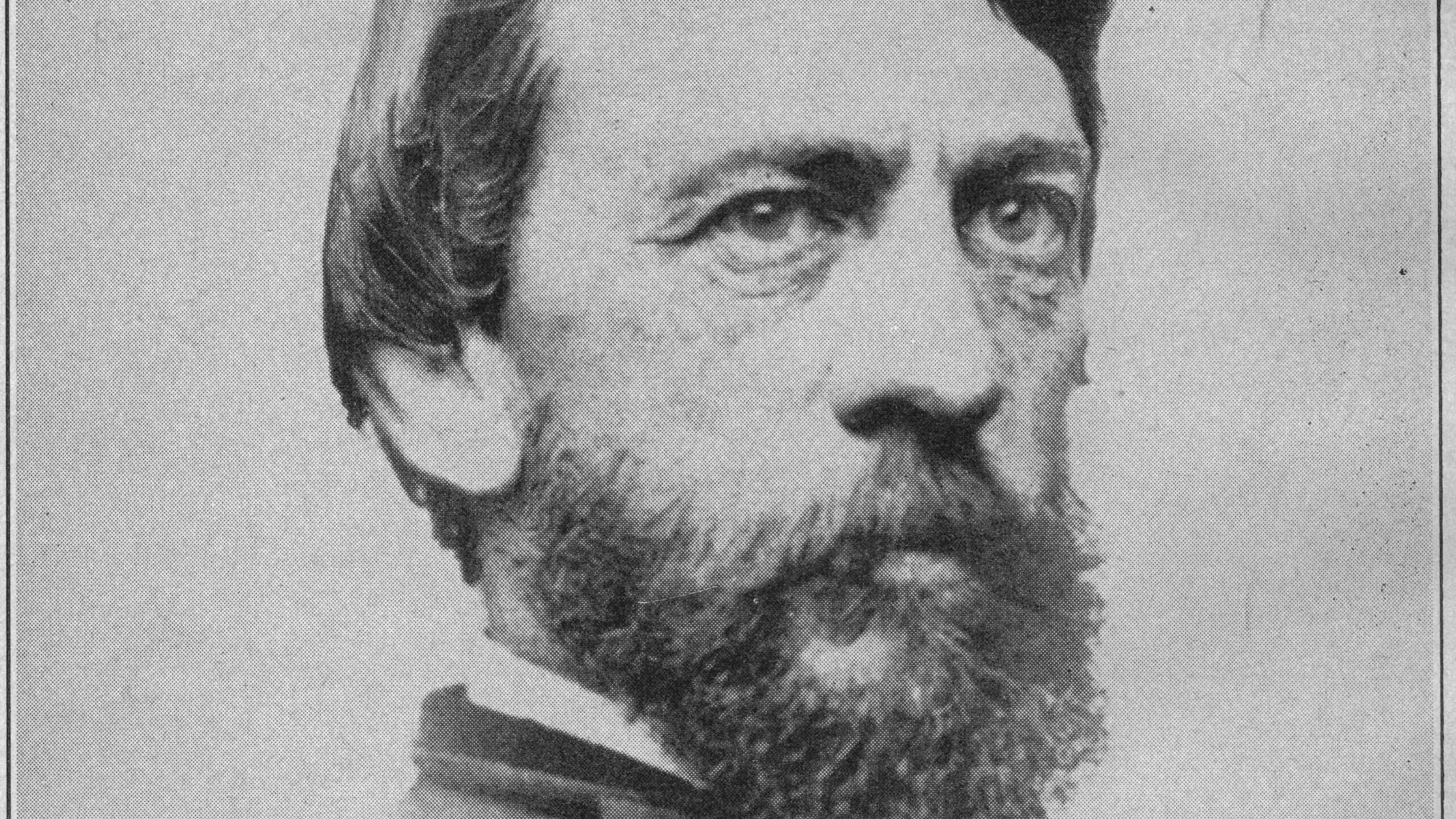
It’s no secret that Civil War medicine was a mess. Wounded soldiers had to wait for hours, sometimes even days, because there wasn’t a proper system for getting them off the battlefield. Then came Jonathan Letterman.
He changed all that by inventing a trained ambulance corps and organizing field hospitals. He created a method for sorting patients by urgency, something pretty revolutionary back then. His system became the model for later military evacuation systems, yet most people don’t know his name.
Zvi Spiegel
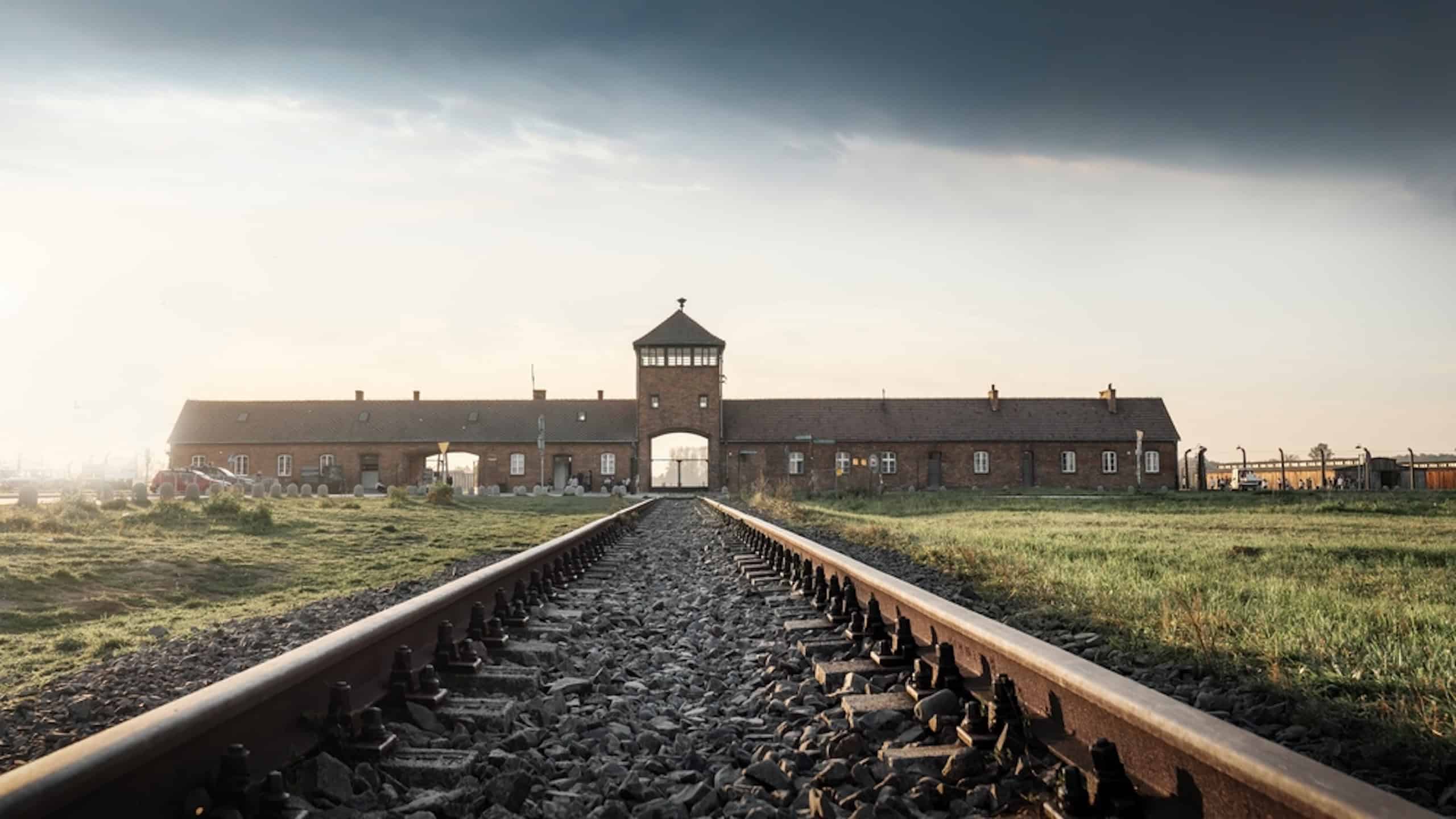
Zvi Spiegel might’ve been a prisoner at the Auschwitz-Birkenau concentration camp, but he still had a job. It wasn’t a good one. He had to supervise boys who were chosen for Josef Mengele’s experiments, many of them twins, but he used the position to protect them instead.
Spiegel found extra food for them and changed records. He also kept children together, and would sometimes list boys as twins, just so they’d stay alive. Spiegel kept the whole story a secret, and his own family didn’t even learn all the details until much later.
Nils Bohlin

Every seat belt has a name behind it, you’ve just probably never heard it. These safety devices exist thanks to Swedish engineer Nils Bohlin, who created the modern three-point belt after Volvo hired him in 1958. He could’ve decided to restrict the patent.
But no, he understood the importance of such devices and decided to leave it open. Volvo introduced the first seat belt in 1959, and other manufacturers started using it soon after. It’s all thanks to the kindness of Nils Bohlin.
Sara Josephine Baker
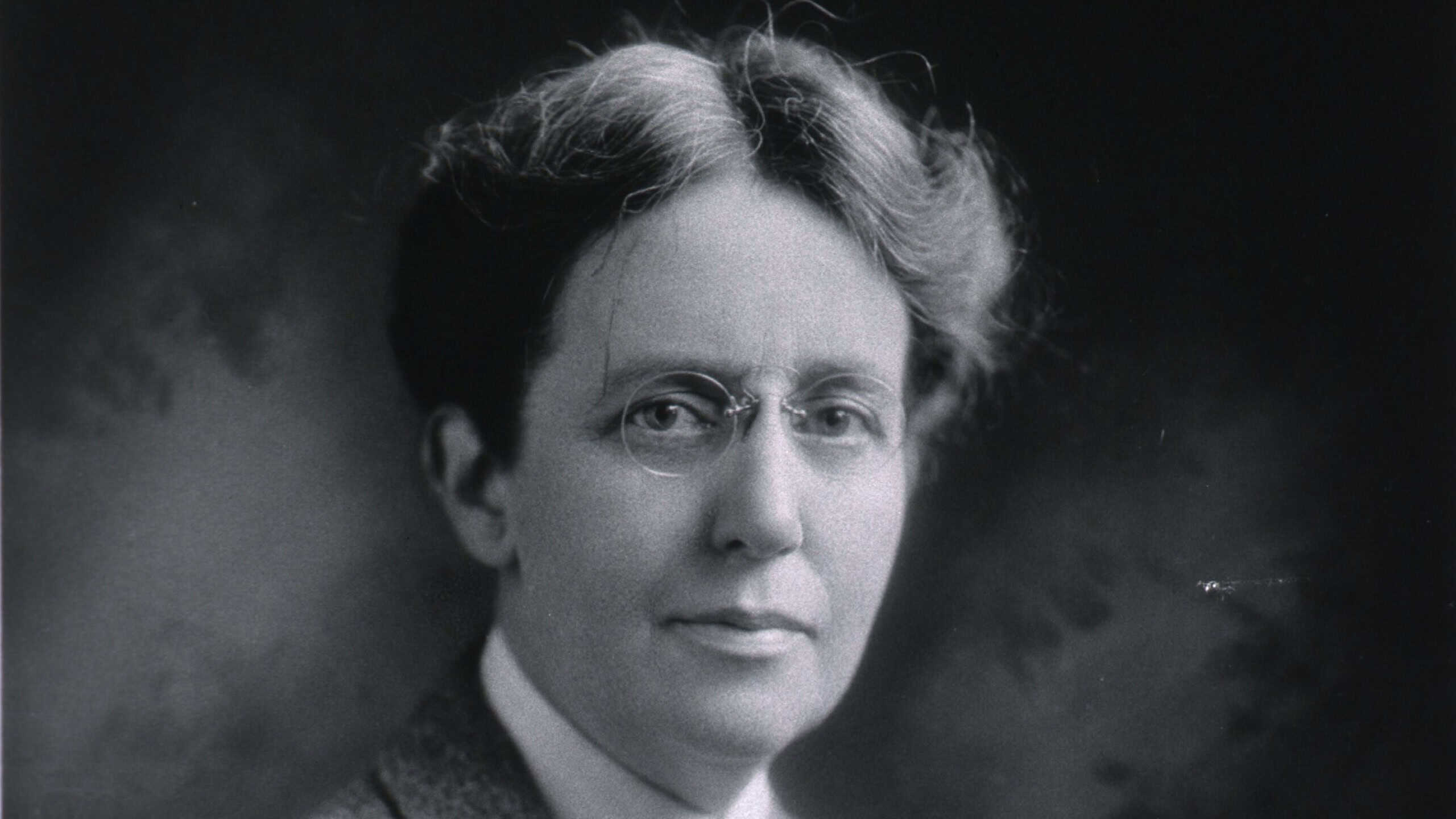
Sara Josephine Baker was working in New York City in the early 1900s as head of the city’s Bureau of Child Hygiene. She saw how many babies were getting sick in the city, but she chose not to treat them one at a time. No, she figured she’d stop thousands from getting sick in the first place.
Baker sent nurses into crowded neighborhoods and opened milk stations. She taught mothers about safer feeding and hygiene, while also designing a simple container to keep infant formula clean. Baker saved many New York babies, but she’s hardly remembered.
Joshua James

He was only a teenager when he started. Still, Joshua James managed to help with numerous sea rescues near Hull, Massachusetts, for over 60 years. The waters there aren’t exactly forgiving.
James and his crew actually saved 29 people from five wrecked vessels in November 1888 alone. James did eventually receive the federal Gold Lifesaving Medal for his work and has been credited with saving hundreds of people. He died at 75.
Kate Shelley

Kate Shelley saw a train coming, and she knew she had to act. She was just 17 years old, but she leaped into action, as she knew the track ahead was gone. A locomotive had previously crashed through a washed-out bridge near her Iowa home during a violent storm in July 1881.
So, Shelley headed into the rain and climbed onto a high railroad bridge over the flooded Des Moines River. She crawled across the wet ties in darkness in less-than-ideal weather. But Shelley succeeded. Her warning reached the station before the passenger train arrived, and she saved everyone onboard.
Arthur Rostron
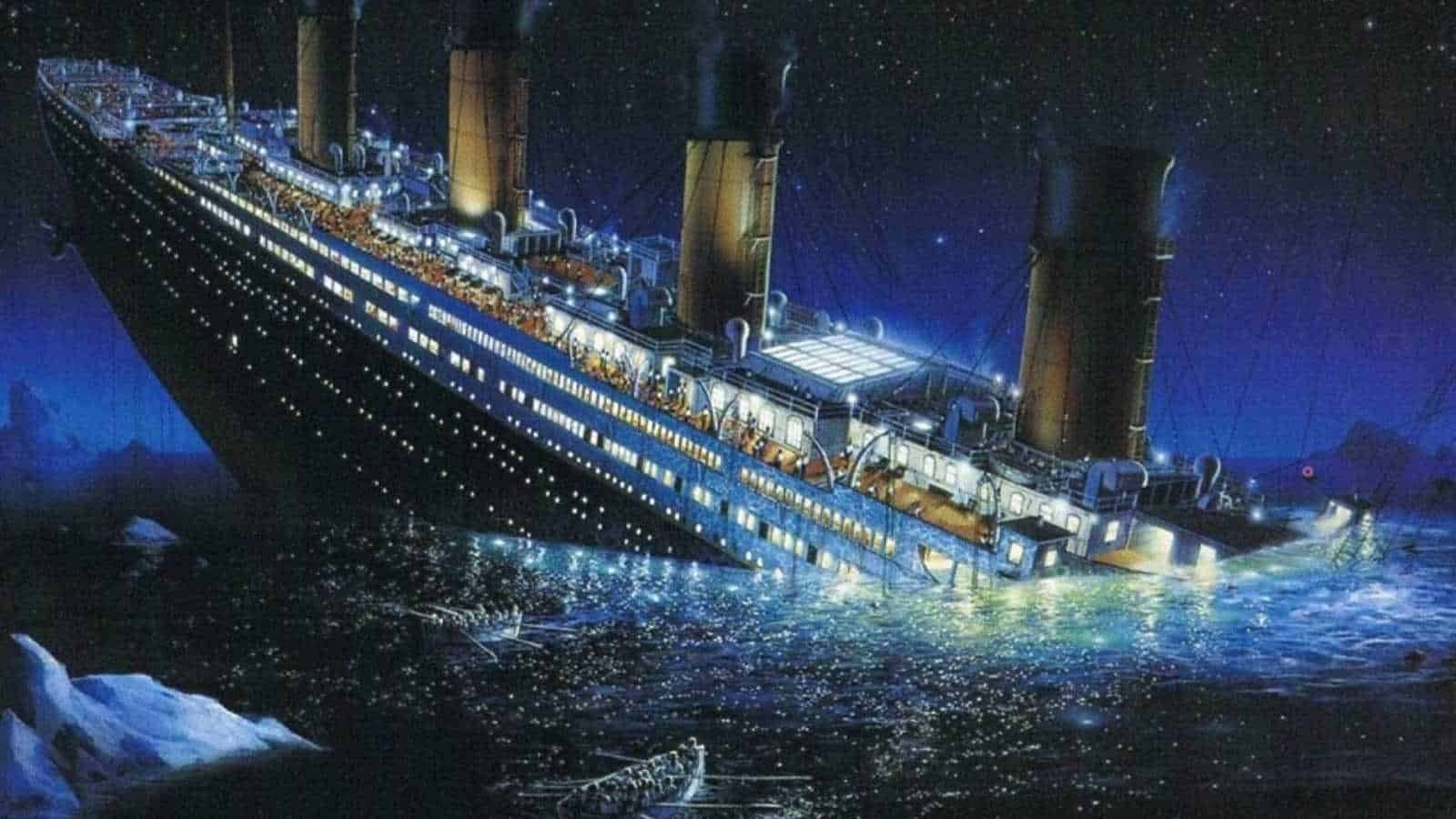
The ship Carpathia received a distress call on April 15, 1912, that’d go down in history. It was from the Titanic. Captain Arthur Rostron of the Carpathia acted immediately, changing course and ordering maximum speed to help those on the sinking vessel.
He shut down the Carpathia’s heat and hot water, too, just so the engines could get more steam and help the Titanic’s survivors more quickly. Rostron eventually helped more than 700 people from the Titanic get on board his ship. Yet most people only know about the tragedy, not heroes like Rostron who saved so many lives.
Sources: Please see here for a complete listing of all sources that were consulted in the preparation of this article.
13 historical figures we genuinely feel sorry for
Throughout history there have been countless tales of power and glory, but these 13 suffered from tragedies that will make you feel bad for them.
