

Throughout history there have been countless tales of power and glory, but these 13 suffered from tragedies that will make you feel bad for them.
Ignaz Semmelweis (1818–1865)
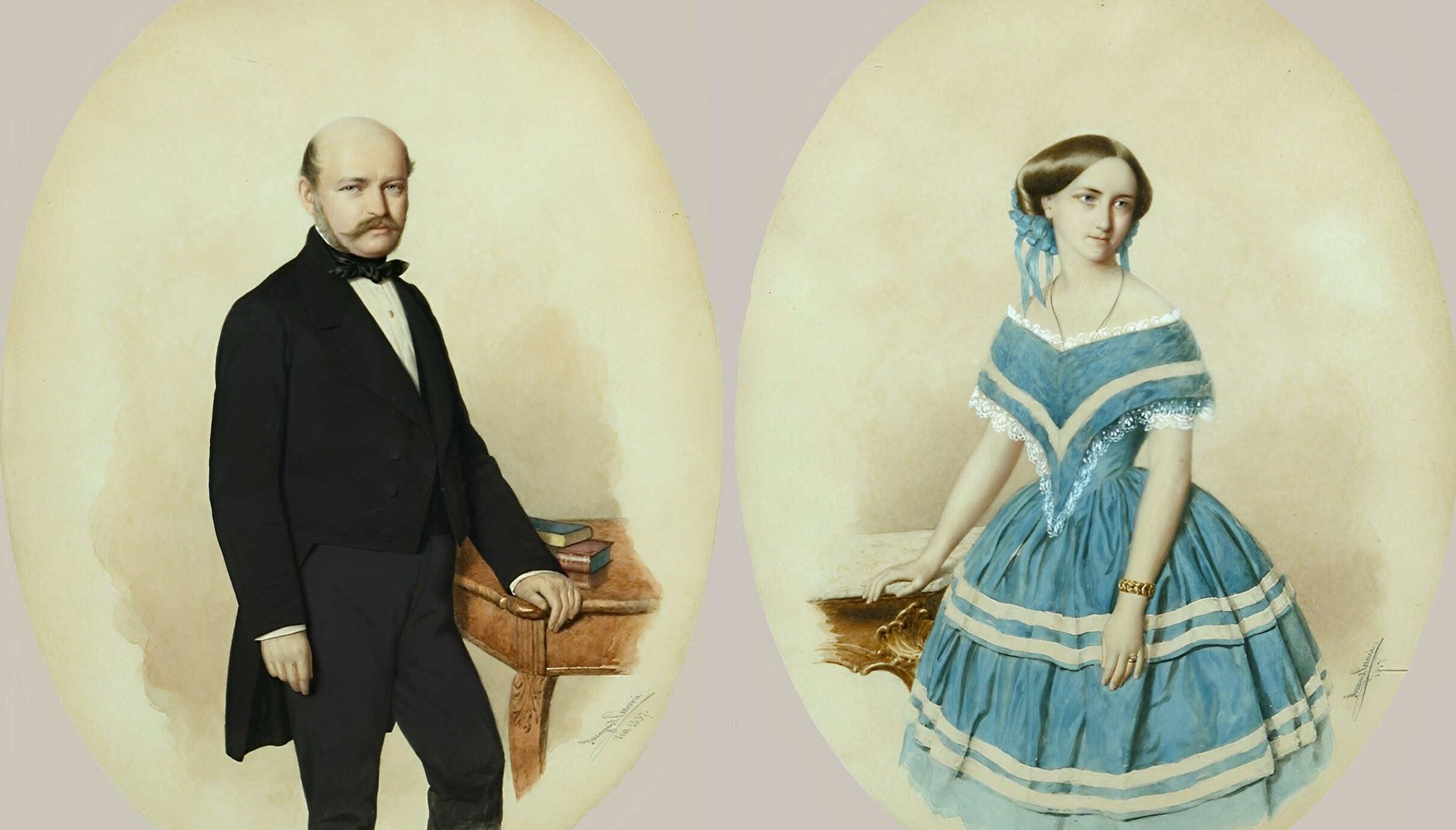
In 1847, Hungarian physician Ignaz Semmelweis began to notice a troubling pattern in two maternity wards where he worked. Women who were examined by doctors and medical students suffered a mortality rate from childbed fever about three times higher than the mortality rate experienced by women examined by midwives.
Semmelweis hypothesized that physicians were transmitting something from autopsies to patients in the maternity ward. Once he made doctors wash their hands in a solution of chlorinated lime, mortality at his clinic dropped from roughly 18% to 2%.
Many of his colleagues dismissed his findings. Semmelweis suffered professionally and personally, eventually being committed to an asylum in Vienna. He died in 1865 after being beaten by the asylum’s attendants shortly after arriving.
His accomplishments would later be recognized as foreshadowing the development of germ theory and basic methods of infection control that would not become standard in hospitals until years later when medical researchers like Louis Pasteur and Robert Koch expanded on his work.
Sor Juana Inés de la Cruz (1651–1695)
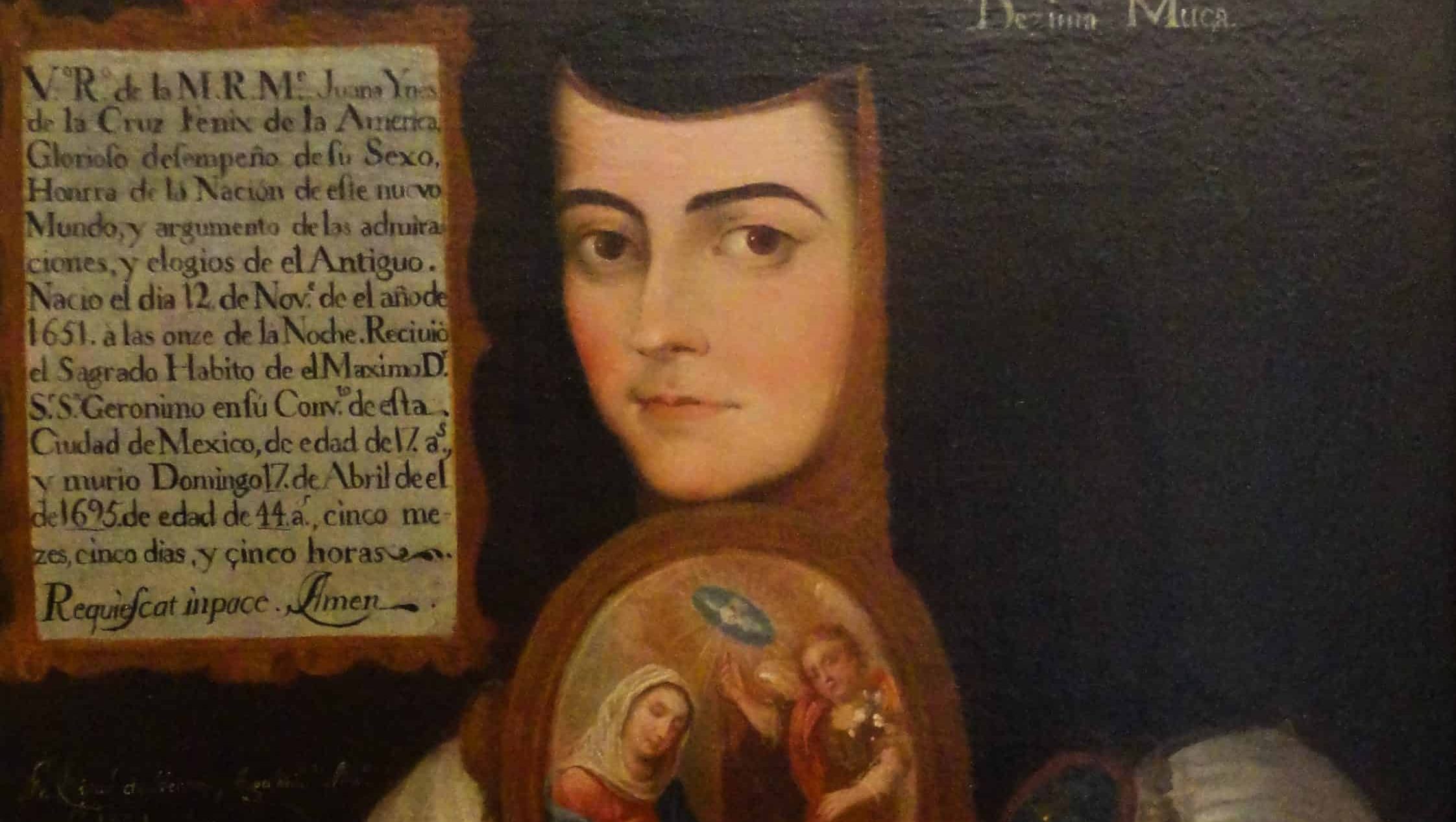
Sor Juana, a gifted self-taught nun from Mexico, possessed an intellect that paved her way to becoming an accomplished scholar and prominent figure. Courageously she spoke out for women’s education.
She eventually gave up her scholarly pursuits under the escalating pressure from the clergy. Sor Juana gave up her life as a scholar by renouncing her huge library of some 4000 books. She also had to part with her scientific and musical instruments.
In 1694, Sor Juana formally declared her faith in writing. The nun also signed her profession of faith with her own blood. The next year, the convent was hit with an epidemic. Sor Juana nursed the ill sisters until she became infected. She died in 1695.
Kaspar Hauser (c. 1812–1833)
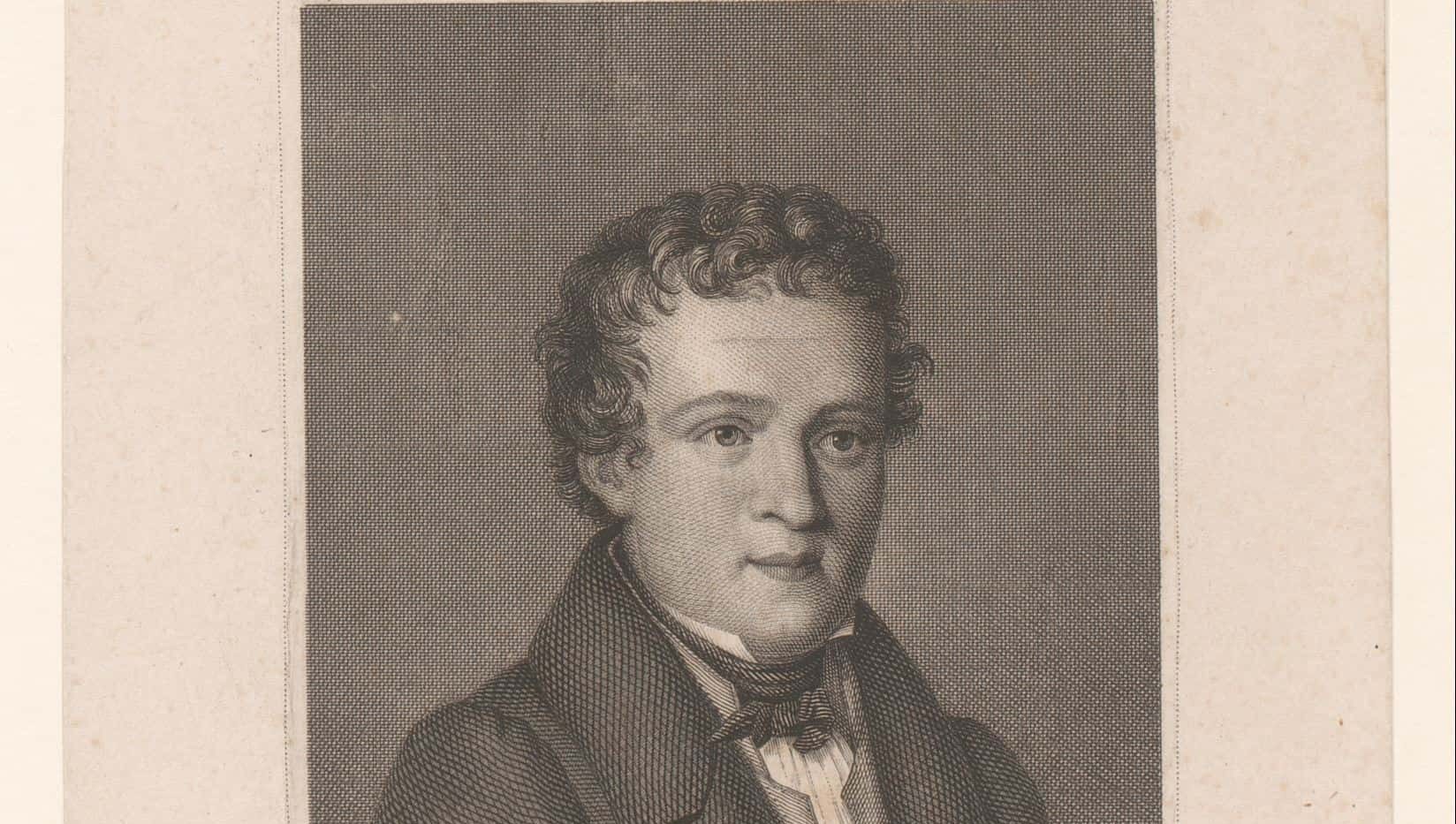
Kaspar turned up in Nuremberg alone on Whit Monday in 1828, bearing a letter. He stumbled into town unable to speak properly and appeared malnourished and with little experience of the world.
Hauser said that he had lived much of his childhood locked away in total isolation. He claimed to have been confined to just a small closet-like space, fed mostly bread and water.
In care, he was taught to speak, read and write. He could draw and play music well. Hauser became a European celebrity. Rumors spread he might be the heir to some noble lineage.
But we have never known for sure how Kaspar Hauser spent his childhood.
In 1833, he resurfaced with a wound he attributed to an attacker. Hauser died several days later and he was about 21 years old when he died.
The Guangxu Emperor, Zaitian (1871–1908)
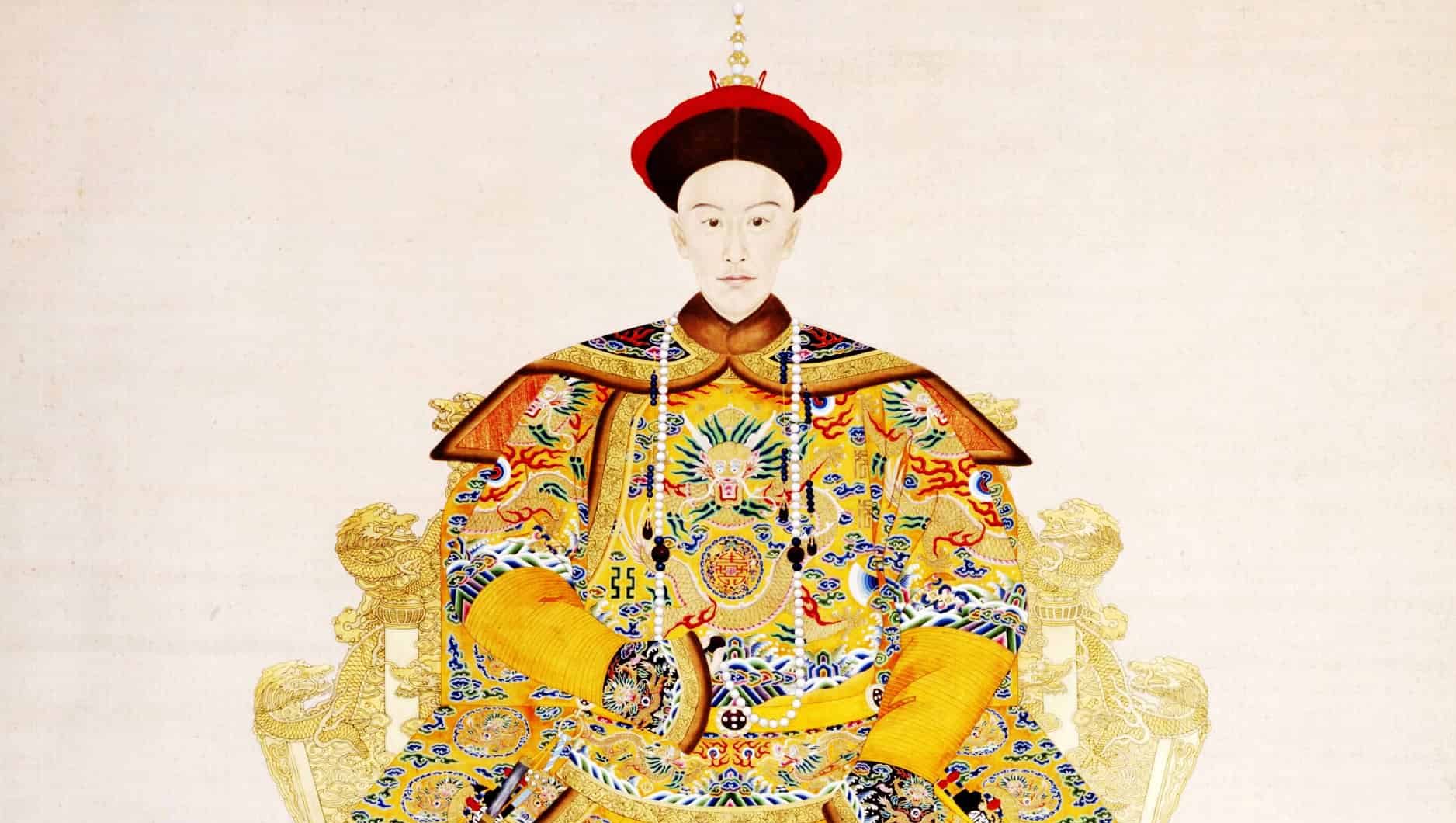
Guangxu ascended to the throne of Qing China at age four. Empress Dowager Cixi continued to rule during his tenure.
Guangxu endorsed the sweeping changes proposed by reformers during Hundred Days’ Reform of 1898. The reform movement looked to overhaul China’s education, military, administration, and legal code.
It ultimately failed after conservative forces and Cixi herself intervened. Guangxu lived out the rest of his life as a puppet emperor without political power and was largely confined to the palace complex.
Years later, he remained a powerless figurehead while Cixi ruled China with an iron fist.
Guangxu died on November 14, 1908 one day before Dowager Cixi. Rumors spread soon after that he was poisoned.
Gauhar Jaan (1873–1930)

Gauhar Jaan was one of the earliest and most successful recording artists of early 20th-century India. Born Angelina Yeoward and later known as Gauhar Jaan, she became an acclaimed singer and musician.
By 1902 she was one of the first major Indian acts to produce commercial gramophone records. Over her career she recorded hundreds of songs in multiple languages. Gauhar became renowned for her music, wealth, and extravagance.
Her final years were much less extravagant though. Money problems and lawsuits would see her lose a great deal of the fortune she had built. She ended up living in Mysore where she took a job as a court musician. She died there, having lost touch with much of her fortune and former life, in 1930.
Ota Benga (c. 1883–1916)
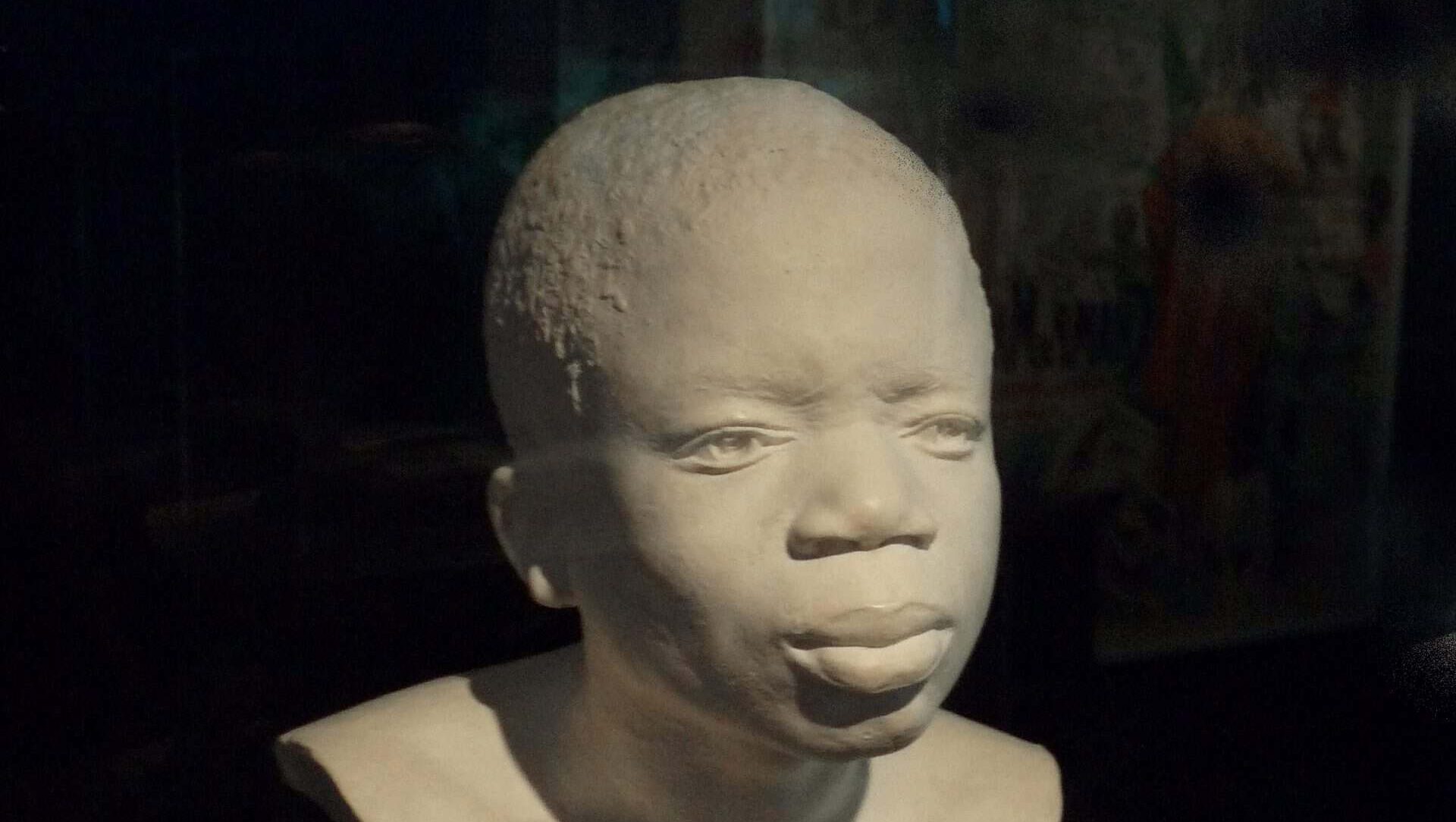
Ota Benga was kidnapped from the Congo and became one of the most tragic examples of human commodification.
Displayed first at the St. Louis World’s Fair in 1904, he arrived in America, where he was later asked to pose for pictures and allow the public to ogle him at the Bronx Zoo in New York City in 1906. During this time, Ota Benga was placed on display with some animals and even with some chimpanzees.
There were protests that arose from black church leaders and community activists. Ota Benga was then released from the Bronx Zoo and sent to an institution in Virginia.
After his time in Virginia, he lived in Lynchburg where he worked and joined the community. He planned to return to Africa, but WWI made this impossible for him.
In 1916, Ota Benga committed suicide at the age of around 32.
Hypatia of Alexandria (c. 360–415)
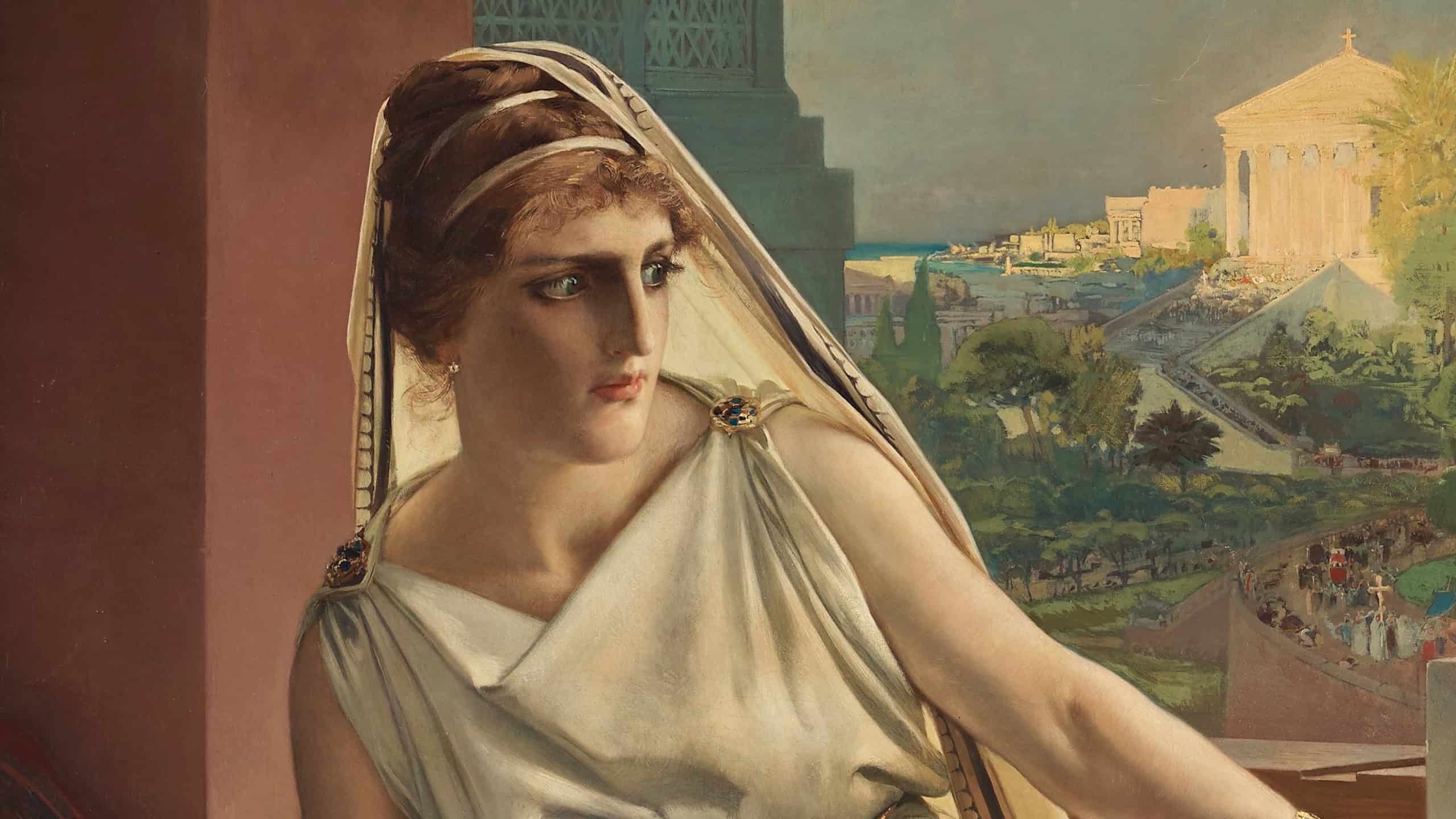
Hypatia of Alexandria was well known for her teaching of mathematics, astronomy, and philosophy, drawing students of varied faiths. She maintained ties with many of the leaders in Alexandrian politics.
Religious and political strife split the city of Alexandria during Hypatia’s life. She grew close to the governor of Alexandria, Orestes. Some Christians in the city felt that Hypatia had too much sway over Orestes and that she was responsible for him opposing Bishop Cyril.
In 415, a Christian mob attacked Hypatia as she made her way back from a lecture. As written by historian Socrates Scholasticus, she was dragged into a church and killed with shards of pottery. Her body was then reduced to ashes.
Rosalind Franklin (1920–1958)
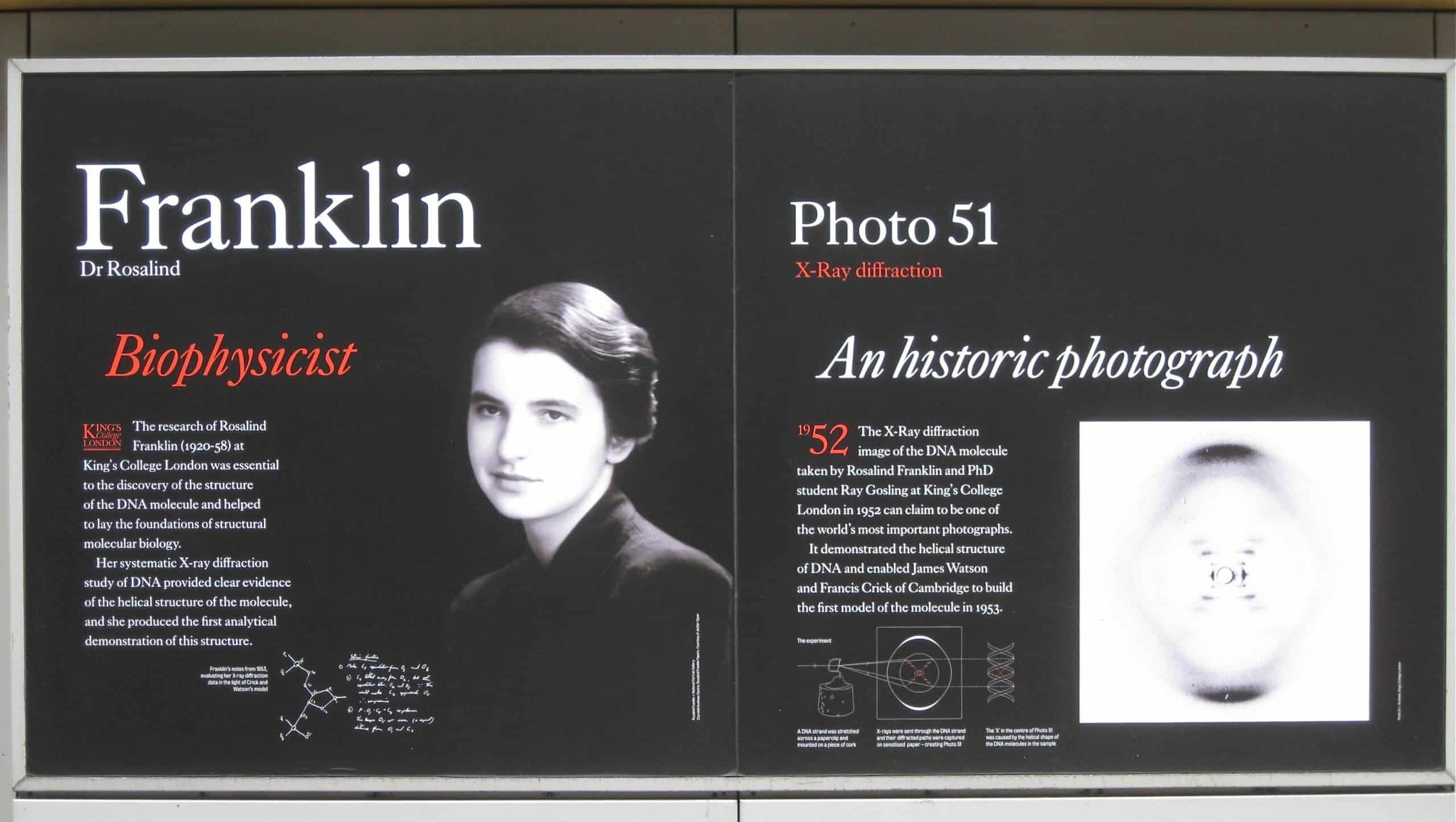
Rosalind Franklin was a British chemist whose research into X-ray crystallography contributed to understanding the structure of DNA.
At King’s College London, Franklin’s focus was on researching DNA via X-ray diffraction. Her work uncovered some of the best evidence that DNA was shaped like a helix. Perhaps the most well-known image from Franklin’s research, Photo 51, was captured in 1952 by her doctoral student Raymond Gosling. Franklin was his supervisor.
Photo 51 was critical in the work that eventually allowed James Watson and Francis Crick to propose their model of DNA as a double helix. Measurements Franklin made through experimentation also contributed to understanding the dimensions and structure of DNA.
Franklin died of ovarian cancer in 1958 at age 37. Watson, Crick, and Maurice Wilkins were awarded the Nobel Prize for their findings about the molecular structures of nucleic acids four years later. Nobel Prizes are not awarded to someone who has already passed away, so Franklin could not have been included in the award.
Joseph Merrick (1862–1890)
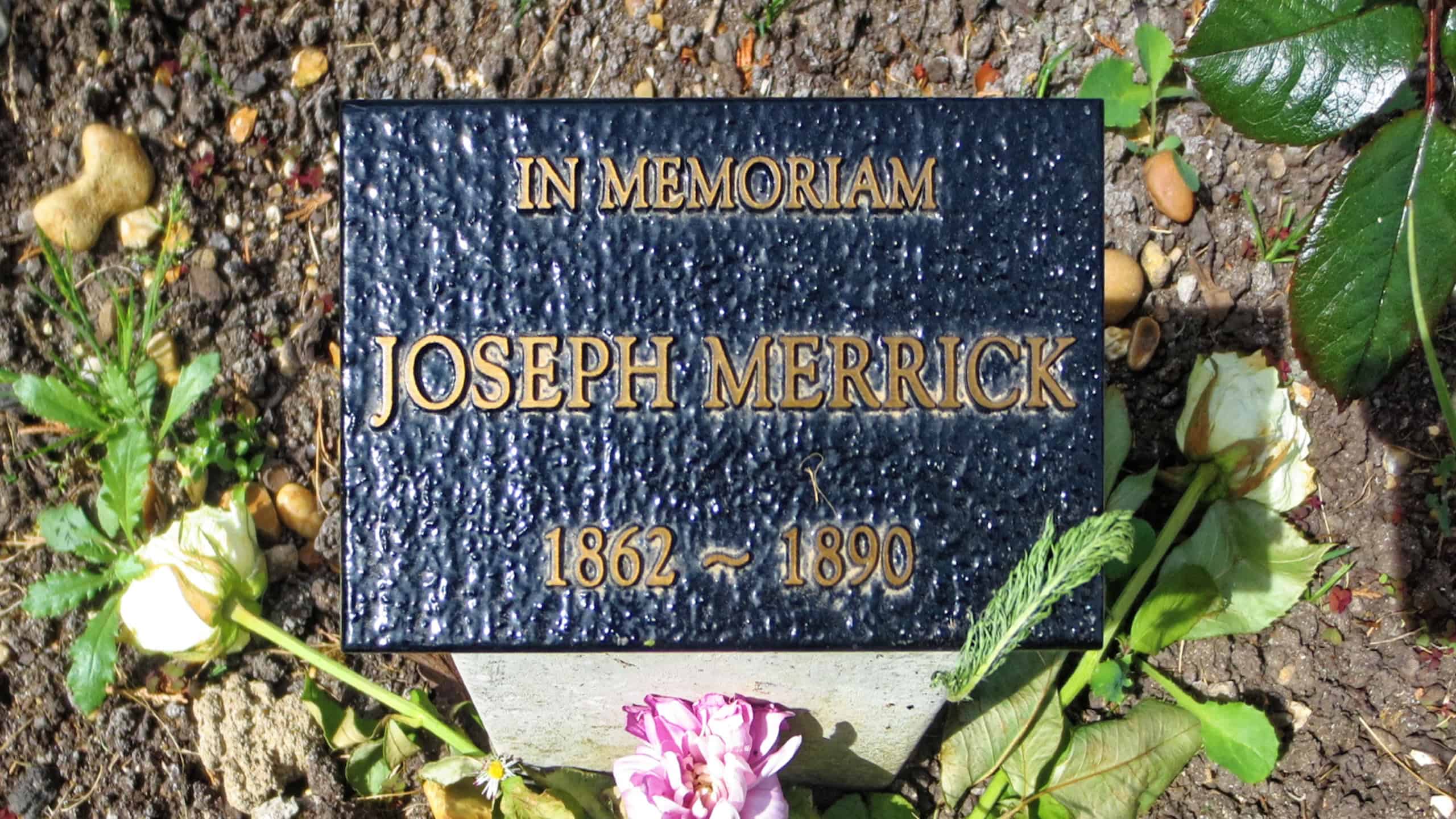
Joseph Merrick was severely deformed, with his afflictions growing worse as he progressed through childhood and into adolescence. Surgeon Frederick Treves came across Merrick and later arranged for him to reside at the London Hospital.
Life there was far more comfortable than his years spent in the public eye. He made friends with visitors and some of the hospital staff, and he enjoyed reading and the theater immensely. Due to the size and weight of his head and his inability to breathe when lying down on a pillow, Merrick had to sleep in an upright position.
On April 11, 1890 he was discovered dead in bed at the age of 27. What exactly caused his death is something we’ll never be certain about. Many believe his airway closed due to the strain of his head’s weight, though this is best seen as a plausible cause, not a definite dislocation of his neck.
Emperor Antoku (1178–1185)
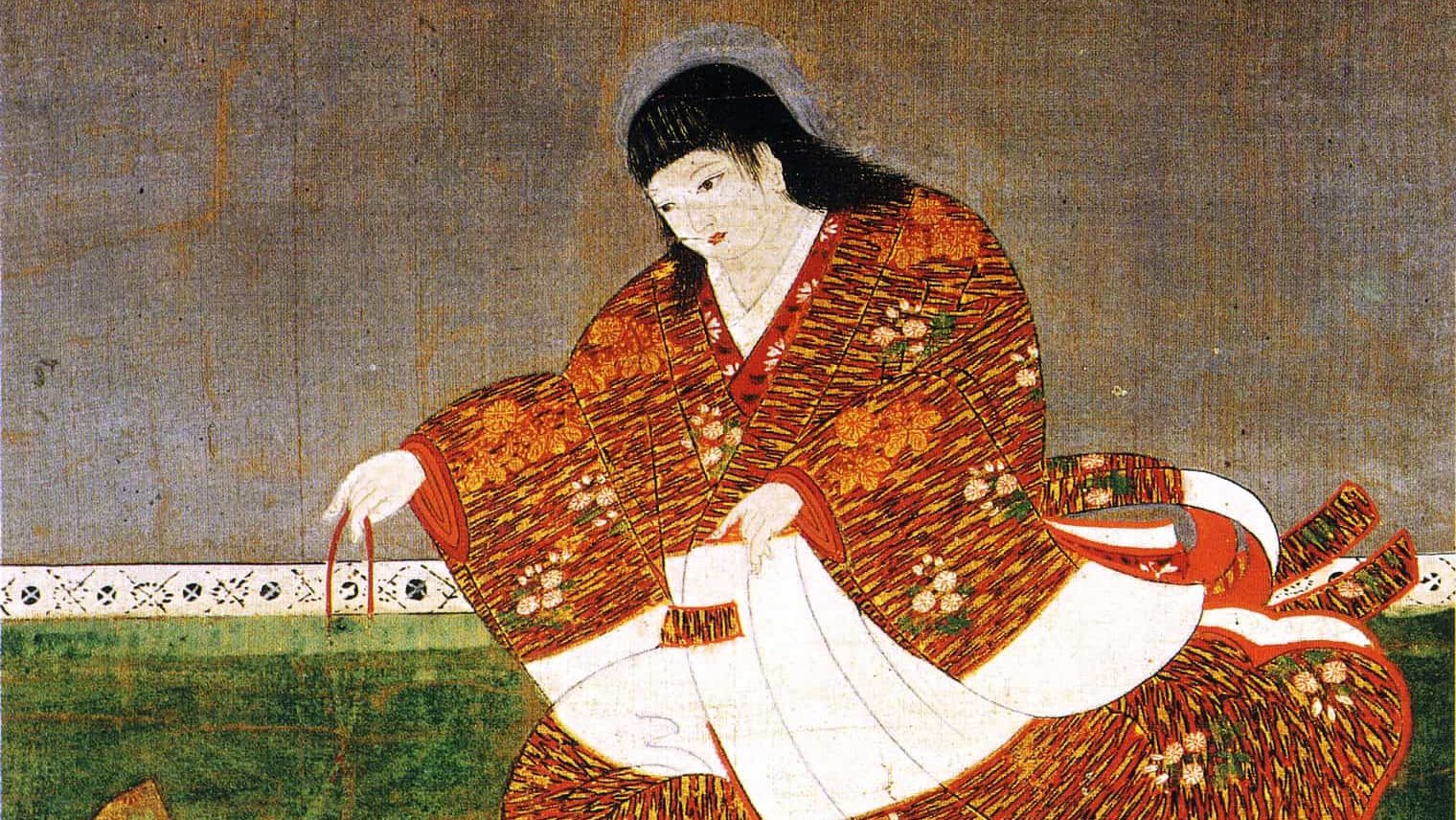
Antoku ascended to the throne of Japan at the age of six. His reign occurred during a particularly bloody portion of Japanese medieval history.
The Genpei War was being fought across the nation. This was a power struggle between two of Japan’s greatest clans. When the tide turned against them, the Taira-led imperial court headed west with the young emperor in tow.
In 1185, they met the Minamoto fleet at the naval Battle of Dan-no-ura. The young emperor was given to the sea by a member of his own camp after his defeat.
The epic poem, The Tale of the Heike recounts that Antoku’s grandmother cradled him, claiming his palace awaited him underwater. She then drowned herself with the body of the young emperor.
Lady Jane Grey (1537–1554)

Lady Jane Grey was intelligent and well-read, but became the victim of one of England’s deadliest political power struggles.
Jane was fluent in multiple languages and had interests in learning and religion. She was not someone who anyone would expect to be queen. But when Edward VI died in 1553, English Protestants put Jane on the throne in an attempt to bypass Catholic Mary Tudor.
During Jane’s nine days as Queen of England, Mary gained support, came into London, and declared control of the government. Jane was then imprisoned in the Tower of London.
Jane may have been spared by Mary but for another rebellion that put her life in danger again. Jane was executed on Tower Green on February 12, 1554. She was 17 years old when she died.
Sarah Baartman (c. 1789–1815)
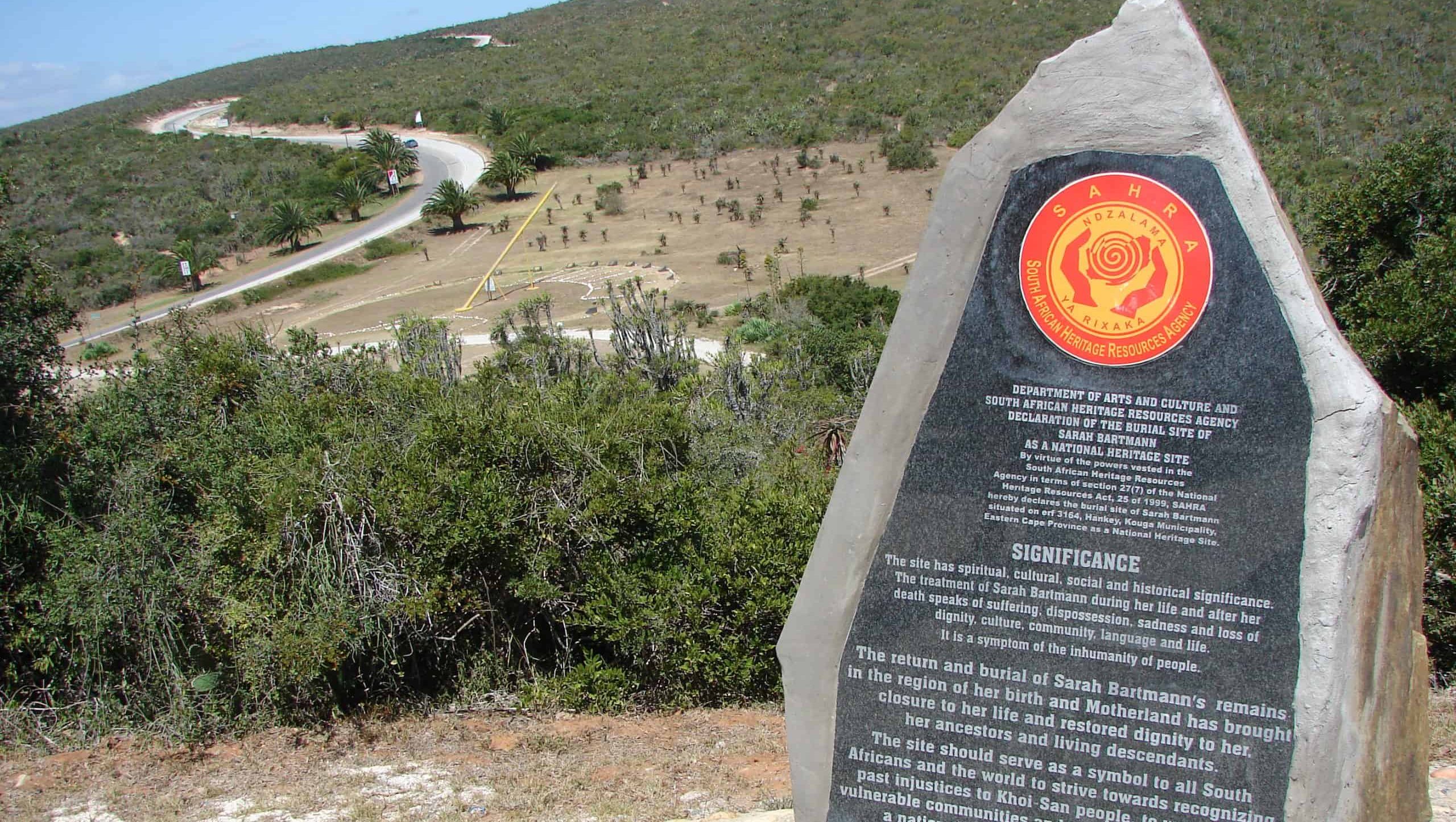
In 1810, Sarah Baartman, a woman of Khoikhoi descent from southern Africa, was transported to Europe and presented to the public as a spectacle.
She was exhibited for a fee in London and later in France, her body becoming a focal point for a s**ually charged European fascination with her racial distinctiveness.
While the exact terms she agreed to go to Europe are still debated, we can’t say that she wasn’t duped in every way. One thing we can say is that she had little autonomy over her own body and how it was discussed while she was in Europe.
French scientists examined her body after her death in Paris in 1815 and her genitals were preserved. Her skeleton and preserved remains were exhibited at the Musée de l’Homme in Paris for decades following her death.
Minamoto no Yoshitsune (1159–1189)
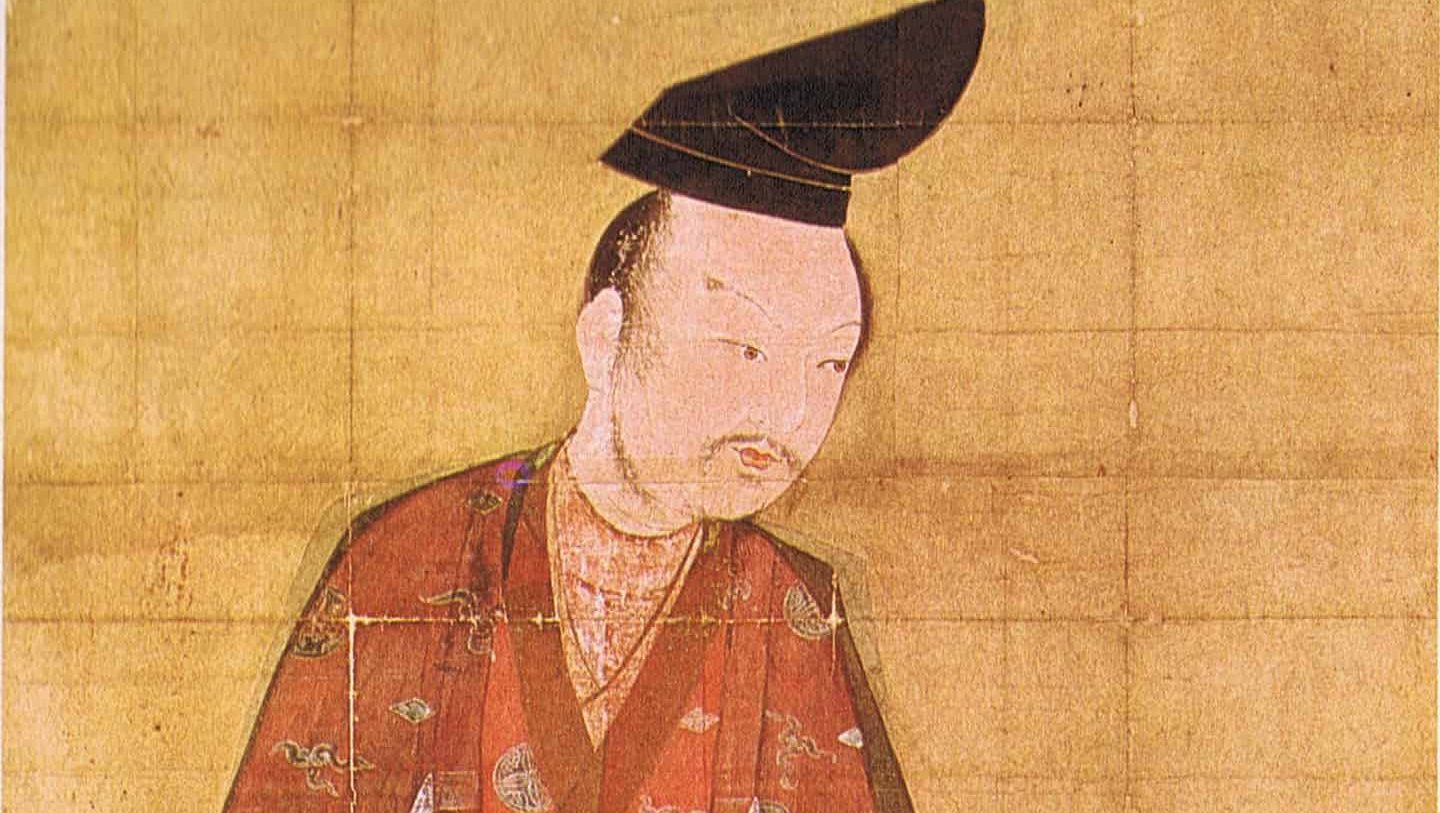
Minamoto no Yoshitsune was a legendary warrior and military leader in Japan. During Yoshitsune’s childhood, his father was killed in a dispute between clans. He lived at a monastery during part of his childhood but eventually reunited with his older half-brother, Minamoto no Yoritomo.
Yoshitsune distinguished himself as an excellent military commander during the Genpei War. His conquests effectively ended the Taira clan, their rivals, and ensured Minamoto success.
Later, Yoshitsune fell out of favor with his brother. Yoritomo grew jealous of Yoshitsune’s successes and the two ended on bad terms.
Yoshitsune turned to his long-time ally Fujiwara no Hidehira in northern Japan and became a political refugee. However, Hidehira died soon after Yoshitsune arrived. Hidehira’s successor bowed to Yoritomo’s pressure and betrayed Yoshitsune.
In 1189, Yoshitsune was chased and surrounded at Koromogawa. The Japanese narrative suggests Yoshitsune’s devoted troops allowed him precious moments before he committed ritual suicide. Facing death, Yoshitsune chose to die by his own hand instead of being captured.
Sources: Please see here for a complete listing of all sources that were consulted in the preparation of this article.
Like our content? Be sure to follow us.

