
Whenever you think that your decisions mean nothing, you should think back to all the choices that could’ve changed everything in history. Just imagine if Alexander Graham Bell had never patented the telephone or if D-Day had never happened! Thankfully, a few tiny twists of fate changed everything. Here are 12 turning points that almost didn’t happen and why. We came close to a rather different world—and it’s because of small decisions or even the weather.
Featured Image Credit: Niceideas/Depositphotos.com.
Bad Weather Almost Stopped D-Day

On June 6, 1944, the Allies launched the D-Day invasion to liberate Nazi-occupied France. However, the weather over the English Channel was so stormy that General Dwight D. Eisenhower seriously thought about delaying the operation. Then, meteorologists predicted a short break in the storm lasting just 24 hours & Eisenhower decided to go ahead. If he’d waited, it could’ve given the Germans more time to strengthen their defenses along the coast.
A Slip-Up Opened the Berlin Wall

On November 9, 1989, East German official Günter Schabowski mistakenly announced that the government was allowing immediate travel to West Germany. In reality, the policy was meant to roll out gradually. Yet news spread quickly—and thousands of East Berliners rushed to the Wall’s checkpoints. This overwhelmed the border guards. Eventually, they were forced to lift the barriers days before they were meant to!
Like our content? Be sure to follow us.
The Wright Brothers Almost Quit

As they tried to create a flying machine, Orville & Wilbur Wright faced numerous failures—so much so that they thought about giving up. However, they decided to make one last attempt with a new aircraft. And on December 17, 1903, they succeeded! Had they quit after the earlier setbacks, it would’ve changed the history of flight as we knew it. We wouldn’t be jetting all over the world like we do today!
The Magna Carta Nearly Didn’t Happen

In 1215, English barons were fed up with King John’s heavy taxes & abuses of power, demanding he agree to a charter outlining their rights. King John resisted at first but eventually, he agreed. If he’d refused, the king would’ve continued to have unlimited power. In fact, our ideas of modern democracy would be radically different because the monarchy could do exactly as it pleases.
Apollo 11’s Close Call with Fuel
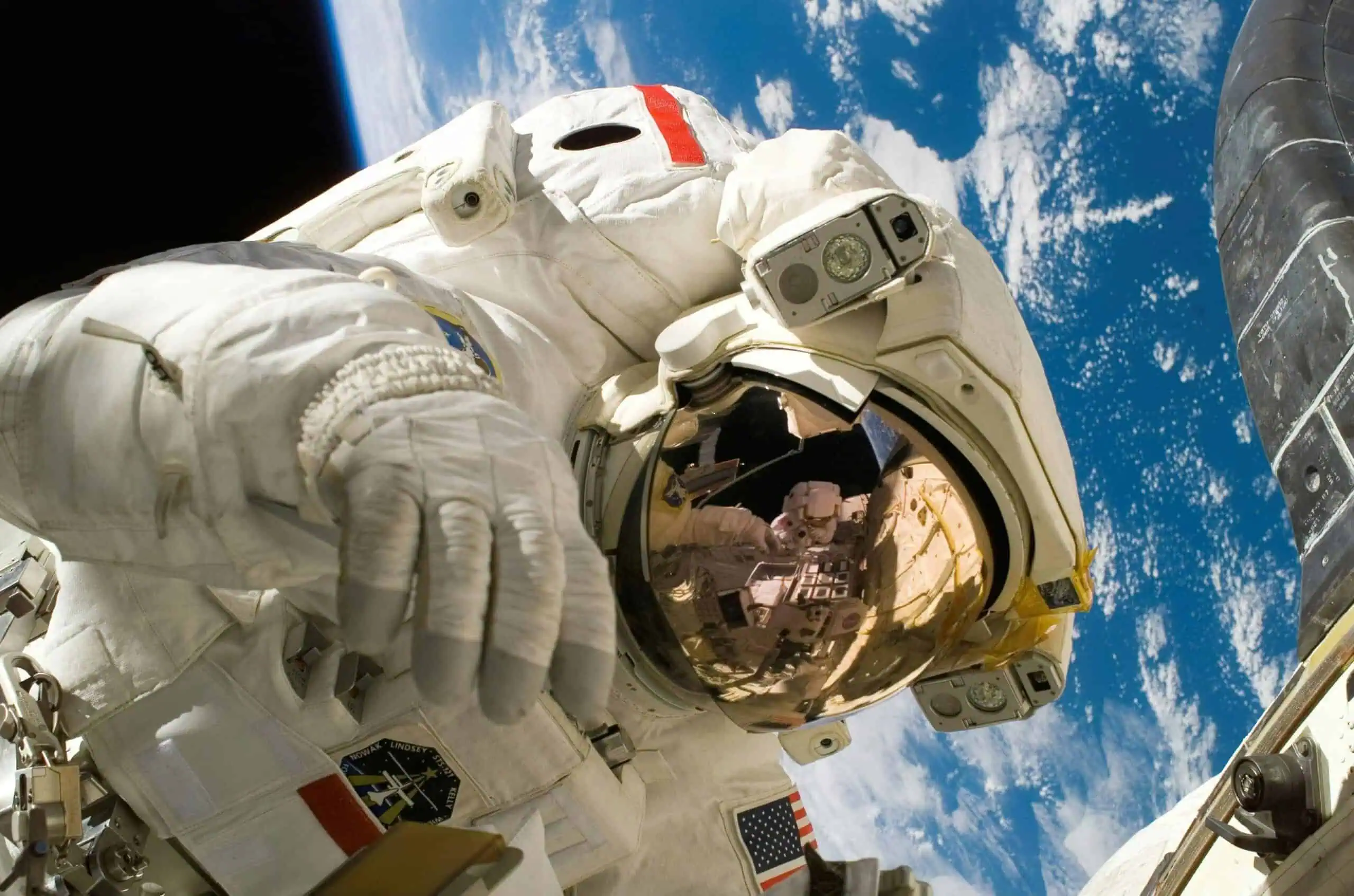
During the Apollo 11 mission in 1969, Neil Armstrong & Buzz Aldrin faced problems as they descended to the Moon’s surface. Their lunar module’s computer was overloaded—and they were running dangerously low on fuel. But Armstrong didn’t give up. Instead, he manually piloted the module over a rocky area to find a safe landing spot. They touched down with just seconds to spare!
The Louisiana Purchase Almost Didn’t Happen
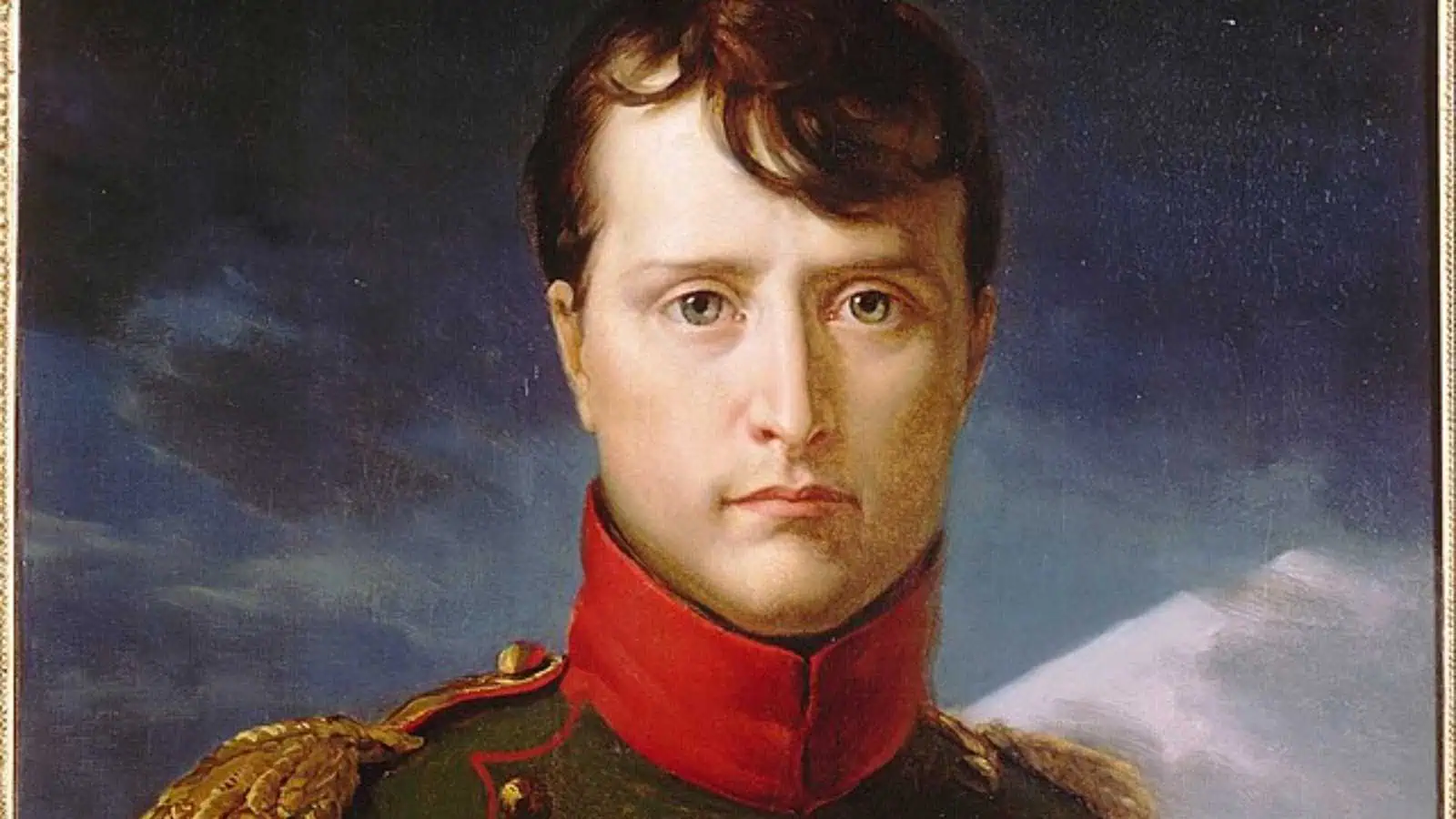
In 1803, the United States wanted to buy New Orleans from France so they’d have better access to the Mississippi River. Yet Bonaparte surprised them by offering to sell the entire Louisiana Territory! Naturally, President Thomas Jefferson’s diplomats acted quickly to make the deal for $15 million. It’s all thanks to Napoleon’s need for money that we have the America we know and love today.
Edison’s Light Bulb Nearly Lost Funding
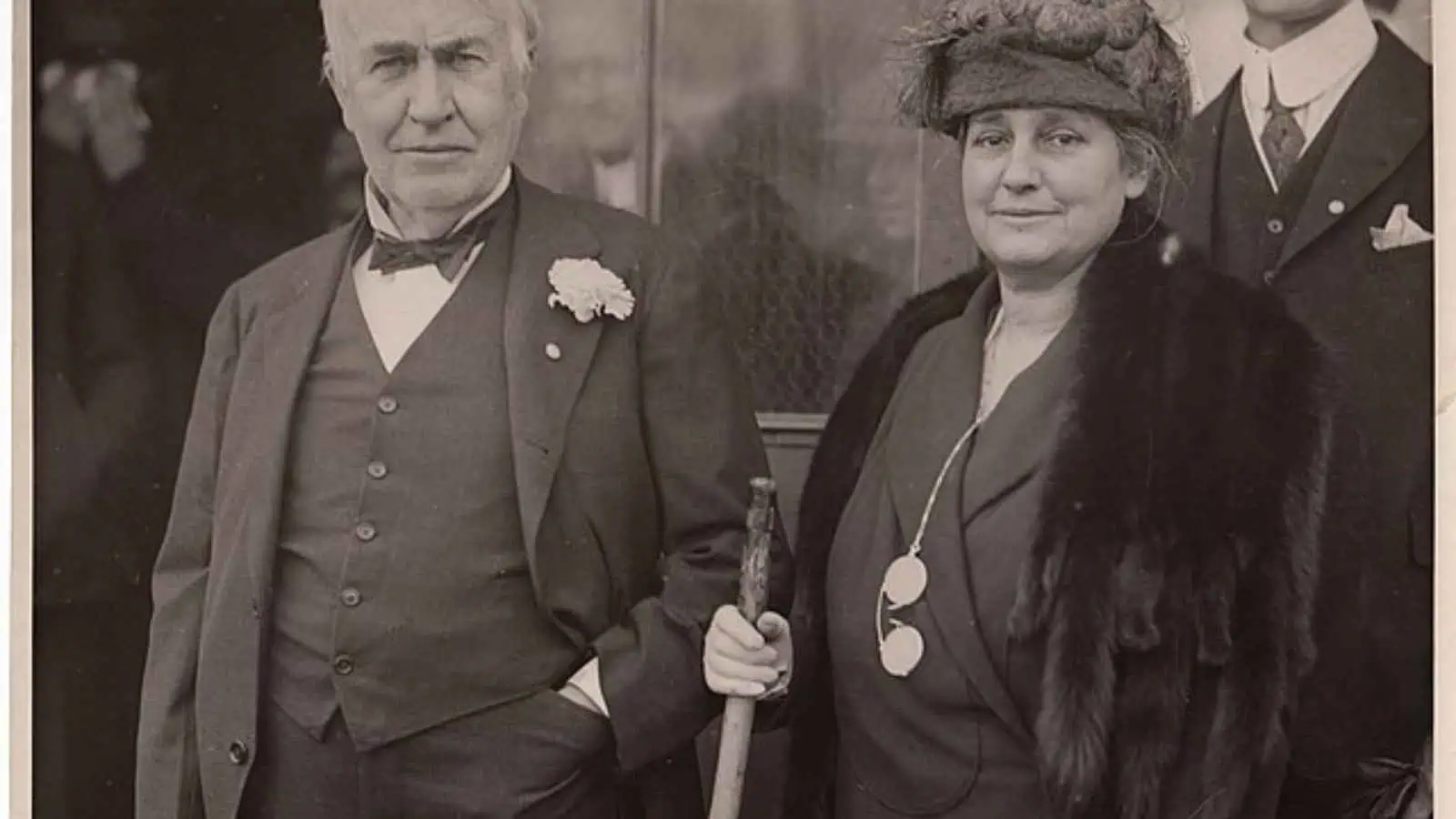
Thomas Edison spent a lot of time & money trying to create a practical electric light bulb. He tested thousands of materials for the filament—but none of them worked very well. As such, Edison’s investors thought about pulling their support yet in 1880, Edison found that a carbonized bamboo filament worked. Just imagine what would’ve happened if Edison’s funding had been cut!
Watson and Crick Almost Missed DNA’s Structure
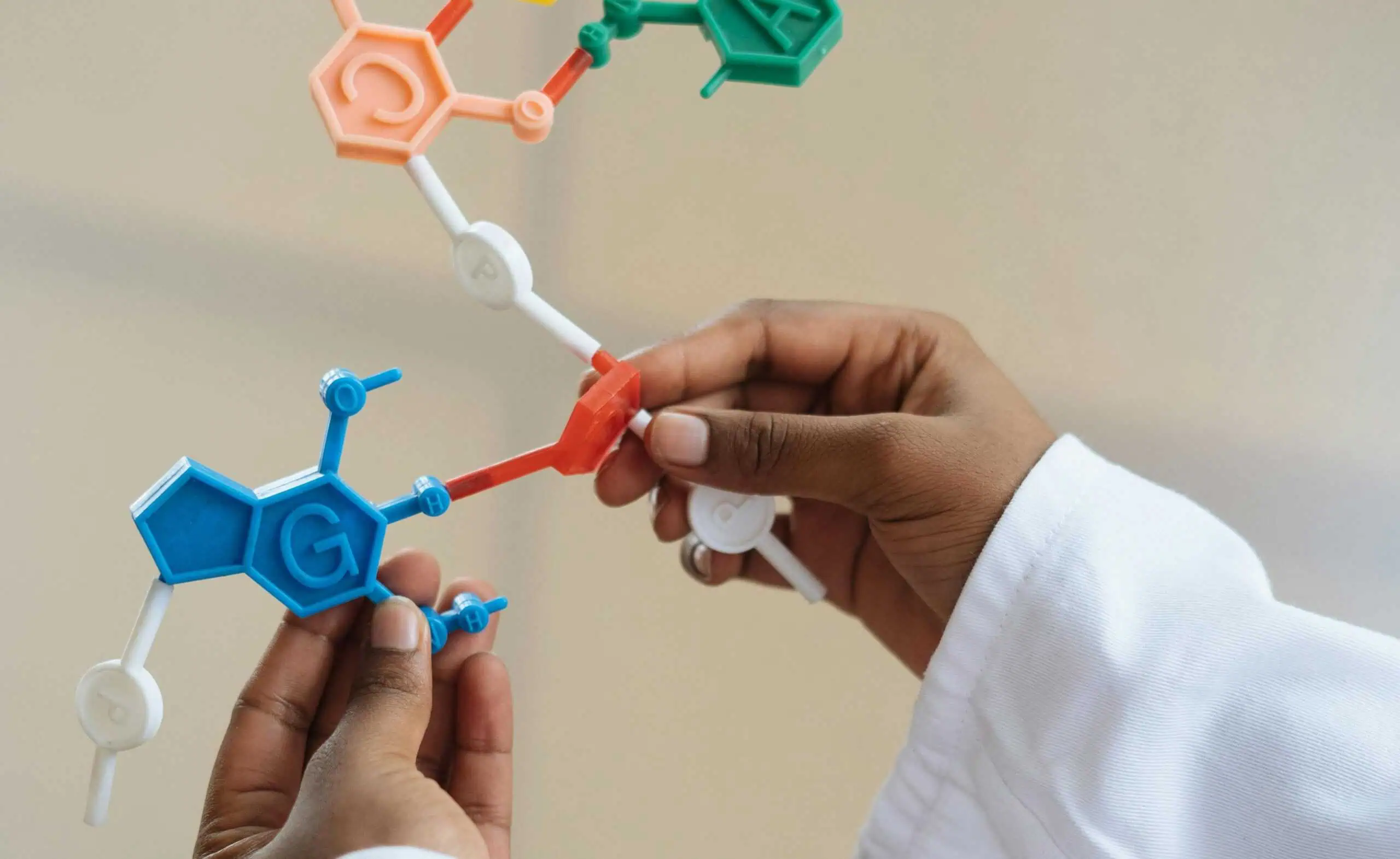
In the early 1950s, James Watson & Francis Crick were trying to figure out DNA’s structure. Enter Rosalind Franklin and her Photo 51 which showed the DNA molecule’s helical shape. However, they almost didn’t get this picture. Without seeing that image, they wouldn’t have made their discovery at that time. It would’ve greatly delayed our understanding of genetics & molecular biology.
Storms Helped Defeat the Spanish Armada
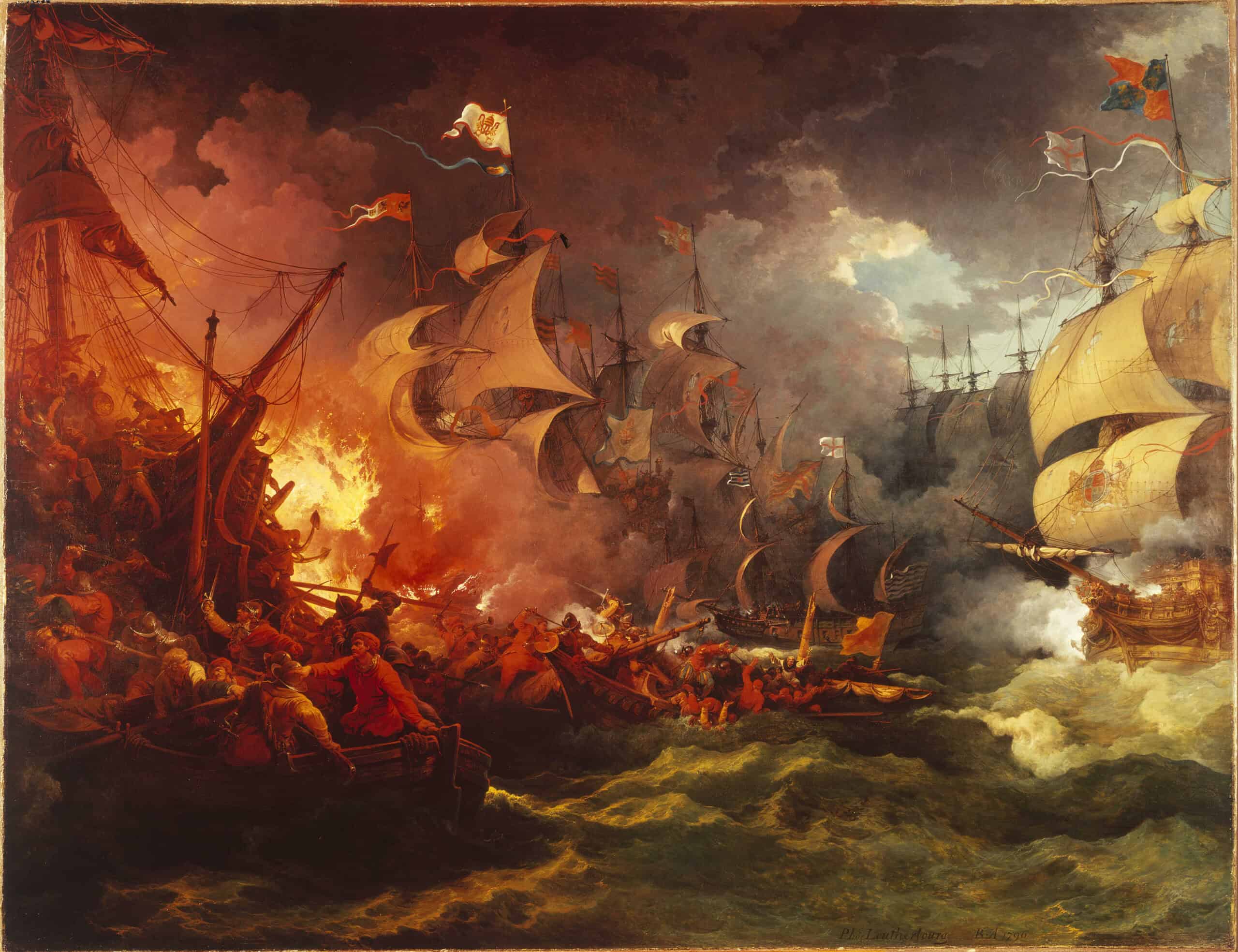
During the invasion of the Spanish Armada In 1588, severe storms in the English Channel disrupted their ships. It scattered them & caused damage. However, the English navy used faster, more maneuverable ships to attack the disorganized Spanish fleet. Had the weather been clear, we’d probably all be speaking Spanish right now!
Bell Almost Didn’t Patent the Telephone in Time

As Alexander Graham Bell tried to patent his invention of the telephone in 1876, Elisha Gray, another inventor, developed a similar device. On February 14, both men independently rushed to the U.S. Patent Office to file their inventions. Bell’s lawyer arrived just a few hours before! Because his application was officially recorded first, Bell received the patent.
One Vote Gave Women the Right to Vote in the U.S.

In 1920, the 19th Amendment was one state’s approval away from granting women the right to vote across America. Tennessee was the tipping point—and the state legislature was split right down the middle. Harry T. Burn, a 24-year-old representative, planned to vote against the amendment. But on the morning of the vote, he received a letter from his mother that convinced him to support women’s suffrage. He switched to “yes.”
Columbus’s Voyage Almost Didn’t Happen
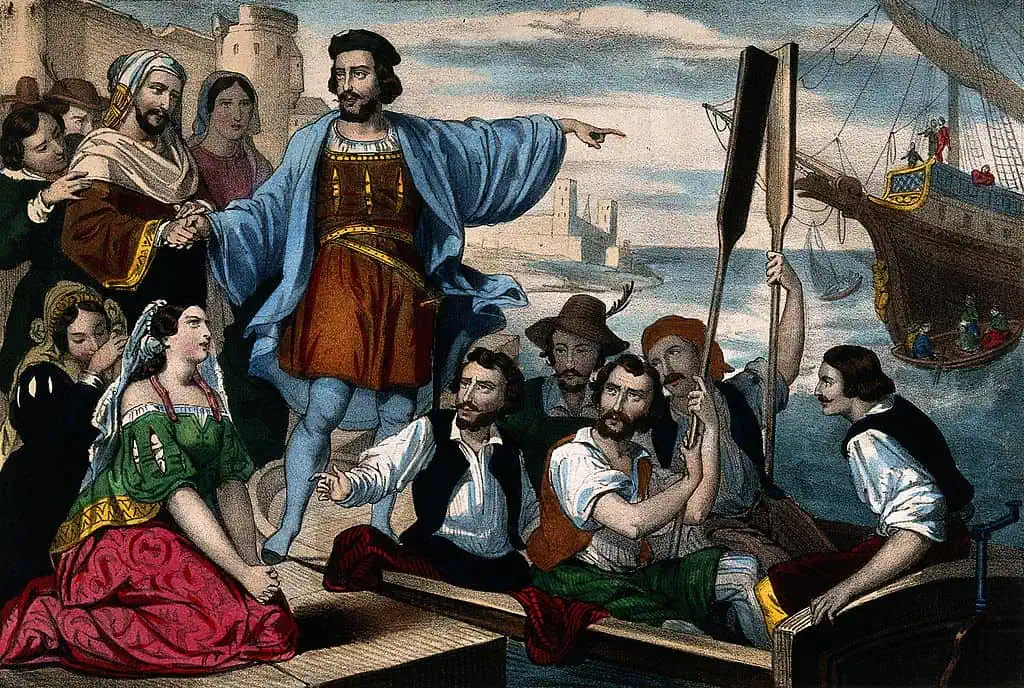
Let’s travel back to the late 1400s. Christopher Columbus was searching for sponsors to fund his idea of reaching Asia by sailing west & he was rejected by Portugal—and the Spanish. King Ferdinand & Queen Isabella of Spain initially turned him down due to the ongoing war with the Moors. Yet in 1492, Spain won Granada in 1492 and the monarchs reconsidered. They agreed to support Columbus’s voyage.
Disclaimer: This list is solely the author’s opinion based on research and publicly available information.
Like our content? Be sure to follow us.
Read More: