Children are like sponges – they take in everything, even the things they don’t know. What adults say in front of them influences their thoughts, emotions and behavior. Talking about certain things will make children anxious about issues they shouldn’t be having to worry about or confuse them about right and wrong. So that’s why it’s so important to be careful with your words when you’re in the hearing range of children. Here are 10 things adults shouldn’t ever say in front of kids.
Featured Image Credit: gstockstudio /Depositphotos.com.
Financial Problems

Kids don’t have to worry about money. When adults discuss debt, bills or financial issues in front of their kids, they might become scared or helpless. They have no idea how money works and may misunderstand situations. For instance, a child may believe that their family is going to lose their house if they hear of missed bills. You can talk about money in private and only tell kids what they need to know about money (e.g., saving money for the little things).
Arguments About Family Members
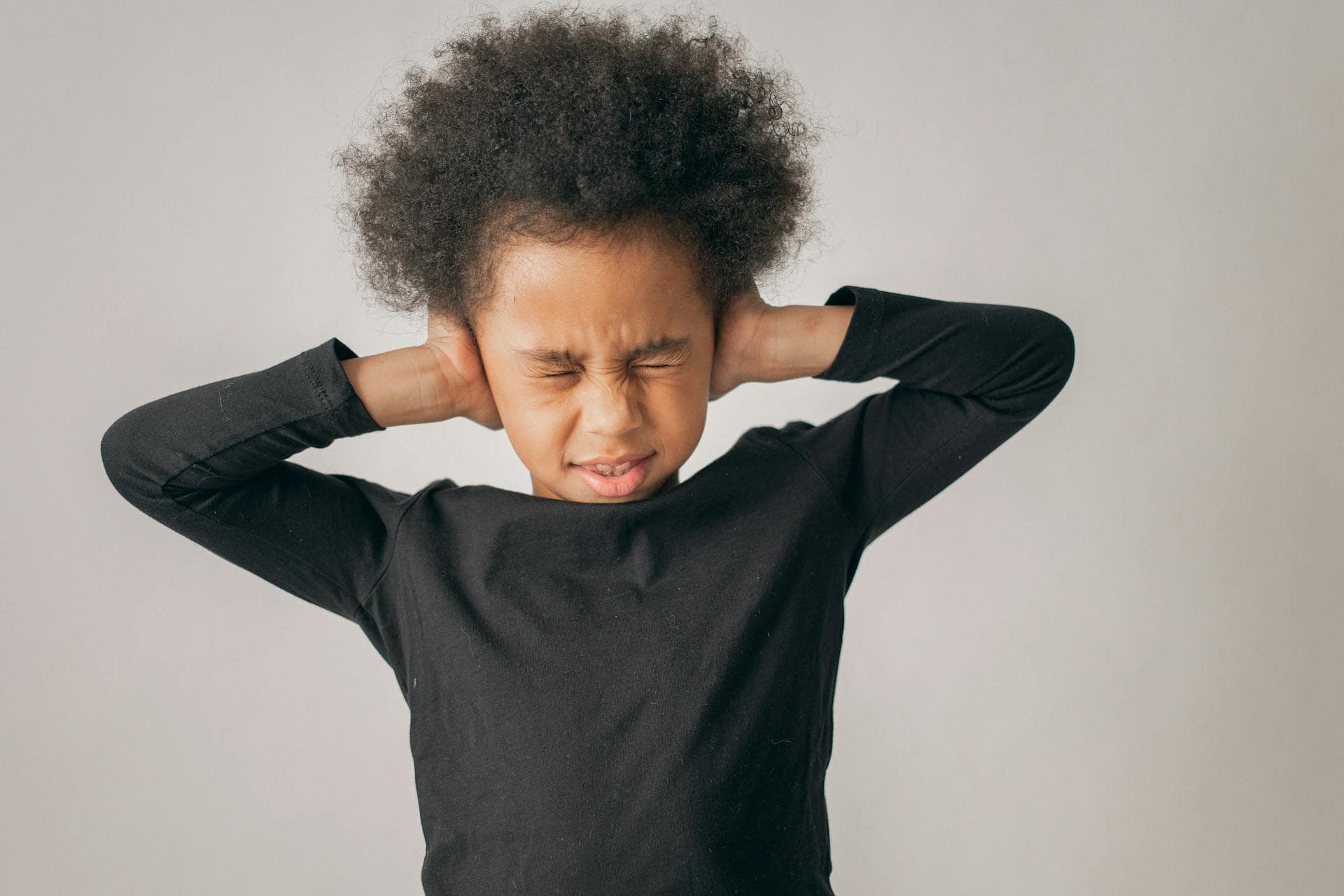
Negative talk with children about family members is pointless. Children generally love family members unconditionally and might not realize why adults are arguing. When someone tells them the wrong things about a grandparent or an uncle, they might be torn between loyalty and disbelief. Family conflicts must be settled in private so children can still be in good standing with everyone.
Like our content? Be sure to follow us.
Adult Relationships or Marital Issues

Children don’t need to know the ins and outs of adult relationships. From fights between the parents to rumors of affairs, it is all too grown-up for them. It can make them question the safety and stability of their family or create unnecessarily stressful thoughts. When parents talk about these things in private, the child feels safe and can focus on just being a kid.
Work Stress or Job Loss

Work problems such as a disagreement with a boss or fear of being fired can be frightening for children. They might not know what is happening, but they could start worrying about moving or not having enough to eat. Children must be protected from adult stress and reassured that it’s all going to work out – even if it does not.
Inappropriate Topics About Violence or Crime

Images of murder, crime or scary news reports can be very overwhelming for children. They are not emotionally equipped to handle so much weight and can begin to experience nightmares or panicking. Rather than talk about them directly, adults should limit the information that kids get and have age-appropriate discussions when kids ask questions.
Gossip About Neighbors or Friends

Kids will repeat everything they’ve heard and gossiping in front of kids sets a bad example. When they listen to adults conversing behind someone’s back, they might think they can do the same. This can result in confusion or conflict when the child shares this information with others. It’s always better to promote kindness and respect in conversations that children can overhear.
Personal Insecurities or Body Image Issues

Children learn so much about how grown-ups talk about themselves. And if they hear them talk all the time about weight, or how bad they look, or how self-conscious they feel, they may have self-esteem problems of their own. For instance, a kid might start worrying about their appearance if they hear adults criticizing themselves. Positive talking and self-acceptance make a healthier environment for children to grow up in.
Details About Divorce or Custody Battles

Divorce is tough enough for kids without being told all the specifics about custody and conflicts. Adults shouldn’t vent their anger or accuse the other parent in front of kids. This can leave kids feeling caught in the middle and unsure of who they should be loyal to. It makes it easier for children to adjust to changes when these discussions are kept private.
Adult-Only Jokes or Topics

Jokes about the adult subject matter, though they seem harmless, are not for children. Children don’t always get it and might repeat the joke in the wrong audience. It’s better to keep these jokes for when kids aren’t involved – keep the jokes kid-friendly around them.
Negative Talk About School or Teachers

Raising complaints about teachers, school discipline or the school system in front of children can affect their attitude toward education. And if they hear grown-ups telling them school is pointless or unfair, then they may start losing motivation to try their best. Positive thinking in education helps children remain engaged and build a strong foundation for their future.
Disclaimer: This list is solely the author’s opinion based on research and publicly available information.
Like our content? Be sure to follow us.
Read More: