

Slavery in the 17th and 18th centuries was the darkest of all times. It was brutality, fear & pain. Millions were taken from their families, forced into labor & used as property. They lost their freedom, their families — even themselves. For enslaved people, each day was a struggle for life. When we understand the reality of slavery, we gain perspective on the strength of those who experienced it — and appreciate why freedom and equality are so important. Here are 11 terrible realities about slavery back then.
Featured Image Credit: Clement Eastwood /Pexels.com.
The Brutality of Forced Labor

Slavery in the 17th and 18th centuries was based on endless hard, painful labor. Enslaved men and women labored from dawn to dusk – sometimes under terrible conditions. On plantations, they worked in fields growing crops like tobacco, cotton & sugar. The work was physically hard & dangerous. Overseers punished anyone who slowed or couldn’t catch up. The cruelty of forced labor shattered men physically and psychologically – leaving no time for rest or healing.
The Loss of Freedom
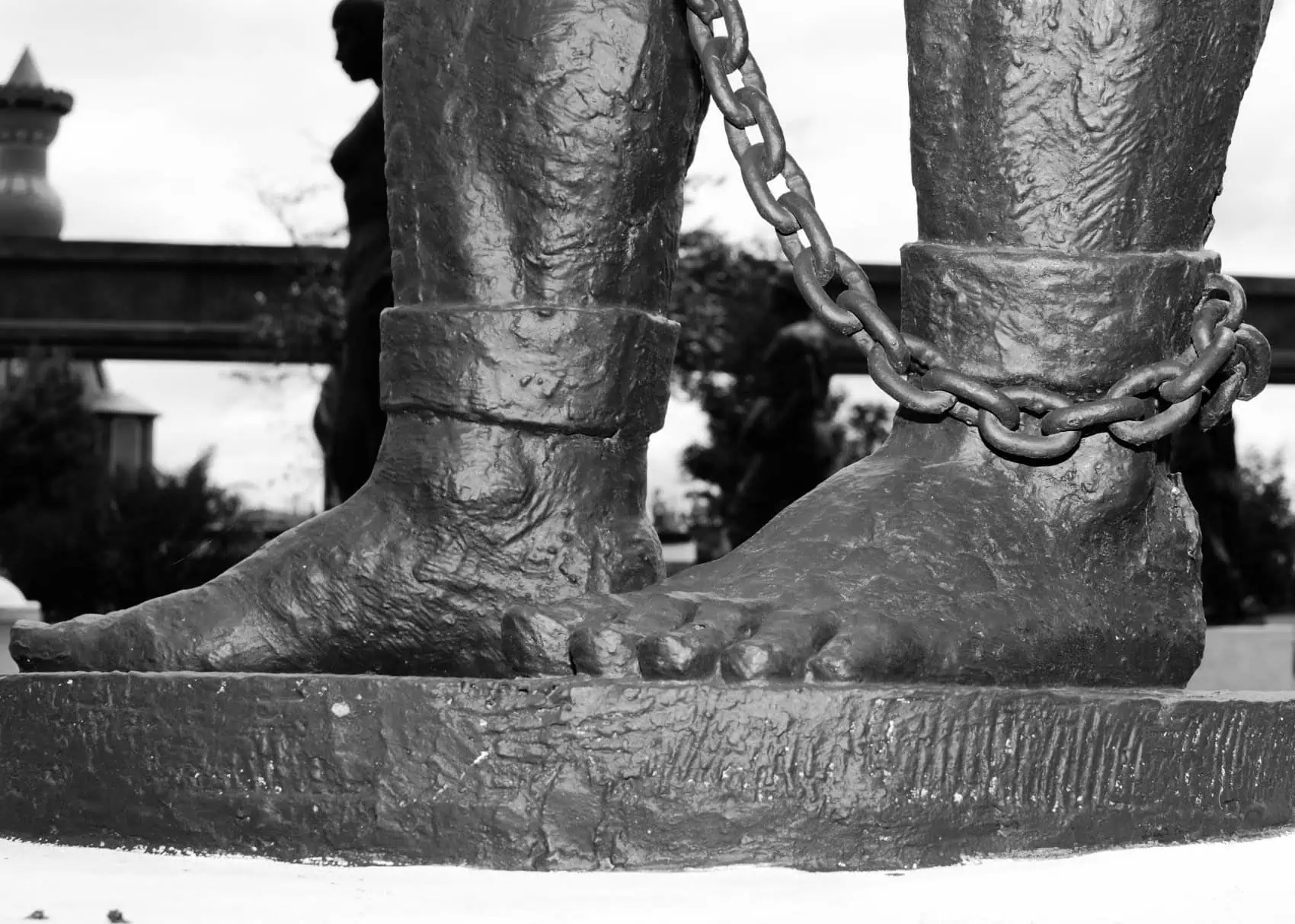
To be a slave meant you had no control in your life. Slaves had no control over where to live, what to do or even who to marry. Their masters were the only ones in charge. Families were broken up when people were sold to different plantations. This lack of freedom was not just physical – it stripped enslaved people of dignity & made them into property in the eyes of law.
Like our content? Be sure to follow us.
The Inhumanity of Auctions

Slaves were bought and sold at auction and were treated like objects rather than human beings. Families were torn apart at these auctions. A mother might be sold to one plantation – her child to another. Such public sales were demeaning and humiliating. Humans were treated like animals – buyers would examine their teeth, muscles and general fitness as a measure of “value”.
Constant Fear of Punishment

Slavery was a life of terror. Slaves lived with constant threat of punishment for even the slightest mistake or resistance. Punishments varied from whipping and branding to the most extreme torture. Such violence was used to keep tyranny in place and discourage rebellion. Physical fear kept the masses in check — but it left deep psychological wounds.
The Destruction of Families

Slavery often dissolved family relationships. Marriage among slaves wasn’t legal, so families weren’t protected. The owners could separate wives and husbands, parents and children – as they saw fit. Losing a loved one was a common, terrible experience. Despite this, many enslaved men and women tried to maintain their family connections against all odds.
The Denial of Education

The majority of slaves were never allowed to learn to read or write. Education was perceived as dangerous since it would allow slaves to question their situation or organize resistance. Slave owners passed laws prohibiting educating slaves lest they become harder to handle. Without access to information, many were trapped in a cycle of dependence and oppression.
The Stripping of Cultural Identity
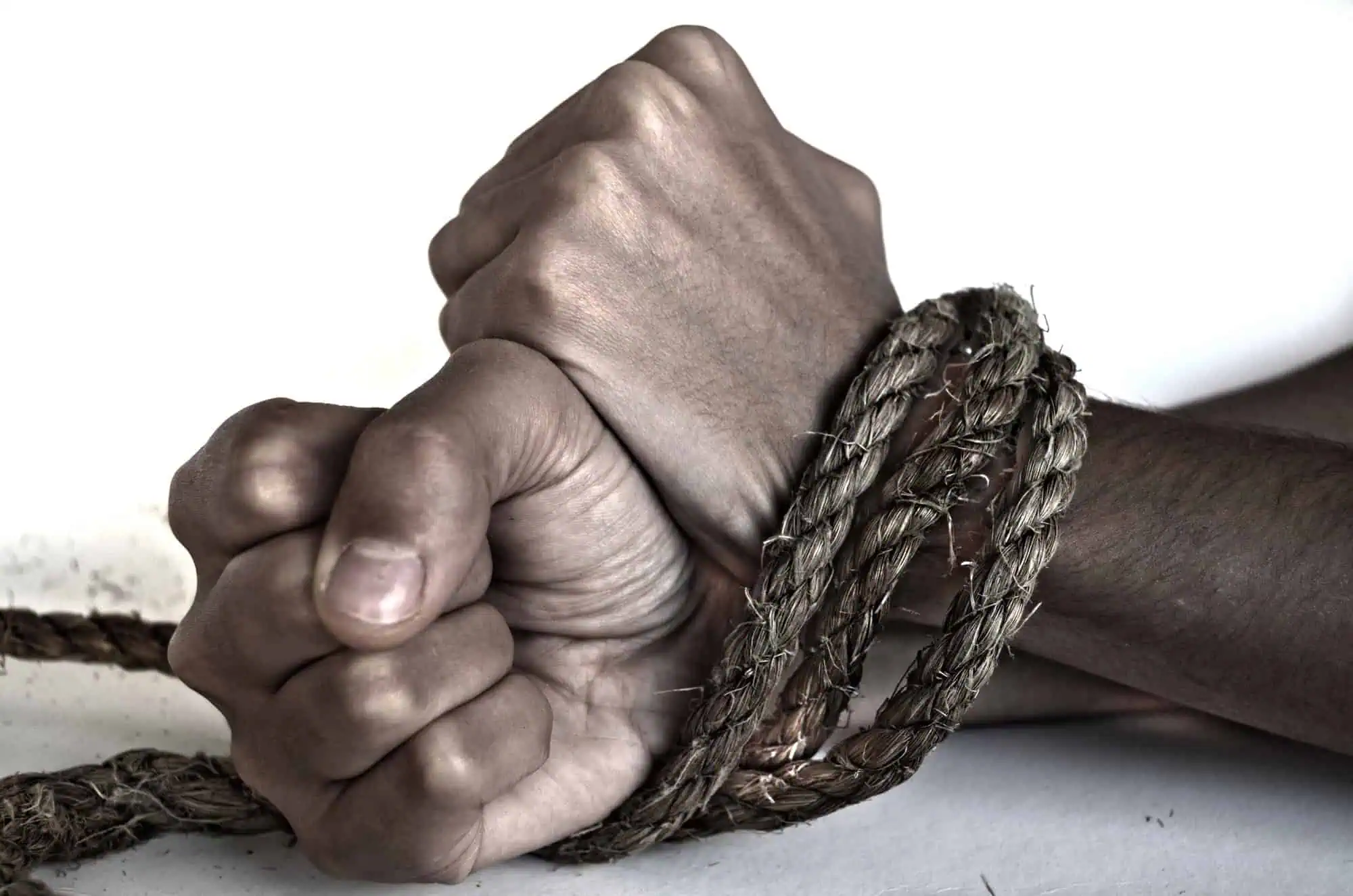
Slaves were taken from their homelands in Africa, stripped of their languages, customs & religions. They were forced to conform to their owners’ culture and religion. This erasure of identity was intentional and meant to leave enslaved people feeling cut off from the outside world. Even so, they tried to retain fragments of their history, secretly passing down stories, songs and customs.
The Exploitation of Women

Enslaved women faced unique horrors, with owners or masters routinely sexually abusing them. They weren’t legally protected and couldn’t refuse. Many were forced to have children, who would then also be property of the proprietor. This exploitation was both personal and a deliberate way to create more slaves without buying more.
The Threat of Rebellion and Retaliation

Some slaves rebelled against oppression or ran away. But such feats of courage came at a great cost. The sentence, if convicted, was death or brutal torture. Plantation owners lived in constant fear of revolt and responded with brutal crackdowns – this created an environment of mutual distrust and violence. Resistance was a constant struggle. But it showed the unbreakable spirit of those seeking freedom.
The Economic Dependence on Slavery

The Southern economy was based on slavery. Plantations needed cheap labor to grow cotton and tobacco, which made the economic base of the region. This economic dependence also made slavery ingrained in Southern society. Wealthy planters did all they could to keep the system alive, even at the expense of human lives.
The Fight for Survival

Unthinkable suffering was imposed on enslaved people, but they survived and fought. They developed communities, helped one another, and passed down narratives of hope and resilience. They maintained their spirits through songs, spirituals, and hidden acts of defiance. Even through the horrors of slavery, most held on to the promise of liberty and persevered against oppression with remarkable strength and humanity.
Disclaimer: This list is solely the author’s opinion based on research and publicly available information.
Like our content? Be sure to follow us.
Read More: