

A lot of times, being middle class feels like you’re stuck in the middle—making enough to stay afloat but not enough to stop worrying. Prices keep going up, and it’s easy to lose money in ways you don’t even notice. This isn’t about extreme budgeting or giving up everything fun. It’s just about being a little smarter with everyday choices.
These 17 frugal habits aren’t the same tired tips you hear all the time—they’re practical, a little unexpected, and they actually help you keep more of your money without making life feel smaller.
Featured Image Credit: belchonock /Depositphotos.com.
Stop Buying “Just in Case” Items

Those random things you grab because “you never know” end up stuffed in a drawer, collecting dust. It might feel smart at the moment, but over time, these little purchases stack up—financially & physically. You don’t need that second tape measure or third phone charger. Wait until the actual need shows up before spending.
Use the Public Library Like It’s Your Personal Office

This place is criminally underrated. It’s not just books—libraries offer free Wi-Fi, cheap printing, movies, audiobooks, and sometimes even classes or museum passes. Many even have quiet coworking spaces that beat any overpriced café. You’re already paying for it through taxes, so why not use it like it’s yours? You’ll be surprised how much you can stop paying for when you start using the library.
Actually Check the Unit Price of Groceries

Two-for-one sounds great—until you realize the smaller size is actually cheaper per ounce. Look at the fine print under the price tag, especially on snacks, pantry staples, and cleaning supplies. It takes two seconds & saves more money than you think over time.
Get Boring with Food

There’s nothing wrong with repeating meals. Having a weekly routine with cheap, simple dinners (like stir fry, chili, rice bowls, and soup) cuts down on food waste & impulse takeout. You don’t have to be a foodie every night—some nights, a plain grilled cheese just gets the job done.
Shop at Thrift Stores outside Your Area

If you only thrift where you live, you’re probably missing out. Go a few towns over, especially to areas with higher-income zip codes. You’ll often find gently used or even brand-new clothes, cookware, home goods & books for next to nothing.
Set Your Thermostat Like You’re Paying Per Degree
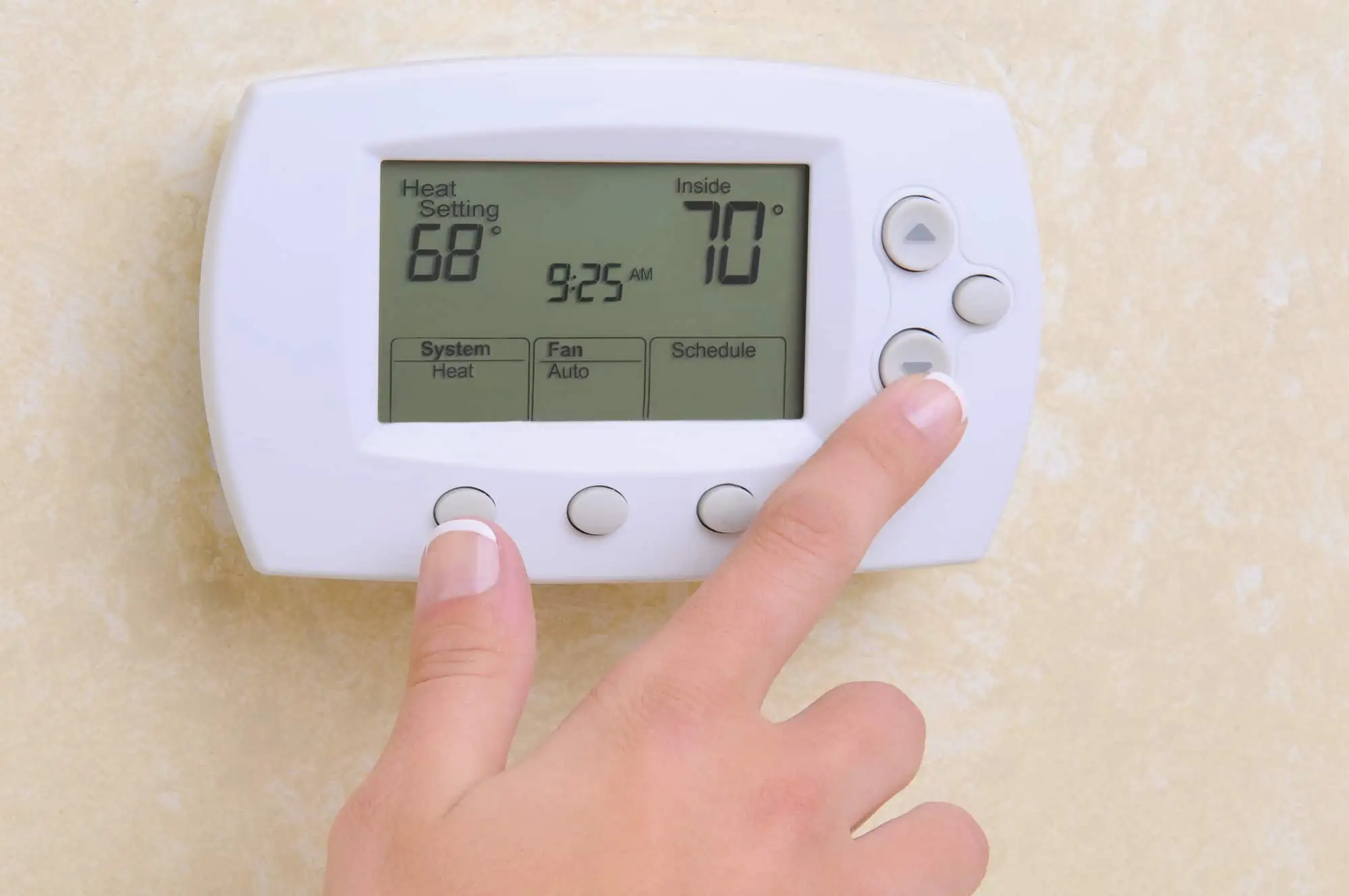
Because you actually are. One or two degrees can make a noticeable difference on your bill, especially in winter & summer. Bundle up inside or crack a window strategically—don’t just blast the AC because you’re slightly uncomfortable. Adjust slowly & give your body time to adapt.
Say No to Extended Warranties

They’re sold on fear—what if your item breaks? But most of the time, they never break within the extended period. And if it does, you still end up jumping through hoops just to maybe get it covered. Just put that money in your emergency fund or savings account where it can actually help when you need it.
Split Subscriptions with Family Or Friends

Don’t carry all those streaming & cloud storage fees on your own. Services like Netflix, Spotify, Apple, or even Amazon can be shared across households (legally or semi-legally, depending on the service). Talk with siblings, cousins, or trusted friends—most people are paying for more than they use, and sharing lightens the load for everyone.
Learn the ‘Fix It’ Basics
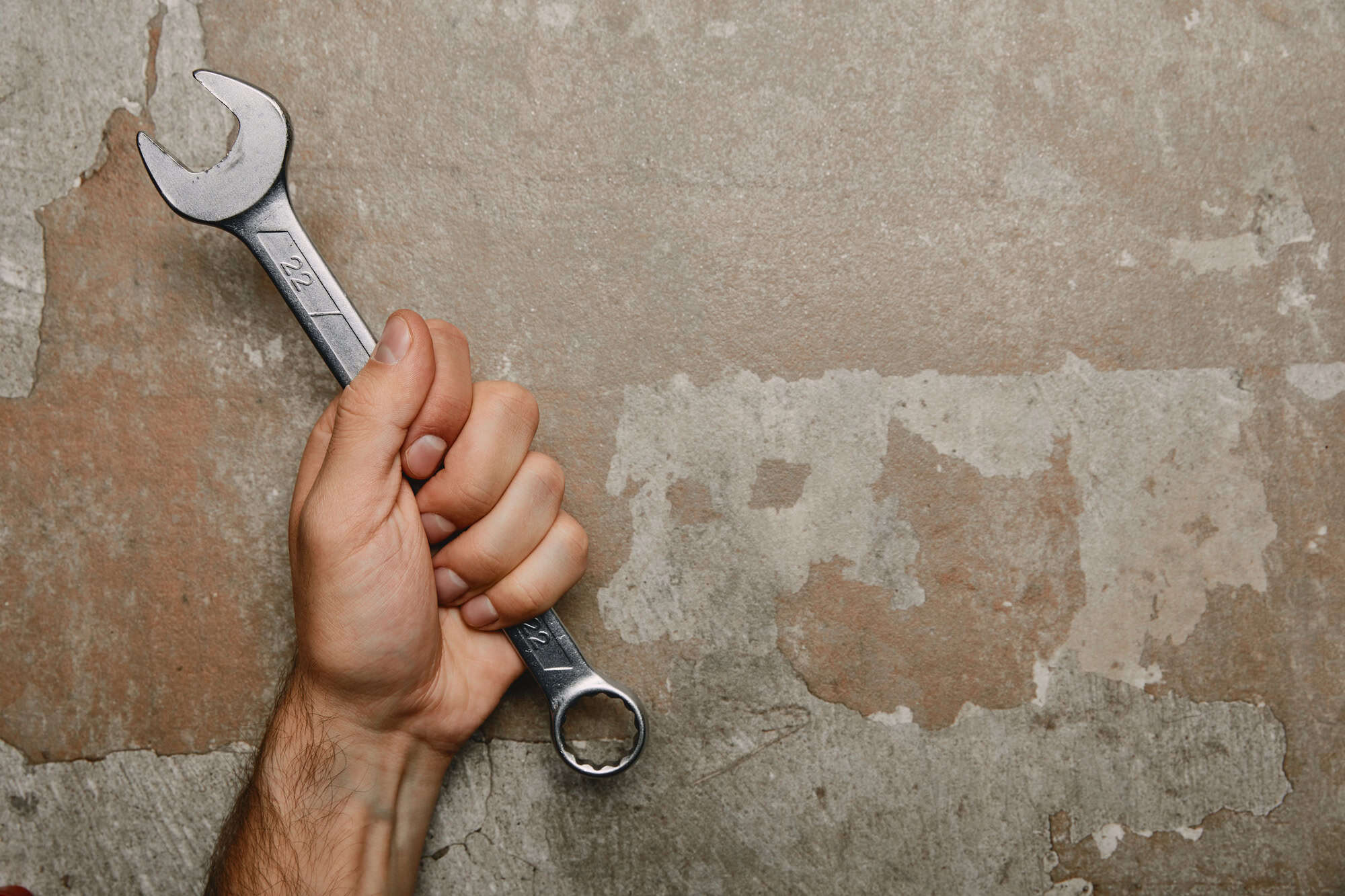
Most small fixes cost less than $5 in parts and a YouTube search. Calling in help for every little thing is expensive. Build confidence by starting small. Your wallet will thank you, and so will your future self.
Use Cash for Fun Money

It’s easy to overspend when everything is digital. Pull out your fun money in cash at the start of the week, and when it’s gone—it’s gone. There’s something about handing over real bills that makes you second-guess whether that $8 smoothie is worth it. It’s not about going full envelope system—just giving yourself a limit that feels real.
Stop Upgrading Tech When Yours Still Works

If your phone still calls, texts & loads the apps you need, it’s fine. The latest version might look sleeker, but unless your current one is glitching out, hold off. The same goes for tablets, laptops, and even appliances. Upgrading just because you’re bored or curious is one of the easiest ways to blow money without realizing it.
Freeze Food Before It Goes Bad—Even the Weird Stuff

People always freeze meat & bread, but things like shredded cheese, cooked rice, chopped herbs, & milk (yes, milk) can be frozen too. Keep a “use it later” bin in your freezer. You’ll save yourself from tossing $20 worth of food every couple of weeks.
Ditch Single-Use Cleaning Products

You don’t need a special spray for every room. A simple mix of vinegar, dish soap, & water can clean glass, counters, and even some floors. Keep one all-purpose bottle under the sink and refill it instead of buying five versions of the same thing in different colors & scents.
Use Discount Gift Cards Like Coupons

Sites like Raise or CardCash sell gift cards to popular stores at a discount. So if you’re about to make a Target run or order pizza, check if you can snag a $50 card for $43 first.
Keep a ‘No Buy’ List

We all have stuff we buy out of habit or boredom—candles, mugs, new skincare, journals. Make a running list of things you don’t actually need more of & refer to it when you’re tempted. It’s the opposite of a wish list—it’s your wallet’s “do not disturb” zone.
Borrow before You Buy

You don’t need to own everything you use once a year. That punch bowl, power drill, folding table—they’re out there, probably collecting dust in someone else’s closet. Ask a neighbor, text a cousin, or drop a quick post in a Buy Nothing group. Most people are happy to lend, and you save yourself from buying stuff you’ll just end up storing.
Put Your Savings on a Visual Tracker

Seeing your progress—even just shaded bars on paper—is way more motivating than a number on an app. Hang it on the fridge or tuck it in your planner. The visual reminder helps you stay consistent, especially when the goal feels far off.
Don’t Chase Cheap—Chase Durable

Frugality doesn’t always mean buying the lowest price—it means spending once & smart. A $20 pair of shoes that fall apart in two months ends up costing more than a $70 pair that lasts two years. Focus on value, not just price tags.
Stop Trying to Impress Broke People

Sounds harsh, but it’s true. A lot of people overspend to keep up with others who are also secretly struggling. That “cool” lifestyle they’re projecting? Probably financed by credit. Spend based on your goals, not someone else’s image.
Disclaimer: This list is solely the author’s opinion based on research and publicly available information.
Like our content? Be sure to follow us on MSN.
Read More: