

Cars have always been a place for our wildest ideas to come alive and while some of these stuck, others didn’t have the same luck. In the past, automakers would try everything to seem cutting-edge and some of these ideas really felt like a look into the future—until they disappeared. Here are fourteen forgotten car features that seemed futuristic at the time. How many of them do you remember?
Featured Image Credit: VitalikRadko/Depositphotos.com.
Swing-Away Steering Wheels

In some ‘60s car models, you could turn off the ignition and your steering wheel would just move out of the way—the whole wheel moved toward the center console to make it easier to get out of the driver’s seat. While it was a cool idea, it didn’t last for long because it was entirely mechanical and only moved when the car was in park. You still had to lift yourself out, but it gave you a little more elbow room and it was scrapped in favor of more straightforward designs.
In-Car Record Players

Car manufacturers used to think it’d be fun to spin vinyl while driving and they allowed you to load tiny records right into the dash, which sounded great until you hit a pothole. Then, the music would skip like crazy because turntables and bumpy roads don’t get along. The records were specially made for the car—they spun slower than usual to squeeze in more music and you had to buy them directly from the manufacturer. They didn’t have much variety, either.
Digital Dashboard With Touch Controls

Long before tablets were a thing, cars like the Buick Reatta had a touch-sensitive screen that looked like a microwave display and allowed you to control things like the climate & the radio. It was good—but only for about 5 minutes, as there was too much lag and it broke very often. The screen was also made of plastic and rather sensitive, which meant fingerprints & scratches showed up much too easily. You were often stuck pressing buttons that didn’t do anything.
Pillarless Hardtops

Pillarless hardtops allowed you to roll down all the windows without a metal frame between the front & back seats—just open air and uninterrupted views, which looked amazing. However, it wasn’t great for safety, especially if there was a rollover, and the doors also didn’t seal as well. They’d later creak or leak if the body flexed even a little.
Third Pedal “Deadman’s Switch”
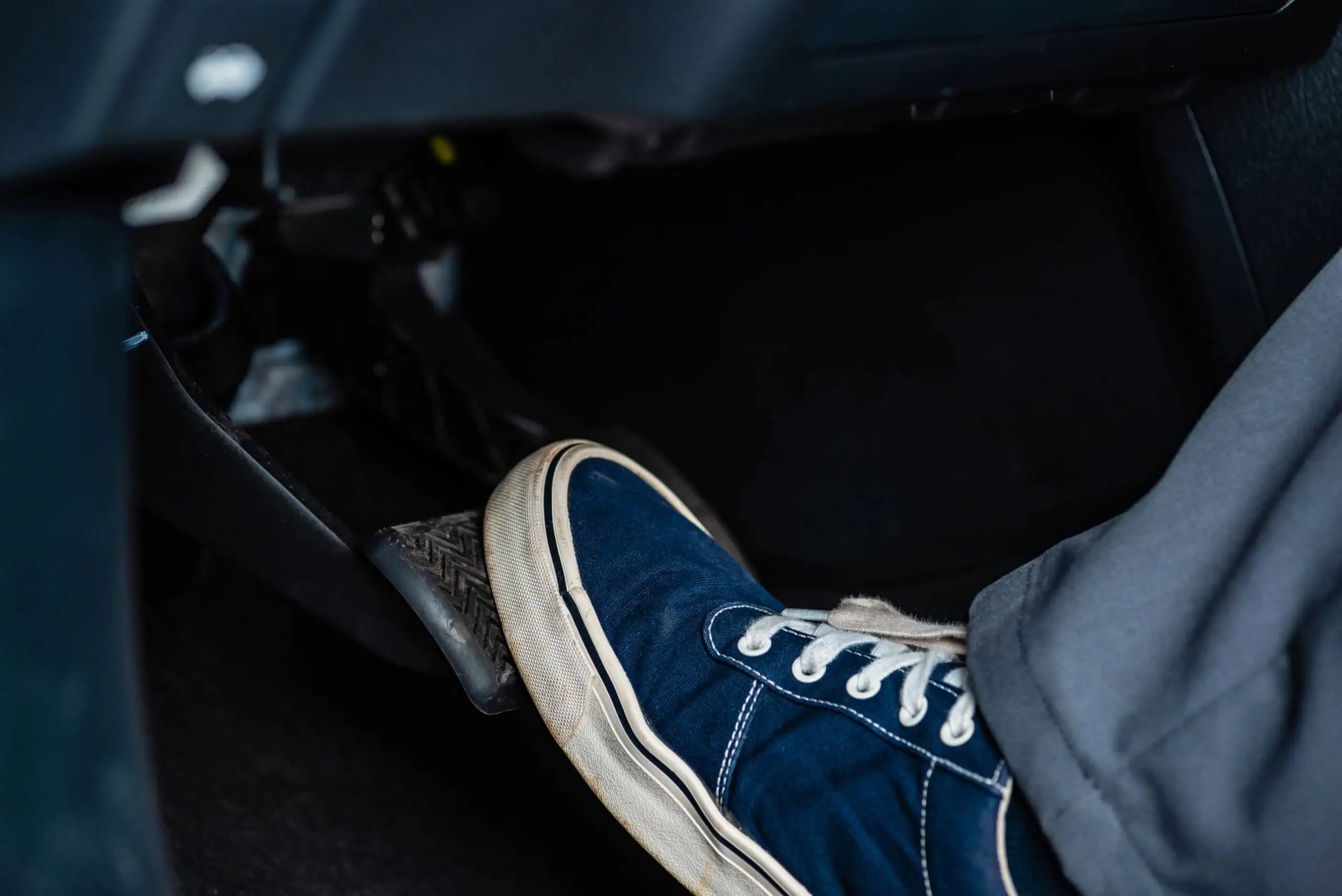
Some cars had a pedal that you had to press or the car wouldn’t start, with the goal being to stop people from starting the engine while standing outside. It’s a good idea, in theory, but it was really just another hassle, as this extra pedal sat where a clutch might be, even though the car had an automatic transmission. It confused test drivers and wasn’t exactly intuitive, although it came with other safety ideas that included seat belts & pop-out windshields.
Onboard Vacuum Cleaners

Although this wasn’t that long ago, it still feels rather strange—Honda built a vacuum cleaner right into the trunk of its minivan, which meant you never had an excuse for a messy car again. The vacuum hose stretched across the whole cabin and this made cleaning up spills much easier—it also ran off the car’s power and didn’t need to be plugged in. It worked well until Honda quietly swept it under the rug after a few years due to high production costs.
Automatic Seatbelts

Anyone who drove in the ‘90s might remember automatic seatbelts, which buckled you in whether you liked it or not—it’s no surprise that most people found them awkward or annoying. It was worse if they stopped working and they didn’t protect your lap either, so you still had to manually buckle the lower belt. Leaning forward too fast would make them catch you in the neck and they also made a lot of noise, so by the time airbags became common, these features disappeared.
Yoke Steering Wheel
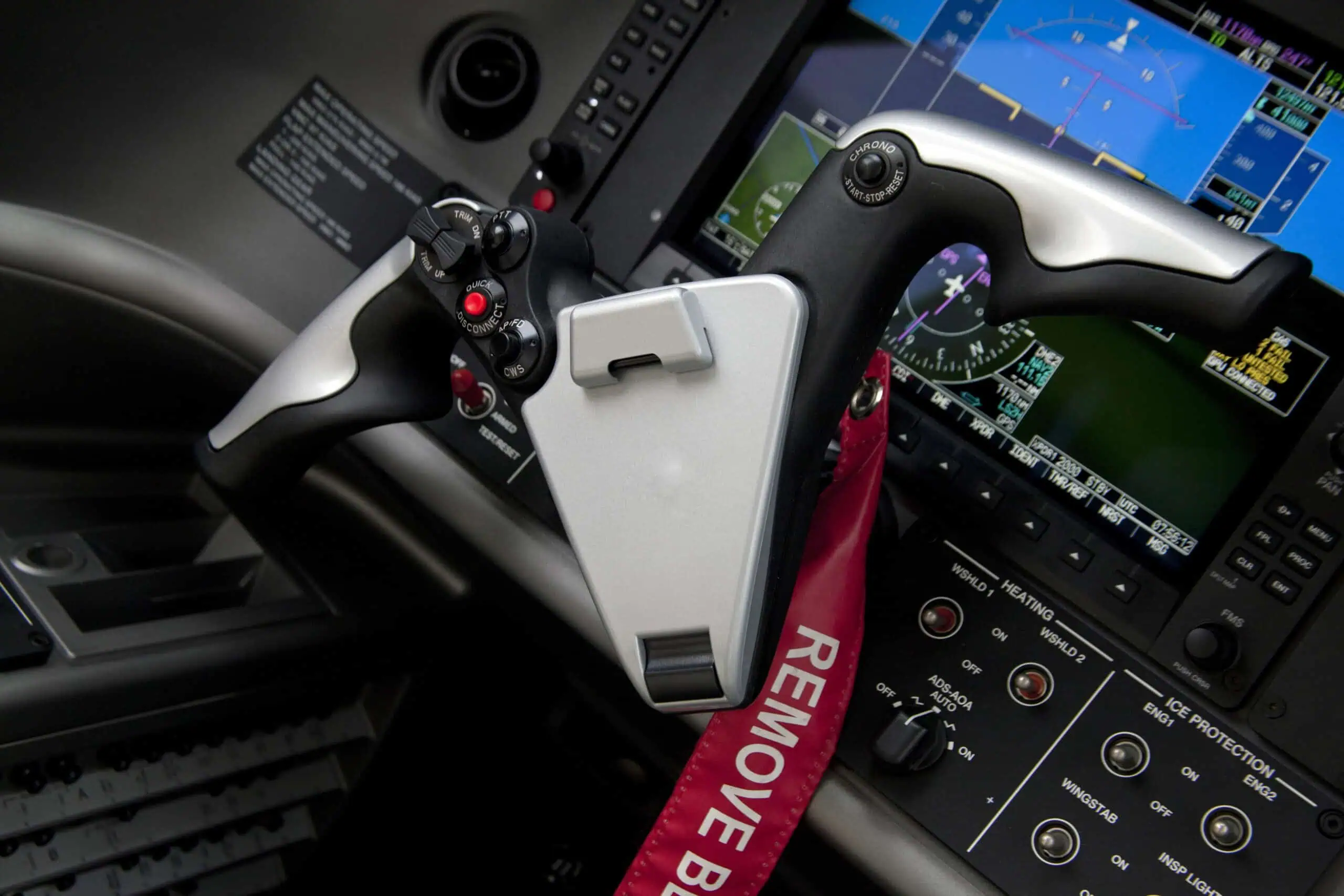
Before yoke wheels became a Tesla thing, Oldsmobile tried it out in the ‘80s and one model had a weird half-wheel setup that made your car look more like a cockpit. It never made it into production, but it did surprise people at auto shows, as the yoke had buttons for everything—turn signals, lights, even wipers—all built in. You didn’t need stalks or levers. The whole car was loaded with screens and sensors that nobody really knew how to use.
External Temperature Thermometer

Cadillac cars used to have a round thermometer mounted outside, right on the side mirror, which meant you could just glance over and see how chilly it was—no wires, no screens. The thermometer was filled with alcohol-based fluid and sat in a metal casing that looked like a tiny watch. It worked fine, as long as you weren’t driving in direct sun, and it was one of those “extra” touches that made you feel like you had something fancy, even though it didn’t really do much.
Talking Cars
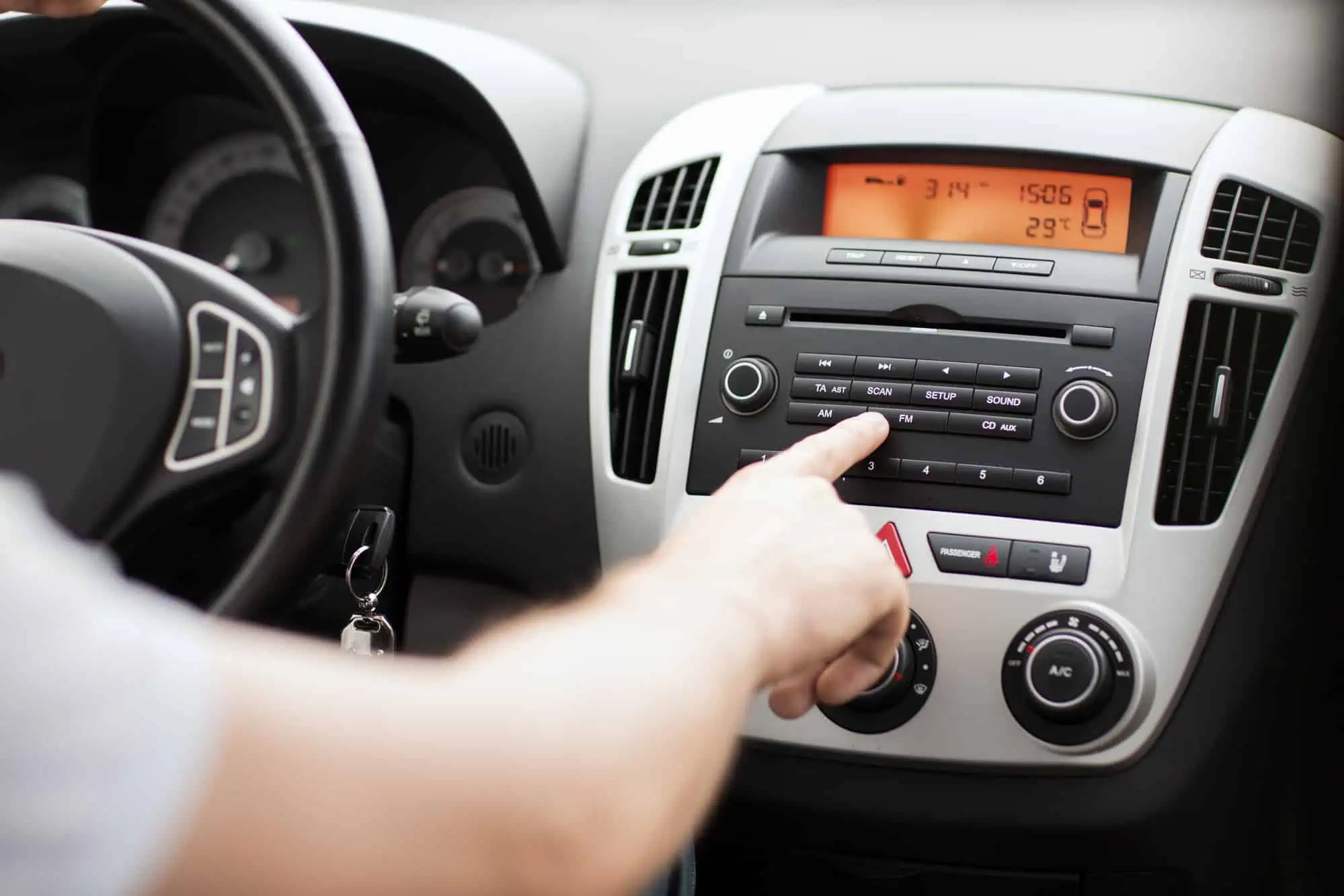
Back in the early ‘80s, the Maxima was a car that would talk to you, but not in a helpful GPS voice—it sounded more like a robot assistant from a sci-fi movie, saying things like “Lights are on” or “Fuel level is low.” It was very serious and it felt like your car had a mind of its own, although it didn’t respond to you or take voice commands. Instead, the system used a little speech chip that could store short phrases, so it just talked at you.
Joystick Driving Controls

GM once made a one-seat concept car where you drove using a joystick instead of a steering wheel—it felt like you were playing a video game, as the accelerating, braking & turning were all done with a stick. While it looked cool in demos, it probably wasn’t ideal when parallel parking or trying to avoid crashing, especially since the whole car leaned into corners like a motorcycle. It had one wheel in the back, two in the front and could hit 80 mph, so it definitely wasn’t built for the grocery run.
Auto Dimming Headlights

The “Autronic Eye” was a little box on your dash that dimmed your headlights for you if another car was coming and it was quite forward-thinking for the ‘50s. However, the technology was dodgy at best—sometimes it worked great, but other times, it got confused by streetlights. The sensor was mounted on the dash like a mini periscope and pointed through the windshield, so if it saw light, it triggered a relay to lower your brights. The system malfunctioned way too often for it to be useful.
Backseat Intercom Systems
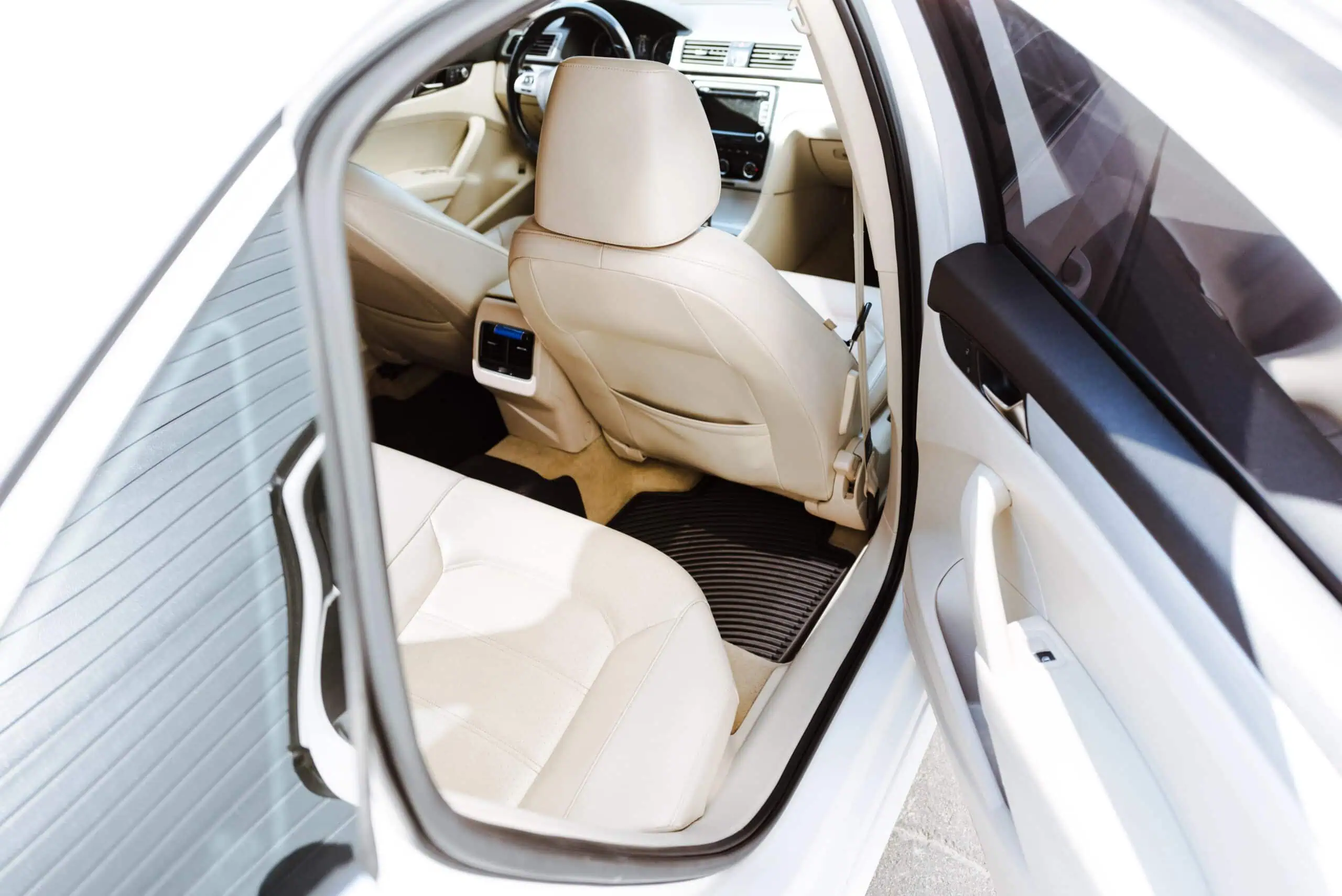
Toyota’s luxury Century sedan had a built-in intercom so the driver and rear passengers didn’t have to raise their voices. Although it might sound ridiculous, the back seats had their own climate zones and were practically a limo—the system worked even with the window between the front and back seats closed. The intercom was voice-activated and used small speakers in the headrests. Unfortunately, the Century was mostly sold in Japan and was used by business executives and officials, so most people didn’t get to experience it.
Built-In Ice Makers

In the ‘80s, a few Toyota vans came with a small cooler box that you’d plug into the AC system to keep drinks cold—there was even an optional mini ice maker built into the dashboard. It ran off the same system that cooled the cabin, so as long as you left the AC on, it stayed cold. It didn’t make much ice at once, but it was enough to impress the majority of passengers on road trips.
Disclaimer: This list is solely the author’s opinion based on research and publicly available information.
Like our content? Be sure to follow us on MSN.


