
As great as the American democratic system might be, you can’t deny it has its flaws. For example, the way votes are counted & the options on the ballots themselves—they seriously need changing. And let’s not even get started on the Electoral College! Here are thirteen facts that show the American electoral system is failing us and why it needs to be changed.
Featured Image Credit: IgorVetushko /Depositphotos.com.
Electoral College Disproportionality

Whenever you feel like your vote doesn’t count as much as someone else’s, in some ways, you’re right. The Electoral College makes votes from less populated states like Wyoming more powerful than those from a state like California. This setup has led to instances where a candidate wins the presidency without getting the popular vote—for example, in 2000 and again in 2016.
Gerrymandering
Gerrymandering involves politicians redrawing district boundaries to favor their party. This greatly skews election results and many states have called out this tactic for being unfair. Unfortunately, it’s still legal & it just goes to show how underhand some politicians can be to stay in power.
Like our content? Be sure to follow us.
Lack of Representation for Territories

Essentially, living in Puerto Rico, Guam or the U.S. Virgin Islands means you’re watching the presidential election from the sidelines—even though you’re a US citizen. People living here are part of a nation yet don’t have a voice in its leadership. It’s a clear gap in the democratic process that leaves millions of people feeling disconnected & undervalued.
The Two-Party System
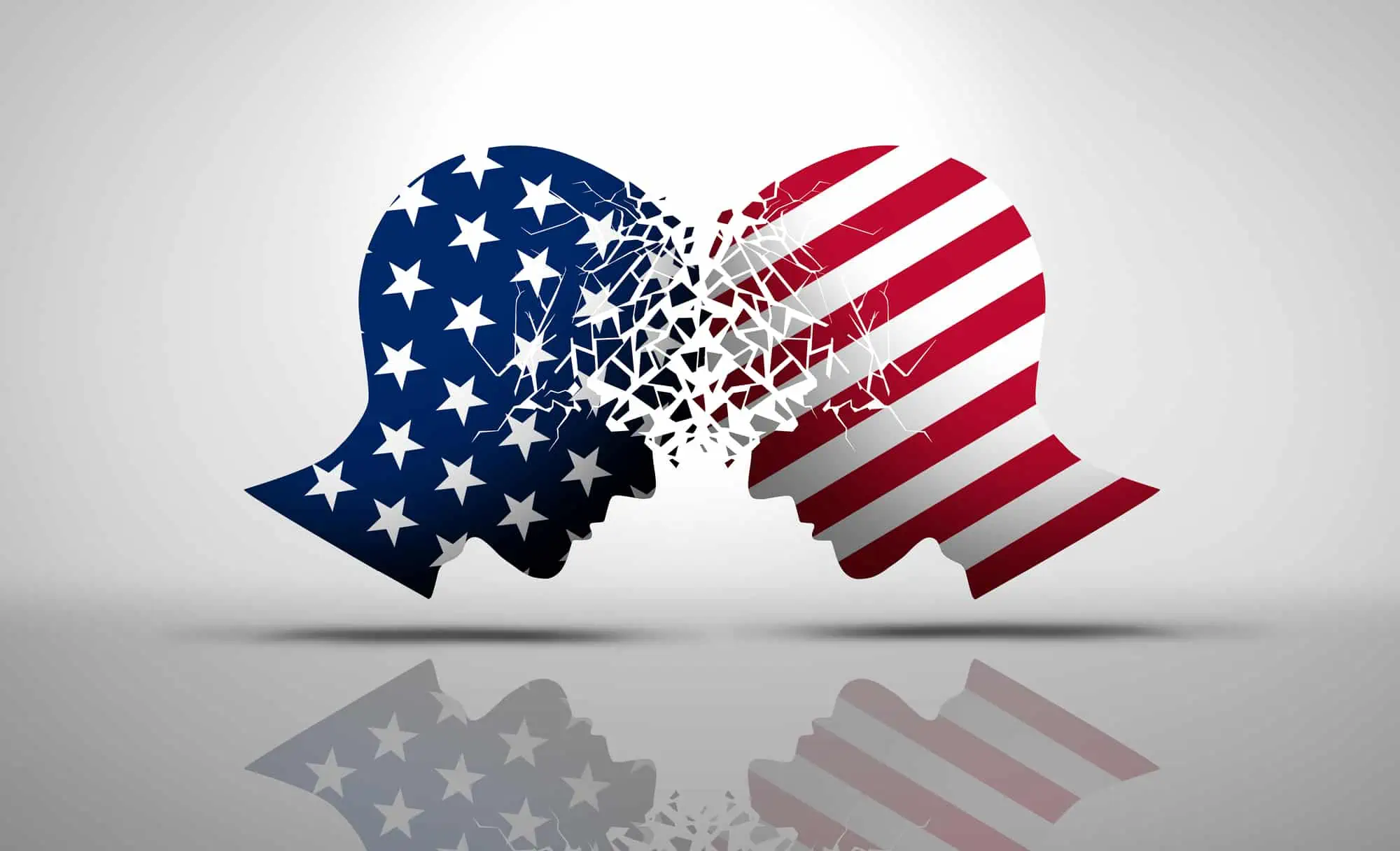
Dealing with the U.S. political landscape is like being stuck choosing between the lesser of two evils, thanks to our two-party system. This setup sidelines any third-party or independent candidates who could have new ideas. It forces voters into a narrow corridor of political choice, despite their wishes for more diversity in political options & viewpoints.
Campaign Finance
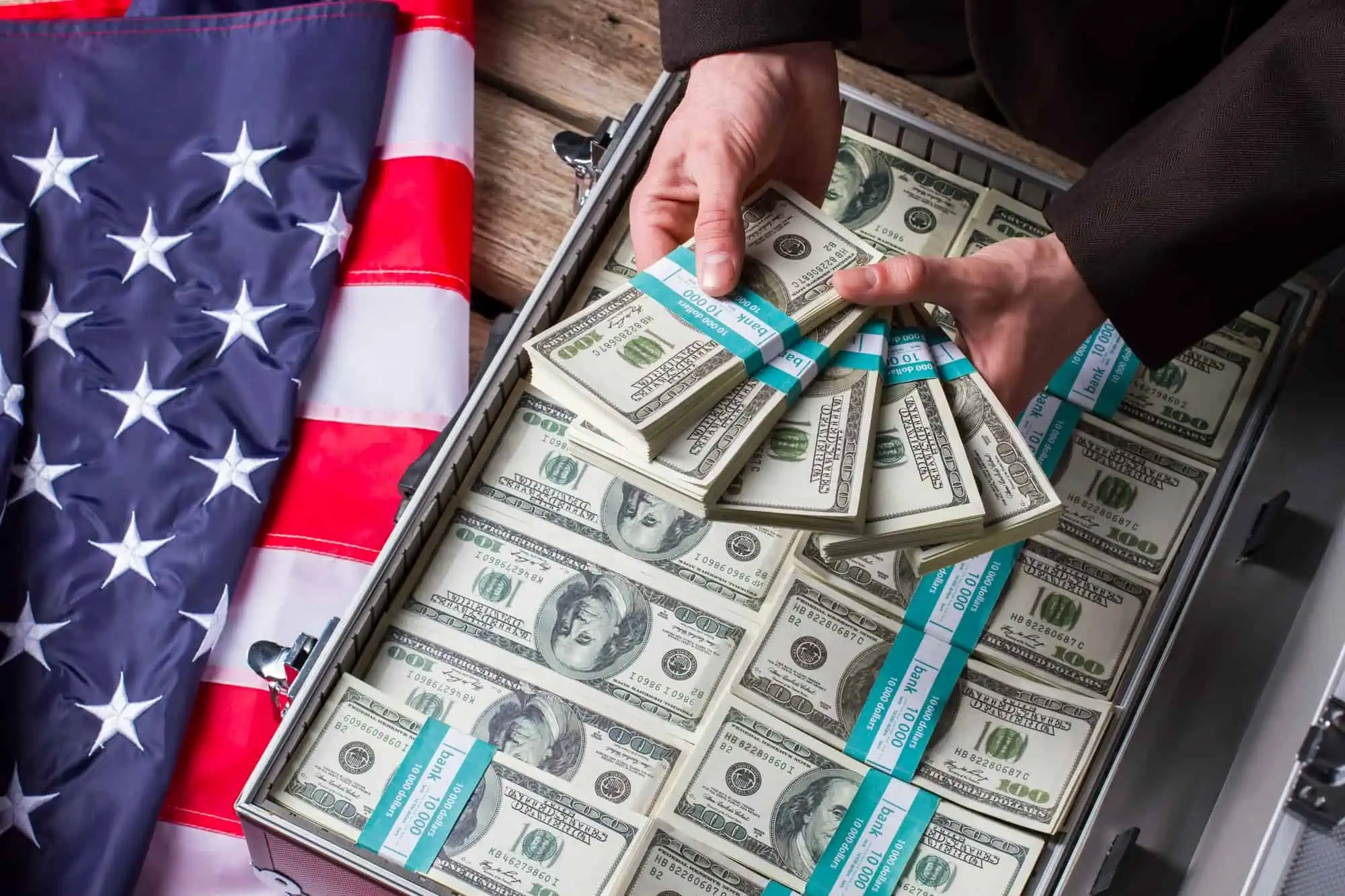
The saying “money talks” is especially true for American politics. After all, the sheer amounts of cash required to run a successful campaign mean that those without significant financial backing get drowned out. Wealthy donors & special interests have a huge influence—can your vote really compete with big money?
Disenfranchisement of Felons
Losing your voting rights because of a felony conviction is a reality for many Americans, creating a significant barrier to full reintegration into society. Unfortunately, this kind of disenfranchisement disproportionately affects communities of color. It punishes individuals & silences voices that deserve to be heard. They’ve done their time so why shouldn’t they get to vote?
Inconsistent Voting Systems

With each state setting its own rules for how voting is done, the process is rather different across the country. Naturally, such differences cause confusion & mistrust among voters who wonder why their experience at the polls is so different from other states. It’s no wonder that many people don’t have confidence in the electoral process—democracy doesn’t seem very efficient.
Lack of Automatic Voter Registration
Not being automatically registered to vote when you turn 18 is another unnecessary barrier. Many other countries do it automatically yet we force people to register themselves and this hurdle disproportionately affects young people & marginalized groups. Many people are left voiceless & disengaged from the political process as a result.
Limited Voting Hours and Locations

Many people feel like the odds are stacked against them when they vote, especially if they live in an area with scarce polling places & restrictive hours. It’s a real test of patience and commitment—and for some, the test is too hard to pass. Essentially, people who can’t afford to wait in line for hours or travel long distances are silenced.
No Mandatory Voting

In countries like Australia, voting is compulsory but in America, participation rates depend on voter enthusiasm & accessibility. As such, we get governments that don’t necessarily reflect the will of the majority. How representative is our democracy really? Our system relies on the hope that enough people will show up to make a difference rather than making sure everyone’s voice is heard.
Partisan Control of Election Administration

Having election administration under the control of partisan officials doesn’t seem fair—it’ll just cause a conflict of interest and make people trust the fairness of elections less. Partisan control creates decisions that favor one party over another. It’s no surprise that many voters feel skeptical about election impartiality.
Outdated Voting Technology

Voting in some states feels like you’ve time-traveled back to the 90s because they’re using outdated voting machines. Not only are these machines slow, it’s not entirely clear how reliable or secure they are. It’s kinda weird to think that in an age where we can do so much with our phones, we’re stuck using old technology for something as important as voting.
Lack of Early Voting in Some States
In Oklahoma, early voting doesn’t exist unless you have a legitimate excuse. Without the option to vote early, people end up jam-packed at polling stations on Election Day and that’s a real turn-off. Seriously, making voting easier & more flexible just makes sense—not everyone can make it on one specific day.
Disclaimer: This list is solely the author’s opinion based on research and publicly available information.
Like our content? Be sure to follow us.
Read More: