
Science fiction has a funny way of predicting the future and writers like Jules Verne & filmmakers like Fritz Lang had some wild ideas that seemed impossible back then. But now they’re part of our everyday lives. Here are eleven technologies that were once science fiction yet have become relatively normal these days. Take these as a sign that we really are living in the future!
Featured Image Credit: EdZbarzhyvetsky/Depositphotos.com.
Mobile Phones

Back in the 1960s, “Star Trek” featured characters using handheld communicators to talk instantly, no matter where they were on a planet or spaceship. These gadgets allowed for immediate communication between crew members. Sound familiar? In fact, the show’s communicators had a flip-open design that inspired some early cellphones like the Motorola StarTAC.
3D Printing

Later, in the late 1980s and early 1990s, “Star Trek: The Next Generation” introduced the “replicator,” a device that could produce food & other objects on demand. Of course, we can’t create things instantly today. But 3D printing technology brings us closer to that idea since it builds things from digital blueprints. It turns digital designs into something physical—just like the replicator.
Like our content? Be sure to follow us.
Tablets

In the 1968 film “2001: A Space Odyssey,” astronauts aboard the spacecraft Discovery One used flat, interactive screens called “Newspads” to read news & watch videos. These devices allowed them to access information and the media right at their fingertips. We can do that now! We have tablets that allow us to do practically anything wherever we go.
Voice Assistants

“2001: A Space Odyssey” also featured a computer named HAL 9000 that could understand the crew’s spoken commands & take part in conversations. Sometimes, it even showed emotions! It doesn’t sound too far off from the voice assistants we use today, including Siri and Google Assistant. In fact, most people use these devices to perform tasks without even thinking about it.
Earbuds

Ray Bradbury’s 1953 novel “Fahrenheit 451” spoke about tiny gadgets called “seashell radios” that fit into people’s ears. With these devices, characters could listen to music & broadcasts privately. They sound just like the earbuds and wireless headphones that we have today! We can use them to enjoy our favorite tunes or podcasts in a way that people in those days could only have dreamed of. We don’t even think twice about it!
Smartwatches
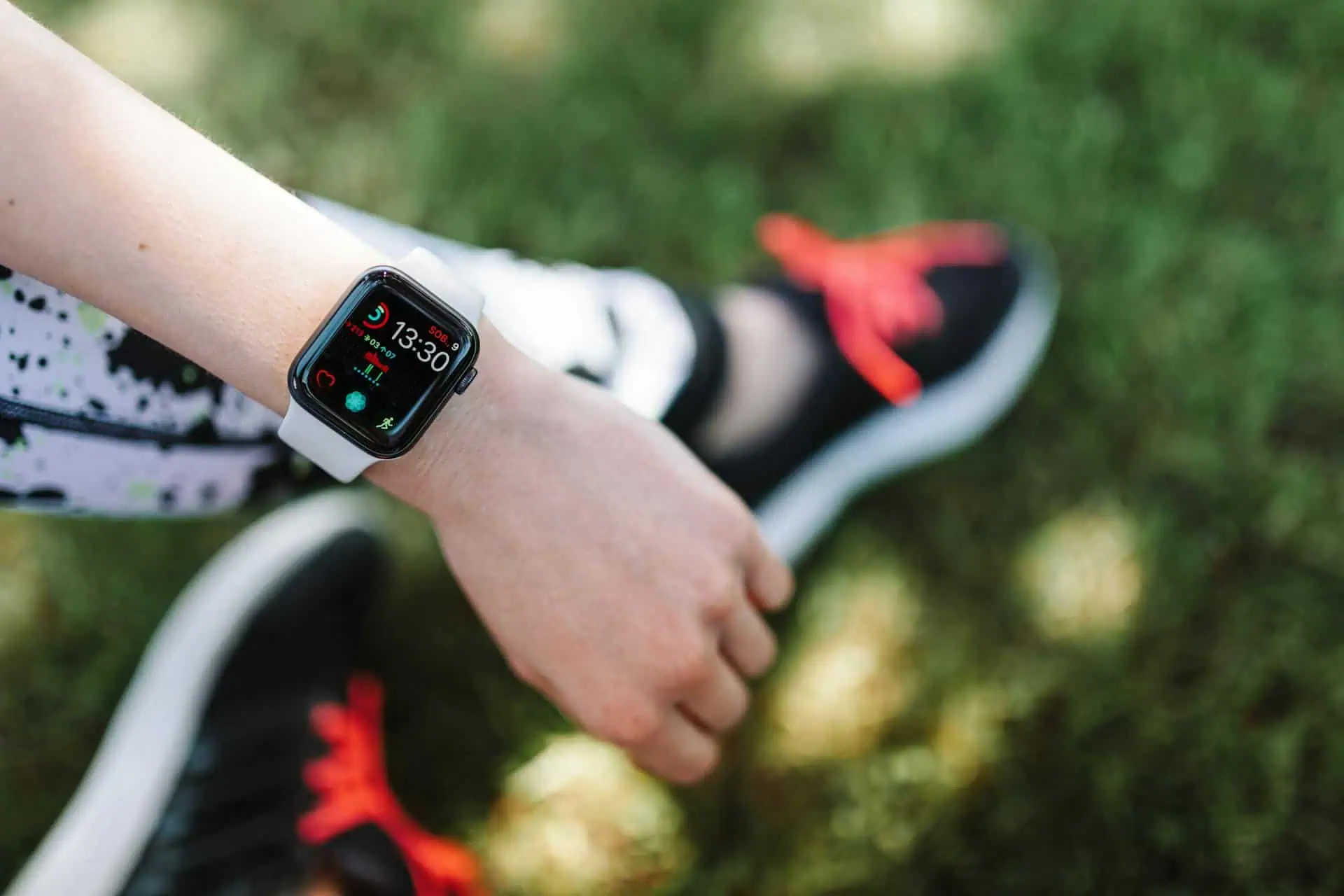
In the 1940s, readers were fascinated by the comic strip detective Dick Tracy who had a two-way wrist radio that allowed him to communicate right from his wrist. It was quite a futuristic idea at the time! Fast forward to today and we have smartwatches like the Apple Watch & Samsung Galaxy Watch that do exactly that—and more. We can even use them to track our fitness.
Video Calls

In Fritz Lang’s 1927 silent film “Metropolis,” characters used video screens to have face-to-face conversations with others who were far away. Just the idea of communicating visually over distances was revolutionary back then. Today, video calls are a normal part of life & as long as we have an internet connection, we can communicate with almost anyone we like.
Self-Driving Cars

Isaac Asimov once wrote a short story called “Sally” that included cars with their own personalities—they could drive themselves without any human input. Asimov used the cars to question the relationship between humans & machines. Today, self-driving cars are more common with companies like Waymo & Tesla. Asimov’s vision is now a reality!
Augmented Reality

In 1985, Orson Scott Card’s novel “Ender’s Game” featured military training simulations where engineers overlaid digital information onto the real world. Really, that sounds a lot like the augmented reality (AR) technology we have today! Apps like Pokémon Go are so normalized that we don’t even think about how we’ve merged digital content with our physical world.
Smart Homes
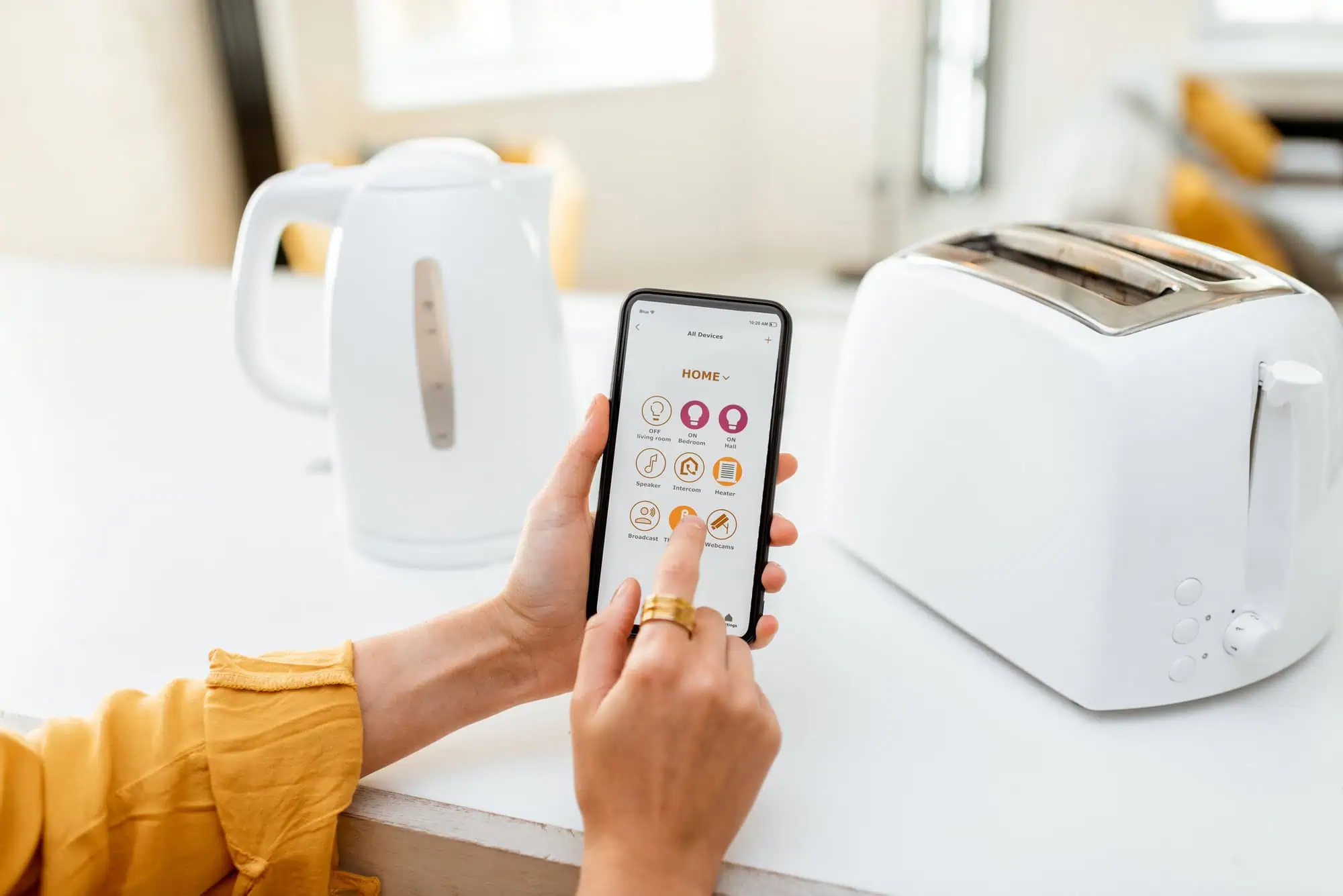
Ray Bradbury’s 1950 short story “There Will Come Soft Rains” describes an automated house that performed daily tasks, with the house continuing to work even after the occupants were gone. Today, smart home technology allows us to do just that. We can control lighting, thermostats, security systems & appliances through our phones. And sometimes, we use just our voices!
Virtual Reality
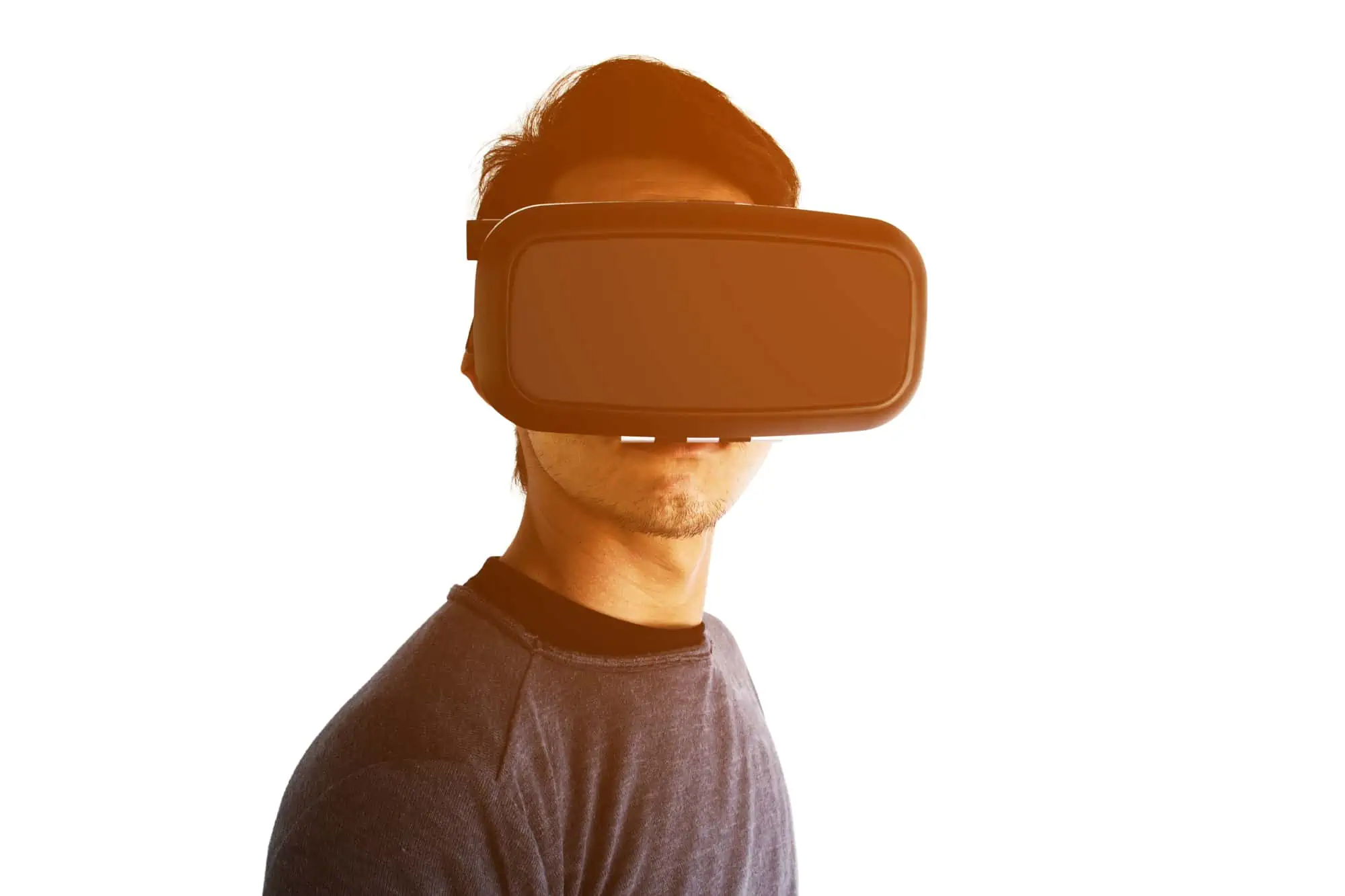
In 1984, William Gibson’s novel “Neuromancer” introduced us to the concept of the “matrix,” which was a fully immersive digital world where characters could connect their consciousness to a virtual reality network. Honestly, it’s not that different from virtual reality (VR) technology. Anyone can buy devices like the Oculus Rift or PlayStation VR to explore virtual worlds.
Disclaimer: This list is solely the author’s opinion based on research and publicly available information.
Like our content? Be sure to follow us.
Read More: