
We used to own separate devices and tools for many tasks but now manage everything with our phones and apps. Our daily routines – from starting the day to finding our way around town – has become smoother because everything is both more convenient and clutter-free. This list explores 15 single-purpose items that have been replaced entirely by apps on our phones.
Featured Image Credit: DmitryPoch /Depositphotos.com.
Alarm Clocks

Think back to those old alarm clocks that used a loud buzz or ring to wake you up. If you had to wake up on time, you needed alarm clocks. Our phones now handle all of these functions plus additional features. From your bedside, you can adjust your alarm settings, select your preferred wake-up song and even check the weather. All in one app.
Maps

When people got lost, they pulled out paper maps to try and figure out which roads to take. It could take ages! Now we just type our destination into Google Maps or Apple Maps and instantly receive directions along with real-time traffic updates and arrival estimates. You will never get lost again – unless your GPS decides to take you on an unexpected journey.
Cameras
Cameras used to be a whole separate gadget you had to carry around to capture photos. You can now take professional-grade photos with your phone camera. You don’t need a DSLR anymore. With apps like Instagram, you can take photos, edit them and share them with others in just seconds.
Calculator
People relied on pocket calculators to perform quick math tasks. That small device was useful both when calculating tips and completing schoolwork. We now have calculator apps on our phones. It’s much more convenient than searching for an actual calculator when you need one.
Flashlights

Before smartphones, people had to carry a flashlight to handle power outages or nighttime outdoor trips. A simple phone tap will turn on your flashlight and provide you with enough light to find your way around. It’s amazing how every single gadget we once needed now fits into one single device.
Notebooks

Back then, you had to pick up a notebook and pen to jot down your random thoughts and ideas. Apps like Evernote and Google Keep now give you the power to digitally store all your notes and information. Your phone allows you to type text, scan written notes, upload photos, and do much more. And it’s easier to find what you wrote down.
Photo Albums
We traditionally used physical photo albums to store our best memories. People printed their photos and glued them into albums to pull them out later when they wanted to reminisce. Now, everything’s digital! With Google Photos and iCloud we can keep our photos well-organized and accessible from anywhere – with way less effort.
Address Books

You had to search through an address book to find phone numbers, addresses and birthdays. Our phones now contain all our contact data which makes finding someone’s information as simple as searching for their name and getting the contact details instantly.
Music Players
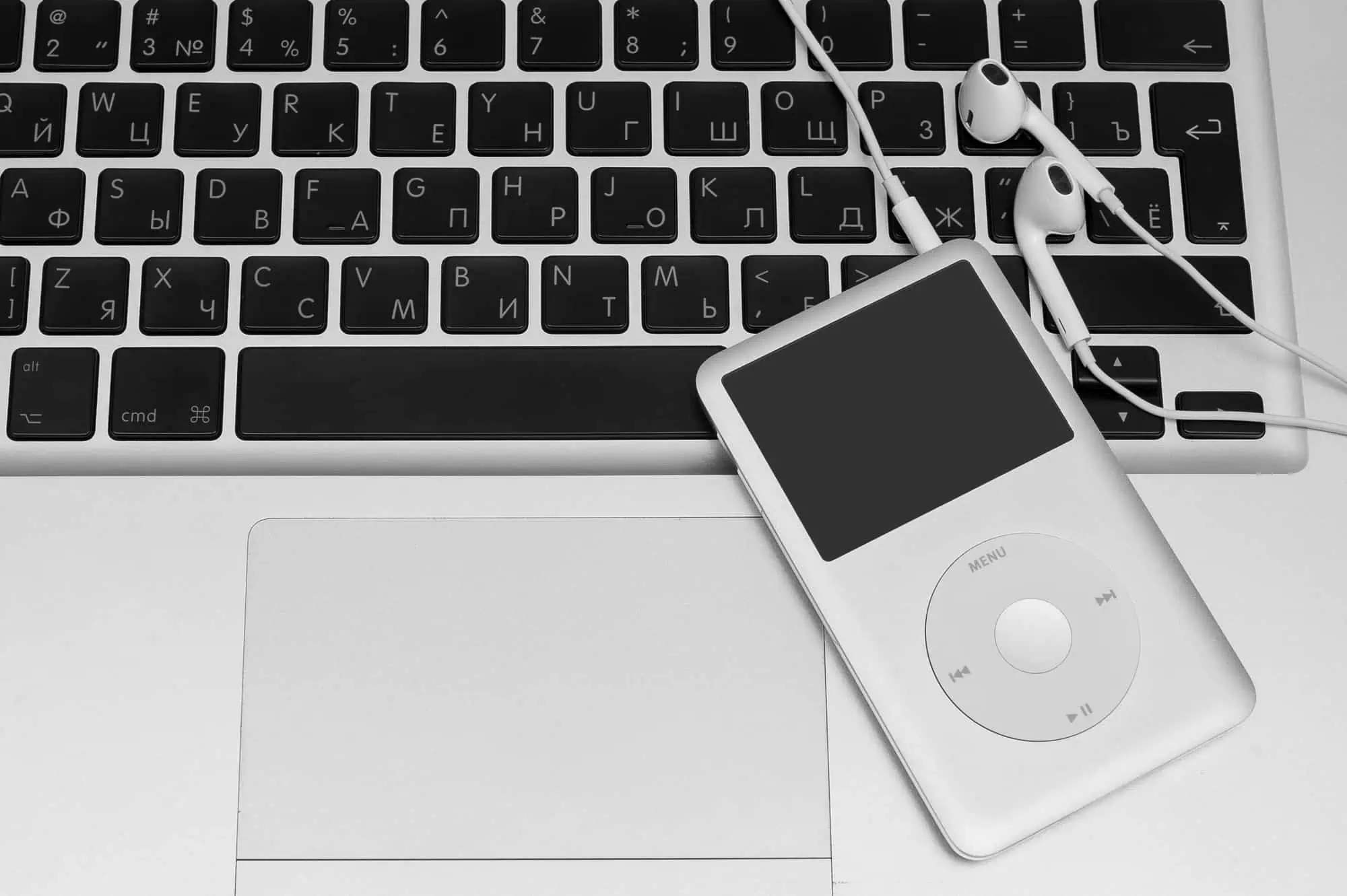
People used to carry physical devices like iPods and Walkmans to listen to music before the streaming era. You loaded your playlists onto music players with the hope that your battery would hold out. Music apps like Spotify and Apple Music let you stream almost any track, create playlists, and discover new tracks on the go. You now also have unlimited space to store your data.
Receipts

Keeping track of receipts used to mean cramming them into your wallet or drawer. Later you would need to search for it again if you wanted to make a return. Apps like Expensify & banking apps help organize and keep track of receipts automatically, making tracking purchases way less of a hassle.
Flash Drives

Everyone used flash drives to move files for both work and school tasks. You had to connect it to your computer and then move its content to another device. Cloud storage solutions like Google Drive & Dropbox help users to store their files and share them with others – without needing physical storage devices. It’s all in the cloud!
Compasses
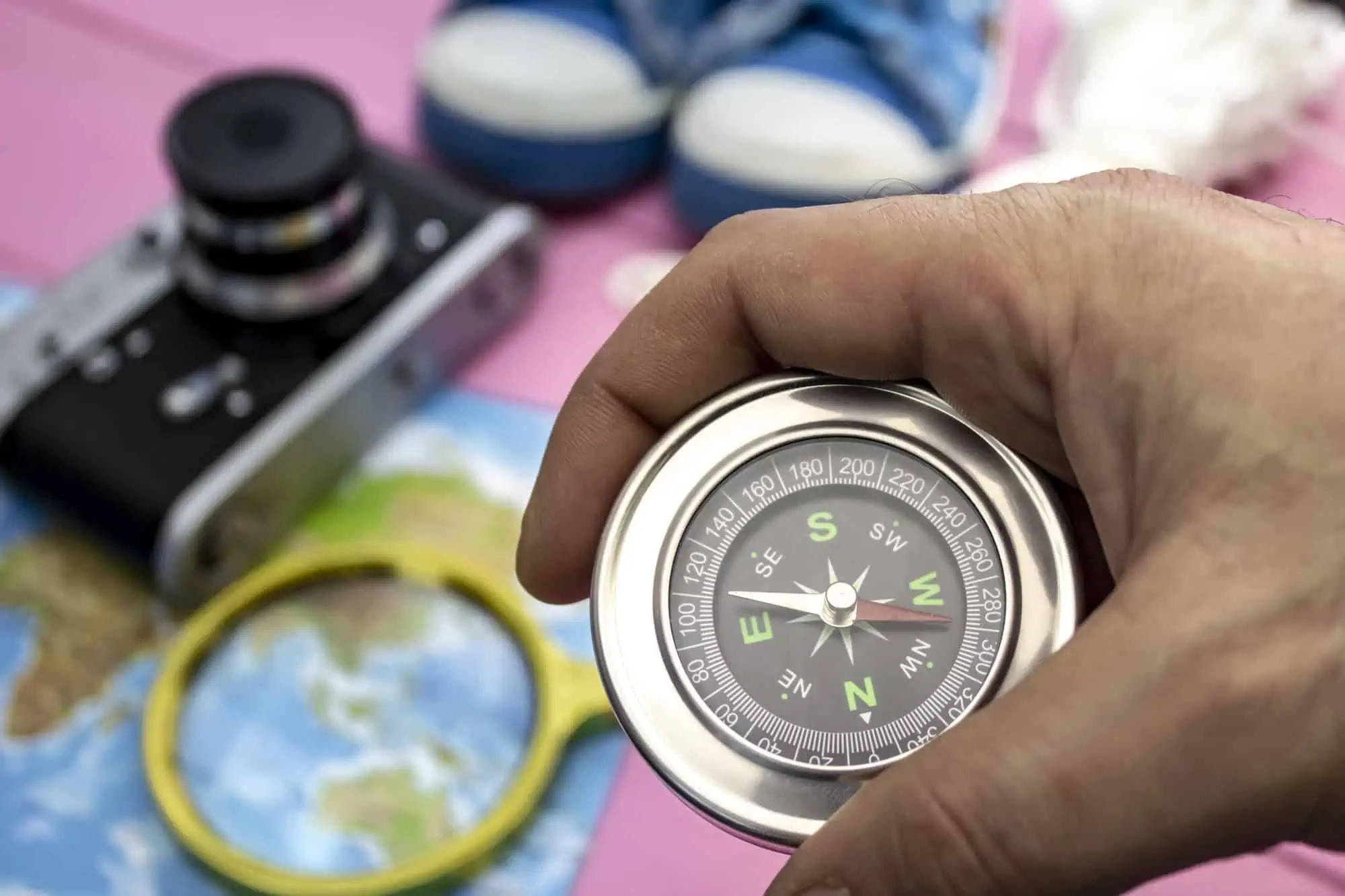
Whether you were out on a hike or simply trying to find your way, compasses were the reliable tool of choice. Modern phones include built-in compass apps, which work with GPS to provide navigation and directional information. No more fumbling with a physical compass!
Fitness Trackers

Before wearable fitness trackers like Fitbit or Apple Watch, you had to rely on basic pedometers or estimate your physical activity. Smartwatches and fitness tracker applications now measure your steps, heart rate and calories burned all within one device. These devices also connect with your phone to provide you with extensive reports.
Calendars
People once relied on paper planners and wall calendars to organize their schedules. You needed to physically add each appointment to your planner and hope that nothing would slip your mind. Now, Google Calendar or Apple Calendar keeps everything synced across all your devices and you can set reminders so you don’t miss a single event.
Thermometers
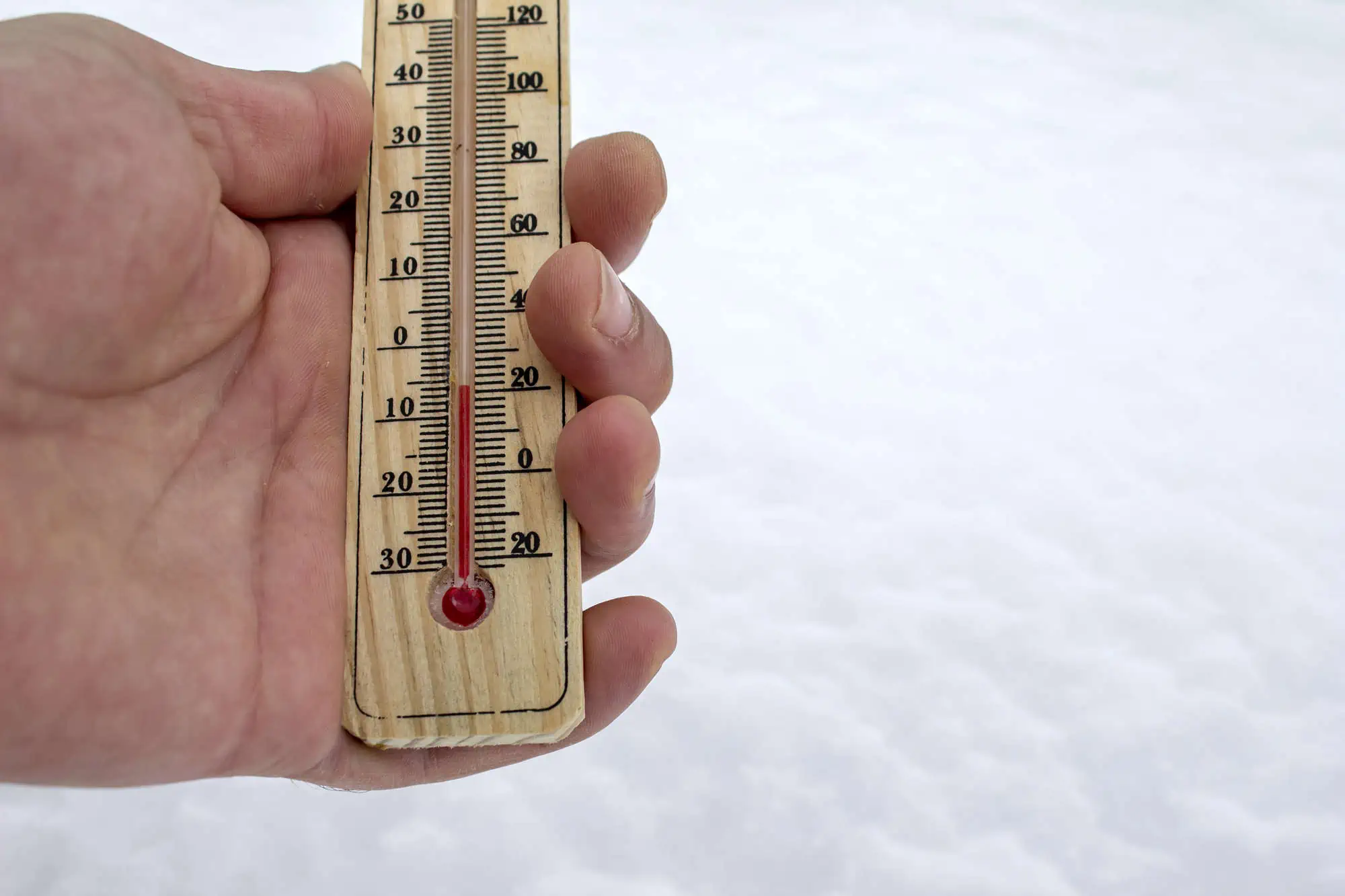
Digital thermometers served as essential tools for measuring body and food temperatures. Now apps linked to smart home devices can deliver all necessary data instantly. If you need to know the temperature of your room or even check your health stats, your phone can do it for you.
Disclaimer: This list is solely the author’s opinion based on research and publicly available information.
Like our content? Be sure to follow us on MSN.