

The first thing that comes to mind when we think about addiction is substances. But the reality behind addiction is that it can manifest through very subtle daily habits that control us without our knowledge. These habits appear harmless at first, yet they add up and mess with both our mental health and physical health as well as our relationships. Here are 11 common everyday addictions that have a more damaging impact than you would expect.
Featured Image Credit: Kaboompics.com /Pexels.com.
Gossip

Gossip may appear harmless at first, but it becomes toxic very quickly. When you spread rumors and dissect people’s private lives you damage their reputation and diminish your own trustworthiness. Whatever you wouldn’t tell someone directly should be kept private.
P****graphy Addiction

P****graphy is everywhere and for some people, it turns into more than entertainment. Excessive consumption can negatively impact self-esteem and relationships and also change your brain chemistry. When it begins to replace genuine intimacy or consumes much of your time, it’s time to cut back.
Caffeine

Many people see coffee as more than a drink – it has become so essential for their survival. It’s okay to drink one or two cups of coffee per day but becoming dependent on caffeine for daily functioning leads to serious risks. Excessive consumption can cause anxiety, heart palpitations, and even headaches. Ever had a caffeine withdrawal headache? It’s brutal.
Smartphone Addiction

Have you ever found yourself holding your phone to check something simple but ended up spending 45 minutes watching random videos and memes? Yeah, we’ve all been there. Social media keeps us attached to our devices by providing an endless stream of content designed to be addictive. Excessive use can disrupt our attention span, harm our self-esteem, and prevent us from being fully present in real life.
Sugar
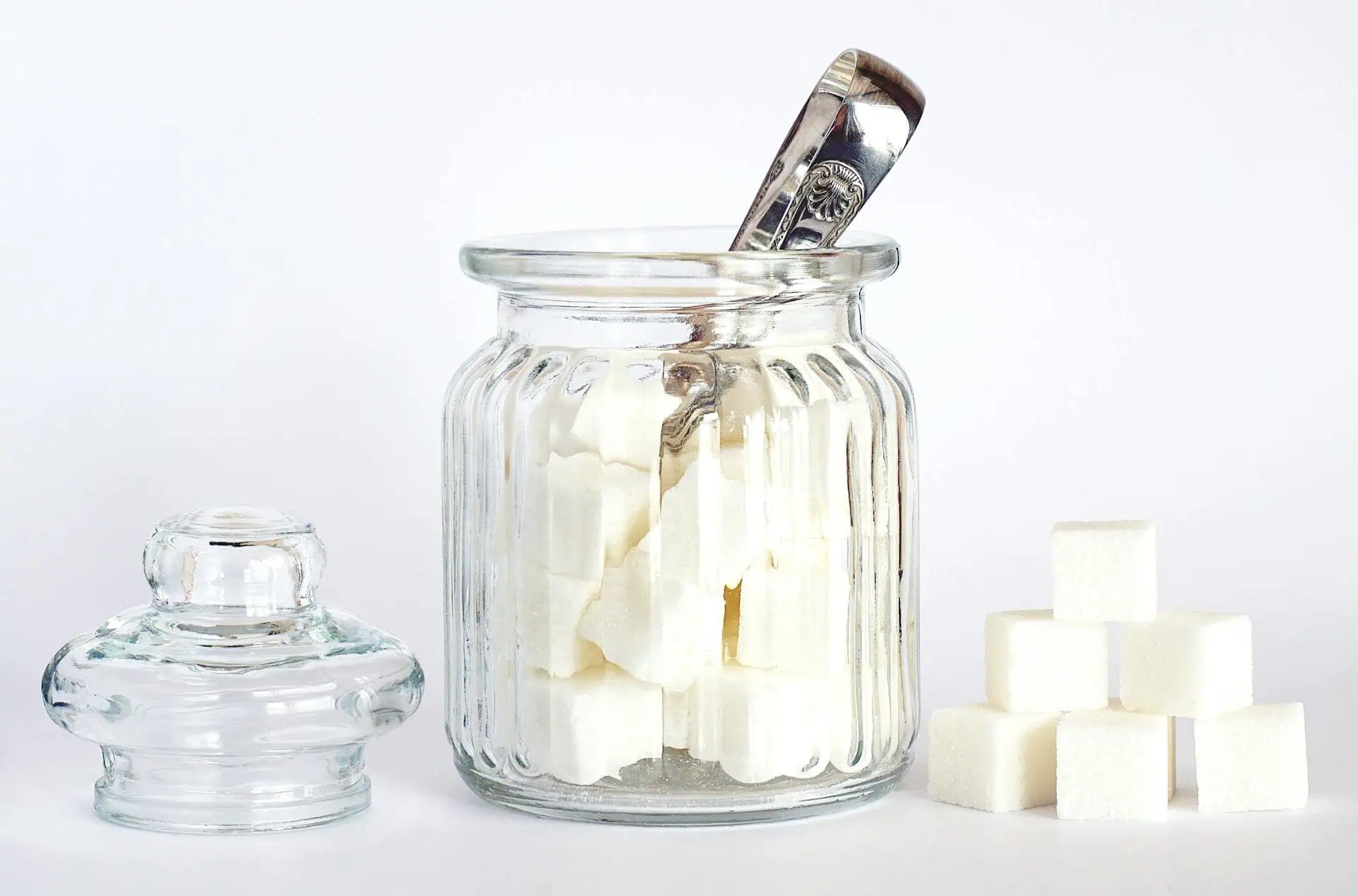
Sugar is sneaky. Sugar is hidden in everything from breakfast cereals to pasta sauce, which makes you crave more. The problem? Consuming sugar causes blood sugar levels to rise, disrupts your mood, and increases your risk for obesity and diabetes later in life. Eating more of it makes it increasingly difficult to quit.
Work

Hard work is great, but if work becomes a non-stop cycle without breaks? Not that great. People who develop an addiction to staying busy experience guilt when they take time off from work. Excessive work leads to burnout, stress, and serious risks to your health. Success matters yet maintaining a personal life outside work is also important.
Gaming

Video games are fun, but they can develop into full-blown addictions for some. The rewards and immersive experience of games can easily hook people. Although many people manage to balance gaming with their other responsibilities, some end up putting video games before their work duties, personal health, and social interactions.
Shopping

Have you ever purchased items because they were on sale or because you needed something to occupy your time? The simplicity of clicking “Add to Cart” makes online shopping addictive. But the pleasure of buying new items quickly turns into stress when the credit card bill shows up.
Watching TV/Streaming

Binge-watching Netflix or Hulu shows has become a popular national activity, but it can become excessive too quickly. You begin watching one episode but before you realize it, you’re stuck to the couch for an entire weekend. Too much screen time can make you feel lazy and disconnected from real-life activities, leaving you with a sense of guilt after those long viewing sessions.
Fast Food

Fast food delivers quick meals, which can satisfy hunger during busy times. Regular consumption of fast food can rapidly develop into unhealthy dependence. These foods contain high amounts of sugar, salt, and unhealthy fats, which increase your cravings. Eventually, people experience weight gain and nutritional deficiencies that lead to serious medical conditions such as heart disease and high blood pressure.
Prescription Medication
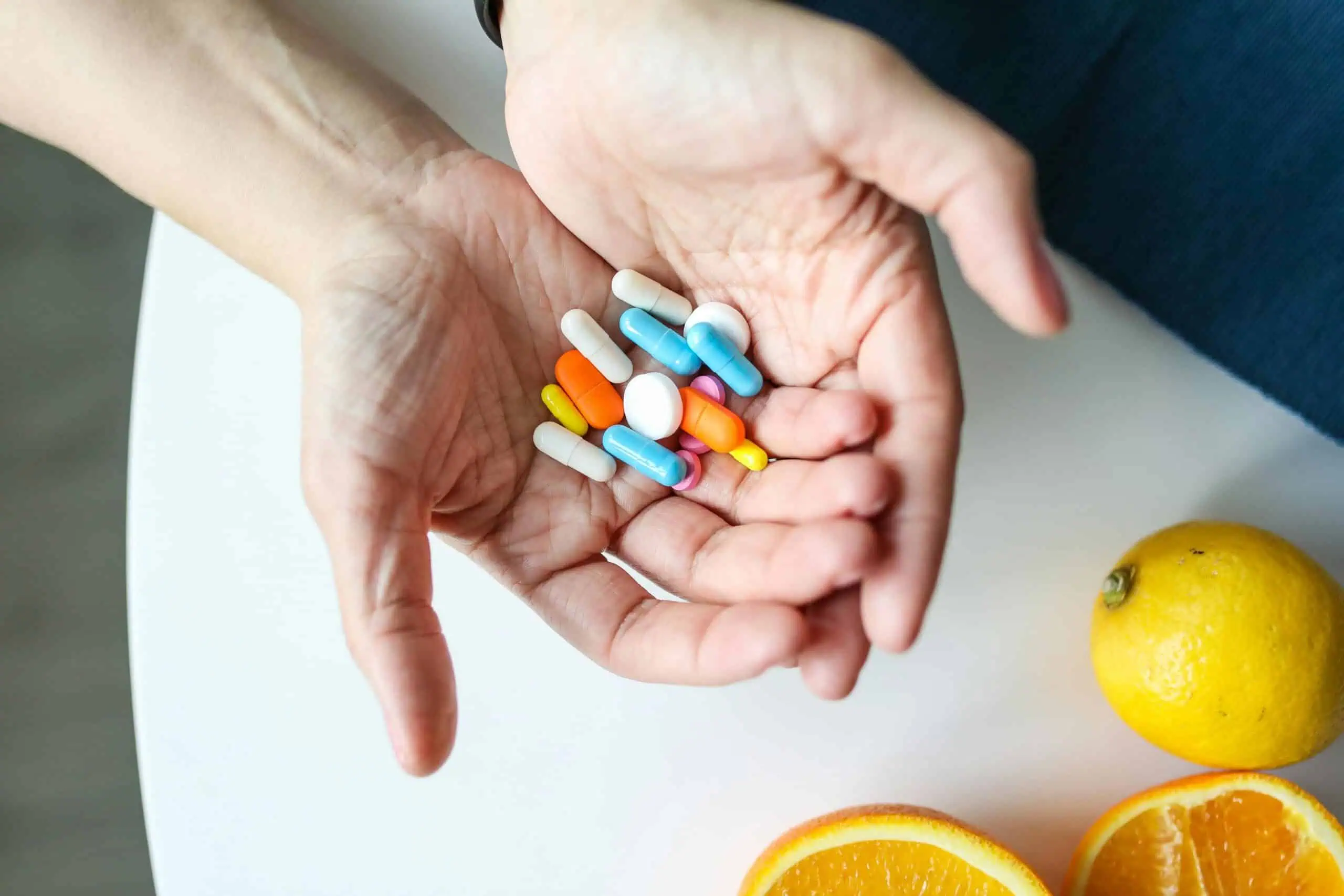
Prescription drugs can save lives but they also risk becoming a dependency source. The change from using them occasionally to needing them all the time can be quick. Painkillers, anxiety medications, and sleep aids often become addictions. The key? Maintain control by using medications responsibly to make sure they benefit rather than dominate your life.
Disclaimer: This list is solely the author’s opinion based on research and publicly available information.
Like our content? Be sure to follow us on MSN.


