

Over the centuries, the English language has borrowed thousands of words from French and many English speakers don’t even realize it. While certain French-derived words continue to sound overly sophisticated, some loanwords became fundamental aspects of both our language system and everyday speech. They turn up in daily conversations, on restaurant menus, and in job descriptions.
Here are 15 English words that are actually French in disguise. Most are hiding in plain sight.
Featured Image Credit: Shutterstock.
Lingerie

Most people think of it as fancy undergarments but the French word just means linen. In English, the meaning shifted to something more specific and stylish. The pronunciation stayed French and that adds to its charm.
Faux

This one means false in French. In English, it usually shows up in fashion or decor like faux leather or faux fur. It sounds nicer than saying fake and gives things a polished feel.
Encore

In French, it simply means again. English turned it into a request for more music or performance at a concert. When someone shouts encore, they are hoping for one last extra piece.
Cul-de-sac

Literally translated, it means bottom of the bag. English uses it to describe a street with no outlet. You hear it a lot in suburban neighborhoods and real estate listings.
Déjà vu

The French phrase means “already seen”. In English, it describes the strange feeling that something is repeating. It sounds mysterious and fits the odd sensation perfectly.
RSVP
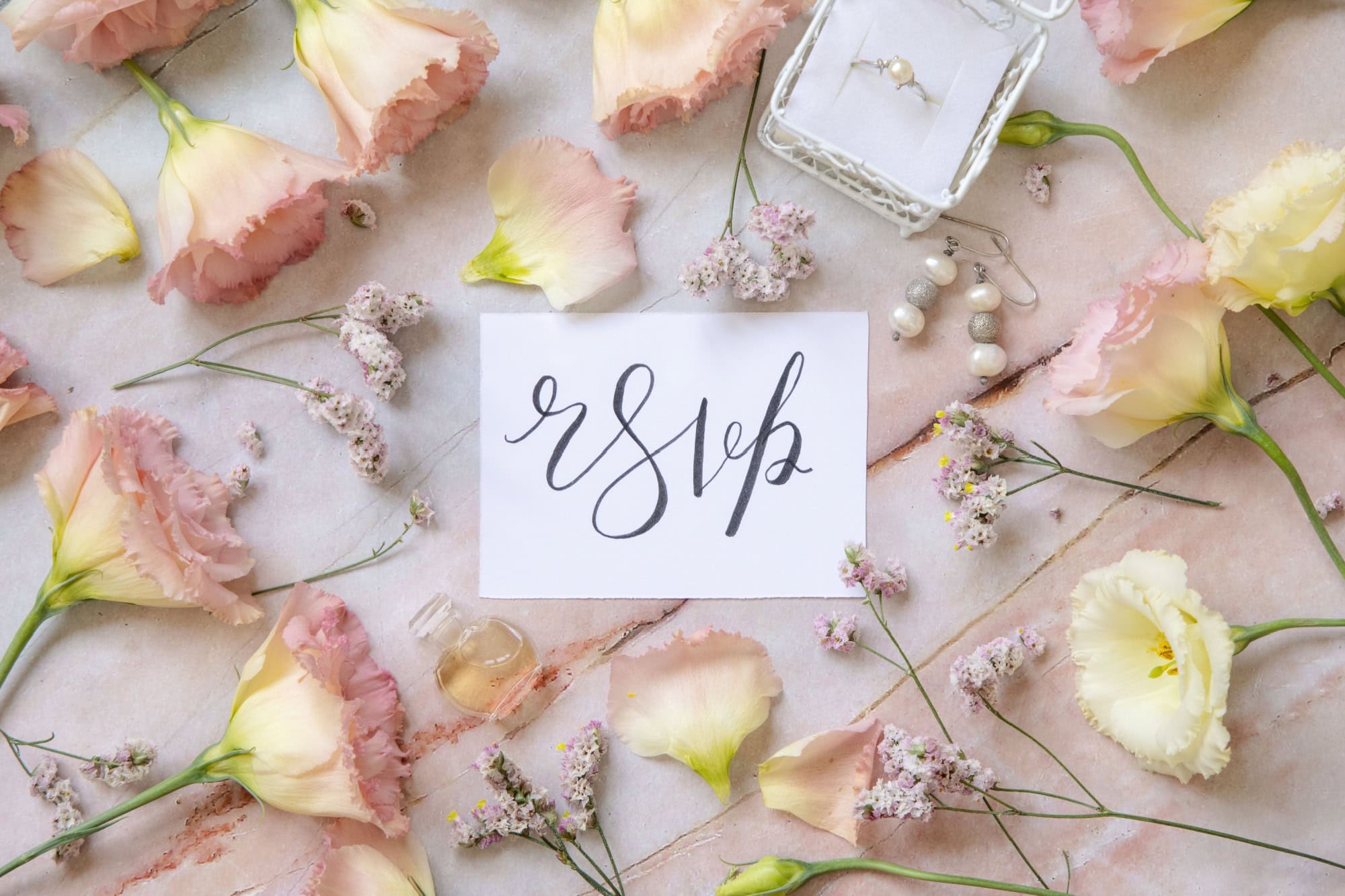
This stands for répondez s’il vous plaît, which means “please respond.” Most people know it from invitations, but forget that it is still a full French sentence.
Baguette

It is best known as a type of long French bread. But in English, it also appears in jewelry to describe a rectangular cut of diamonds. It quietly lives in both worlds.
Chauffeur

The original French word referred to a stoker or driver. English gave it a fancier feel and now it usually means a personal or hired driver in a nice car.
Souvenir

In French, it means memory. English uses it to describe an item you bring back from a trip. It holds a moment from the past in something you can touch.
Fiancé and Fiancée

Both words come from French with one for males and one for females. English borrowed them both but most people do not notice the spelling difference. They still sound more elegant than saying someone is engaged.
Hors d’oeuvre

It translates as “outside the work” which originally meant not part of the main meal. In English, it became a term for small appetizers served before dinner.
Sabotage
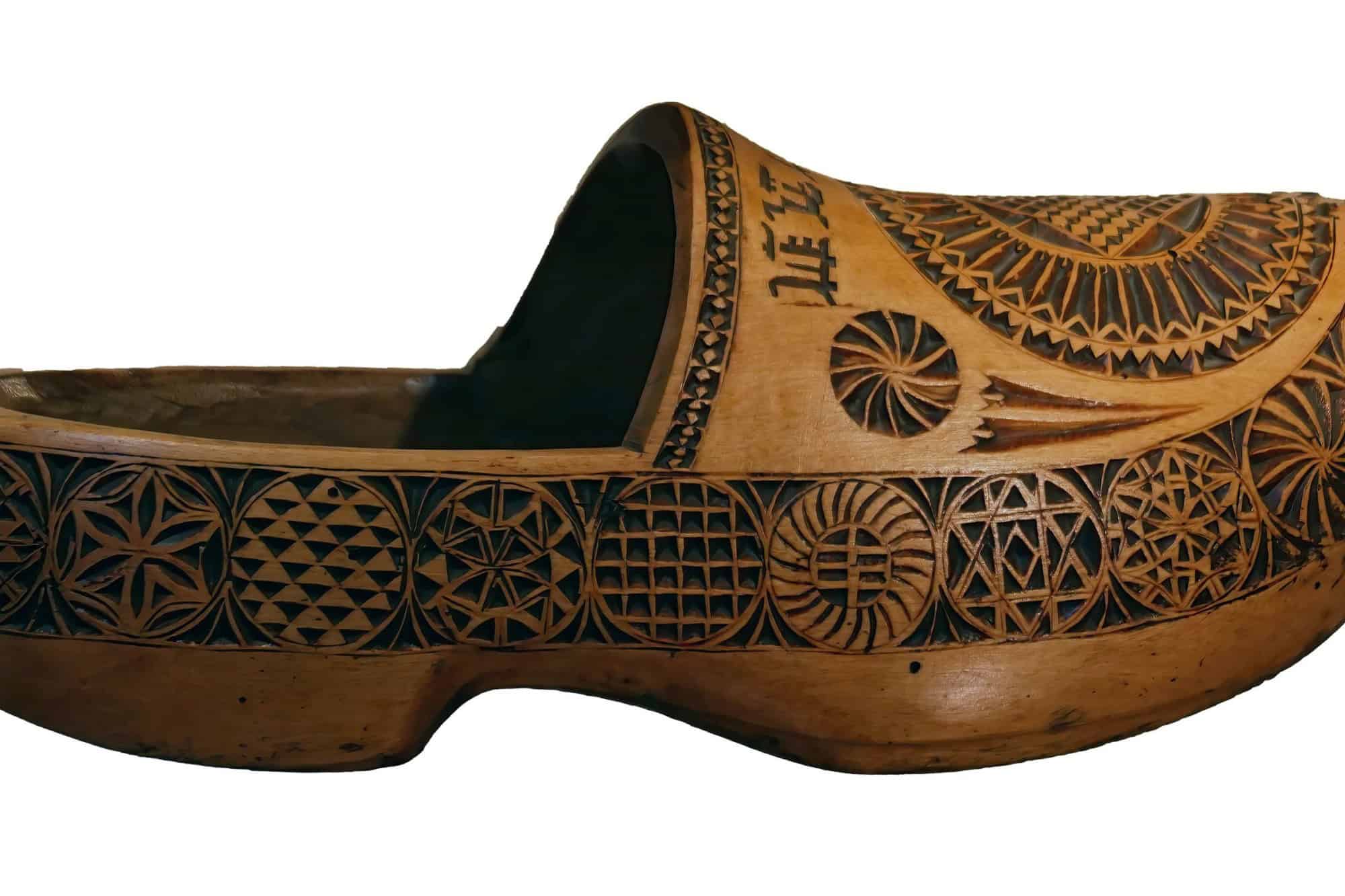
The word is believed to have come from factory workers in France who would throw their wooden sabot shoes into machinery to break them as part of a protest. Whether this is true or not, the word has come to mean the act of intentionally damaging something in a secretive way.
Beige

This word comes directly from the French word that referred to wool in its natural state. In English, it is used to refer to any light brown or pale tan color. This is a color that can be found in clothing, interior design, and many other places.
Touché

Originally used in fencing, this word means that a hit has landed. It comes from the French verb for “to touch.” In English, it became a clever way to acknowledge someone’s sharp remark in a debate. It’s a quick way of saying “good point” with a bit of humor and style.
Ballet

The French language is the source of this word. They of course invented all the movements too, like plié and jeté. English has kept much of the original word and its meaning.
Disclaimer: This list is solely the author’s opinion based on research and publicly available information.
Like our content? Be sure to follow us.