

We’d all like to lower our energy bills, wouldn’t we? And it’s easy to buy in the hype of tips & tricks online that promise to do just that. Unfortunately, I learned the hard way that not all of them are legitimate — as some of these “energy-saving” tips cost me a lot more! Here are fifteen energy-saving tips you should avoid. You can hopefully learn from my mistakes!
Featured Image Credit: Pexels.
Frequently Adjusting the Thermostat
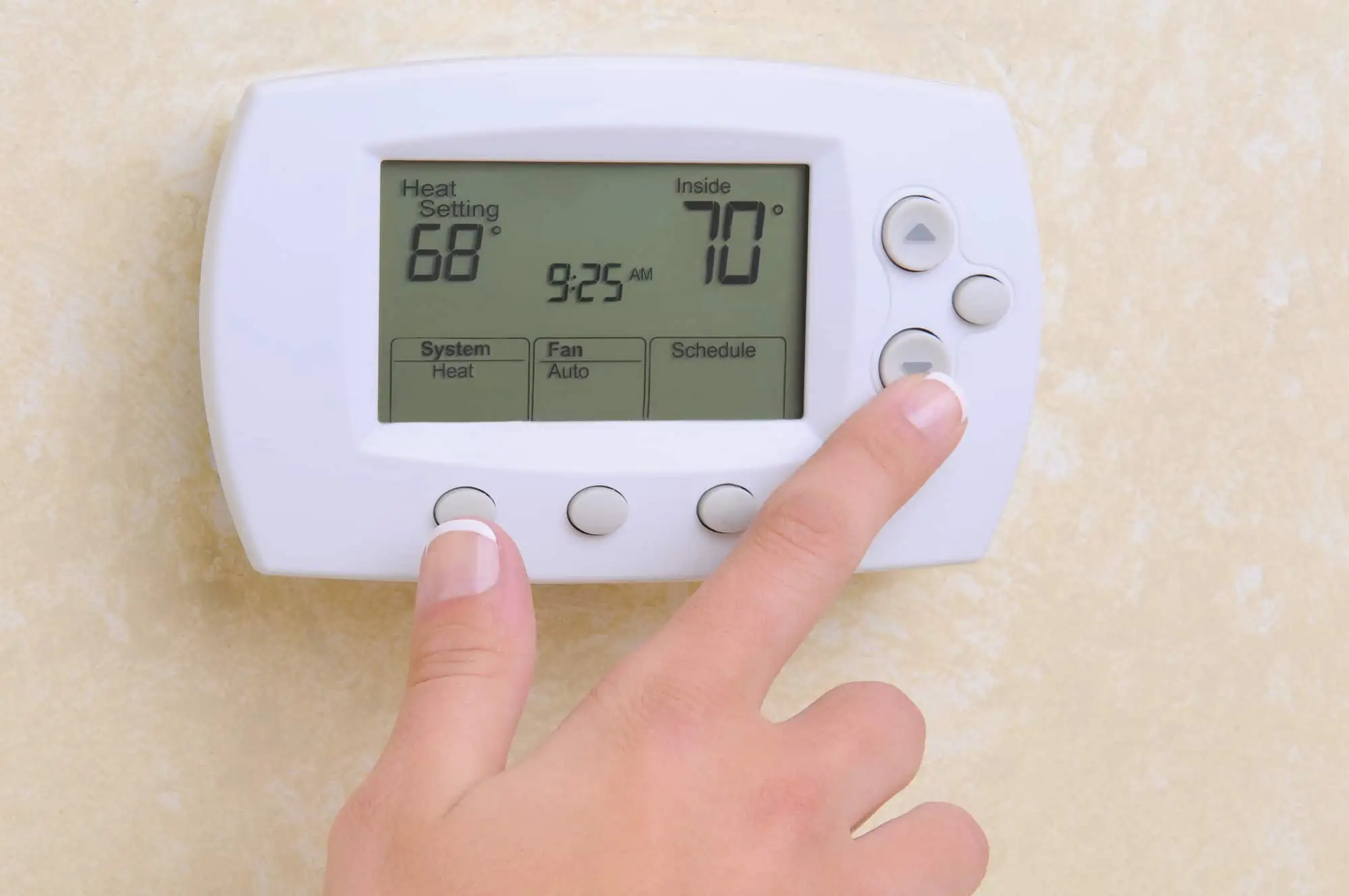
I always messed with the thermostat because I thought it’d make me smarter about my energy use. Unfortunately, constantly changing the setting made my heating & cooling system work overtime. In fact, it increased my energy bill! It’s far better to find a comfortable setting—then stick with it.
The Dishwasher’s Heated Dry Setting
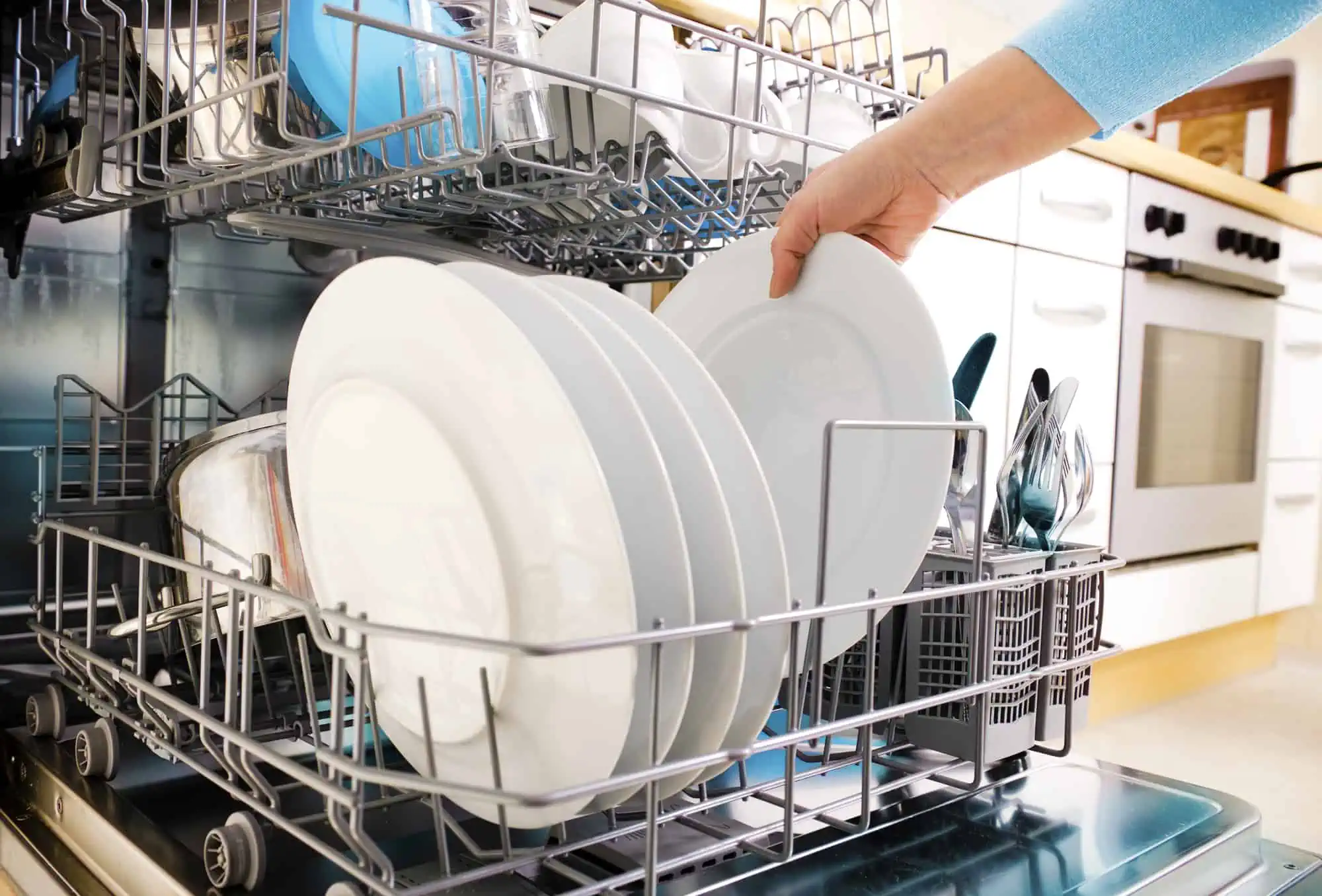
Turning off the heated dry on my dishwasher seemed like a no-brainer for saving energy. However, I ended up hand-drying dishes since they weren’t drying on their own. Any energy I thought I was saving, I just spent on extra effort. Wasting my time cost me more in the long run.
Like our content? Be sure to follow us.
Overloading the Refrigerator for Efficiency

I heard that a full fridge works more efficiently than an empty one, so I packed mine to the brim. In reality, though, too much stuff can actually block vents & make the fridge work harder, which uses more energy. Instead, you should find a happy medium where your fridge is neither under- nor overstuffed.
Setting the Water Heater Too High

I cranked up my water heater because I thought I’d somehow outsmart the system & have endless hot showers without extra cost. Yet higher settings mean more energy to maintain that scalding temperature. Eventually, it led to more money out of my pocket! Lowering the temperature to 120°F is a better idea. I still have plenty of hot water—just with lower bills.
Turning Off the Water Heater

Another “useful” hack I tried was to turn off my water heater while I was on vacation. Why? Because it wouldn’t use any energy. Unfortunately, I didn’t think about the energy surge I’d need to reheat the entire tank when I got back. This likely offset any savings. Sadly, it’s even worse in the winter—you risk the water freezing & causing damage if the heater is off for too long.
Sealing Windows with Plastic Film in Winter
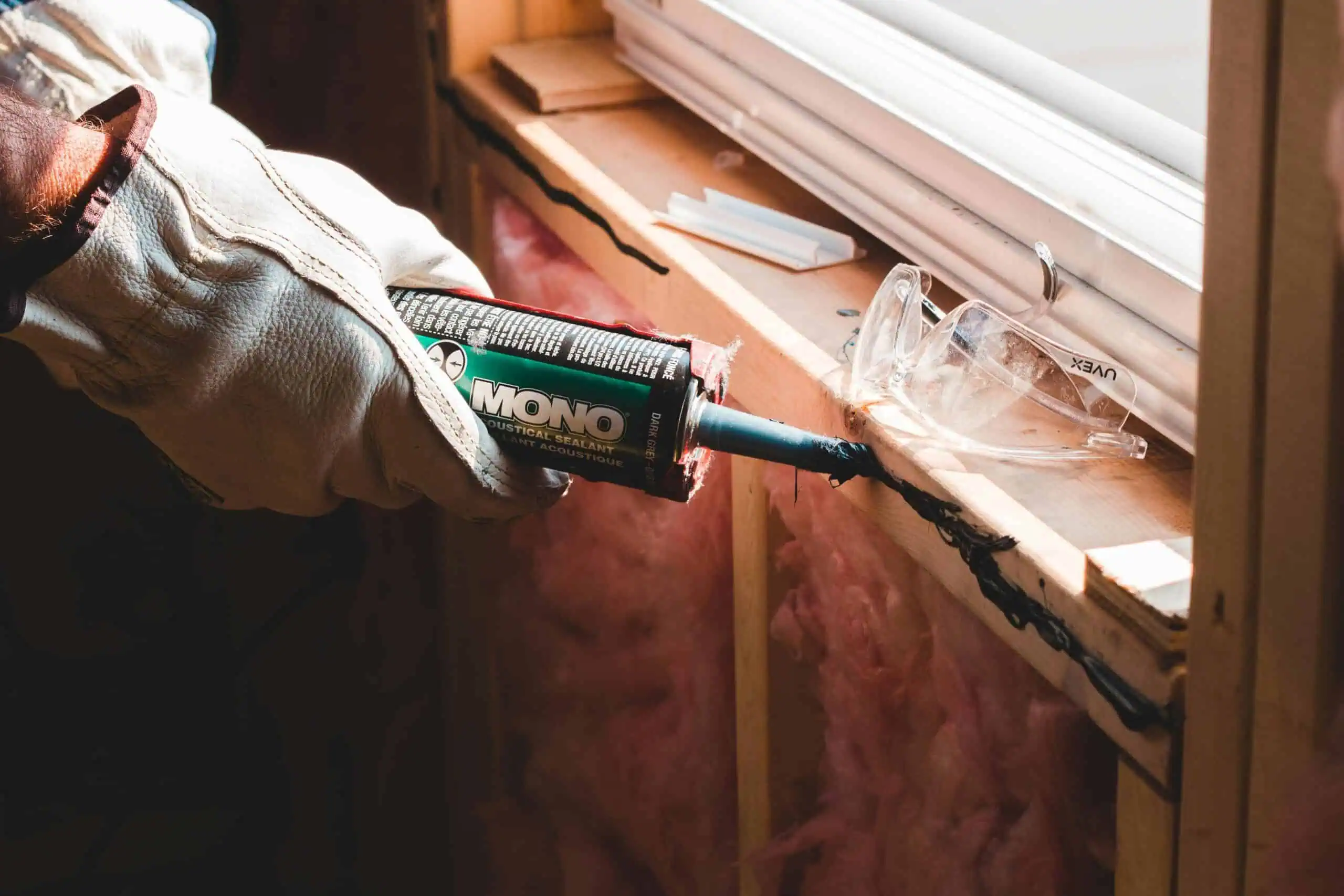
Sealing up the windows with plastic film sounds smart, as it’ll keep the cold out & reduce your heating bills. And it did work—for a short time. It turns out that I did it wrong and trapped moisture in the house, which created mold and a whole host of other issues. It ended up costing more to fix than any savings I might have seen on my energy bill!
Using Space Heaters in Rarely Used Rooms

Don’t make the same mistake I did—using space heaters in just the rooms you’re using doesn’t help. They’re actually pretty inefficient and end up costing you a lot in electricity. If you use your central heating wisely, it can end up being a far more cost-effective option. Space heaters should be the last resort!
Washing Clothes in Hot Water Only
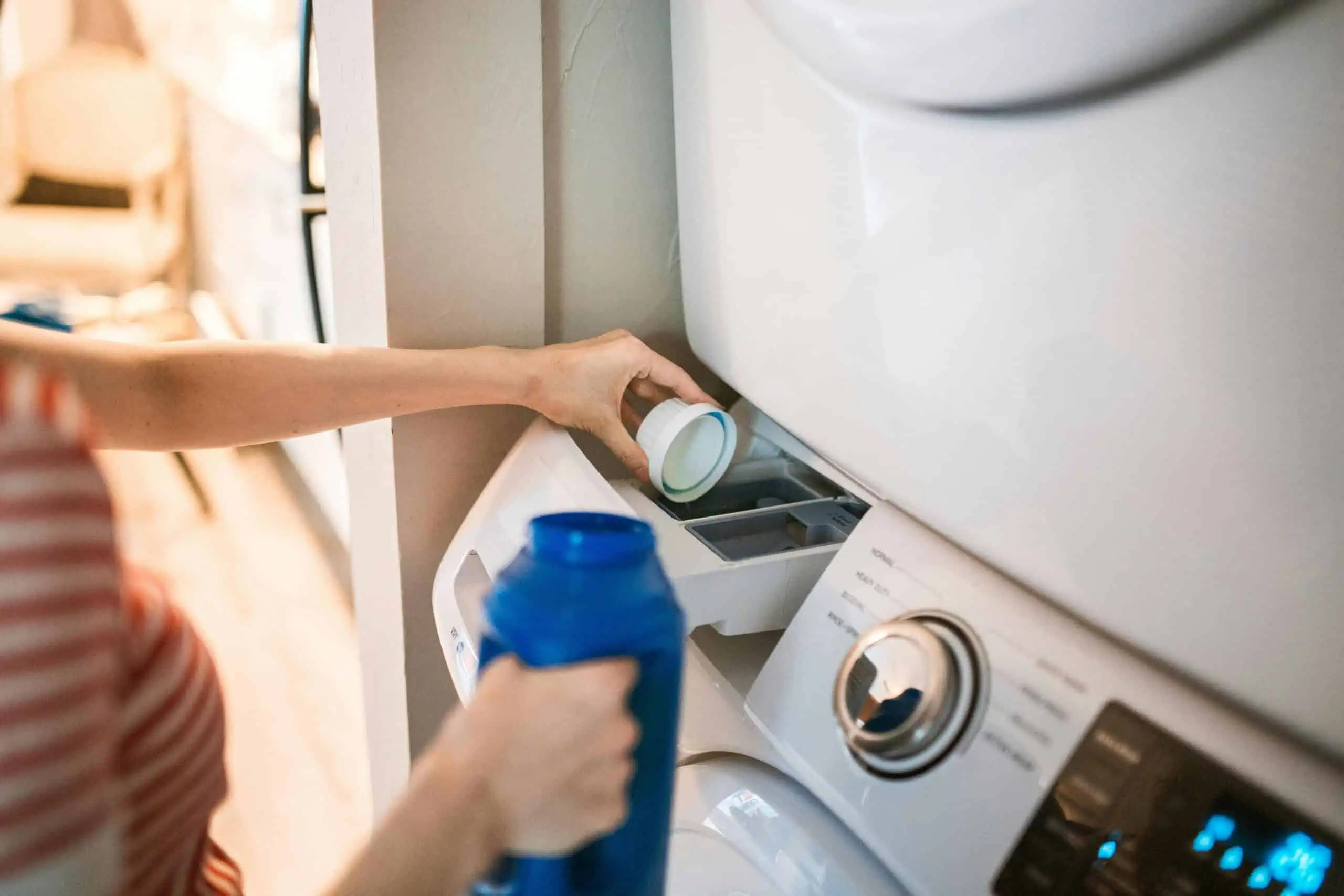
Hot water supposedly cleans best, so only washing in hot water would mean you have to do fewer loads, right? Well, it also costs a lot to heat that water. The truth is that most modern detergents can clean just as well in cold water. Making the switch to cold was a simple change that saved me a surprising amount on my energy bill.
Closing Vents in Unused Rooms
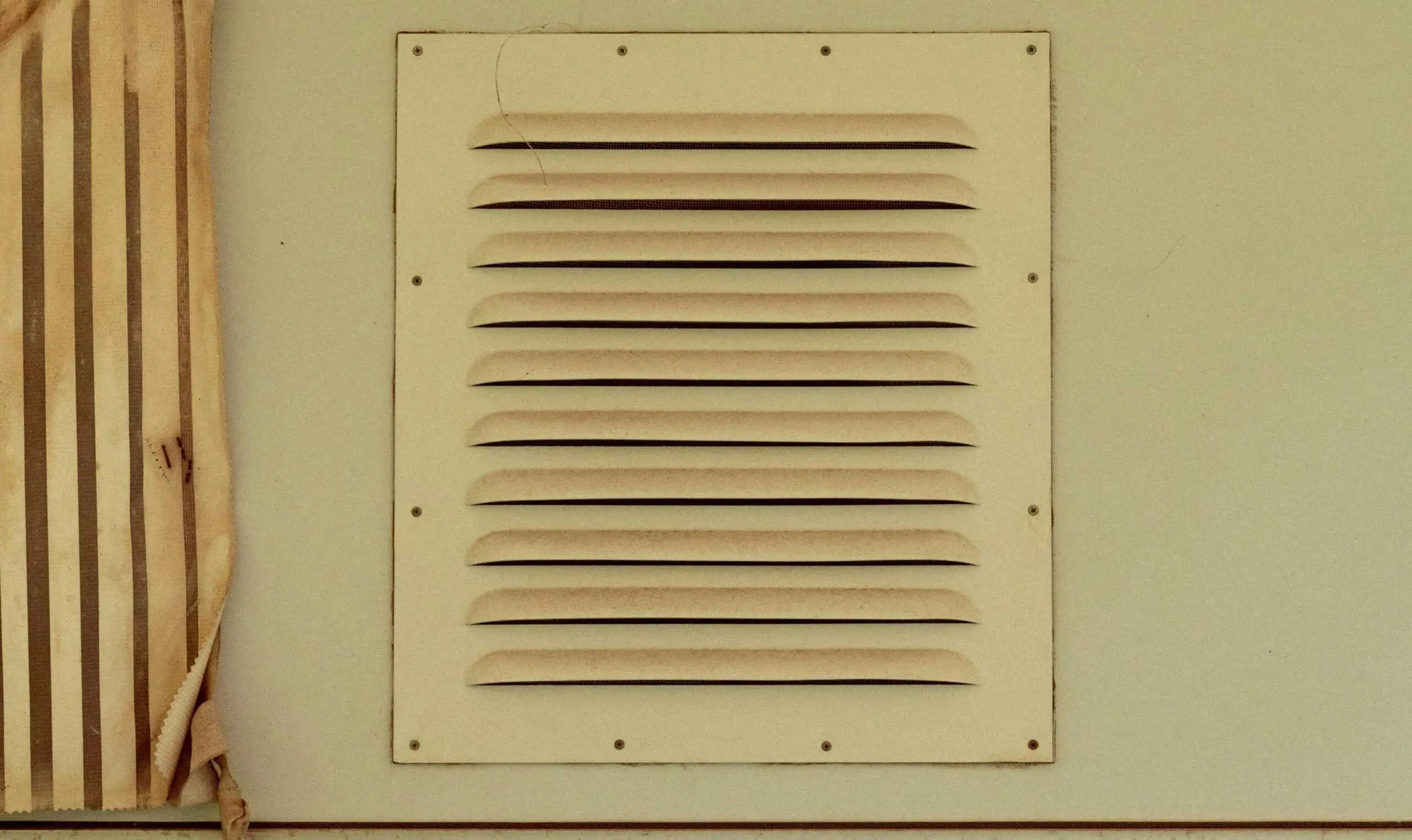
Closing vents in rooms I wasn’t using seemed smart. I thought it’d push the air where I needed it most—but nope. It just made my HVAC system work harder & possibly even shortened its life! You have to keep the vents open for even air distribution and to keep your HVAC working as it should so you won’t have to fork out for a new one like I did.
Planting Trees Close to the Home for Shade

If you’re looking for a natural way to cool your house, you might think that planting trees for shade is a good idea. It is—but when I did it, I didn’t think about how they’d block the sun when I actually wanted that natural warmth in the winter. The roots were also a nightmare for my foundation and cost me way too much in repairs!
Buying Energy-Efficient Appliances Without Checking the Fit for My Home
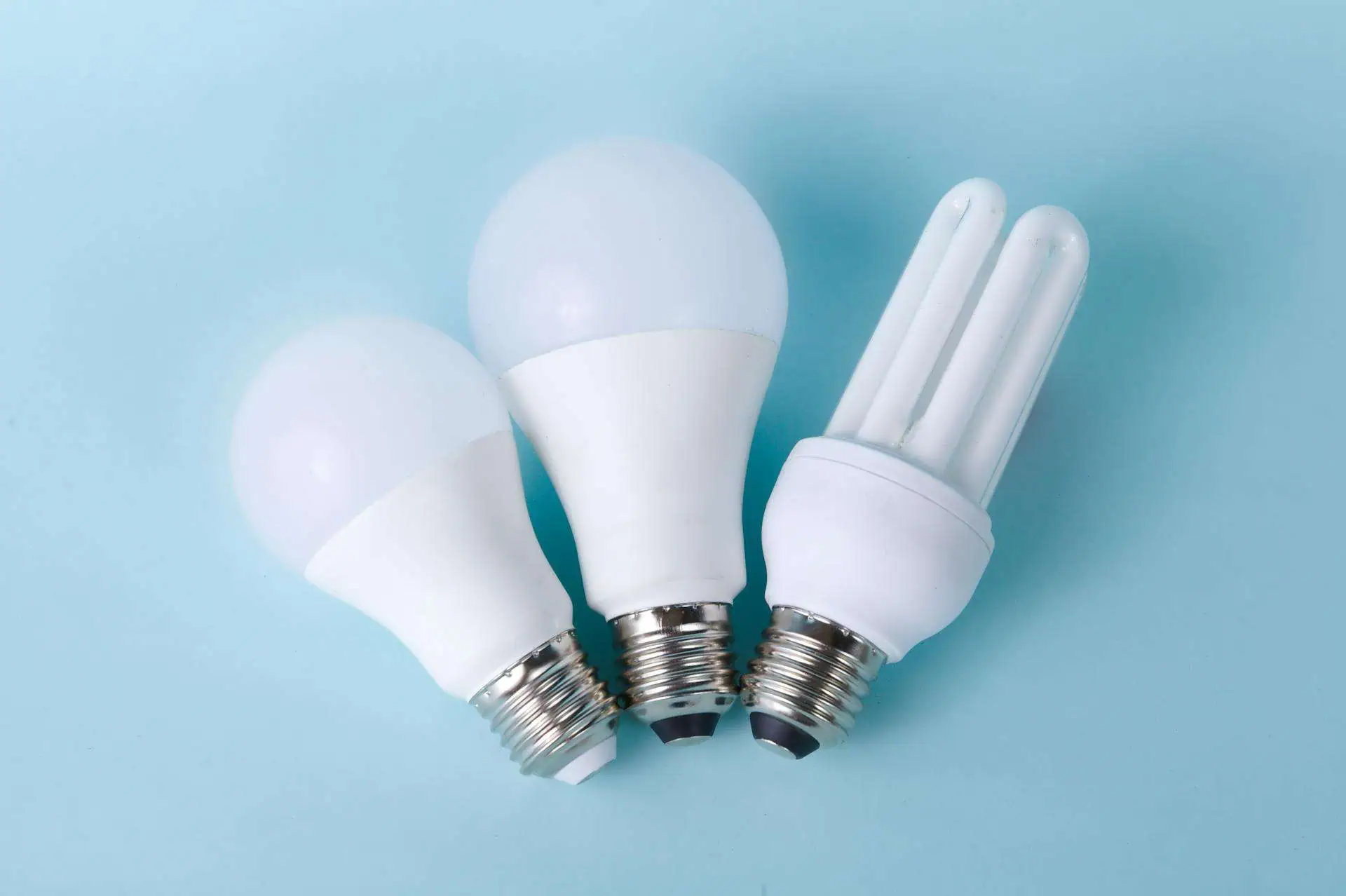
I jumped on the bandwagon & replaced my old appliances with those shiny, energy-efficient models. Unfortunately, I didn’t think about whether they were the right size or had the right capacity for my needs. The oversized fridge & the too-powerful AC were overkill—they used way more energy, so I ended up paying higher bills.
Relying Solely on Solar Lights Outdoors

I also replaced all my outdoor lighting with solar-powered lights because it gave me free energy from the sun. While they did reduce my energy consumption, I didn’t account for the fact that they sometimes don’t provide enough light throughout the night. So, I ended up installing additional wired lights for security reasons. It kinda defeated the purpose.
Investing in Gadget-Specific Energy Savers

There’s a gadget for everything and I got caught up buying these plug-in energy savers that promise to reduce the power usage of specific appliances. Honestly, they really didn’t make much of a difference. Most modern appliances are already optimized for energy efficiency. It meant that these extra gadgets were just another thing using power—which increased my bills.
Avoiding the Use of Ceiling Fans in Winter

I always thought ceiling fans were just for those hot summer days but then I learned that reversing the direction clockwise in winter can actually push warm air down. This helped to heat the room more efficiently. Not using them in the winter meant I was missing out on some easy energy savings—instead, making my heating system do all the heavy lifting. That’s pricey!
Ignoring the Power of Curtains and Blinds

Last but not least, I overlooked the simplest tool in the energy-saving toolbox—curtains & blinds. I used to keep them open because I thought having natural light would cut down on lighting costs. However, those rays of sunshine turned my place into a greenhouse and made my AC work overtime in the summer. In the winter, leaving them open at night let all the heat escape!
Disclaimer: This list is solely the author’s opinion based on research and publicly available information.
Like our content? Be sure to follow us.
Read More:


