

In my many years of working with people and their finances, one thing has become very clear. Year-end is one of the best opportunities to press the pause button. It takes no more than a few moments of honest reflection to look back on the past 12 months. This small investment of time and effort keeps you organized, on track and less likely to be surprised later on.
I can’t tell you how many clients I have worked with over the years that share with me that this simple exercise provides a sense of calm for them. With a few simple checks, it can also set you up for a more confident and comfortable year to come. Here are the key things to focus on.
Review your spending and set a budget for next year
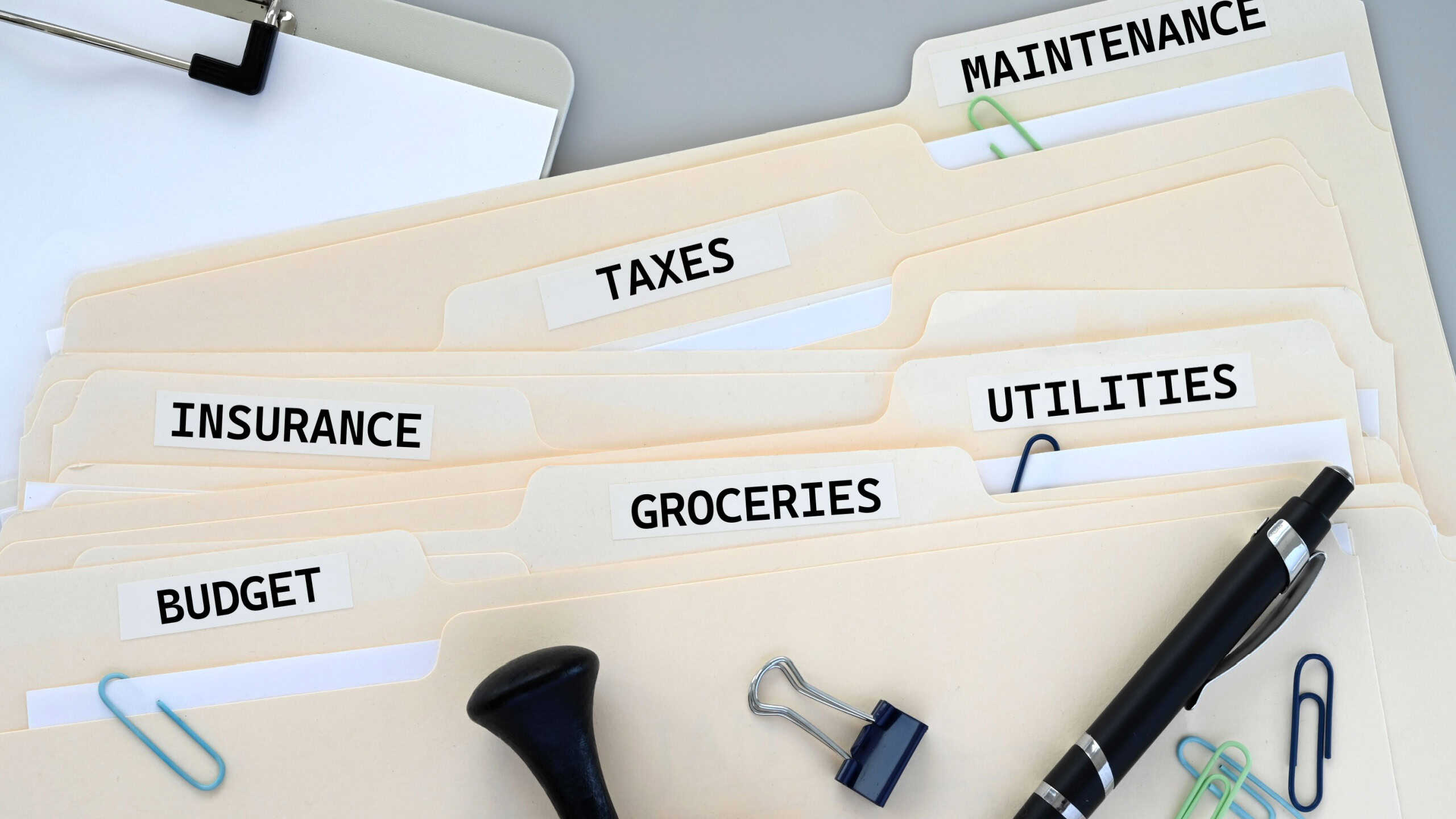
Review where your money went this year. It reveals patterns you may not see in daily life. You can see what felt like it was worth it, and what didn’t. This lets you plan a more realistic budget for next year. It also helps you have a better sense of where to cut back on things that add little value.
Check outstanding bills and tackle high-interest debt

Ensure no outstanding bills are floating around. Paying these off prevents future late or other fees. If you have high interest debt, consider knocking it out first. High interest debt accrues the most over time. Making even a little extra payment on it will ease your future burden.
Review retirement contributions

Quickly check how much you’ve contributed to your retirement savings this year. Some plans have deadlines so contributing before year-end can be beneficial. Your future benefits from ongoing contributions to your savings plans.
Review your investment portfolio and rebalance if needed

How did your investments perform this year? Parts of your portfolio may have increased in value, while others decreased. Rebalancing can keep you near your desired risk level. It also can help you stay on track with your long-term financial plans.
Claim eligible tax credits and deductions before the year ends

Some tax credits and deductions have a “use it or lose it” deadline of December 31. Research any tax credits or deductions that you might be eligible to claim. Taking some straightforward actions today will cut your future tax payment.
Review your insurance coverage

Take a few minutes and review your homeowners, auto, life and health insurance policies. Check to see if the coverage you have is still adequate. As your life changes (new home, new baby, job change), older policies may no longer be appropriate.
Update your wills, beneficiaries and estate plans

Have any big life changes occurred? If so, now is a great time to update your will or beneficiary lists. These little changes can mean the world to your loved ones. It’s easy to forget these changes are needed, which makes year end an important reminder.
Track charitable donations for tax time

Save receipts for any donations you made this year. Having it all in one place makes tax season easier. It also reminds you of which causes you supported and how to plan your giving for next year.
Track your subscriptions and memberships

Review your recurring bills. You may discover things you hardly use. Canceling what you don’t need can free up additional money each month.
Review employee benefits and unused perks

Before the year ends, take your time and slowly go through your employment benefits. Some benefits don’t carry over, such as small health reimbursements or unused vacation days. It’s better to enjoy them now than to find out they’re gone without any value to you.
Plan for major expenses in the coming year

Consider any large expenses you anticipate for next year (travel, tuition, home repairs, etc.). By budgeting for them in advance, you’ll be less likely to be blindsided by them. You’ll also have more time to save for them.
Set financial goals for the new year

End your year with a few concrete goals for the year ahead. They can be small. In fact, small, incremental goals can be helpful to have. It’s good to have something to work towards in order to add purpose and meaning to your plan.


