

Beyond the classic cars & rock ‘n’ roll, there was so much more to the 1950s than most people realize—and that includes some surprisingly smart diet tips! People back then knew how to eat a lot better than we do today. So, let’s look at ten ’50s diet tips that we could all do with following now. It’s time for a throwback!
Featured Image Credit: VitalikRadko /Depositphotos.com.
Eating Breakfast Like a King

Back in the day, people took the saying “Eat breakfast like a king, lunch like a prince, and dinner like a pauper” to heart. The idea was to start your day with a big & hearty meal that would keep you full. This would stop you from snacking on junk later—and they weren’t wrong! A good breakfast sets you up for a day of success.
Cooking Meals from Scratch

Microwave meals & fast food weren’t the norm in those days as cooking from scratch was the way to go. People in the 1950s would create meals using fresh ingredients so they knew exactly what was going into their food—no hidden sugars or preservatives here. Maybe it’s time to dust off those old cookbooks and get chopping.
Like our content? Be sure to follow us.
Portion Control
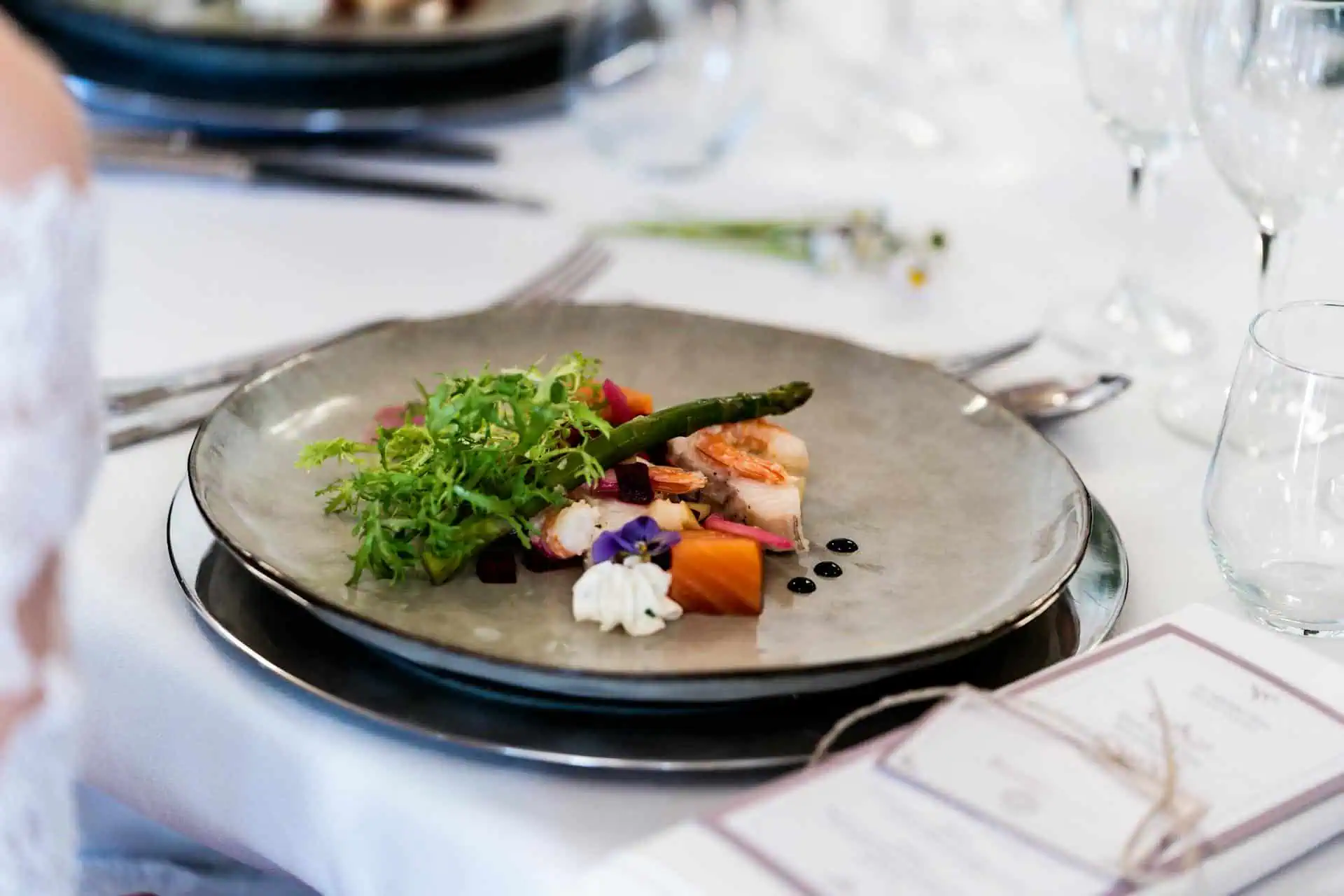
Portion sizes weren’t supersized back in the ‘50s because people understood the importance of eating in moderation. They were satisfied with less. Why? Because that’s what they were used to. Today, practically every meal is “go big or go home” and scaling back on our portion sizes would definitely be a simpler way to eat healthier.
Limiting Sugar and Sweets
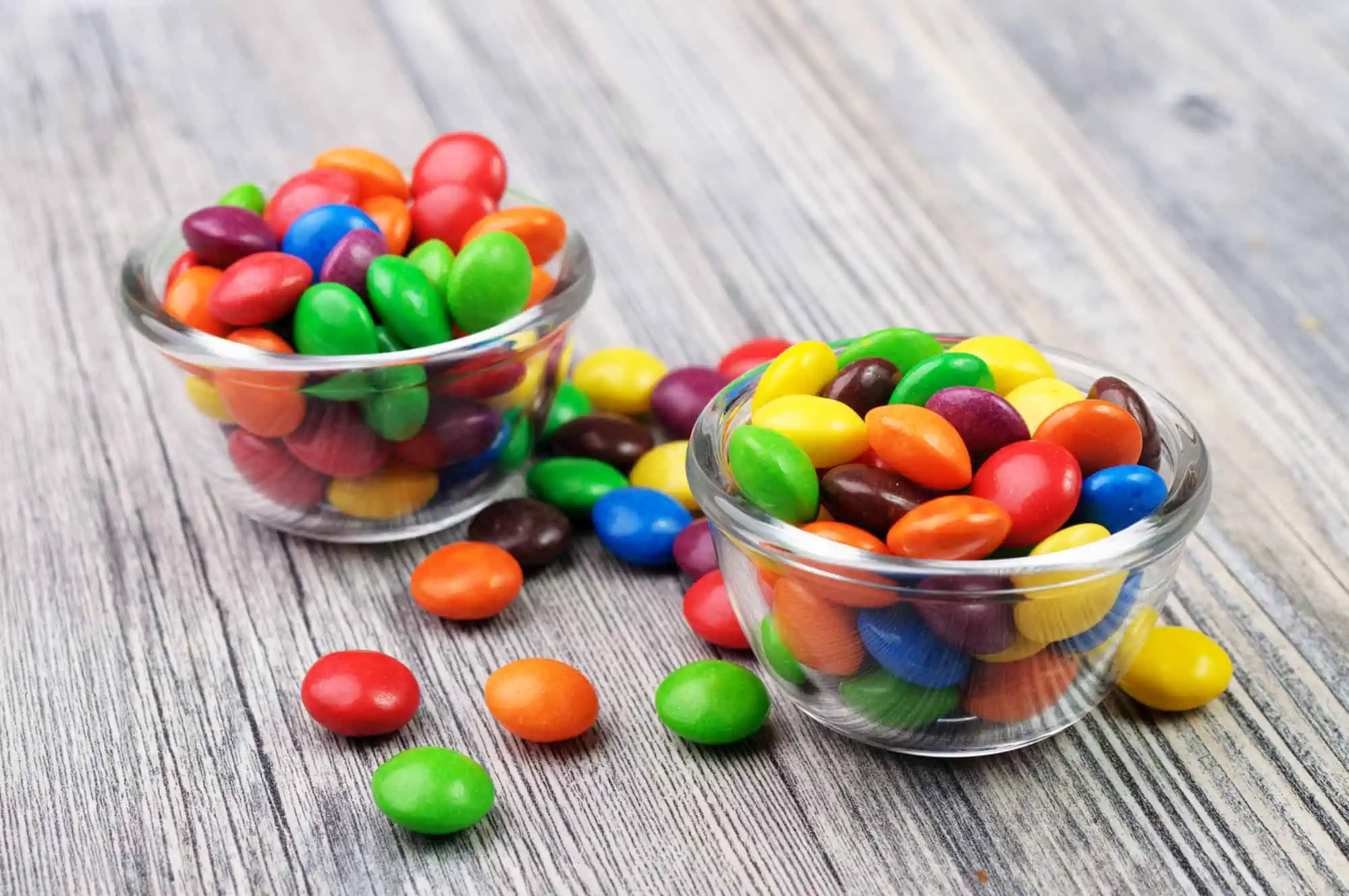
In those days, sweets were a treat rather than something you ate every day which kept sugar consumption way down. For example, many families would only have dessert on special occasions or Sundays. It’s more challenging today (given all the sweet temptations around us) but cutting back on sugar would be great for our health.
Regular, Balanced Meals

Eating three square meals a day was normal for people in the ‘50s and it helped them stay on track with their eating habits. After all, proper meals meant less snacking and more focus on making each meal balanced. Perhaps we could try it! It’d help us avoid any unnecessary snacks that we’re all guilty of eating.
Snack on Fruits and Nuts

Speaking of snacks, when people used to feel peckish between meals, they’d reach for a handful of nuts or a piece of fruit instead of chips. This way, they’d feel full without loading up on empty calories while also getting plenty of nutrients. Try grabbing an apple or some almonds when you’re looking for a quick bite!
Enjoying Natural Fats

Back before fat-free everything became popular, people weren’t afraid of natural fats in butter, milk & meat. These fats gave food more flavor and kept people feeling full longer. Rather than fearing the fat, we should enjoy having a little butter on our morning toast—but in moderation, of course.
Embracing Seasonal Eating

People didn’t always have the luxury of eating strawberries in December or pumpkins in April. Instead, they ate what was in season which meant their diets were naturally varied & full of different nutrients throughout the year. Seasonal eating also meant that food was fresher and tastier. We can do this, too, with a little planning.
Cooking Methods Matter

Unlike today, frying wasn’t the main way people would cook. Many families would alternate between baking, boiling & grilling and this made their dishes healthier. Better still, cooking with these methods retains the food’s flavors and nutrients—without adding extra fat. We should give it a try!
Variety Is the Spice of Life
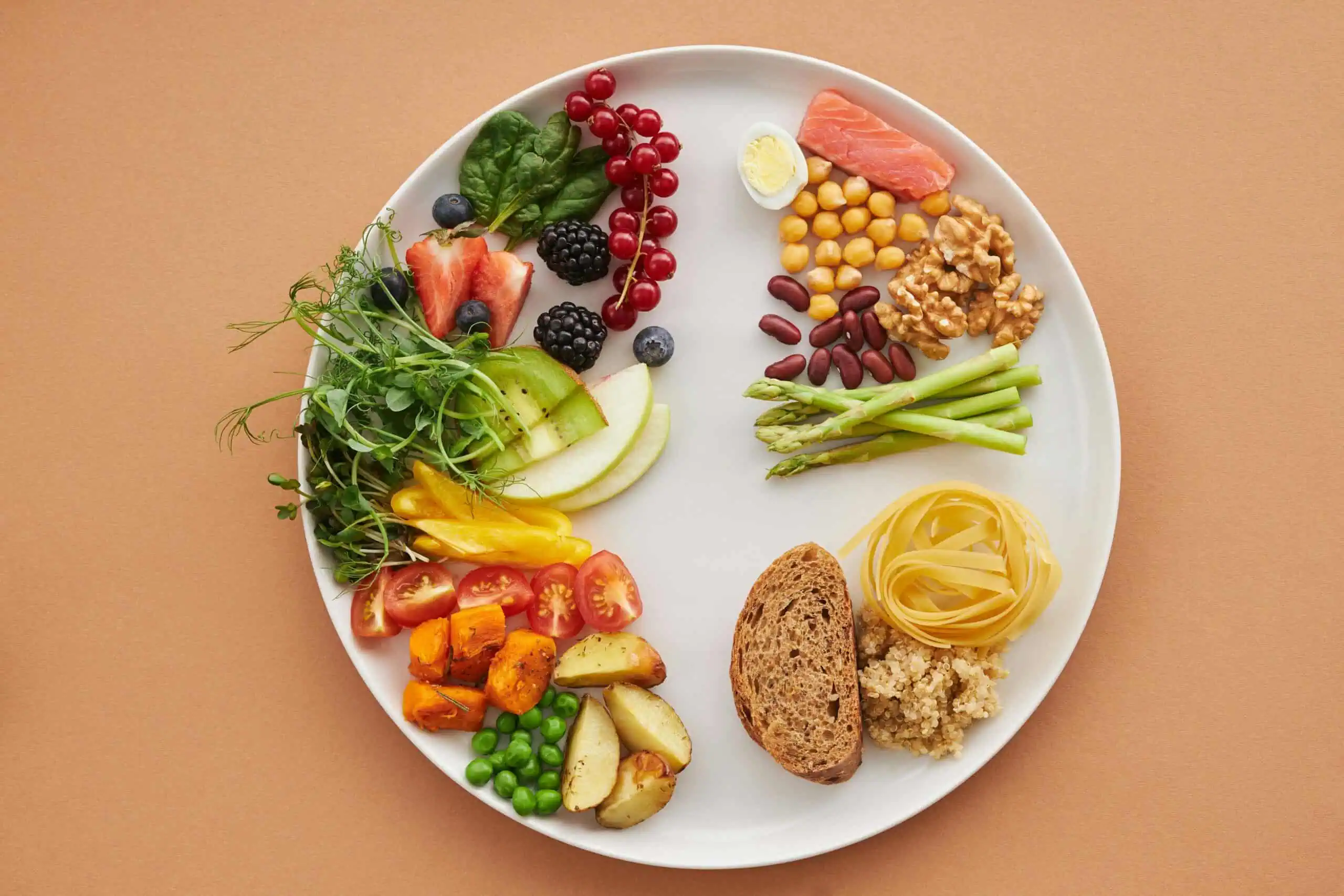
Lastly, the 1950s diet wasn’t focused on cutting out entire food groups or eating the same thing every day. Instead, they believed in variety for a range of nutrients & flavors. It’s certainly something we could try, as mixing things up can make even the dullest of diets seem more interesting.
Disclaimer: This list is solely the author’s opinion based on research and publicly available information.
Like our content? Be sure to follow us.
Read More: