

As any parent will tell you, raising kids is full of surprises and we all have some unconventional ways to parent them properly. Over time, I’ve tried some unconventional ways to discipline my kids and even though these methods might seem a bit out there, they’ve made a real difference in our family life. Here are eleven controversial techniques I’ve used and how they’ve worked for us. Sometimes going off the beaten path with parenting is the best thing you can do.
Featured Image Credit: inesbazdar /Depositphotos.com.
Charging a “Responsibility Fee”
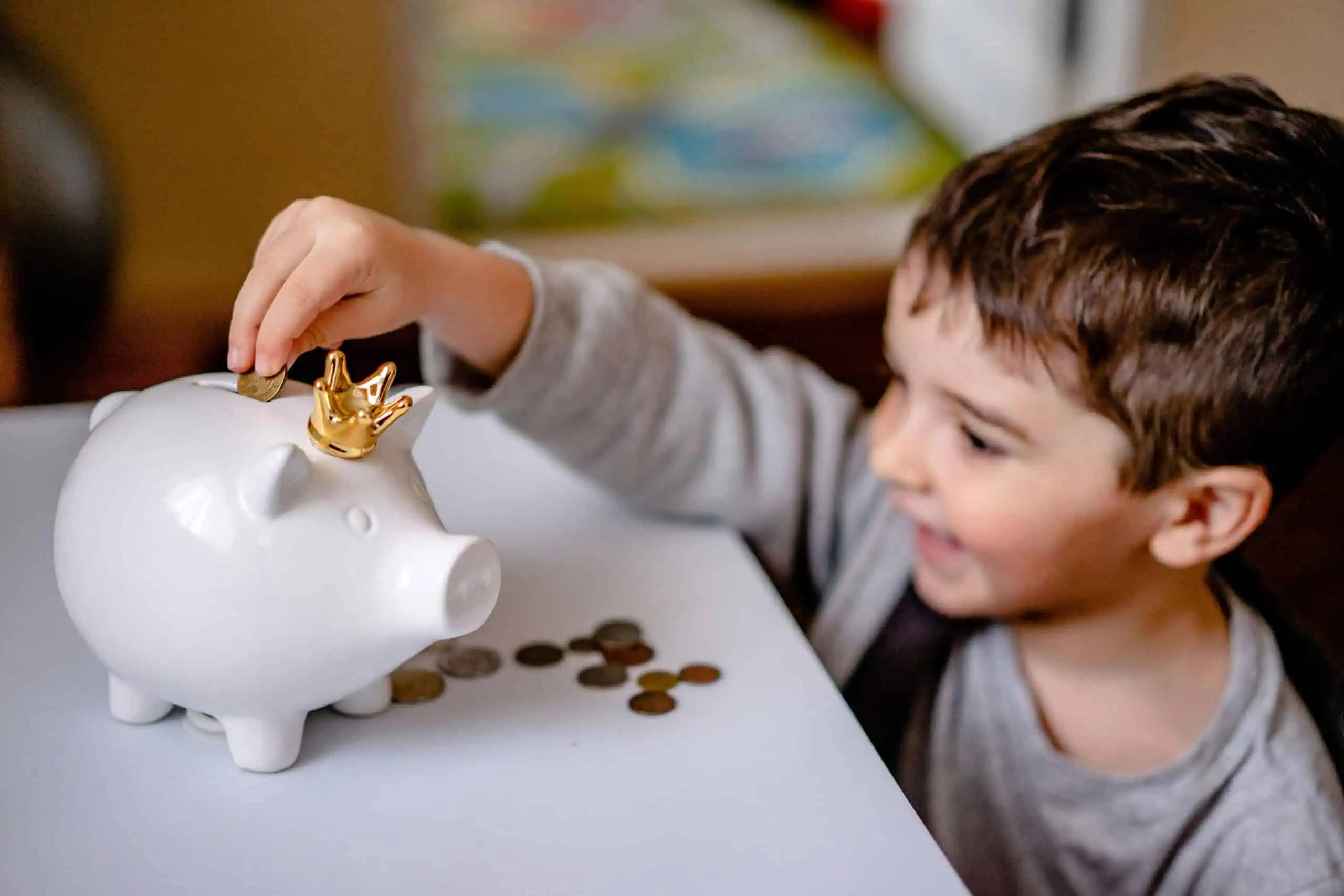
Whenever my kids don’t complete their chores or homework, I deduct a small amount from their allowance as a “responsibility fee”—not tidying their room, for example, costs them a dollar. This means that their actions have real consequences and this has encouraged them to stay on top of their tasks. They want to keep their full allowance and deducting from it, rather than taking it away entirely, gives them the chance to think about what they’re doing.
Letting Them Set Their Own Consequences
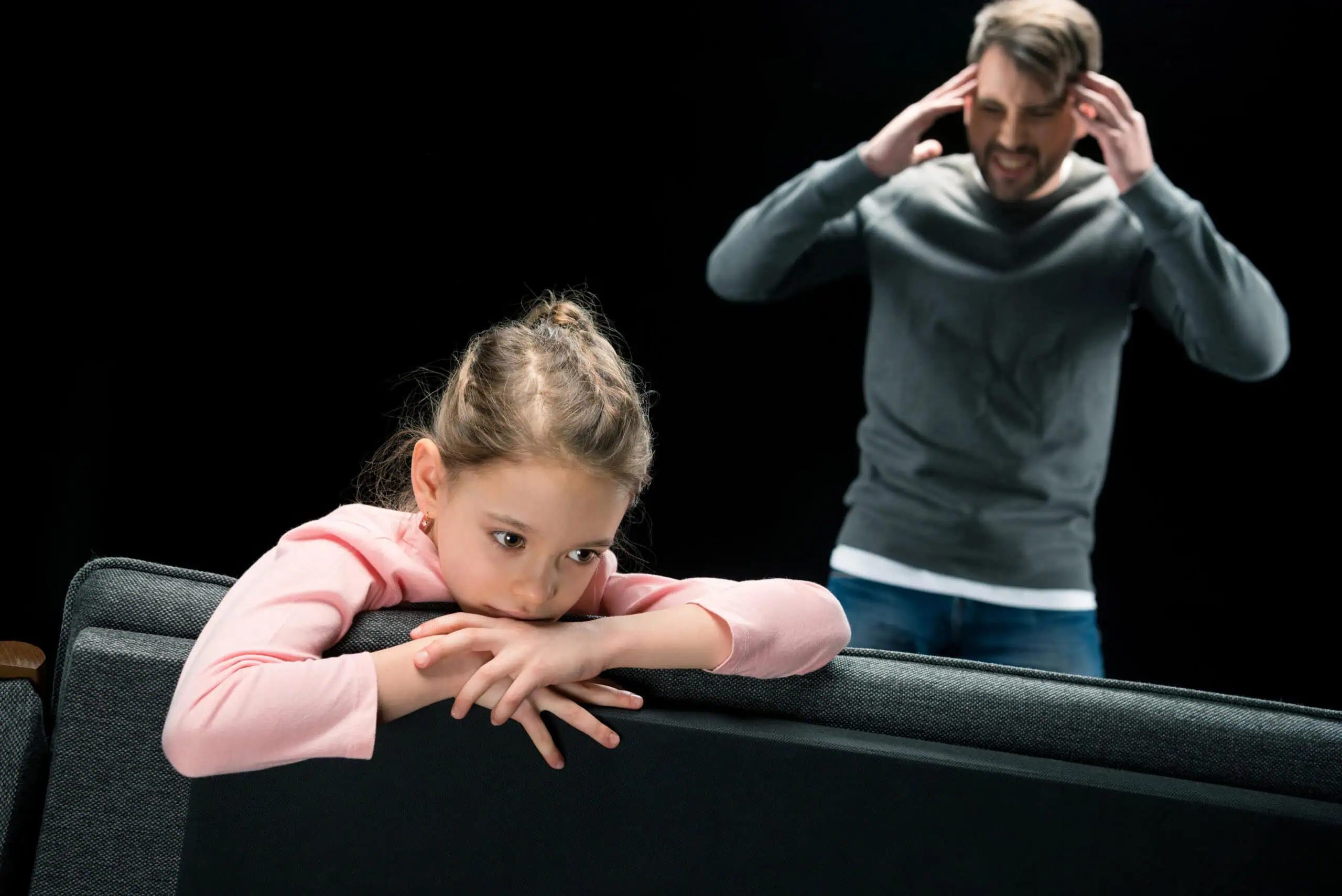
I don’t give out punishments when my kids get into trouble but instead, I ask them to decide on their own consequences—we sit together & they suggest ways to make up for their actions. It might be controversial to some people, yet I’m always surprised at how thoughtful they are with their punishments. For example, my son once chose to wash the dishes for a week after forgetting his homework, which showed he understood the consequences of his actions.
Encouraging Self-Timeouts
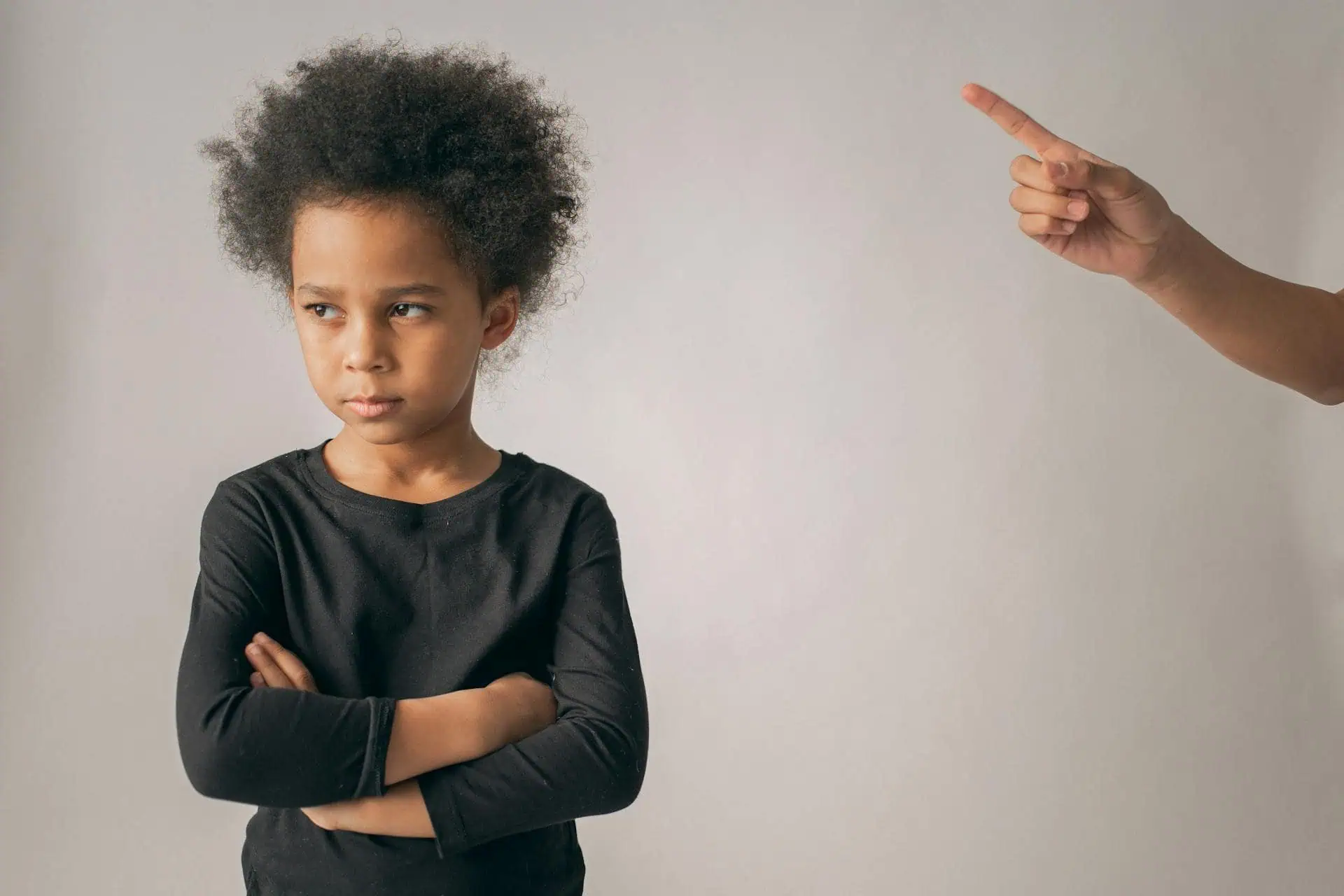
I try to avoid sending my kids to their room when we get into an argument and, instead, I ask if they need time to cool off. They choose to take a moment alone more often than not and this kind of self-discipline timeout helps them regulate their emotions a lot better. My son now recognizes when he’s getting upset & he’ll excuse himself before things escalate.
Letting Them Face Natural Consequences

There are also times when I simply let my kids deal with the results of their own choices, such as if they decide to skip studying for a test—I don’t nag them. They soon realize what they should’ve done when they come home with a low grade and they understand how their actions have real outcomes. As such, my kids start making better decisions about their own lives without me constantly reminding them.
Encouraging Apology Letters

A quick “I’m sorry” doesn’t always cut it around here, so when my kids mess up, I have them write apology letters because taking the time to put their thoughts on paper makes the apology more sincere. It also gives them a chance to reflect on what happened & think about how to do better next time. They’ll have a physical reminder of what they have done wrong and will know how to improve for next time.
Adopting a “No Rescue” Rule
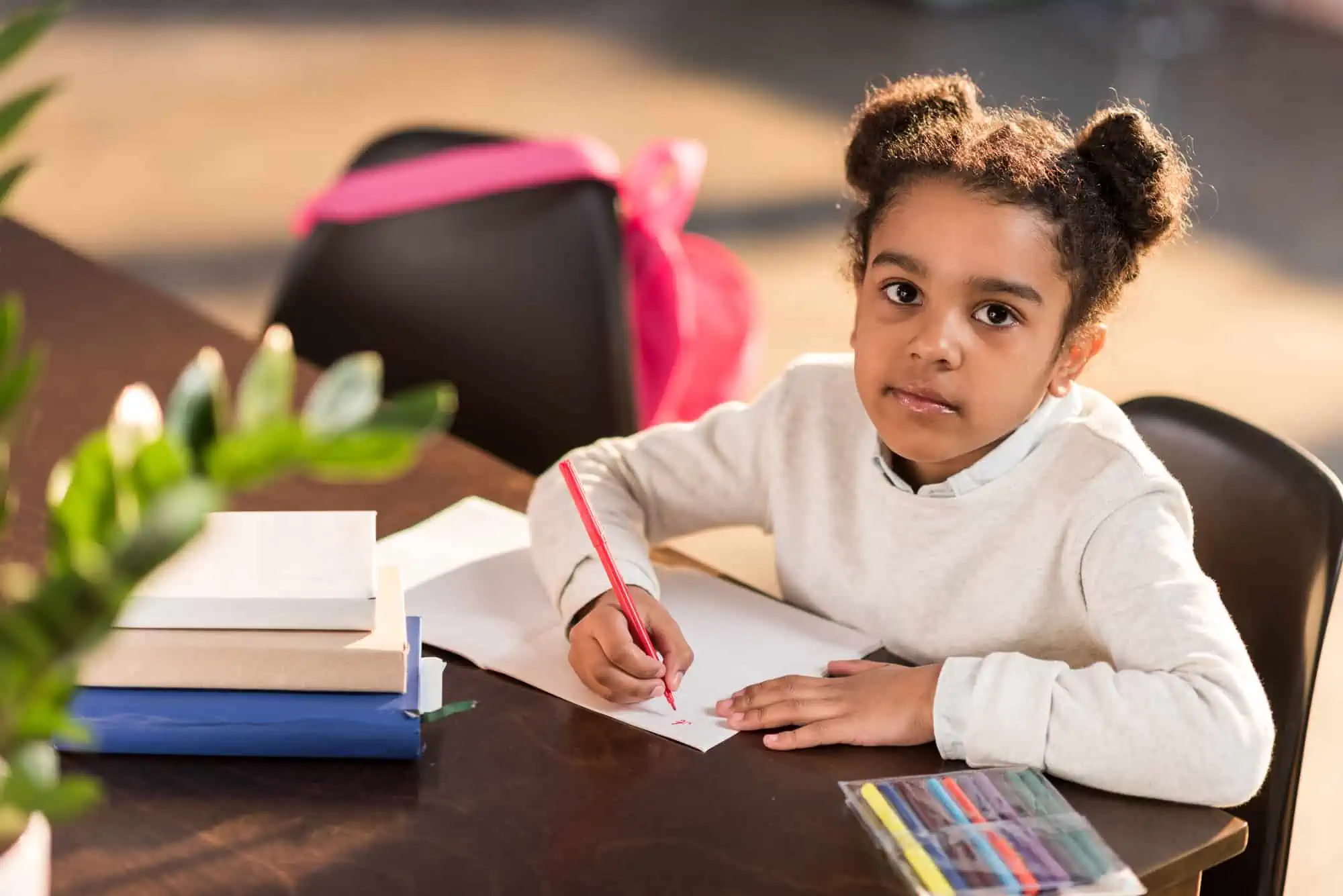
I don’t rush to save the day if they forget their homework or sports gear because I would rather allow them to face the consequences at school. Sure, it might seem tough but it’s taught them to be more responsible for their own things and it’s made them better at planning ahead. They understand I won’t always bail them out, which sets them up well for the future.
Assigning Community Service Tasks

Of course, there are times when my kids really step out of line and during those times, I sign them up for community service, such as spending a Saturday helping at a food bank. They might also clean up the park when they’ve made a mistake—doing so gives them a new perspective on life. Some people argue that it’s a heavy consequence, yet I believe it shows them the importance of giving back & thinking beyond themselves.
Making Them Earn Back Trust

In our house, we don’t just hand trust back after an apology and my kids have to earn it by showing consistent good behavior or taking on extra responsibilities. To some people, this is a way of dragging out a punishment but I disagree—I think it teaches them that rebuilding trust takes effort and time. And it works because they know they can’t just mess up, do the punishment and be okay, but rather, they have to learn from their mistakes.
Assigning Reflective Book Reports
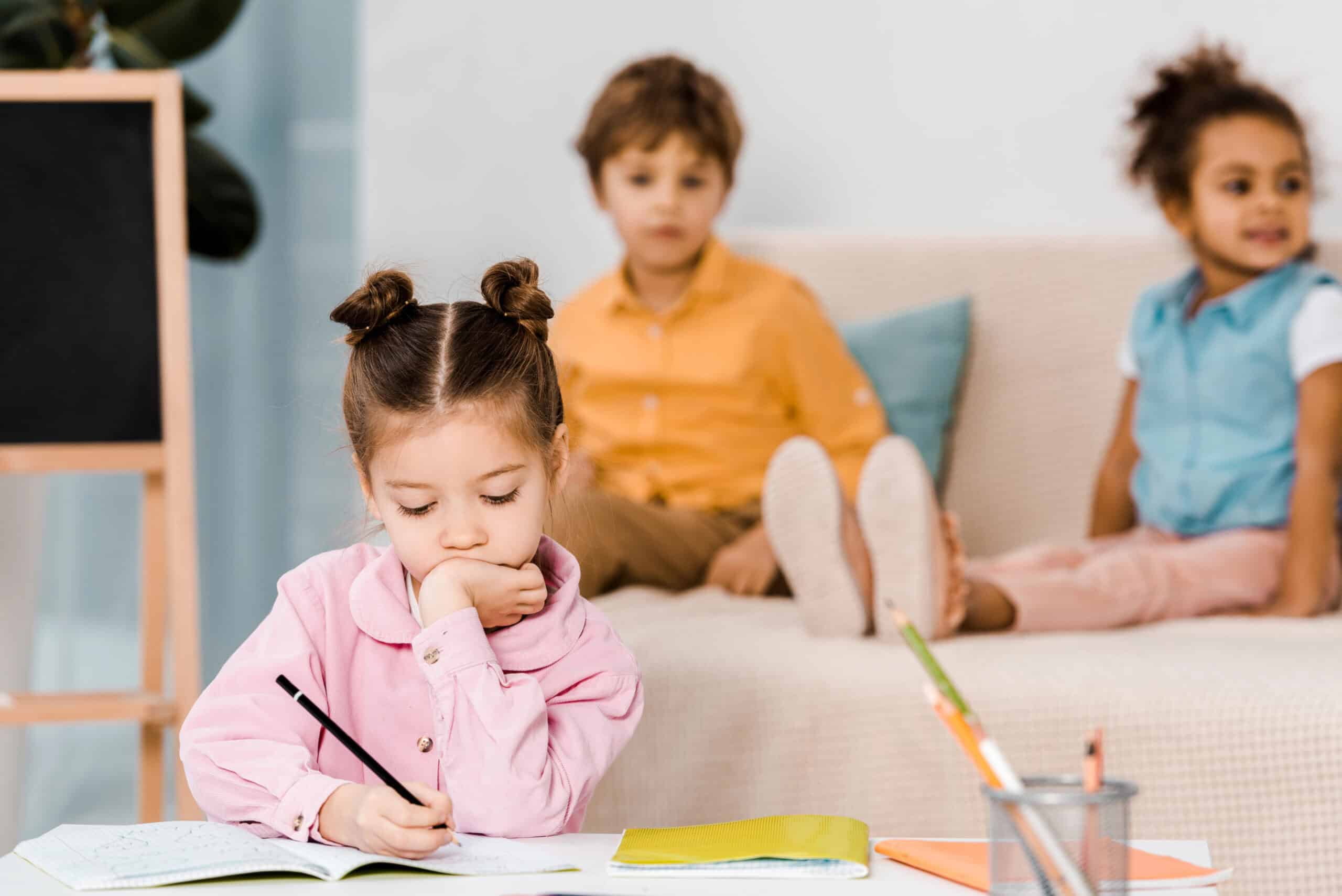
I tend to avoid typical punishments by having them do tasks like reading a book related to their misbehavior & writing a short report on it. If they’ve been dishonest, maybe they’ll read a story about honesty and learn about why telling the truth is so important. Some people worry this might make reading feel like a chore, although I would argue that it’s helped my kids connect stories to real-life choices.
Temporarily Taking Away Favorite Items

I also take away their favorite gadgets or toys for a bit when they’ve crossed the line, even though it’s tough for them and they definitely feel the loss. But it makes them appreciate their things more and understand that privileges come with responsibilities, so they usually think twice before repeating the same mistake. It’s a good way to make them realize that they can’t always do as they please.
Donating Personal Belongings

Whenever they behave particularly badly, such as if they act selfishly, I have them choose some belongings to donate to charity—it’s not easy for them to part with their stuff. However, it teaches them about generosity and seeing their items go to someone in need helps them appreciate what they have. It encourages a sense of empathy in my kids that you can’t get from simple punishments.
Disclaimer: This list is solely the author’s opinion based on research and publicly available information.
Like our content? Be sure to follow us on MSN.
Read More: