

While many foods are completely common in the U.S., lots of them are actually banned in other countries. It might come as quite a surprise! Different nations have their own rules about food additives & processing methods so some of our favorite treats aren’t available everywhere. Here are eleven popular American foods that you won’t see on other store shelves. Their dinner plates look quite different from ours!
Featured Image Credit: AsierRomeroCarballo /Depositphotos.com.
Milk with rBST Hormone

In the U.S., many dairy farmers use a synthetic hormone called rBST to get cows to produce more milk. The FDA has ruled it as safe. But countries like Canada & those in the European Union disagree & they’ve banned milk from cows treated with rBST. Why? Because they’re worried about the cows’ well-being—and possible health risks for people drinking the milk.
Bread with Potassium Bromate
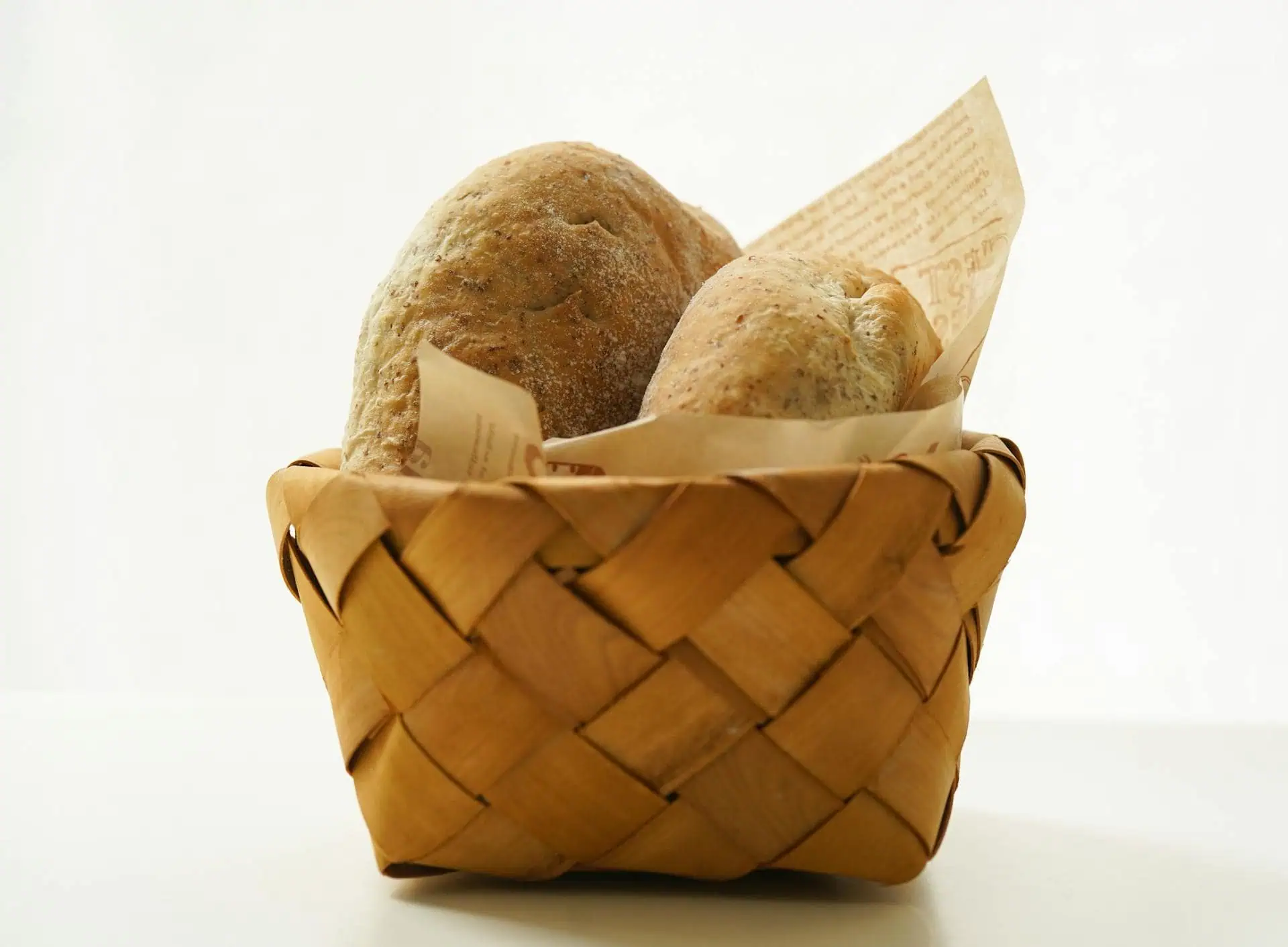
It’s common in America for bakeries to put potassium bromate in their dough to help the bread rise better & improve the texture. Yet not in the UK or Canada. These countries have banned this additive since studies on animals suggested it could cause cancer so bakers over there use different ingredients to make the same fluffy bread.
Like our content? Be sure to follow us on MSN.
Flour Bleached with Chlorine Gas

But that’s not all for banned bread! While the FDA allows bakers to use a certain amount of chlorine gas to bleach flour, the European Union has banned this practice. It’s concerned about chemical residues that might remain in the flour & potential health hazards. Instead, bakers in these countries let flour whiten naturally over time or use safer bleaching agents.
Skittles with Artificial Dyes

Skittles are some of the best candies around and they owe their bright colors to artificial dyes like Yellow 5 & Red 40—at least in America. In countries like Norway and Austria, these synthetic colors are banned so manufacturers use natural colorings. California has done the same and recently banned Red 40, too.
Little Debbie Swiss Rolls

Little Debbie Swiss Rolls sure are a sweet treat! They include additives like Yellow 5, Red 40 & TBHQ, which is a big mistake according to the European Union’s food standards. For them, the fear is that these ingredients cause hyperactivity in children. As such, you won’t find the original Swiss Rolls in EU countries—unless they’ve changed the recipe.
Instant Mashed Potatoes with BHA
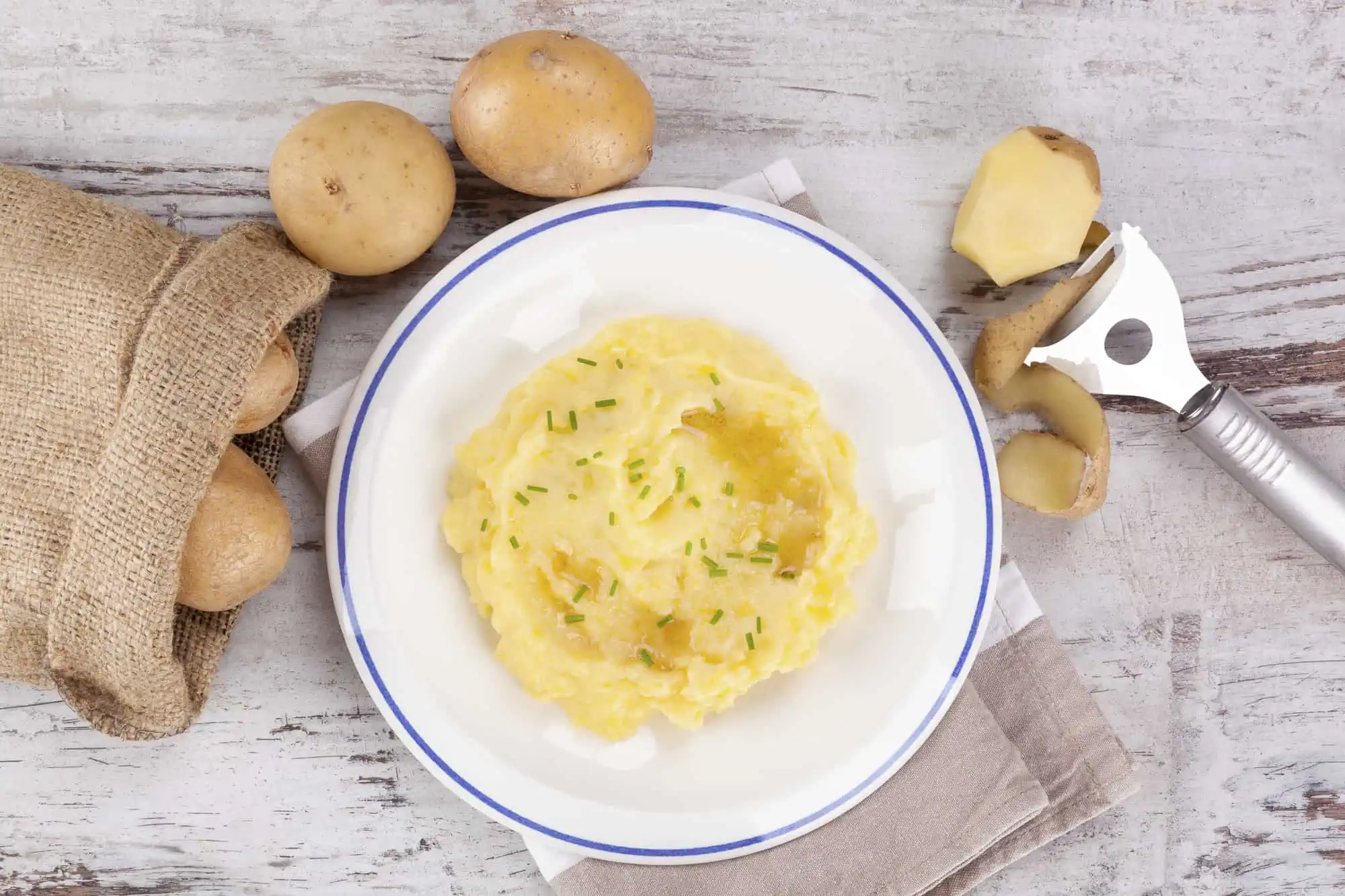
Certain instant mashed potato brands in the U.S. use BHA (butylated hydroxyanisole) as a preservative because it’s allowed in small amounts. But BHA is banned in Japan. In animal studies, scientists found that it could cause cancer & so they’re not taking any chances. Instead, manufacturers have to find other ways to keep their packaged foods fresh.
Breakfast Cereals with BHT
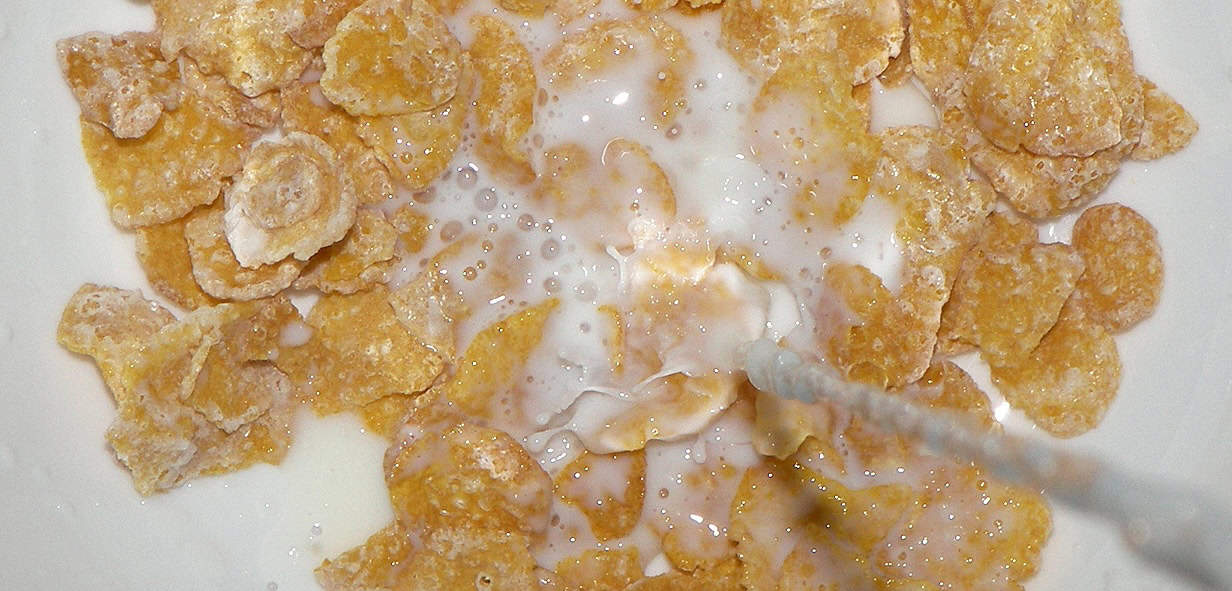
Lots of American cereals, including Frosted Flakes, use BHT (butylated hydroxytoluene) as a preservative to keep them fresh longer. However, the UK & parts of the EU have a different take on the beloved cereal. BHT is banned due to it possibly increasing people’s risk of cancer, which has forced many manufacturers to use natural preservatives instead.
Kraft Mac & Cheese with Artificial Dyes

If you’ve ever eaten Kraft Macaroni & Cheese, then you might’ve wondered where the bright orange color comes from—it’s artificial dyes like Yellow 5 & Yellow 6. These are FDA-approved but not government-approved in countries like Norway & Austria. Kraft uses a different recipe in these places. This includes natural colors like paprika & beta-carotene, which gives Kraft’s mac & cheese that iconic look.
Pork Treated with Carbadox

Some U.S. pig farmers use carbadox, an antibiotic, to help pigs grow & fight any diseases, although that doesn’t happen in the EU or Canada. Like most ingredients, carbadox is banned due to cancer concerns. However, it looks like the USA might be following suit as in 2023, the FDA announced that they would ban carbadox, too. But there’s no timeline for when that’ll be.
Apples Treated with Diphenylamine (DPA)

Diphenylamine (DPA) is a chemical that many American farmers use on their apples to stop the skins from developing brown spots in storage. It keeps the apples looking fresh & delicious! However, in 2014, the European Union banned apples treated with DPA as they worried it could create nitrosamines. These are possible carcinogens.
Frozen Chicken with Sodium Phosphates

In the U.S., some frozen chicken products are injected with sodium phosphates to help them stay moist and delicious after you’ve frozen them. Yet the EU has restrictions on phosphates in meats. For them, the potential health risks (like heart disease) when people consume high amounts are just too much. You won’t get these chickens there!
Disclaimer: This list is solely the author’s opinion based on research and publicly available information.
Like our content? Be sure to follow us on MSN.