

You could be losing hundreds of dollars a year from autopay fees you forgot you signed up for, from zombie phone bills to duplicate credit monitoring services.
Old line trap
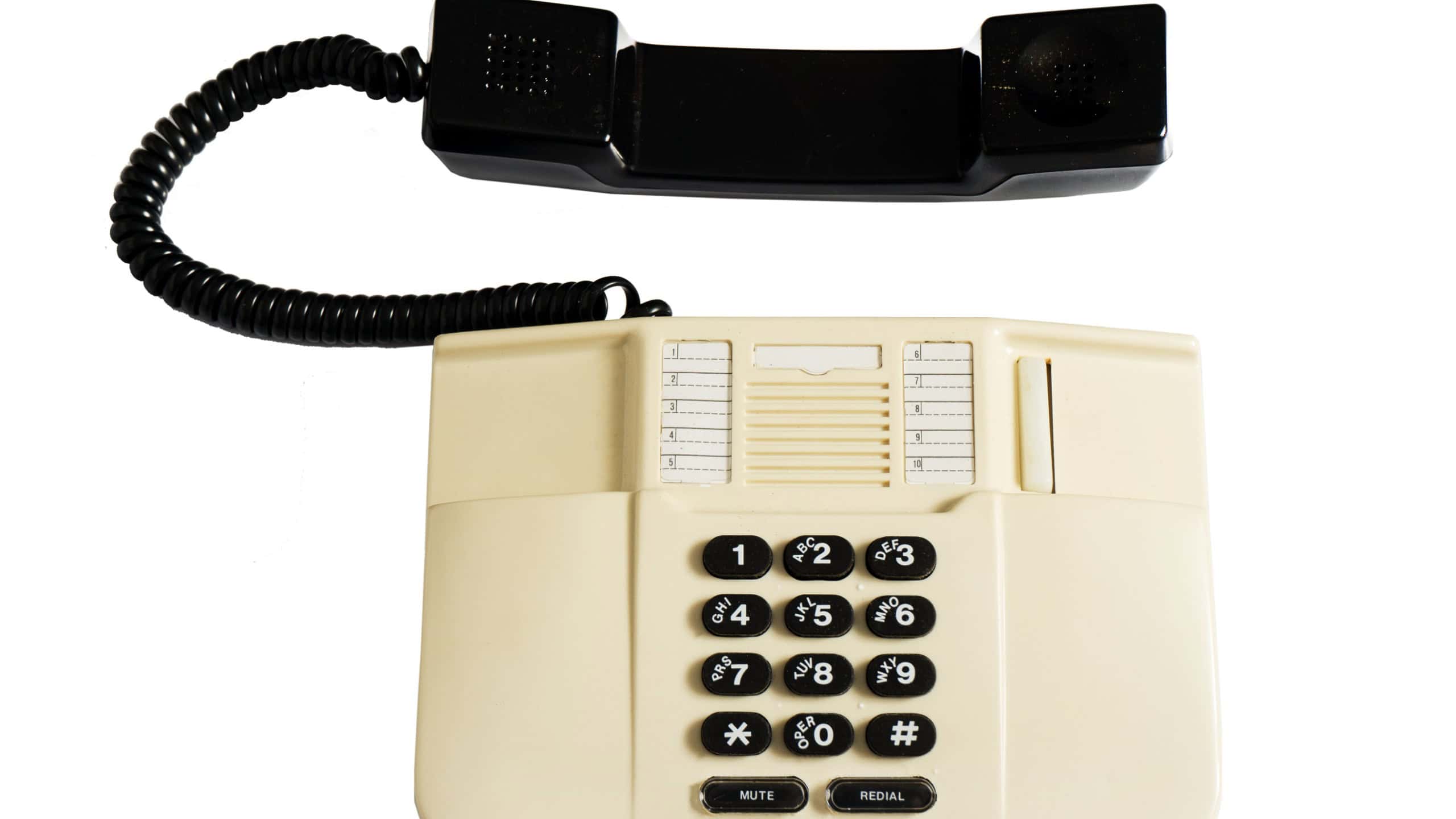
You may be exclusively using a cell phone, but that landline you never use may still be active with a “Z line” or “inside wire maintenance” plan.
These monthly mini-fees, that range from $7–15, are pre-marketed to you as insurance if the inside wiring of your house shorts out and you lose your phone service.
While this may have been an issue back in the stone ages, it’s unlikely that your house’s wiring will suddenly fail today.
Simply cancel this line item from your account, and you’ll no longer be insuring a piece of technology you may not have used since 2002.
Paid paper

Old school banks, and many utility providers, began assessing a monthly delivery fee for regular mailings several years ago.
Depending on how many accounts you have with these providers, you may be paying between $2–$5 per statement, just to receive a bill in your mailbox. And if your account is set to auto-pay, they simply bill you for that convenience.
Across a handful of accounts, these convenience fees could be devouring close to $500 of your annual fixed income. Eliminating paper statements, or paying manually through your bank’s website, will extinguish these drains instantly.
Ghost warranties

Signing up for protection plans on major appliances like refrigerators, washers/dryers, or even tablets, was a trope of the early 2020s.
Plenty of these plans have evergreen language that allows the billing to continue even after the warranty expires or you replace the item.
Since most 3rd party processors use generic names like “WTY-SVC-PRO” for their companies, these charges can be hard to spot on your monthly review. Stopping these recurring charges means you won’t be paying for coverage on outdated equipment.
Vitamin refill

Supplement companies love preying on seniors, with promises of memory boosting pills or joint health tonics.
Many companies boosted their prices in 2026, yet because the payments are automatic, you won’t notice the $80 charge, when you were previously paying just $30.
Canceling these subscriptions over the phone is a nightmare. The only way to ensure they truly stop is by removing authorization from your bank.
Cloud storage fees

Own an iPhone? Android? Kindle? Chances are you are still paying for cloud storage for files you took on those devices.
Did you delete photos from your iPhone before you upgraded to Android? Apple, Google, and Amazon know you will ignore the $0.99 or $2.99 charge. The thing about these recurring payments is they never stop. And if your cloud storage isn’t full, you’re not actually benefiting from it.
Audit those digital bins, and remove direct bank connection, and you could save yourself hundreds over the course of retirement.
Bank safety charge
Overdraft protection seems appealing at first, but then your bank hits you with a monthly fee simply for keeping the service active.
Instead of paying a fee when you actually overdraft your account, you’re essentially renting that safety net every month whether you need it or not.
Banks are all for this in 2026, as they look to reduce their reliance on traditional interest income. Drop the protection and simply leave a buffer of funds in your account to avoid embarrassment of a declined transaction.
Digital news tier
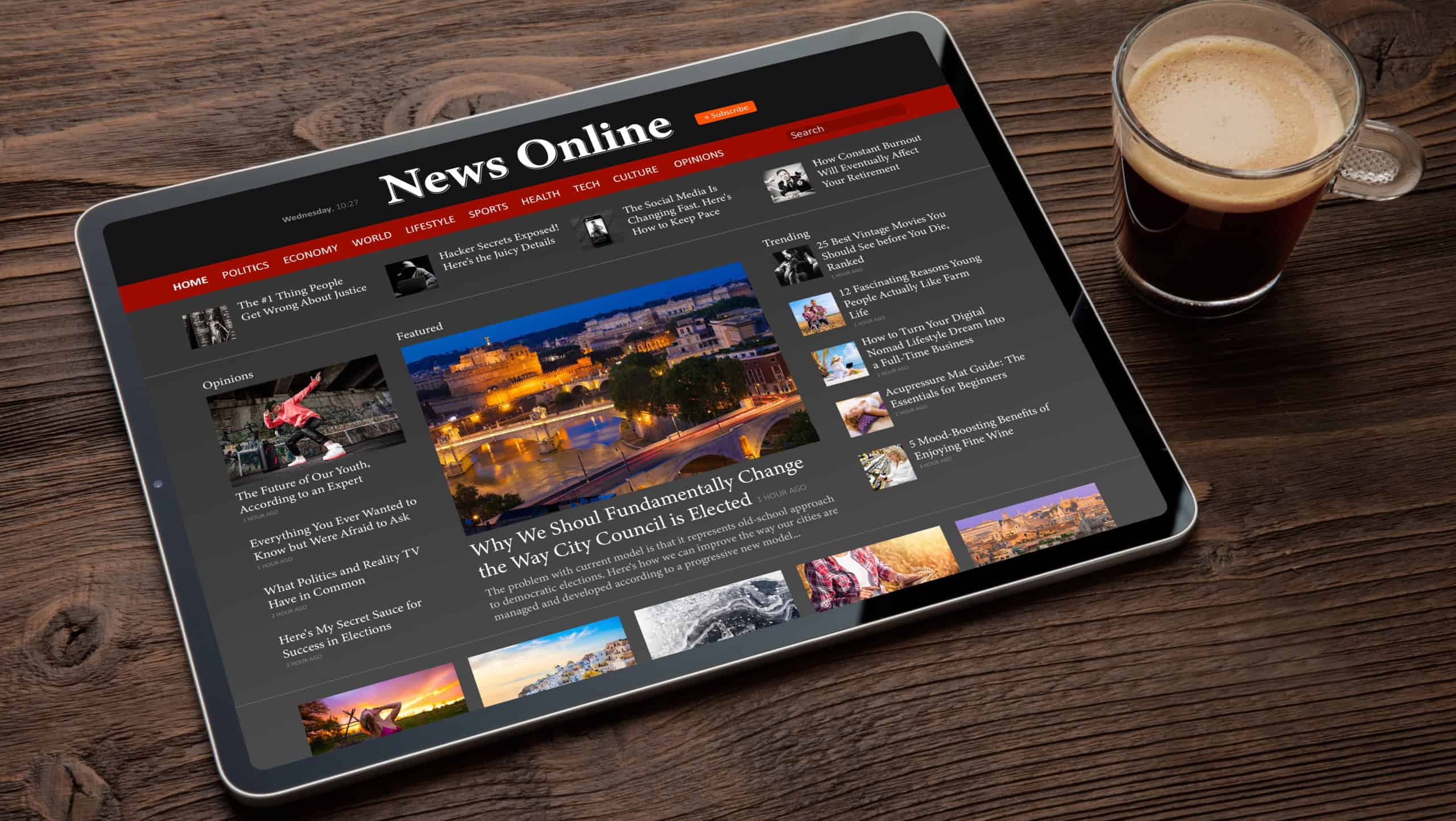
Baby boomers love their digital newspaper subscriptions because they’re cheap. What they don’t realize is that companies make it very easy to upgrade them to “Premium” or “Ad Free” subscriptions with bells and whistles that they don’t need.
Another sneaky way certain news sites hike up prices is by small increments. They’re usually increases of only a dollar or two, which most people don’t catch unless they’re vigilant.
Monthly subscriptions are also automatically renewed which makes it easy to lose track of how much money you’re pouring into the service each month. These little fees can really add up.
You can stay on top of things by going back and manually reviewing all your subscriptions. By doing that, you’ll be able to clearly see what you use and don’t use.
Club payments

You’re probably paying monthly dues to your local chamber of commerce, fraternal organization, or niche social club from payroll years ago.
Because these organizations prey on loyal members forgetting to opt out of automatic donations years after they stopped attending functions, they typically refer to these autopays as “donations” or “membership sustenance.”
Let’s turn this around and make sure our contributions are conscious choices by new retirees, not just forgotten autopays.
Home protection subscription

Your old home alarm system may need you to pay a monthly fee for monitoring in order for the system to work.
However, the actual monitoring hardware (wireless sensors that use 3G etc.) is no longer supported because most carriers have switched to 5G. Still, plenty of alarm companies will continue to charge you monthly for renting this hardware, despite your control panel no longer having the ability to communicate with their central station.
Don’t let this seduce you into a feeling of false security, as they leach away at your savings account month after month.
Sources: Please see here for a complete listing of all sources that were consulted in the preparation of this article.


