

Everything was mechanical back then and if you wanted to survive your day as a kid, you had to know how to operate on an analog competency level.
Landmark memory

Well before GPS with voice commands, a directionally challenged ten-year-old used permanent landmarks and the position of the sun to memorize an area map.
At a young age, you learned home was three blocks past the water tower and two lefts past the creek coming from any direction.
If you found yourself disoriented, you’d check the moss on trees or the direction of shadows to orient yourself to the North.
We were taught spatial awareness that most children these days will never know because some blue dot figures it out for them.
Saving cassettes
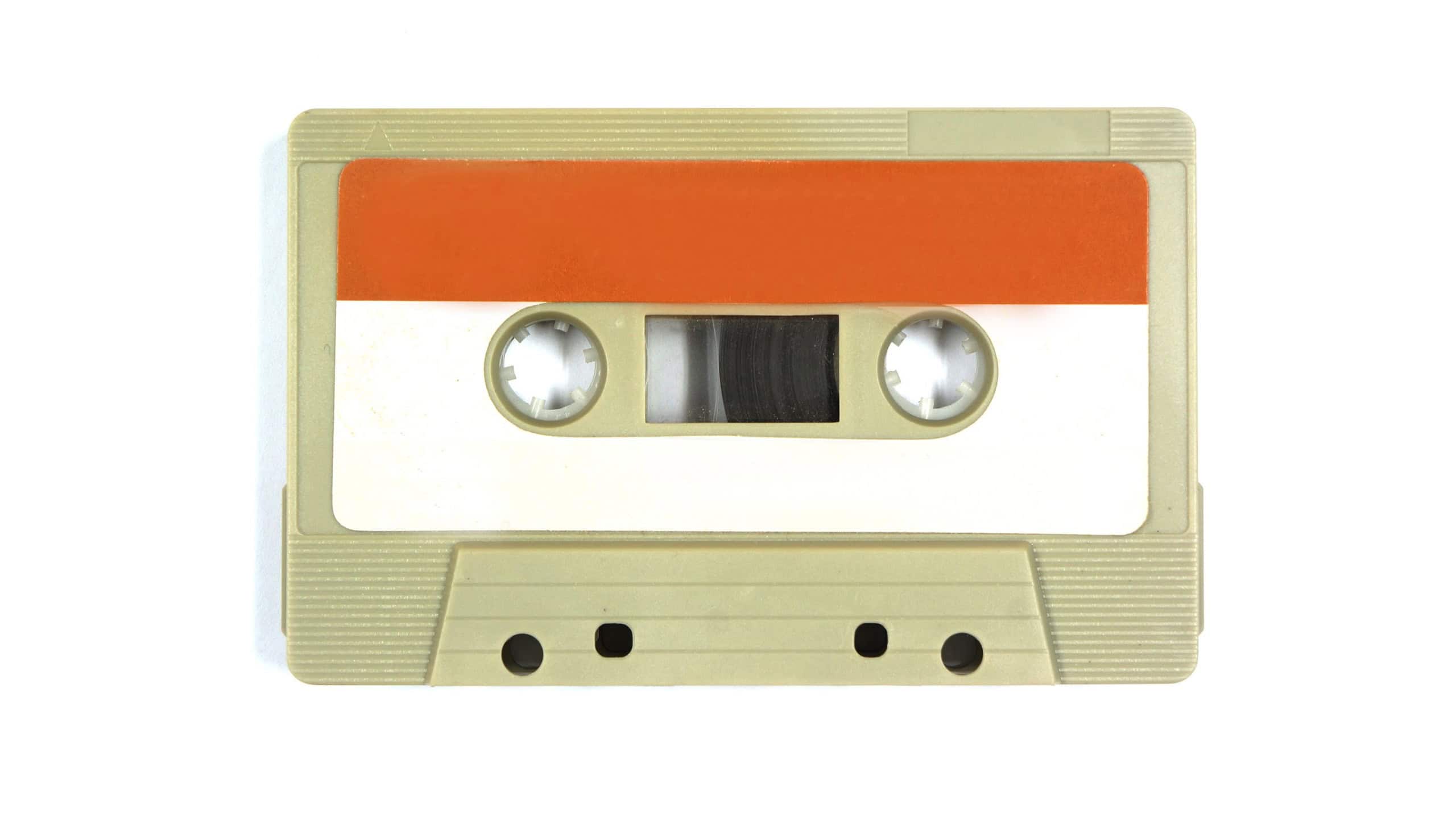
Boomer kids knew that when your favorite cassette or old-school reel-to-tape broke in the middle of The Beatles latest hit, it wasn’t necessarily the end.
Slowly lay the broken halves of brown magnetic tape facing down on a table, trim the broken edges with a razor blade, and gently join the ends together with a small piece of clear adhesive tape.
Move your fingers deliberately and carefully so you don’t create twists that might later cause your player to seize up.
Manual (preventative) maintenance was the only way to preserve a recording that might never be heard again.
Cold engines

Whether it was the lawnmower, a dirt bike, or even the second family car, we understood that not everything would kick into gear immediately.
Kids learned that engines were hungry beasts that needed air to start. You learned how far to pull that dirty, metal choke knob to get just enough air-fuel mixture to start that cold engine on a chilly morning.
You listened for the specific sound the engine made when it caught and felt the engine vibrate through your fingers on the pull-string or key ignition.
Those who grew up in the Boomer era understood exactly when to ease off the choke as the engine found its rhythm at idle, a lesson you wouldn’t pick up from today’s fuel-injected vehicles.
The classifieds

Whether you were hunting for a summer gig or a secondhand bicycle, the crucial details were printed in tiny lettering within dense paragraphs that most kids couldn’t understand.
You had to know what “OBO,” “firm,” or “mint cond” meant, and how to phone up a stranger to inquire about their ad.
Kids learned how to ask the right questions over the phone to weed out owners who would try to scam them or who weren’t the real owner. Then they had to haggle over the cost with someone else before actually seeing the thing or meeting them.
Writing lyrics down
Kids these days just google lyrics and move on with their lives. Back then, if a song came on the radio they really liked, they’d grab whatever pen and paper they could find. Then sat right beside the stereo ready for the DJ to finish talking and launch into a clear portion of the song.
Record. Pause. Rewind. Try again. It’d take forever to learn one full verse correctly. But, the kids learned to listen to music in a whole new way. They learned to pick up little bits and pieces between the static.
Cashier math skills

Back then, cash registers didn’t automatically tell the cashier how much change was due. You just learned how to do it mentally.
So if something was 12 cents and you gave the cashier a quarter, they would begin to count: counting up from thirteen, fourteen, fifteen, and so on, until they hit a quarter. Once the few coins were handed over, the job was done. Typically some pennies and nickels.
Eventually you stopped thinking about coins as individual pieces and just knew what they amounted to. A nickel was no longer a coin. It was “5 more cents”, and subconsciously, you tracked it.
Forest crafting
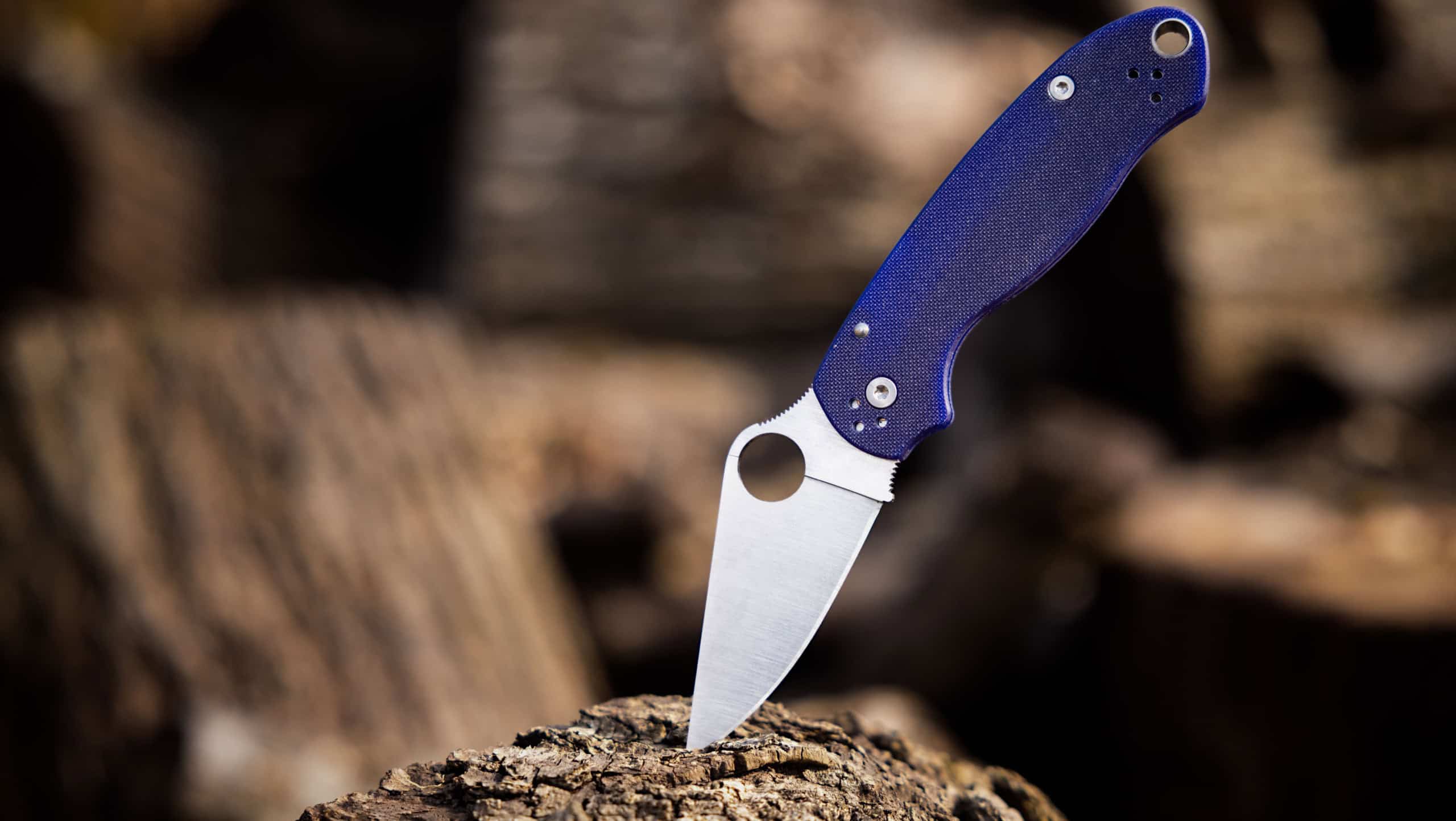
Pocket knives were always in the hands of most young boys or girls.
Whittling was not just aimless shaving of wood. By age 12 you could carve an exact V-notch to create an effective trap or shave down a branch to create the most-balanced stick for roasting food over a fire.
You understood the wood. You knew how to carve safely and maintain a keen edge with a whetstone.
Card drawer hunt
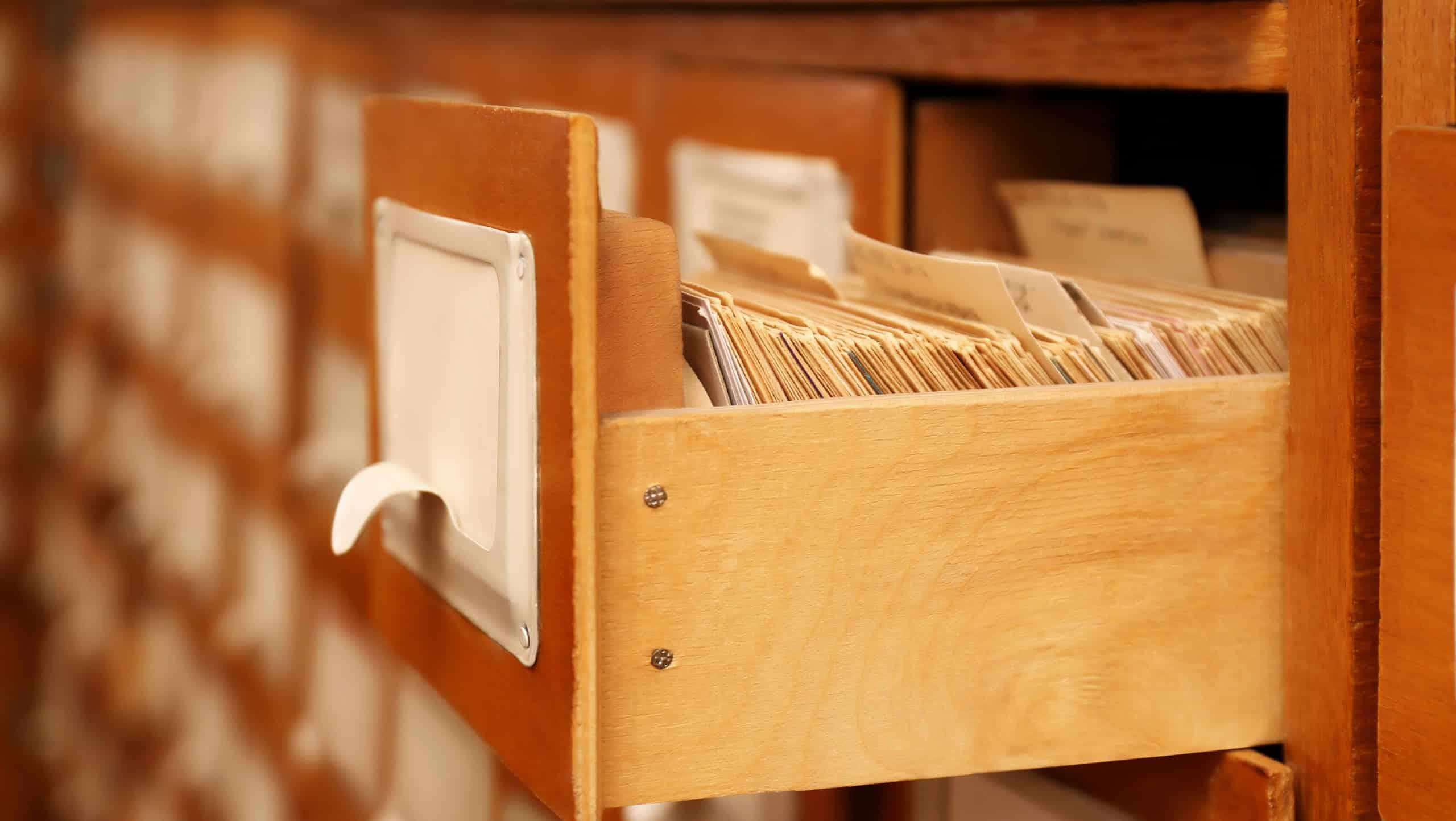
Researching info for a school report took you into the library to dig through a giant wooden cabinet filled with thousands of alphabetized pieces of paper.
You had to learn how to cross reference author, title and subject to find a number that led you to an actual location on a shelf.
You walked miles of library aisles trying to find that one resource. It was like a tactile search engine that favored organization and research skills of the kids.
Liquid fixes

There was no delete button on a manual typewriter. You had to be certain before you hit the key because each letter was forever imprinted on the page.
If you mistyped somewhere on page 3 of a five-page paper, you carefully dotted the exposed area with liquid “White-Out.” After it dried, you had to line up the carriage so the new letter wouldn’t look crooked.
It taught patience and deliberation. And you learned to think before you do things.
Blind photo shots

When you snapped that photo with your Brownie or one of the early Kodaks, you had absolutely no clue whether or not you got a good shot until the prints were returned a week later.
Kids became experts at eyeballing the lighting (“Man, if I shoot right into the sun, I’m gonna screw up Mike’s face.”). Every single shot had to count.
You didn’t snap off 30 frames of your girlfriend on the playground; you only had 12 or 24 and you knew it.
Tube rescue

Punctures were common and when you ran over a thorn you didn’t get handed a new tube; you patched your existing one.
You had to fill a bucket with water and submerge the tube to locate bubbles; then use a metal cheese grater to rough up the rubber before smearing some foul-smelling glue on it.
Once it was dry, you’d carefully lever the rubber back onto the rim with tire irons, making sure not to crush your fresh repair.
This was a grubby, practical lesson in chemistry and mechanics that let you keep rolling without needing to ask your parents for money.
Number memory bank

When the house phone was considered cutting edge tech, every kid had a directory of at least a dozen 7-digit phone numbers memorized; friends, family and the local pizza place.
There was no scrolling through screens, you just remembered the number and dialed it on a rotary or push-button phone.
Your brain never stopped refreshing this valuable data and as long as you had access to a pay phone you were never really lost.
Sources: Please see here for a complete listing of all sources that were consulted in the preparation of this article.


