

Some of the most incredible historical facts about Christianity are those that very few people know about, and they might even surprise you.
A name that wasn’t a surname

Jesus’s name wasn’t what you think. ‘Christ’ was never his actual last name, and that’s because people in his world didn’t use surnames the same way. Nobody called him ‘Mr. Christ’ around Galilee. That name comes from the Greek word Christos.
It means ‘anointed one’ or ‘holy one’. It’s kind of fitting for the Messiah, really. ‘Christ’ worked more like a title, as in, ‘Jesus the Christ’ or ‘Jesus the anointed one.’ He wasn’t actually ‘Jesus Christ.’
The everyday language

The movies show Jesus speaking English, but history shows us something different. He didn’t speak Latin or any church-style language. The everyday language in Galilee at the time was Aramaic. Hebrew was still important for Scripture and worship, though.
They also used Greek in the wider area. However, Aramaic was a local tradition, and the Gospels preserve some of the most common Aramaic phrases for Jesus. These include Talitha koum, Eloi, Eloi, lema sabachthani.
The original language
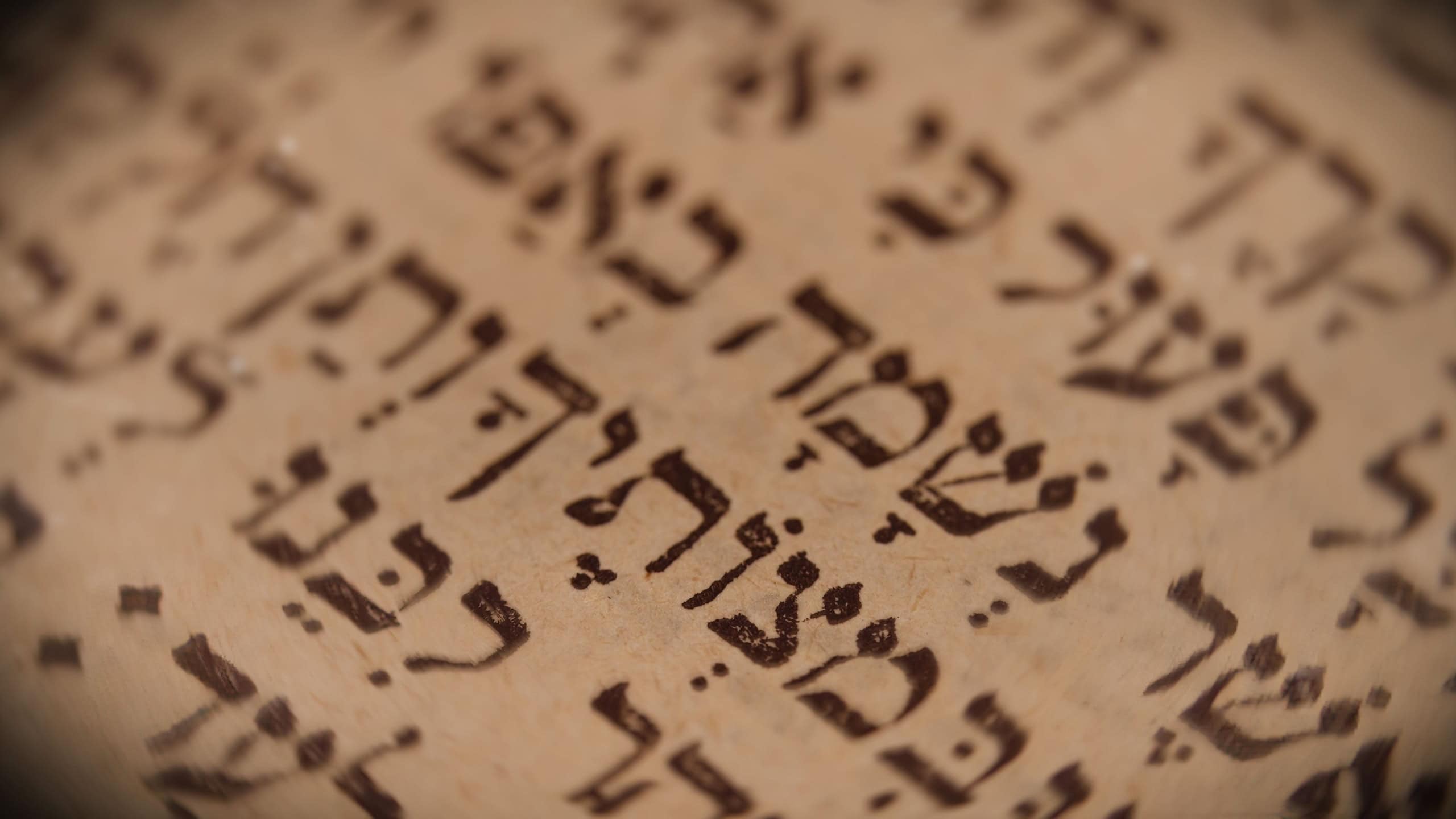
That’s not all for languages. It turns out that the Bible didn’t even begin in one language. The Hebrew Bible was, as you might’ve guessed, written mostly in Hebrew. It had a few Aramaic sections. But the New Testament was written in Greek.
The ‘original’ Bible is really a collection of different writings in different languages. The English one we have today is a translated version of Hebrew, Aramaic, and Greek.
The timing
You might think the Gospels were like live updates while Jesus was teaching. But no. Mark’s Gospel likely came around 65 to 73 CE. Matthew and Luke came later. In fact, John’s Gospel didn’t appear until the end of the first century.
Jesus died around 30 CE. What does that mean? Only that the Gospels were written many decades after Jesus died. They weren’t exactly breaking news or anything.
The glowing ring came later

Try picturing an image of an angel. It’s pretty likely that you’re going to imagine a floating person with wings and a glowing circle above their head. However, that’s not right. There’s no mention of angels having halos in the Bible.
That idea came from art history instead. It’s all because medieval artists used halos to show important or holy people. Christian art took it from them.
The setting had more going on
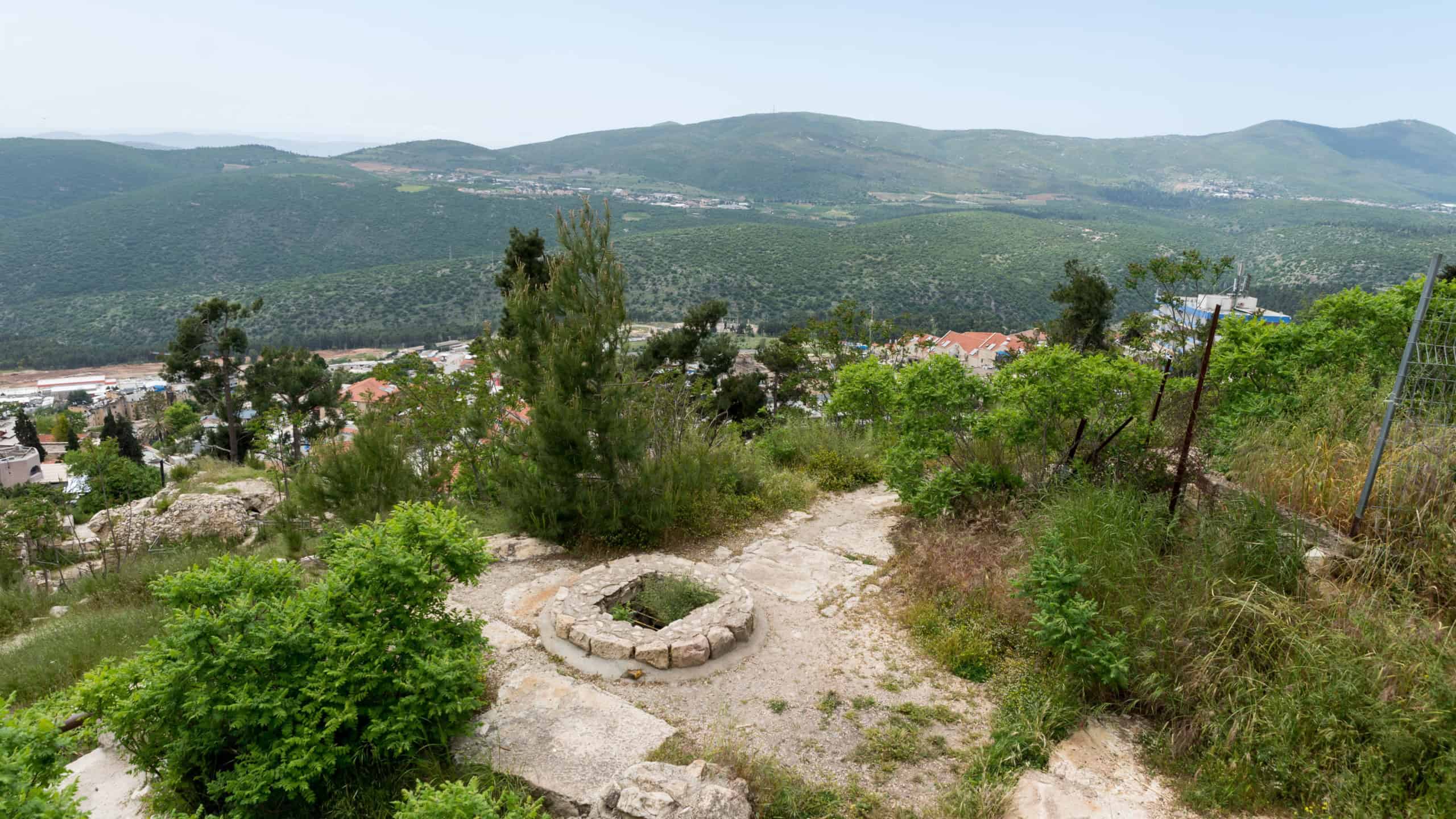
It’s easy to imagine Jesus’s world as being dusty villages and sheep, perhaps with some hillsides. Yes, Galilee did have that. But it also had towns and construction. There were roads and local governments that made the area a little more urbanized.
Sepphoris was near Nazareth. Herod Antipas built Tiberias along the Sea of Galilee. It wasn’t a modern city, obviously. However, the idea of it as being empty countryside doesn’t really hold up either. It was a lot more than that.
A source with a short name

People love talking about Bible sources. ‘Q’ is one of them. It’s a label that scholars use to talk about a missing source that might’ve existed behind Matthew and Luke. No, that doesn’t mean there’s a missing book with ‘Q’ on the cover. It actually comes from the German word Quelle.
It means ‘source.’ Apparently, Bible scholars think Matthew and Luke shared some sources of Jesus’s sayings, yet these never made it into Mark. Nobody has ever actually found Q. It’s more of an idea than something concrete right now.
The extra texts have ordinary labels
Honestly, the phrase ‘missing books’ is a lot more mysterious than it needs to be. Scholars already know about a lot of the missing Bible books. Yes, really. They talk about Apocrypha and Pseudepigrapha, along with the Deuterocanonical books.
They’re not as epic as you might think. A few Jewish and Christian communities used these books. In fact, Bible scholars have already found some traces of them in the Dead Sea Scrolls, like copies of Tobit and Ben Sira. So much for ‘missing.’
The family names are right there

You might be surprised at how open the Gospels are about Jesus’ family. The truth is, Mark 6:3 says he had brothers named James, Joses, Judas, and Simon. He also apparently had sisters. However, it’s not as clear-cut as you might think.
Different traditions have described these family members in different ways. They might be Jesus’s siblings or stepsiblings. They could even just be close loved ones. We’ll probably never really know the truth behind it.
The old label isn’t in the text
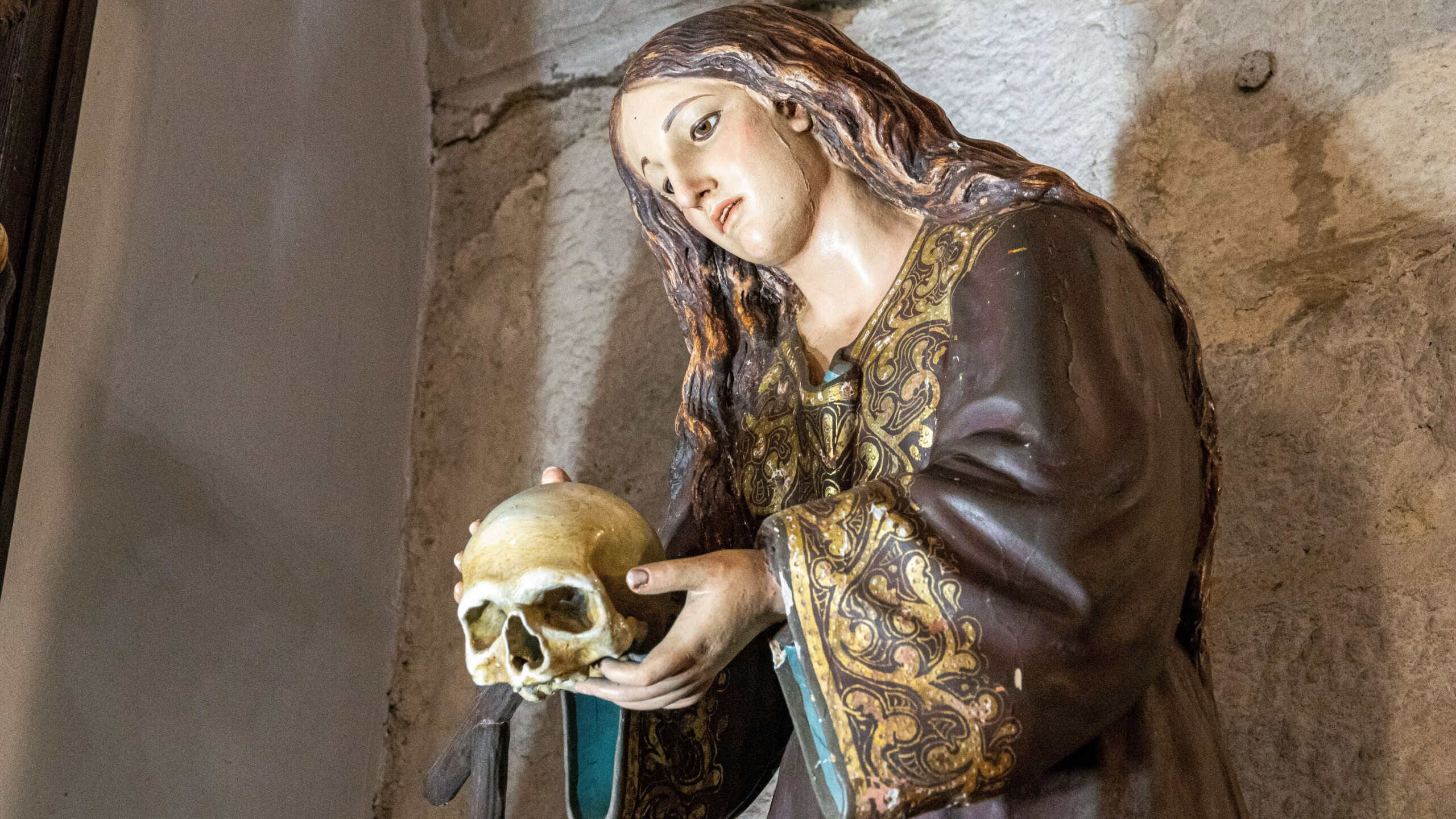
Poor Mary Magdalene. She’s probably one of the most misunderstood people in the entire Bible. In fact, it never actually calls her a prostitute. She was just one of Jesus’s followers, and seven demons came out of her. That’s all.
The idea of her being a prostitute came way later, thanks to Western church traditions. They mixed up a lot of different women in the Gospels. Mary Magdalene was one of them, and she was given the prostitute label.
The support crew had names
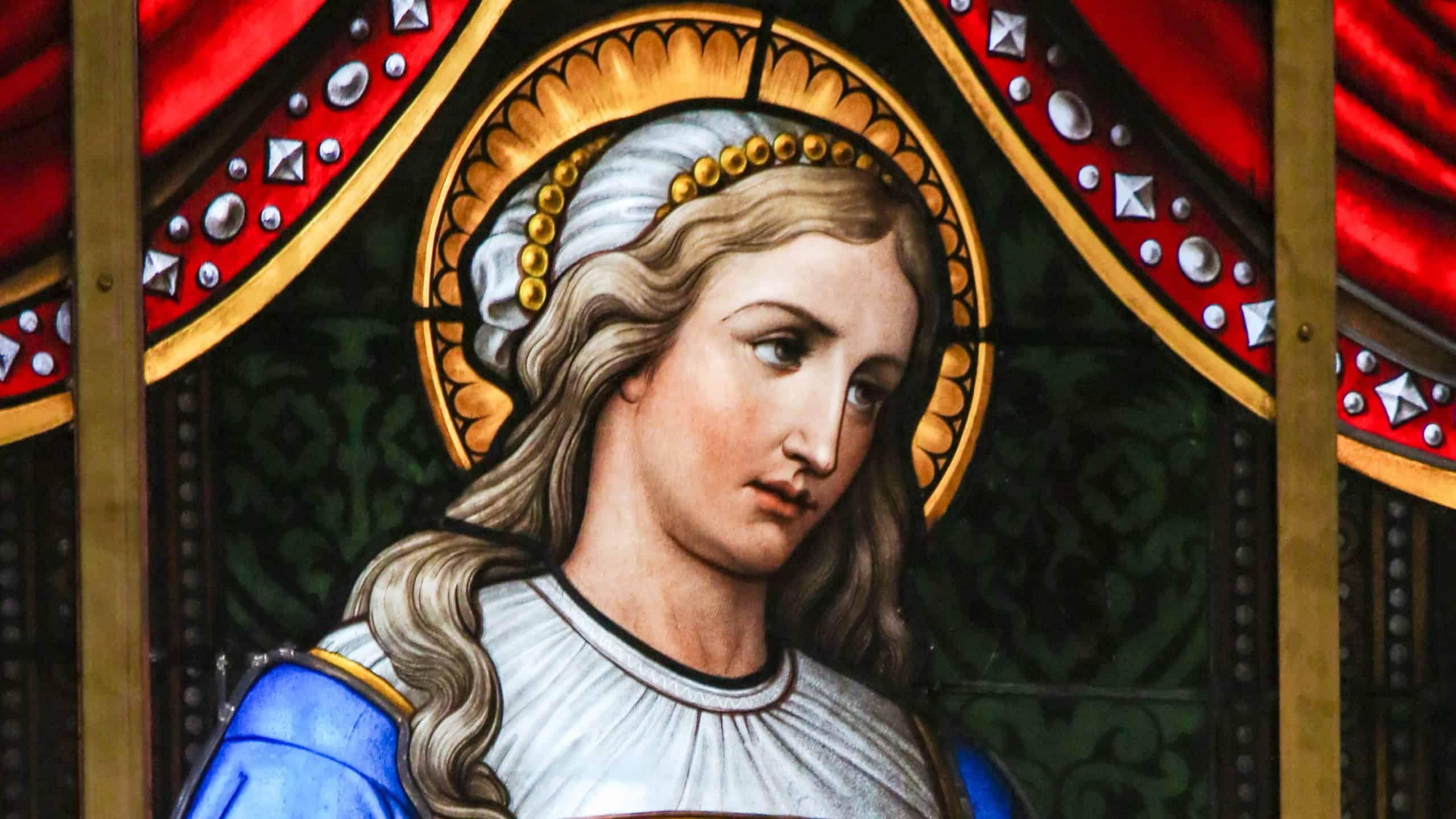
Perhaps it’s time we remember Mary Magdalene for something else. In Luke 8:1-3, she’s actually mentioned as one of the women who helped fund Jesus’s ministry. The list includes Joanna and Susanna. Who are they, exactly?
Joanna was Chuza’s wife, one of the managers in Herod’s house. The Bible says these women helped support Jesus and his disciples out of their own means. That includes financial support, apparently.
The ending has a manuscript issue

One of the most interesting parts comes with Mark’s ending. Bible scholars believe Mark originally ended at 16:8. The early manuscripts don’t contain 16:9-20. In other words, it ends with the women leaving the empty tomb silently, feeling afraid.
Jesus still resurrects in this version, yes. But he doesn’t actually appear, and the ending only mentions him coming back from death. We don’t actually know what happened when he came back.
The job wasn’t always what it sounds like

You hear ‘tax collector,’ and you probably think of someone from the IRS. That’s not how it was in Jesus’s world. Tax collectors were more like customs agents then because they collected tolls and customs fees.
They charged people for moving goods through trade routes. In Jesus’s time, the government farmed out customs and toll charges to the tax collectors. They didn’t do the same job they do today.
The number had a name behind it

666. It’s one of the scariest numbers around. But, as it turns out, the number in Revelation might have more to do with Nero Caesar than the devil. It’s because of gematria, a system where letters carry number values. What do you get when you put ‘Neron Caesar’ into Hebrew letters?
That’s right, you get 666. Some ancient manuscripts also have ‘616’ instead, and that fits a shorter spelling of ‘Nero Caesar.’ It doesn’t make the number any less creepy, though.
Sources: Please see here for a complete listing of all sources that were consulted in the preparation of this article.


