

When you didn’t live through a time, it’s easy to romanticize it. We thought we knew about the “good old days” until we sat down and talked with Boomers who did. There is more to the story than the seemingly innocent pictures in our mind’s eye of penny candy, handwritten notes, and quiet neighborhood streets. Behind all of these things are struggles that people just endured. So here are some of the “good old days” struggles that make the past more complicated than it looks.
Featured Image Credit: Shutterstock.
Risky childbirth

Before the modern safety nets we have today in hospitals, childbirth was much riskier for mothers. Hemorrhages, infections, and complications could and often did result in death. Antibiotics, blood transfusions, and emergency C-sections were not always readily available.
No voice or choice as a child

“Spare the rod and spoil the child” was more than an expression for older generations. It was a parenting style. Children had little autonomy or voice, and few resources to lean on emotionally. Spanking and other physical punishment were common.
Isolated rural life

It’s easy to romanticize living in the country, but being “far away from the city” before everyone had cars meant they might not see another soul outside of immediate relatives for weeks at a time. Fires, illness, and injuries were especially terrifying for families living alone on farms. It took all day to go to town, even if it was only a few miles away.
Untreated pain

In the past, going to the dentist was expensive and often out of reach for working-class families. So, people endured cavities and decaying teeth, chronic pain, and infections with no medicine or insurance to help them out.
Back-breaking housework
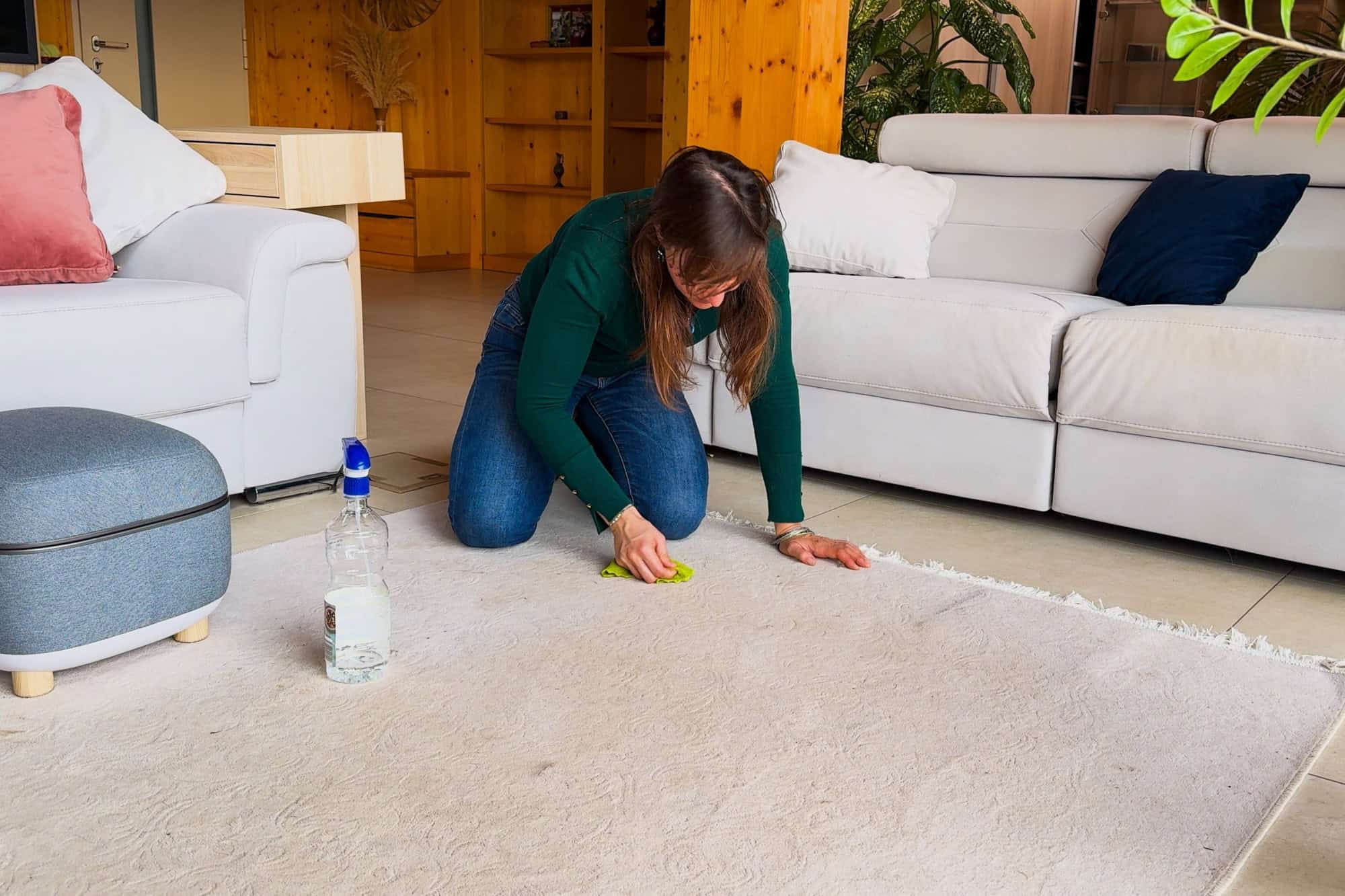
Before dishwashers, washing machines, and vacuums, keeping a home clean was a full-time job, literally. Laundry, for example, required collecting and carrying buckets of water, scrubbing clothing by hand, and hanging them to dry in any weather. It was hard, back-breaking work that took a long time.
Staying silent about mental health

Mental health problems like depression and anxiety received little discussion in earlier generations and remained largely untreated. Anyone who had emotional problems was considered “weak,” needed a “good shake,” or should just “toughen up.” As a result, many people lived their lives secretly miserable, self-medicating with alcohol or simply suffering in silence.
Unsafe working conditions

Safety regulations and equipment we take for granted now were not always present in factories, farms, or construction. Workers were often handling dangerous tools and machines with no training or protective gear. Injuries were frequent and sometimes severe.
Limited food variety and spoilage

The mass production of different foods and the availability of freezers and refrigerators were not always a thing. Many families’ diets consisted of the same foods day in and day out. Food poisoning from bad ingredients was much more common than it is today, and “picky eaters” could not afford to be choosy about food.
Financial secrecy and inaccessibility

In many families, the husband was the only one who had access to a bank account and made all of the financial decisions. It was not uncommon for women to have no idea of their family’s financial situation and no access to their own money. Divorced women often had no credit or savings established, leaving them extremely vulnerable.
Bias and discrimination were out in the open
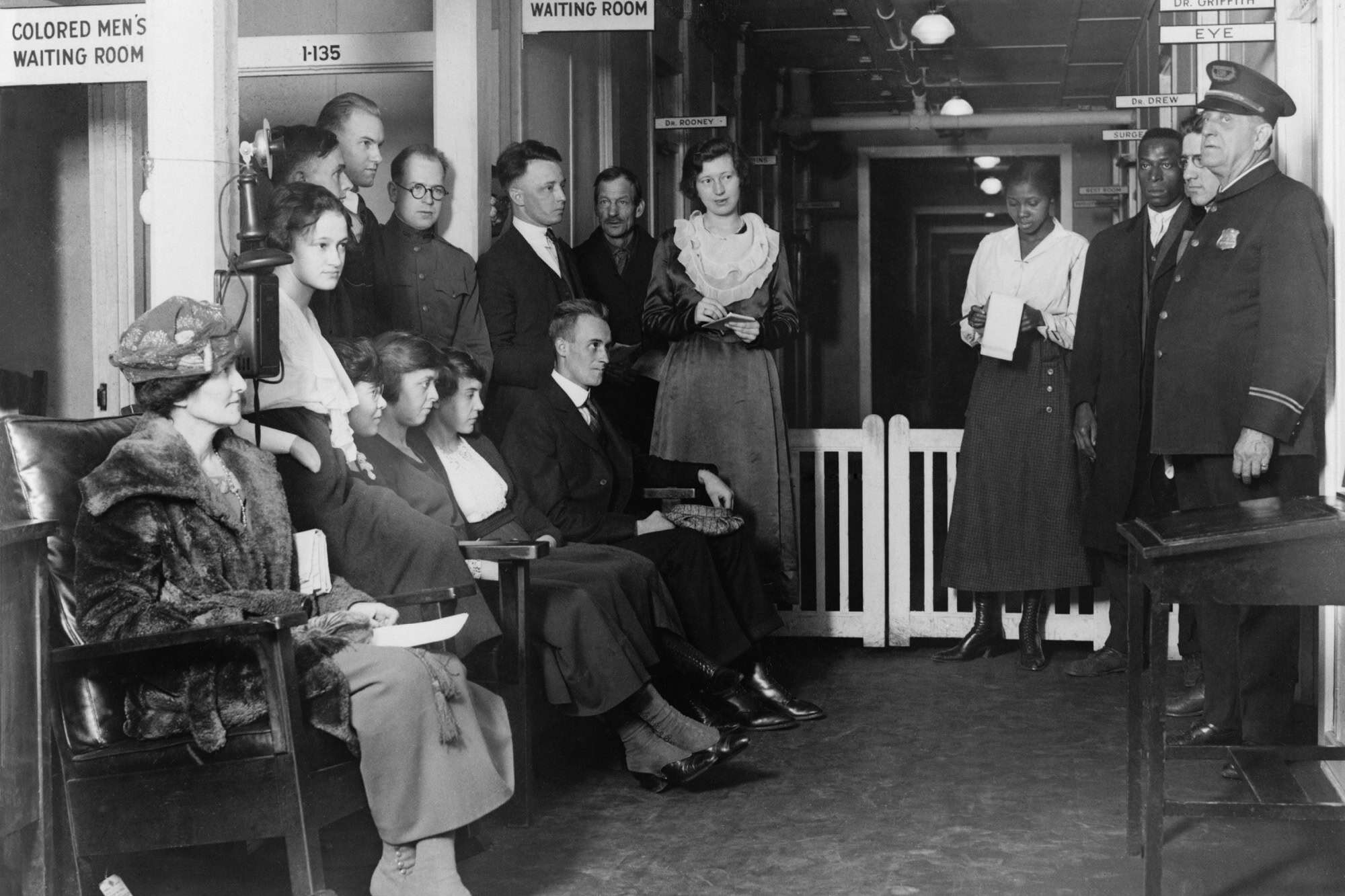
Although there is still discrimination today, previous decades were not so subtle about excluding people from equal opportunities. Advertisements for jobs, housing contracts, and school enrollment forms openly stated segregation or preference.
Weather was a constant hazard

Natural disasters and weather were a far more pressing threat to life and safety back then. Droughts could wipe out a farmer’s entire livelihood overnight, and a hurricane might come with only hours of warning. A tornado could devastate a family’s home without them even being aware of a storm in the first place.
Like our content? Be sure to follow us.


