

Retirement is the time when we move into a more leisurely & spiritual existence, but it can also present financial difficulties. In retrospect, most retired people now realize that there were some buying habits that kept them from experiencing this phase of life to its full potential. These regrets are frequently the result of under-estimating expenses, emotional choices, or simply not thinking long-term.
Let me share with you 11 common regrets retirees have about their spending habits & how you can learn from their experiences.
Featured Image Credit: IgorVetushko /Depositphotos.com.
Overspending on Housing

Most retirees look back & think they spent more of their retirement savings than expected on homes. The bigger the home, the more it needs to be maintained, paid for in property taxes & billed for utilities. The emotional attachment to family homes makes retirees less likely to downsize, which can lead to unnecessary financial strain. If you start planning & making housing needs assessments in advance of retirement, you will save thousands of dollars & enjoy more financial independence.
Not Saving for Healthcare Costs

Healthcare is the most significant expense in retirement, but a lot of retirees don’t make good preparations for it. Expensive medical bills, prescription medications & nursing homes can quickly sap savings. When this isn’t planned in advance, retired workers end up cutting corners elsewhere to finance these expenses. You can create a healthcare fund or purchase additional insurance that will reduce this stress & give you relief.
Like our content? Be sure to follow us.
Relying Too Much on Credit Cards

In their working years, some retirees developed habits of using credit cards freely, only to regret it later when faced with high interest rates & fixed incomes. Taking credit card balances into retirement leaves you with less flexibility for regular needs & leads to unnecessarily high debt. The earlier you pay down debt before you retire, the more confident and unworried you’ll be financially.
Spending Big on Travel Too Early

The thrill of retirement often involves spending lots of money on traveling in the early years & some retirees regret using up their funds too soon. Although travel is an enriching experience, it’s important to scale these adventures & have a realistic travel budget in order to leave extra money for the next few years.
Ignoring the Cost of Family Financial Support

Spending money on children, grandchildren, or other family members is generous & most retirees regret how much they gave away. Whether that’s college expenses, paying off loans, or rent – these are expenses that threaten their financial stability. Being disciplined and prioritizing their own needs makes sure that retirees don’t sacrifice their security for others.
Neglecting to Create a Budget

Without a plan, most retirees burn through their savings in the first few years, believing they will last more than they actually do. Before they realize what they have done, much of their money is already gone. Creating a balanced budget, one that considers regular living expenses, medical costs, and more – can help retired adults maximize savings & feel confident about the future.
Falling for Luxury Purchases

Cars, boats or expensive electronics are all too tempting in retirement, but often regrettable. A strategy involving logical, long-term financial decisions as opposed to blind buys can avoid this regret.
Overlooking Small Daily Expenses

The everyday expenses of going out for a meal, having coffee, or paying for a subscription may seem small, but in reality, it’s very expensive. Tracking these daily expenses & reducing consumption can go a long way in helping to secure retirement funds.
Not Diversifying Investments

Retirees even hate the thought of investing all their savings in one asset, such as real estate or stocks. Their money gets hit when the market turns around. Diversification (distributing money among stocks, bonds, real estate, etc.) provides security & shields from major losses.
Underestimating Inflation
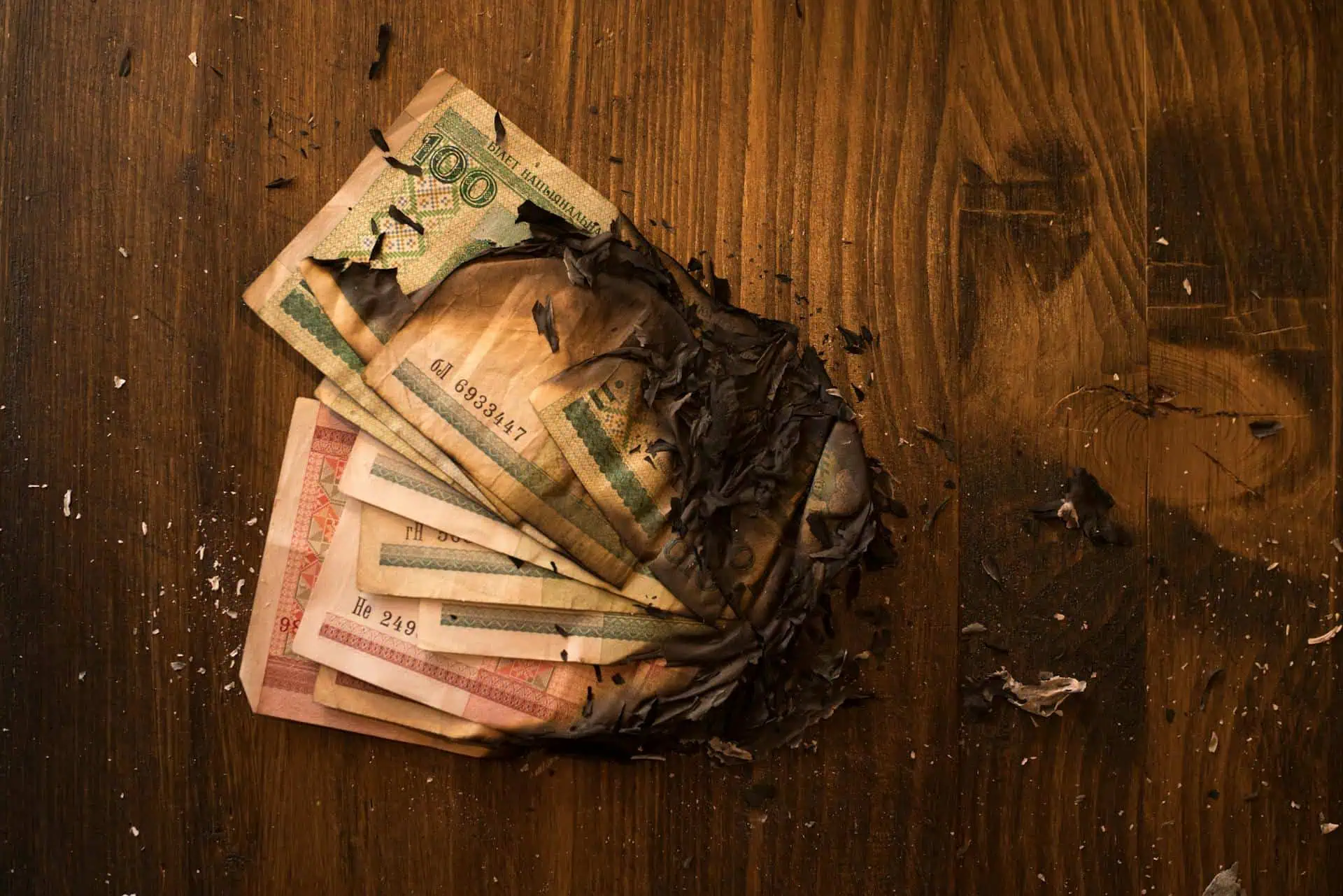
Rising living costs often surprise retirees – especially those on a fixed income. What initially felt like sufficient savings ends up being nothing as prices increase over time. People who plan for inflation in their retirement will be able to weather these storms & keep their money coming when they retire.
Spending Without Thinking About Longevity

Retirees often focus on enjoying the present, which is important, but spending too much in the early years can lead to financial struggles later on. Life expectancy is increasing & retirees are spending out of their savings. It’s important to keep a balance between quick-jet enjoyment & long-term investment so you don’t face financial challenges down the road.
Disclaimer: This list is solely the author’s opinion based on research and publicly available information.
Like our content? Be sure to follow us.
Read More:


