

Once you reach 18, you can vote, work full-time jobs, open banking accounts, and make important decisions that shape your future. But along with these new opportunities are a lot of financial pitfalls that can silently sabotage your progress. The challenge is that most of them aren’t obvious.
We combed through several trustworthy sources to identify some of the blunders that young adults often make without even realizing it. Here are twelve financial mistakes to avoid at 18.
Featured Image Credit: Shutterstock.
Ignoring hidden banking fees

Many young people sign up with whatever bank their parents have accounts with, only to find that they’re draining their account with overdraft fees, ATM charges, and minimum balance penalties. Those “little” fees can add up to hundreds of dollars over the course of a year, money that could instead be saved or invested.
Never checking your credit report
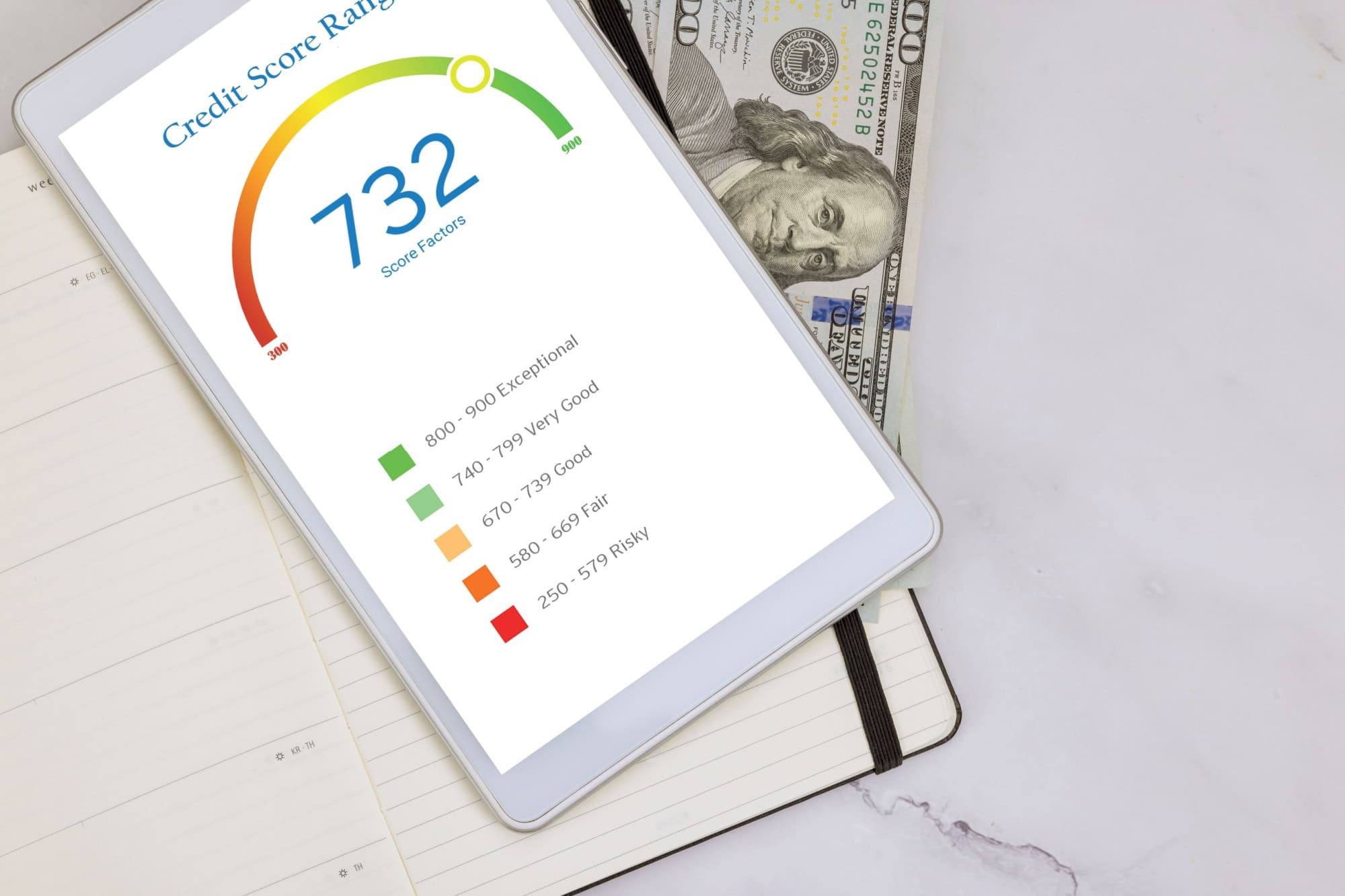
Your credit score will affect nearly every aspect of your adult life, from renting an apartment to getting hired at certain jobs. Report errors are more common than you think, and if you don’t catch them in time, it may take months to get them removed from your record.
Letting friends influence your spending

It can be tempting when you’re young to go along with peers who have more disposable income or who come from wealthy families. Paying for expensive meals, concert tickets, and vacations that you can’t really afford often means losing out on the real opportunities that you will face later on, like being able to move out of your parents’ home.
Saying yes to every “student discount” credit card

That free T-shirt or water bottle may seem cool, but if it means agreeing to a credit card that ruins your credit for years, it’s not worth it. The interest rates on many student cards are exorbitant and one missed payment could show up on your credit report for years, hindering your ability to rent an apartment or finance a car purchase.
Splurging on a dream car too early

A flashy first car may seem like a rite of passage, but financing a car that you can’t easily afford will tie up your cash flow. And just to make matters worse, your vehicle will depreciate by the minute, robbing you of thousands of dollars before you finish paying off the loan.
Treating refunds and bonuses like free money

Tax refunds, birthday money, or extra paychecks shouldn’t be viewed as “fun money.” These windfalls are a great way to start an emergency fund or pay off small debts before interest accrues and snowballs. Spending that money on a night out or a shopping spree feels good in the moment, but does nothing to improve your financial situation.
Skipping health or travel insurance

It’s easy to feel invincible at eighteen, but that unassuming illness or minor accident during your overseas adventure can leave you with staggering bills. A small monthly insurance premium is worth it to avoid years of financial pain.
Falling for subscription traps

Free trials for music apps, streaming services, and fitness programs can quickly become automatic monthly payments. Forget to cancel those subscriptions, and you may find yourself paying for services you don’t even use. The problem is that those small fees add up quickly and can devour your budget.
Borrowing for non-essentials

Student loans make sense if you’re financing tuition, but they’re a poor choice for spring break, electronics, or that trendy wardrobe. Borrowing for non-essentials creates debt that will hang over your head long after the novelty has worn off.
Ignoring tax basics

Even a part-time job will require tax filing. Avoiding deadlines and filling out forms incorrectly can lead to fines and lost refunds. Learning the basics now will save you stress later on, and give you the skills necessary to keep more of your hard-earned money.
Believing “side hustles” don’t need records

Maybe you’re selling art online or driving for a food delivery service. Regardless of how informal these jobs might seem, that money is taxable. Forgetting to keep receipts and records may result in a nasty tax bill, or missing out on legitimate deductions that would have saved you money.
Assuming you have “plenty of time” to save

Retirement seems a long way off when you’re 18. But starting even a small investment account now will have a massive impact on your future. Compound interest is most powerful when it has time to work. Every year you delay means lost savings.
Sources: Please see here for a complete listing of all sources that were consulted in the preparation of this article.
Like our content? Be sure to follow us.
