

Let’s be real—American tourists have a bit of a reputation when traveling abroad. Sometimes we’re seen as fun, friendly, and adventurous, but other times… not so much. Whether it’s speaking too loudly, expecting everything to be like it is back home, or overpacking like we’re moving in, certain habits make Americans stand out in ways that can annoy the locals. Of course, not all American travelers do these things, but if you want to blend in and have a smoother, more enjoyable trip, it helps to be aware. Here are 10 common habits that can rub people the wrong way—and how to avoid them.
Featured Image Credit: VitalikRadko /Depositphotos.com.
Expecting Everyone to Speak English

Although English is commonly spoken in tourist locations it becomes presumptuous to expect native speakers of other languages to understand it and even more so to display irritation when they do not. Learning fundamental local phrases such as “hello,” “thank you,” and “excuse me” is always appreciated by locals even if your pronunciation isn’t perfect.
Speaking Loudly

Let’s be real—Americans can be loud. Whether it’s excitement, enthusiasm, or just a naturally higher speaking volume, it can become noticeable in countries where people generally speak at lower volumes (such as Japan and France). A group of tourists having loud conversations in a silent café or train? Yeah, that’s a dead giveaway. You don’t need to whisper all the time but controlling the volume of your voice in public spaces can help you avoid unwanted attention.
Tipping Too Much or Too Little

American tipping culture requires you to leave 20% at most places since it’s the expected standard. The rules for tipping vary greatly between different countries. The Japanese culture sees tipping as both unnecessary and at times an offensive gesture. In European countries, customers usually find service charges included on their bills. On the flip side, under-tipping in places where it’s expected can be seen as rude. A quick Google search before you travel can save a lot of awkwardness.
Dressing Like They’re at Home

Let’s talk about the classic American tourist look: oversized t-shirts, cargo shorts, baseball caps, and sneakers. Sightseeing in comfy clothes works great but some countries prefer more formal attire – even for everyday tasks. Americans become conspicuous when they wear workout clothes outside of the gym or choose flip-flops as footwear for upscale dining venues.
Comparing Everything to the U.S.

Have you ever heard travelers say things like “We don’t do things this way at home” or “Things are cheaper/better in the U.S.” while exploring new places? Locals find it irritating when people continually compare their country to the U.S. The whole point of traveling is to experience how different cultures approach life differently. Rather than criticizing differences negatively, it’s better to approach them with curiosity and an open mindset.
Being Impatient

The pace of life tends to be slower than in the U.S. in many places – especially during mealtimes. In the United States, customers expect rapid service while European and Latin American countries focus on taking time to enjoy meals. The staff won’t bring your bill until you request it and using hand gestures or snapping fingers to get their attention is seen as impolite. The best approach? Take it easy and embrace the experience while letting things happen naturally.
Overpacking and Bringing Giant Suitcases
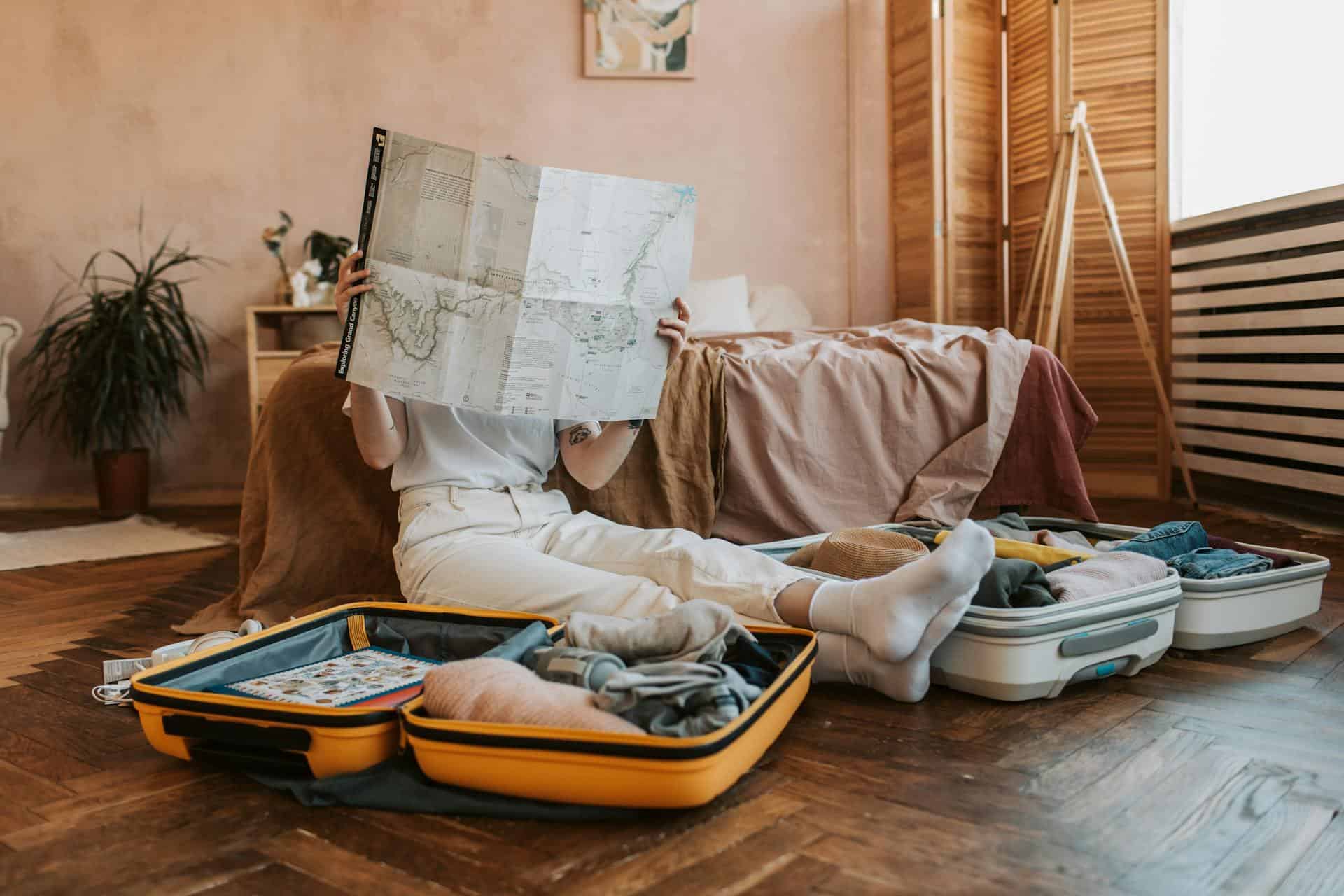
Walking through Rome’s tight alleyways with a massive suitcase or trying to squeeze a huge bag onto a packed train? Classic American move. Many international travelers prefer to bring backpacks or carry-ons to avoid the challenges that oversized luggage presents in places with small cars, narrow streets, and compact hotel rooms. When you travel with less baggage, you reduce stress and gain more flexibility.
Ignoring Local Customs and Traditions

Travel exposes us to cultural differences – behaviors acceptable in America may be disrespectful in other countries. Wearing shoes inside someone’s home in Japan? Big no-no. Taking selfies in a sacred place? Not cool in many cultures. Casual physical contact such as patting someone on the back? Might make locals uncomfortable. Conducting a bit of research before traveling to a new destination shows respect for local customs.
Assuming Everything Is Open 24/7

Americans have grown accustomed to convenience – stores that remain open late into the night, restaurants that operate round the clock, and businesses open on seven days weekly. In many countries, stores close for midday siestas, businesses shut down early, and Sundays remain true days of rest. When Americans show up angry because a place is closed or demand immediate service, they appear entitled. The key? Plan ahead by checking local business hours and adjust to the relaxed pace.
Being Overly Friendly with Strangers

Americans tend to be super friendly, chatting with strangers in line, smiling at passersby, or even striking up deep conversations with waiters. While this is normal in the U.S., in some countries, it can feel intrusive or overly familiar. In places like Germany or Scandinavia, people are more reserved, and excessive small talk with strangers can come off as weird. A good rule of thumb? Read the room—if people seem open to conversation, go for it. If they seem more private, respect their space.
Disclaimer: This list is solely the author’s opinion based on research and publicly available information.
Like our content? Be sure to follow us on MSN.