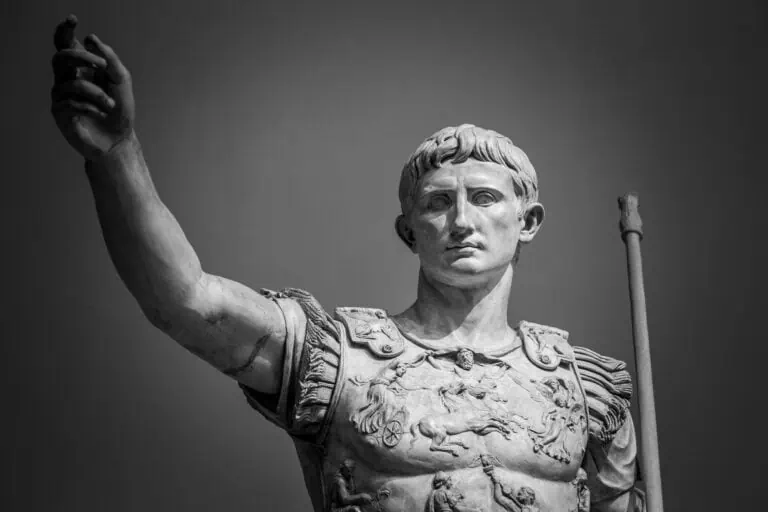

Let’s take a trip back in time to Ancient Rome—but not to talk about gladiators or the Colosseum. Instead, we’re looking at Roman leadership tactics. These people were around way before the invention of technology yet they had rather smart ideas about leading effectively. These strategies helped them run an empire that stretched from Egypt’s sandy deserts to Britain’s misty lands! Even now, their tactics are still relevant. Here are twelve ancient Roman leadership tactics that you can apply today.
Featured Image Credit: gilmanshin /Depositphotos.com.
Delegation of Authority

Rome wasn’t built in a day and certainly not by one person. The leaders of Ancient Rome were smart enough to know they couldn’t do everything themselves so they delegated tasks to people below them. As such, projects moved forward without waiting for one person to make all the decisions. Delegating in this way is still very useful.
Merit-Based Promotion

The Romans believed in climbing the ladder based on what you could do—not who your daddy was. Soldiers & officials got promotions because of their achievements. It was an approach that kept everyone on their toes, striving to be their best, which we could certainly learn from. Getting ahead in the workplace should only involve how well you do your job.
Like our content? Be sure to follow us.
Strategic Infrastructure Investment

Ancient engineers were onto something as they built roads, aqueducts & buildings that stood the test of time. Better yet, they also made life easier and the empire stronger. Investing in the right tools and training can do wonders for any modern organization because it’d make our work easier. It’d also set up the team for long-term success.
Regular Training and Drills

Roman soldiers were always training to make sure they were ready for whatever came their way. They had a dedication to constant improvement. As a result, they were always prepared for battle at a moment’s notice. In the same vein, keeping your skills sharp by continuously learning would keep you & your team ahead of the curve.
Adaptability and Innovation

When the Romans faced something new or interesting, they didn’t shy away. Instead, they adapted it to fit their needs. They had an openness to change that helped them succeed and being ready to pivot when necessary is just as important today. It doesn’t matter if you’re running a startup or managing a team in a large corporation—you need to adapt.
Effective Communication

Even without cell phones, the Romans kept their huge empire connected and running efficiently. And it was all thanks to efficient communication! Clear & direct communication is still a key aspect of good leadership because it makes sure that everyone knows what’s going on. Every team member needs to know what’s expected of them for them to succeed.
Building Alliances

Ancient Roman leaders had a talent for making friends and influencing people. They formed alliances to expand their territory & maintain peace, which they achieved through building strong relationships. Even today, networking is useful. It gives you priceless support and opportunities, no matter your field. You need to build alliances that last.
Setting Clear Goals and Expectations

The Romans were clear about what they wanted to achieve and what they expected from their citizens & soldiers. This clarity helped everyone stay focused so they could work towards common goals. That’s what we need to do today! Setting clear, achievable objectives will keep keeping any modern team on track. Plus, it makes achieving your goals far easier.
Encouraging Civic Pride

Romans took pride in their city & their contribution to its glory because they had a sense of belonging. Such pride boosted morale and loyalty to their team. These days, we should try to create a positive culture where everyone’s contributions are recognized & valued. Why? Because it makes your team want to succeed. When people feel proud, they’re more likely to go the extra mile and stay committed. That kind of positivity is infectious.
Prudent Financial Management

For Rome to succeed, the leaders had to manage the empire’s coffers wisely. Similarly, good financial management is important for any organization today because it makes sure you’re using resources efficiently. You want to meet your goals without breaking the bank! As such, good leaders need to plan ahead and make smart spending decisions to keep the project on the path to success.
Emphasis on Law and Order

The Romans had a rather comprehensive legal system that focused on the importance of law & order. Sound familiar? Having clear rules is just as important in today’s workplaces because it maintains a sense of trust. Without them, things can quickly descend into chaos. Clear guidelines make things fair and more secure for everyone.
Cultivating Personal Virtue

Roman citizens expected their leaders to show virtues like courage & discipline. The leaders that had these qualities inspired respect and loyalty among their subjects. Of course, these traits never go out of fashion and leaders who embody these virtues earn respect. They also inspire their teams to bring their A-game every day.
Disclaimer: This list is solely the author’s opinion based on research and publicly available information.
Like our content? Be sure to follow us.
Read More:


