Visiting the United States comes with lots of surprises—and hitting the road is no exception, thanks to all those huge highways & the sheer amount of large vehicles. We also have some unique traffic rules that are quite a shock for newcomers, making many tourists feel a little uneasy! Here are eleven driving practices in the U.S. that unsettle visitors from other countries. They might be normal things for us but tourists are shocked when they see them.
Featured Image Credit: IgorVetushko /Depositphotos.com.
Understanding Four-Way Stops
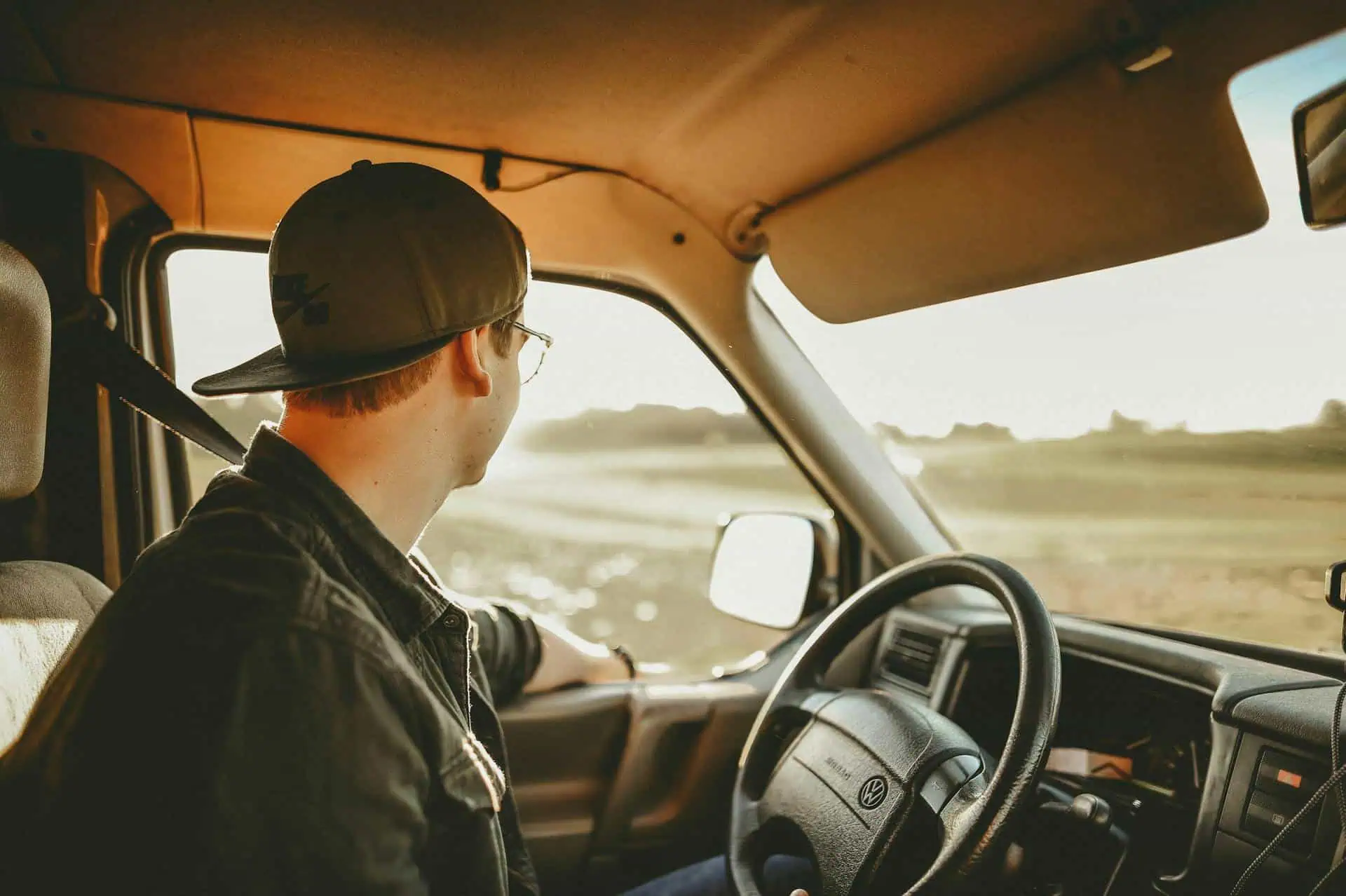
Many intersections have stop signs on all sides and drivers take turns proceeding based on who arrived first. Such a system relies on everyone paying attention & knowing the order of arrival, which means that tourists unfamiliar with this setup find it rather difficult to understand. They don’t know when it’s their turn to go, and this creates awkward pauses or accidental delays.
Passing on Both Sides on Highways

American drivers often pass slower vehicles on either the left or the right of multi-lane highways—that’s quite different for visitors from countries where overtaking is only allowed on one side. They get quite scared by such a habit because the unpredictability of cars passing from any lane requires extra care. It makes highway driving more stressful for tourists since they have to watch out for both sides.
The Prevalence of Huge Trucks and SUVs

American roads have plenty of large pickup trucks & SUVs because we’re a nation that believes bigger is better—but tourists used to smaller cars are surprised by this. Sharing the road with these massive vehicles is intimidating as the size difference makes merging & changing lanes feel risky. Then there are the parking lots filled with big trucks, which is rather overwhelming if you’ve not dealt with cars of that size before.
High-Speed Limits in Some States

Certain states have highway speed limits that may reach 75 miles per hour and tourists used to lower speed limits might feel uncomfortable driving at such high speeds. Keeping up with fast-moving traffic is rather daunting—especially when you have so many large vehicles to compete with, too. It’s all a bit too much for anyone who’s not used to traveling so fast.
Unfamiliar Traffic Signs and Signals

Traffic signs in the U.S. often use different symbols & colors than those in other countries—for example, yellow lines separate lanes of opposing traffic, while white lines separate lanes moving in the same direction. Many tourists are confused by these differences and this makes them rather uncertain about how to use lanes properly. On the plus side, at least our road signs tend to be written out instead of relying on symbols!
Few Roundabouts and Many Stoplights
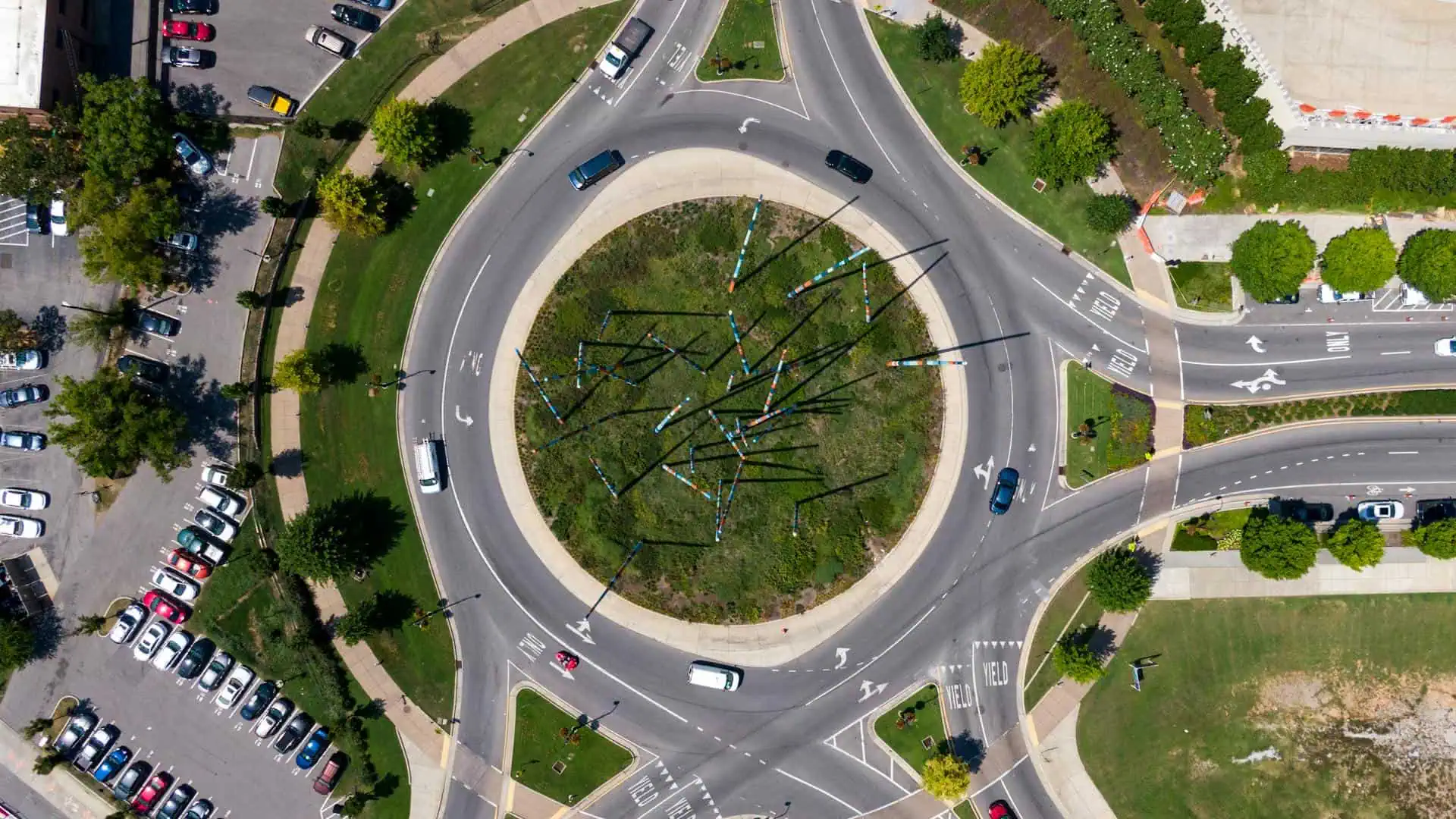
Roundabouts are common in many countries yet they’re less prevalent in the U.S. because we have intersections that use stoplights or stop signs instead. Tourists expecting the continuous flow of roundabouts are often shocked by the frequent stopping & starting drivers go through at intersections. In fact, some of them see it as rather inefficient since they have to keep changing their driving habits to fit.
Complex Multi-Lane Interchanges

American highways usually have large interchanges with multiple lanes, exits & overpasses that are quite shocking to many visitors—getting into the correct lane for an exit is a challenge. It’s even worse when they’re unfamiliar with the signage or if it appears with little warning. Eventually, they’ll miss their exits and have to deal with lengthy detours that add more stress to the journey.
High Occupancy Vehicle (HOV) Lanes

Some highways have designated High Occupancy Vehicle (HOV) lanes reserved for vehicles with multiple passengers during certain hours, although that’s not as common in many other countries. As such, lots of tourists might accidentally use these lanes when they shouldn’t, which leads to fines or even traffic disruptions. You have to know when & how to use HOV lanes to avoid any serious penalties.
Toll Roads and Electronic Payments

Many American toll roads now use electronic payment systems like E-ZPass that eliminate the need for cash options—tourists might drive through toll points without realizing they need a transponder device. They then have to deal with unexpected bills or violations later on that really don’t seem worth it. Any visitors should take this as a warning to check out their journey before they set off.
Making Left Turns Across Traffic

Making a left turn in America involves crossing oncoming traffic unless there’s a dedicated turn signal or lane but for tourists, judging the gaps in traffic to make the turn is quite stressful. It’s even worse on busy roads because the pressure from drivers behind adds to the anxiety of finding the right moment to turn safely. It’s no wonder that so many tourists find driving in America so difficult.
‘Rolling Stops’ at Stop Signs

Lots of American drivers perform what’s known as a “rolling stop” where they slow down but don’t fully stop at a stop sign if the way appears clear—it’s a habit that catches tourists off guard. They usually expect drivers to come to a complete stop, rather than slowing down, which creates risky situations at intersections. People unfamiliar with this behavior are shocked by it.
Disclaimer: This list is solely the author’s opinion based on research and publicly available information.
Like our content? Be sure to follow us on MSN.