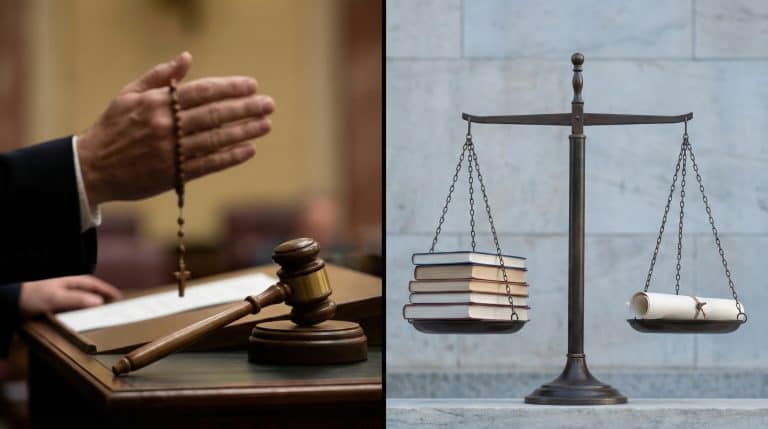

Religion and politics often mix in ways that affect us all; sometimes more than we realize. When faith influences government decisions, it changes laws and policies that have an impact on our daily lives, for better or worse.
Here are nine ways religion influences politics and why some people believe it shouldn’t. We’re not saying that we agree with any of these views but they’re interesting nonetheless.
Featured Image Credit: Ash & Pri.
Religious Lobbying Groups Shaping Laws
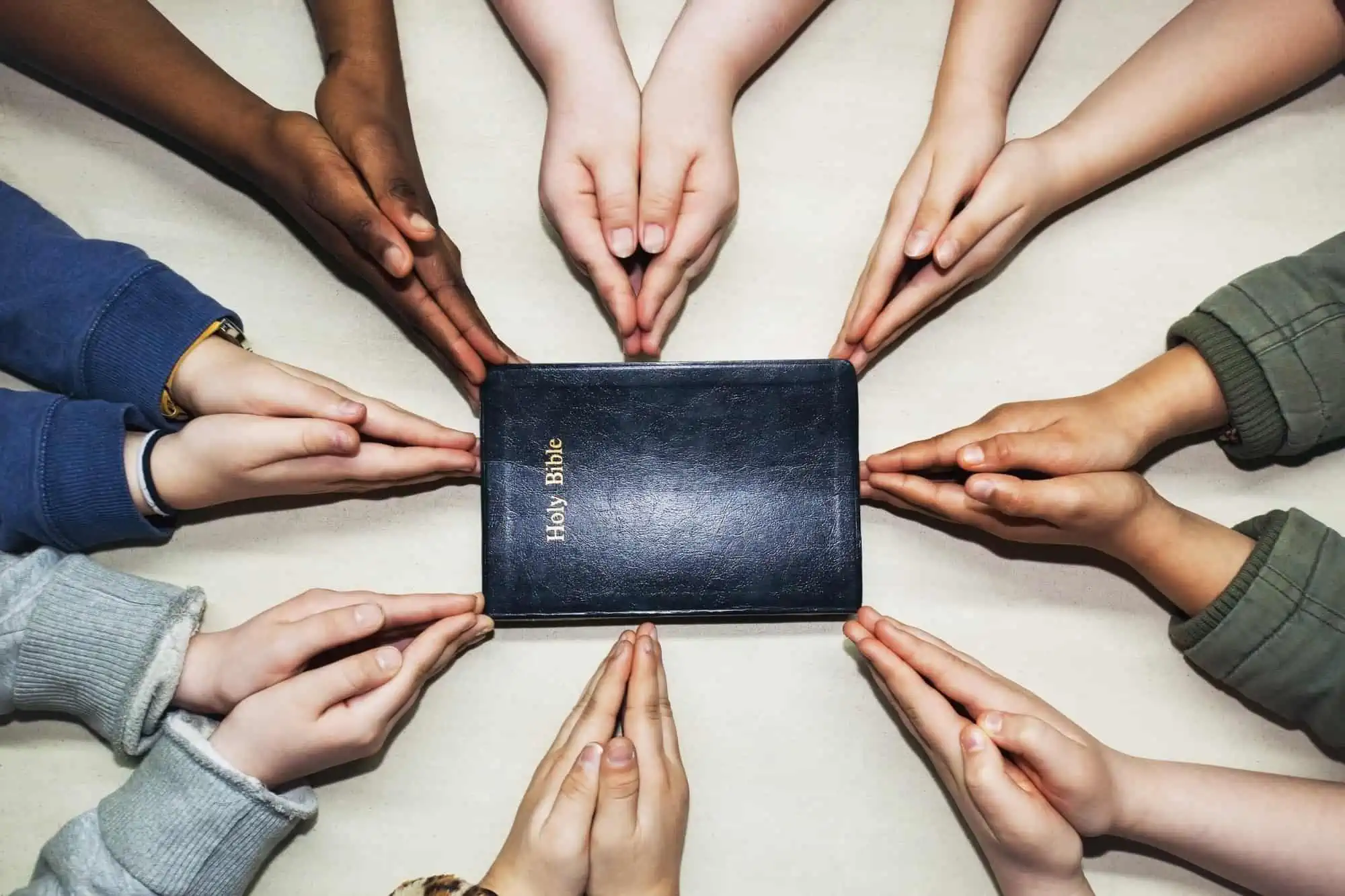
Religious lobbying groups like the Family Research Council put a lot of effort into influencing laws to fit their beliefs. They meet with lawmakers to propose policy ideas & mobilize supporters to make their voices heard.
Their actions sometimes turn personal religious views into laws. It doesn’t matter if you don’t share the same beliefs.
Faith-Based Exemptions in Policies

Laws such as the Religious Freedom Restoration Act allow individuals & businesses to opt out of following specific regulations if they go against their religious beliefs.
For example, some companies refuse to provide contraception coverage in their employee health plans because it doesn’t align with their faith. This creates situations where policies aren’t applied equally.
Employers or service providers are legally allowed to provide unequal treatment.
Policy Decisions Informed by Religious Beliefs
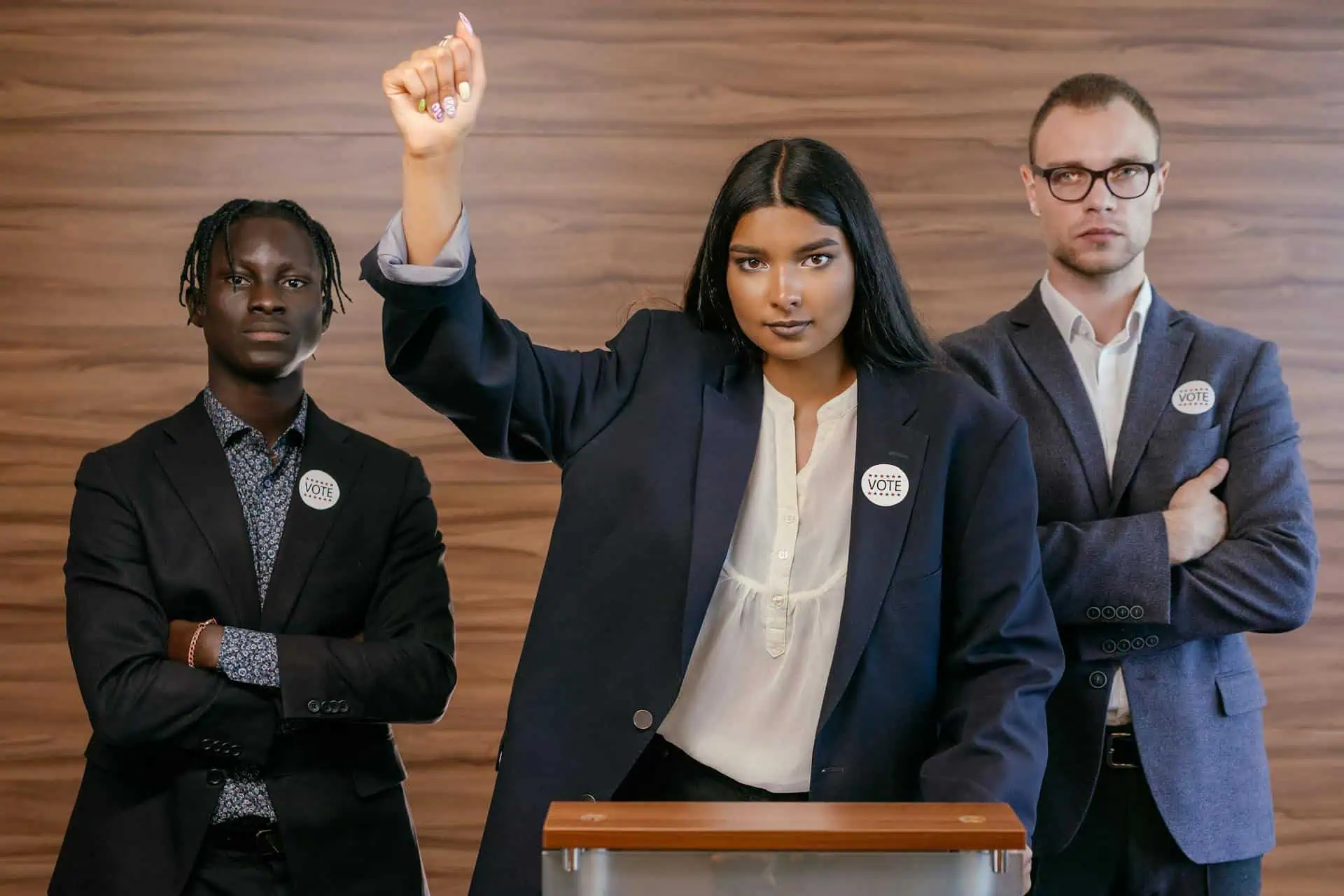
Likewise, politicians sometimes let their own religious beliefs guide the policies they support. Lawmakers may oppose funding for certain medical procedures or social programs just because they conflict with their faith.
Unfortunately, it skews the legal system. It now reflects specific religious morals that affect all citizens including those who don’t share the same beliefs.
Importance of Religion in Political Campaigns

Many political candidates will stress their religious beliefs to connect with voters.
For example, they might attend religious events or talk about how faith guides their values.
Either way, voters think about a candidate’s religion when deciding whom to support. It gives an unfair advantage to those who share the majority’s faith which overshadows other important qualifications.
Tax Exemptions for Religious Entities

Religious organizations often have tax-exempt status meaning they don’t have to pay property taxes or income taxes like other groups do.
In doing so, they can allocate more resources for running community programs or maintaining places of worship. But some say that’s not fair.
The government gets less tax revenue which it could’ve used for public services like schools or roads. Is it right to allow them to avoid the tax burden others pay?
Foreign Policy Influenced by Religious Relationships

Religion also changes a country’s foreign policy as leaders may form alliances with nations that share their religious beliefs & oppose those with different faiths.
As such, religion changes international relations. It creates biased policies that don’t necessarily serve national interests—rather, they simply support a certain belief system.
Religious Influence on Immigration Policies

Similarly, politicians may allow their religion to change immigration laws and might support accepting more refugees who share the majority religion. At the same time, they’ll put stricter rules on those from other faiths.
We’ve already seen this happen the world over. It’s a bias in immigration policy that goes against the idea of offering equal opportunities to all.
Impact on Civil Rights Legislation
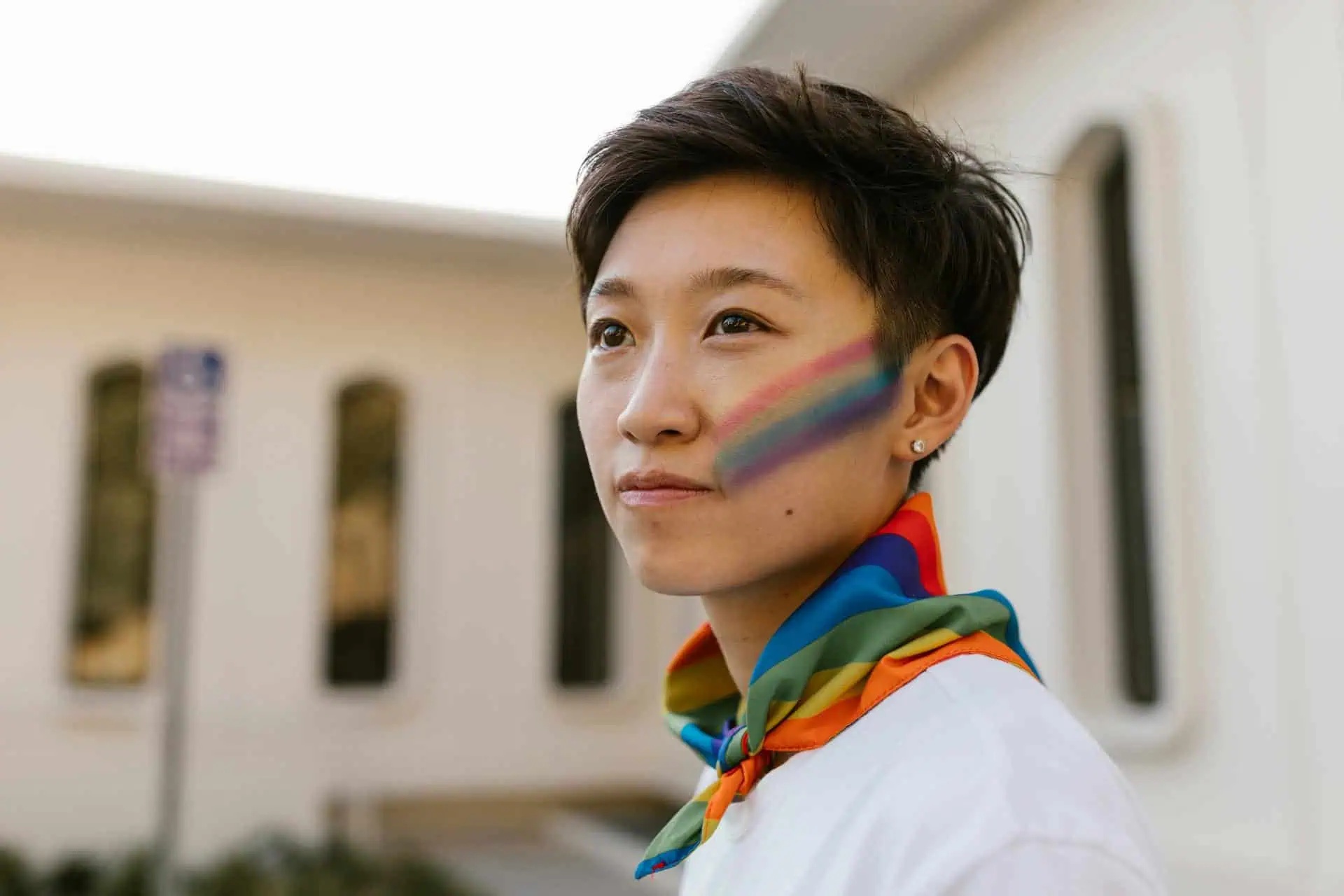
Many politicians oppose same-sex marriage because their faith doesn’t support it. As a result, they’ll introduce or support legislation that limits these rights.
These laws affect LGBTQ+ individuals’ ability to marry & adopt children and infringe on their freedoms. That doesn’t exactly support the idea of equality.
Religion Affecting Military Policies and Decisions

You might not realize it but religion also affects militaries worldwide & their strategies. Sometimes, leaders justify military interventions by using religious reasons or seeing conflict as a struggle between faiths.
Eventually, it may create unnecessary conflicts or escalate existing ones. People make decisions based on faith rather than strategic considerations; or diplomacy that leads to peaceful solutions.
12 end time Bible prophecies that confuse many people

Biblical prophecy is less like a predictable map and more like a complex landscape of symbols and surprises. We’re often taught to look for a single battle or a specific date, but the text gives us something far more unsettling: eerie cosmic pauses and resurrections that don’t line up.


