

House cleaning used to be a dangerous business before Occupational Safety and Health Administration regulations and plain-language warning labels were created.
In previous generations, our grandparents relied on urban legends, newspaper columns and whatever products they could find under the sink to keep their homes clean. For them, a clean house meant embracing a lot of risky experimentation.
Here are 9 ways grandparents cleaned their homes that seem dangerous today.
Washing painted walls with trisodium phosphate (TSP)

One cleaning solution you’ve probably heard of if you’ve ever prepared walls in an older home to paint is TSP. TSP, in its powdered form, was the ultimate champion against kitchen grime and decades of lingering smoke.
Recommended by every DIY show handyman at the time (before we all realized how painfully it irritated skin and eyes), TSP was a staple solution to have. Eventually, we found out it wasn’t great for the environment, which led to restrictions in many places.
Using turpentine to remove sticky residue or polish floors

Turpentine smells exactly like what you would imagine: like pine, very strong and harsh. My grandparents used it as a regular floor cleaner. They would spend hours cleaning floors with it back in the day.
It is somewhat frightening to think how casually this stuff was used back then, but I guess it was the era of just getting the job done rather than worrying about those dreaded long term harm warnings of today.
Whitening linens with bluing agents handled by hand
Prior to chemical detergents, keeping white laundry bright required the addition of something called laundry bluing. Taking advantage of color theory, small amounts of deep indigo-colored iron compounds were stirred into the rinse water using one’s bare hands.
Provided the mess didn’t get everywhere, the dye’s effect created a visual trick, making whites appear cleaner and brighter than they really were. Laundry bluing didn’t really clean, but it was the go-to for making whites pop until modern whiteners simplified things.
Cleaning silver with homemade aluminum foil and chemical dips
You’ve likely seen the magic trick of putting handfuls of foil and baking soda in a pan of boiling water to clean silver. Watching the tarnish disappear is mesmerizing, but all that effort results in your kitchen smelling like tons of rotten eggs.
And if you’ve ever accidentally spilled the bubbling soda-water on yourself, you know it also causes burns.
Dusting with kerosene-dampened cloths

When kerosene was still something normal people stored in their shed, somebody got the idea to recommend it for dusting. It was a marvel at eliminating static and making the wood gleam, but the furniture was essentially coated in a fire starter.
The awful smell alone, plus the risk of your house going up in flames from a single match, makes this a relic of the past we should leave there.
Scrubbing floors with sand or abrasive powders

Sweeping your living room floor with a bucket of sand might sound like a bizarre prison sentence. But, that was once an actual deep clean hack.
You essentially scraped the dirt away with brute force using sand. It destroyed wooden floors and smelled up your whole home. I’m sure our lungs thanked us when we replaced that hack with soap and a mop.
Air-freshening with simmering vinegar or ammonia pots
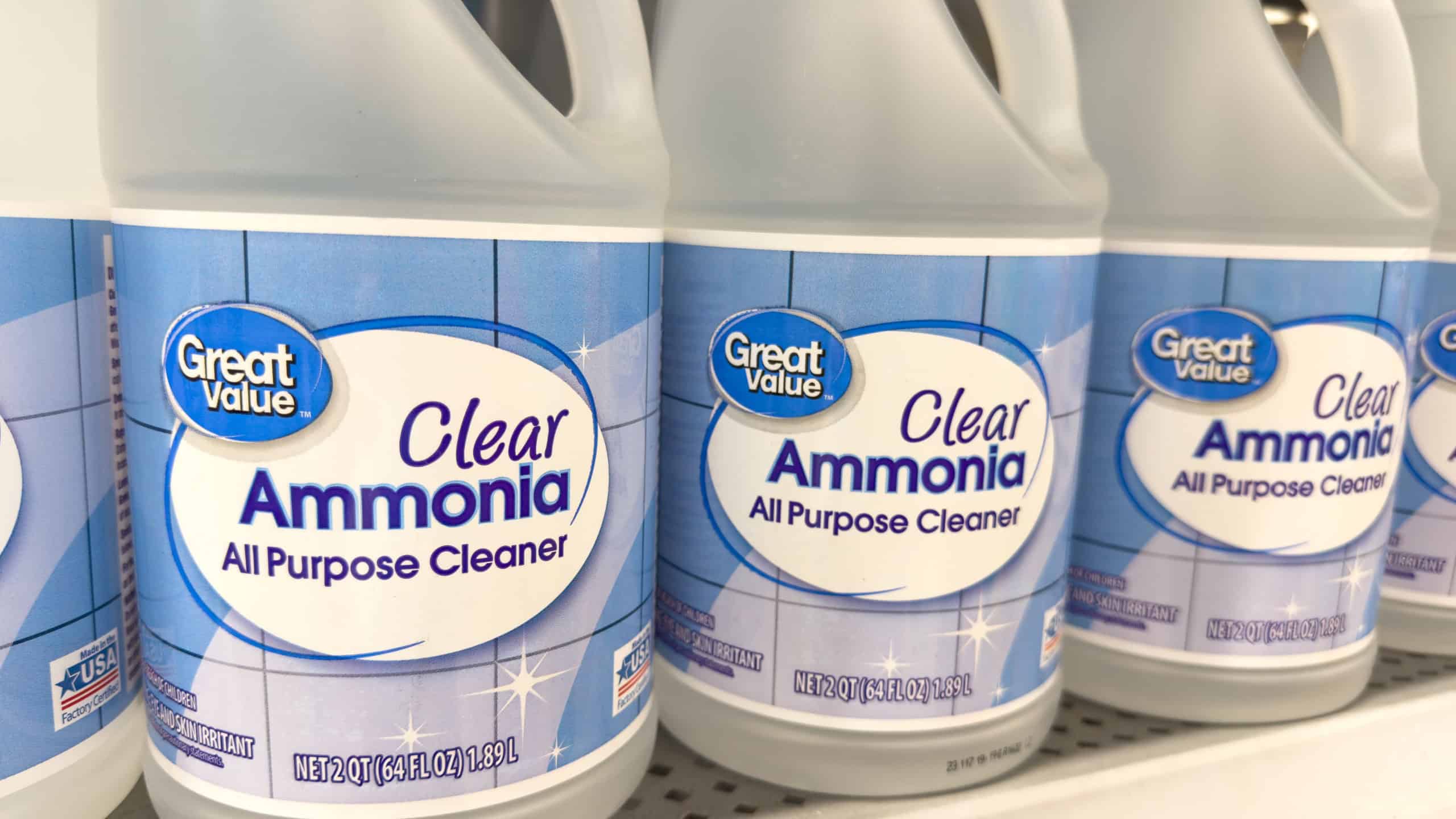
Remember reading tips in newspapers about boiling pots of vinegar, or worse ammonia, on the stove to counteract smells of burnt dinner or lingering sickness? While it masked odors, it did so by saturating each room with caustic, eye-watering fumes that burned your nostrils.
This aggressive tactic against unwanted smells frequently cloaked kitchens in a stinging, vaporous haze. Thankfully, we no longer have to simmer bottles of harmful chemicals on the stove top to freshen our air.
Cleaning wallpaper with bread dough or putty-like mixtures

Before washable paints and magic erasers, humans basically used a big ball of dough to erase their walls. Since most houses were heated with coal or wood fires, soot would accumulate on everything.
Grab some special putty or an actual loaf of white bread and rub it on the wallpaper to pick up the dirt. It was back-breaking work that killed shoulders and if the walls were even slightly damp, you were just smearing mold spores.
Using powdered pumice for sinks and tubs

Back in the 1920s, if you had a stained sink, you didn’t grab a gentle cleanser. You opened a can of crushed volcanic rock. Powdered pumice was the heavy hitter of all porcelain and enamel cleaners because it would literally grind away stains. The only issue? It was essentially sandpaper in powder form.
Over time, it would wear down the shiny enamel finish of a tub or sink. Once the finish was gone, the surface would become porous and even more difficult to clean. Not to mention the horrible dust it left in your lungs.
Eventually, warnings were put on labels telling consumers to switch to softer minerals like calcium carbonate.
Sources: Please see here for a complete listing of all sources that were consulted in the preparation of this article.
Like our content? Be sure to follow us.


