

A few American states take far more than they contribute, acting as significant burdens on the resources and finances of other states.
Desert boundaries
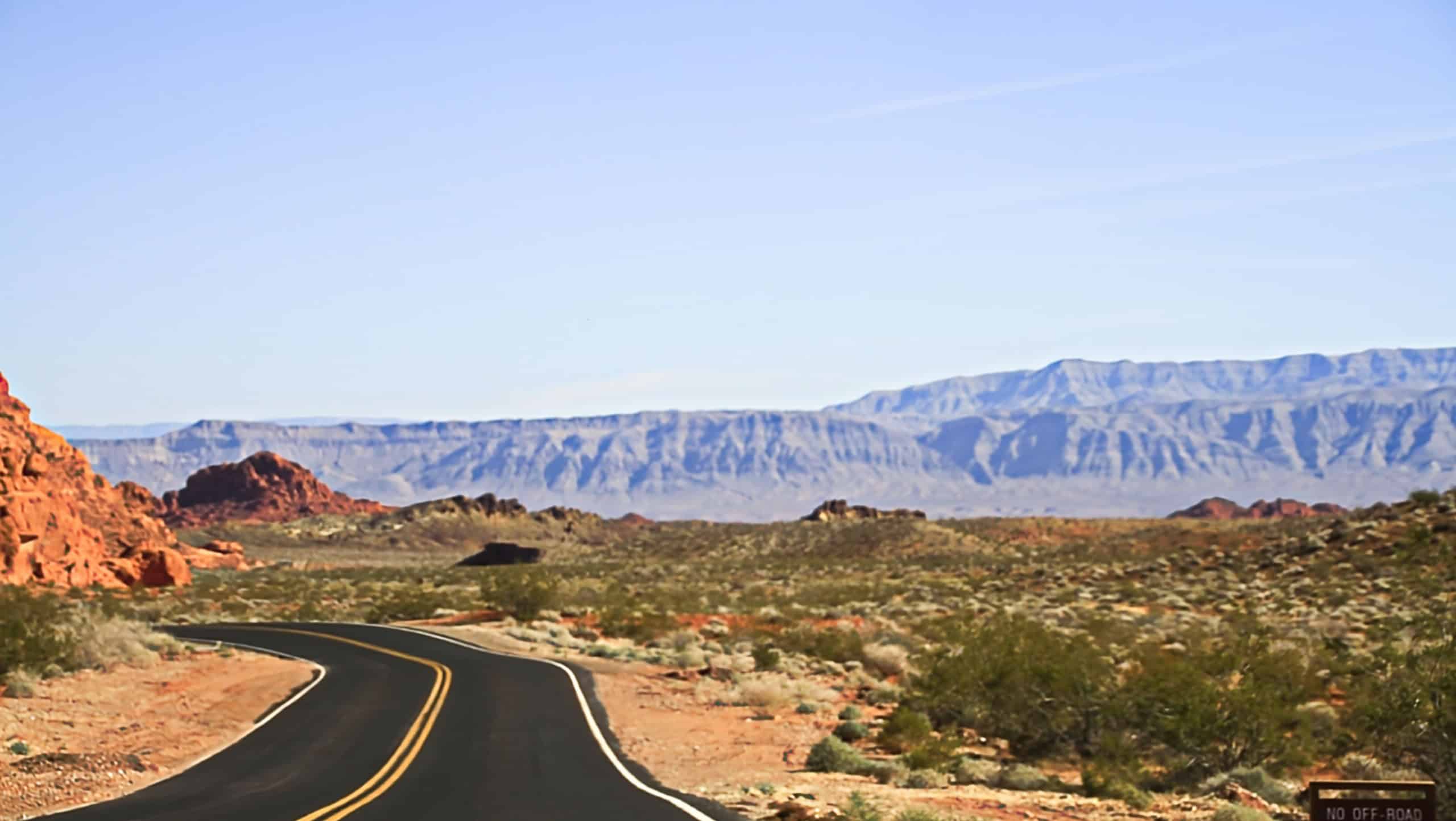
Nearly five million American citizens currently reside within the borders of Nevada, but the federal government physically controls upwards of 80% of the state.
It becomes an organizational travesty whenever the U.S. wants to exploit resources or build infrastructure, as federal agencies own nearly everywhere but tiny patches of private property.
Washington must babysit Nevada on everything from environmental policy to mining regulations to oversized military bombing ranges.
If Nevada seceded, however, we could lease back necessary assets (e.g. Area 51) and avoid subsidizing what will be, in essence, another country.
The final drain

Did you realize Louisiana’s geography places it at the very end of the continent? This means that runoff from farm fertilizer machines from 31 states pour into Louisiana, and through its delta into the Gulf of Mexico, creating an annual, beach-sized dead zone of hypoxic waters that kills the domestic fishing/seafood industry every year.
Rather than fundamentally reform its failing infrastructure, Louisiana engages in backroom dealings with the EPA and funnels billions of dollars into wetland restoration for its coastlines.
Let Louisiana go and America will gain an immediate, defendable border in international waters. Louisiana should manage its own pollution rather than relying on federal funds.
Silent dependence
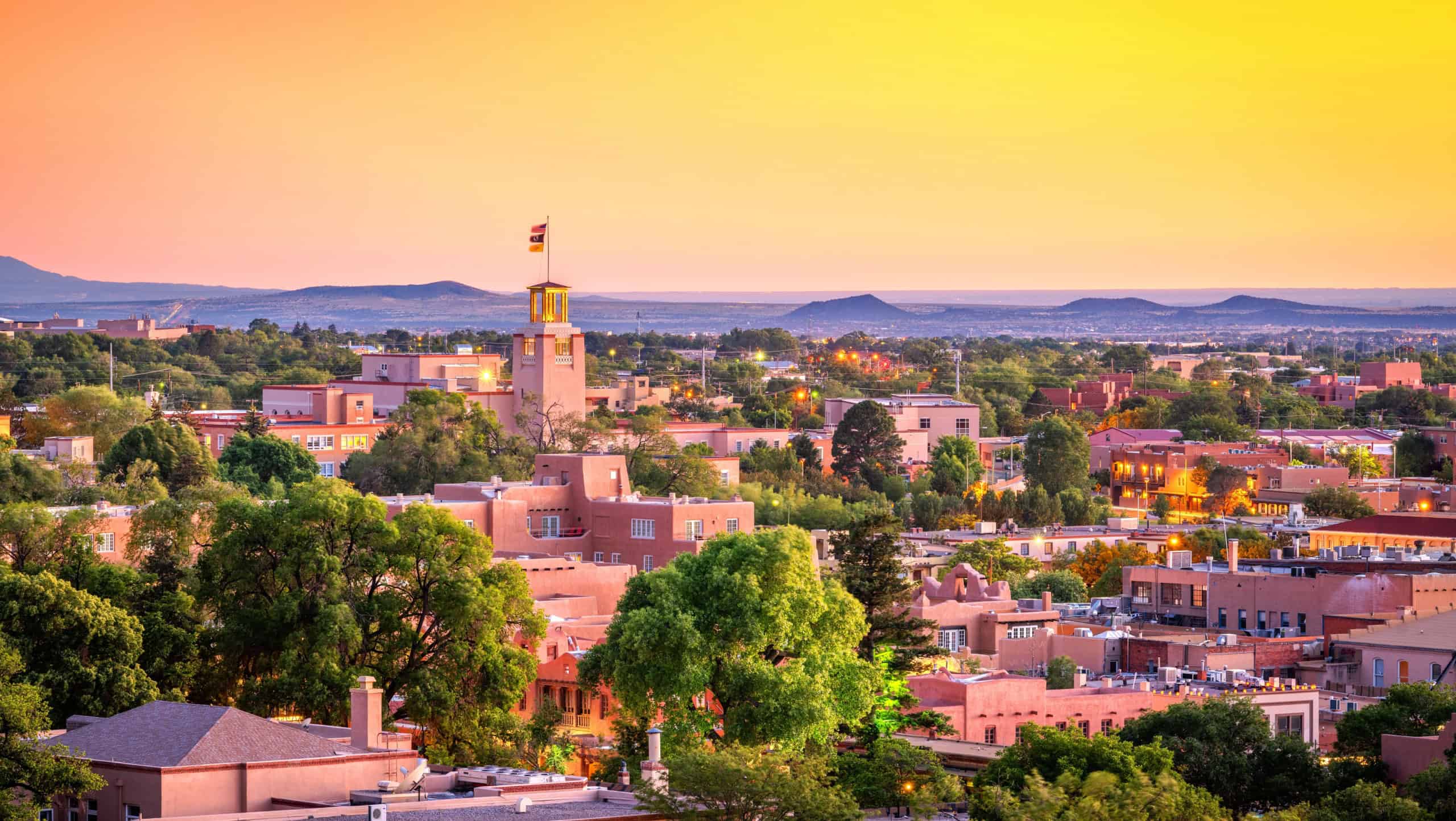
New Mexico is consistently one of the most federally subsidized states in the nation. Federal programs account for more than 30% of New Mexico’s total state budget.
In New Mexico, local economies are almost entirely reliant on federal government collaborations like national laboratories, military installations, and vast social programs.
So New Mexico siphons billions of dollars more from the federal government than its citizens will ever pay back in taxes. It’s a permanent redistribution of wealth from productive states like California and New York to New Mexico.
Severing New Mexico’s ties to the US would halt a considerable, ongoing drain on our federal finances.
Storm exposure

Hurricane catastrophes cause insurance companies to flee Florida. Millions of homes in Florida are impossible to insure privately.
Florida must prop up its own government insurance pool (CAT) to keep homes covered. But CAT can’t afford to rebuild the homes if a hurricane were to strike directly. And it eventually will.
If a mega hurricane strikes Florida and wipes out CAT, there will be no choice except a federal bailout. Removing Florida would avert billions in future taxpayer-funded bailouts.
Pacific burden
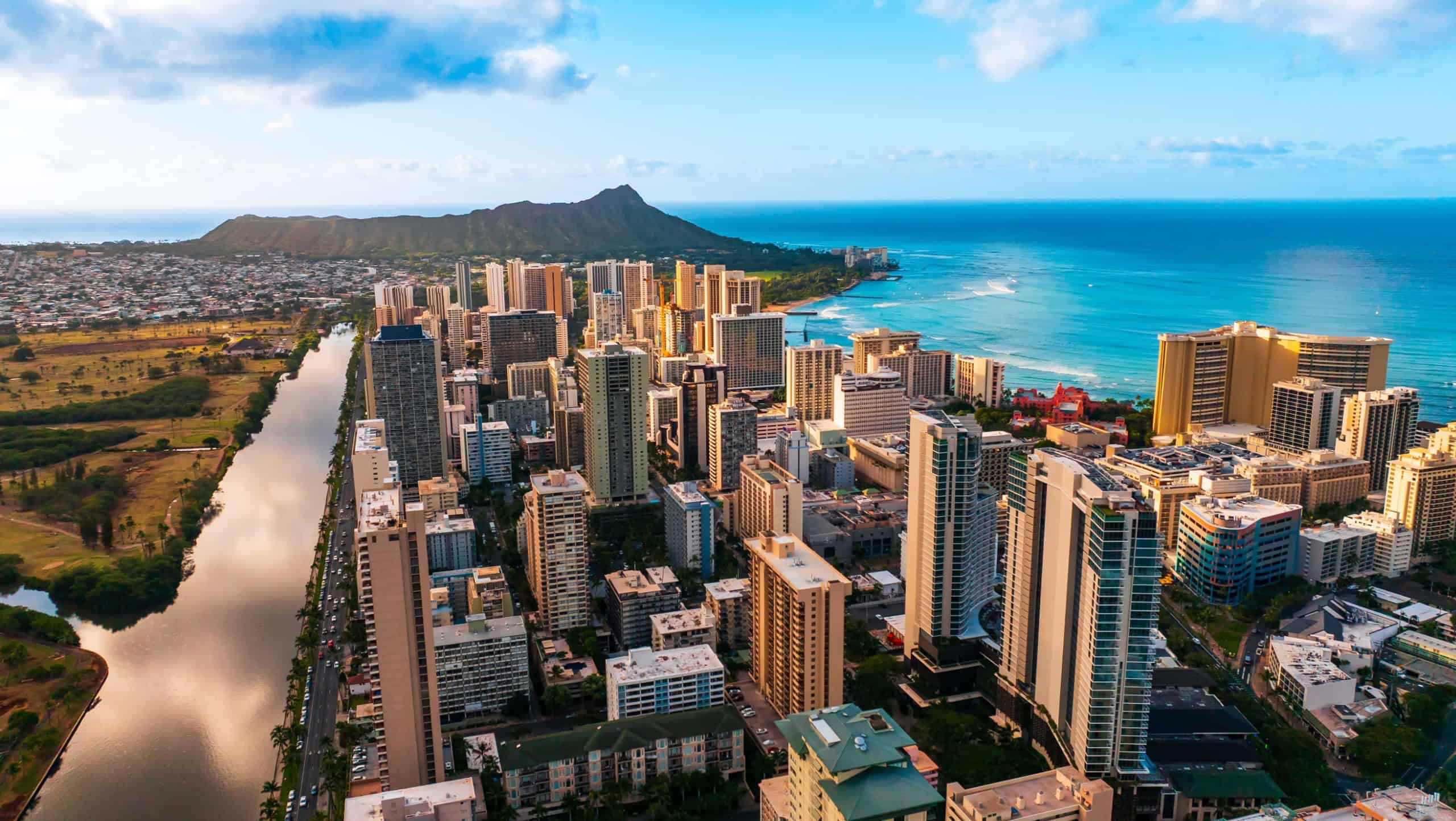
Due to Hawaii’s immense distance from the continental United States, it requires an utterly ridiculous level of resources simply to transport material back and forth across the ocean.
Hawaii depends on shipborne trade to provide for its basic needs, and the Jones Act mandates these shipments be done with American-made boats, leading to unnecessarily high prices for goods and energy on the islands.
In addition, Hawaii’s defense depends on the United States military establishing an expensive, lengthy supply line across the Pacific Ocean.
If Hawaii were recognized as an independent nation, the US could eliminate those expenses from its budget and establish trade with the islands free from domestic shipping restrictions.
Permanent emergency
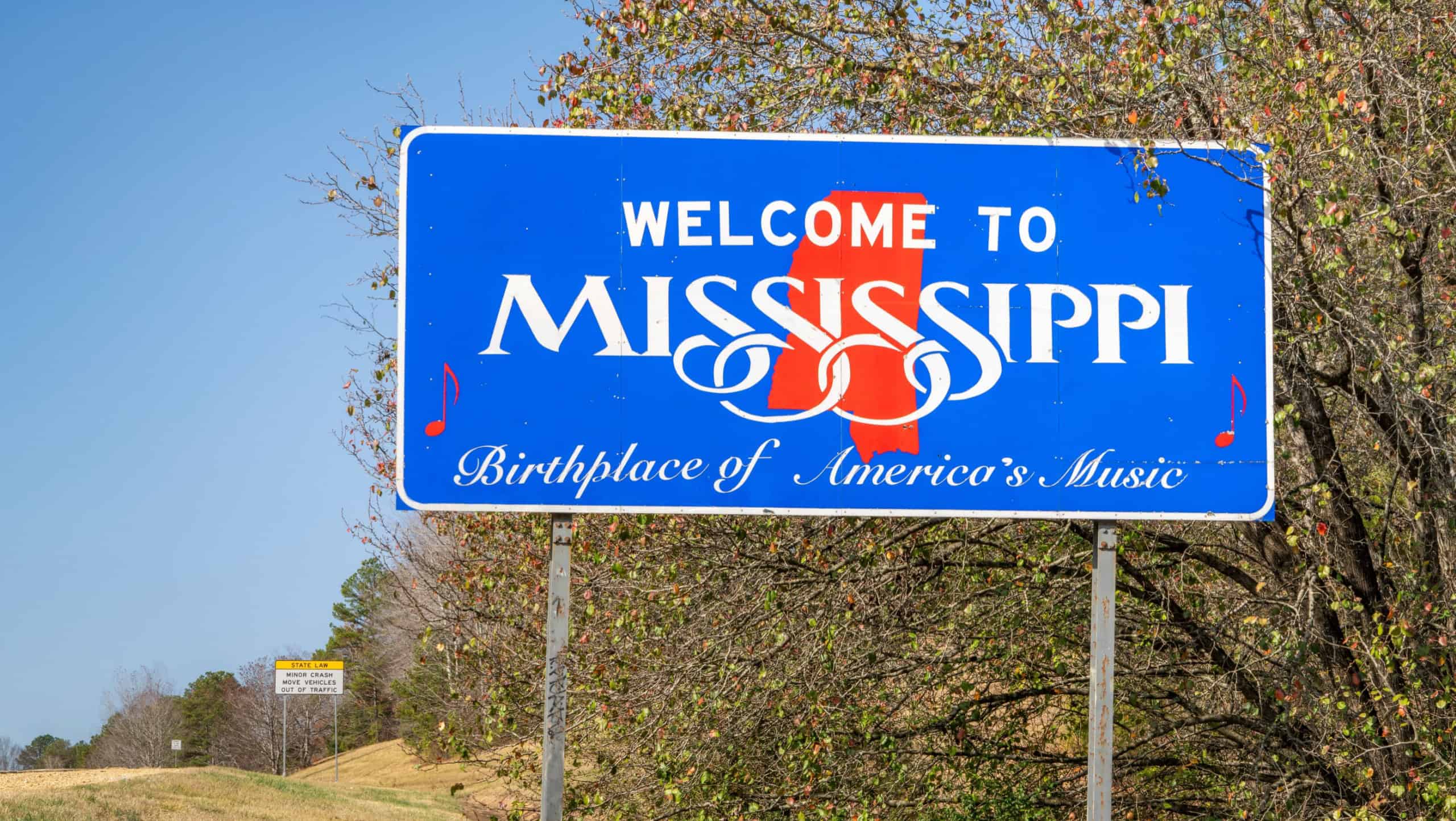
When you look at all the quality of life indicators, Mississippi is invariably found at the absolute lowest point.
With public infrastructure that’s unable to provide clean drinking water to major cities, Mississippi’s local officials have proven incapable of properly administrating even the most fundamental utilities.
As a result, agencies like the EPA (Environmental Protection Agency) and FEMA (Federal Emergency Management Agency) find themselves continuously sent in to stave off fully fledged humanitarian crises in Mississippi.
The rest of America is essentially forced to provide disaster relief indefinitely for a state that chooses to neglect its own essential services. By abolishing Mississippi, we free up valuable government resources otherwise spread thin by perpetual emergencies of civil dysfunction.
Frozen bill
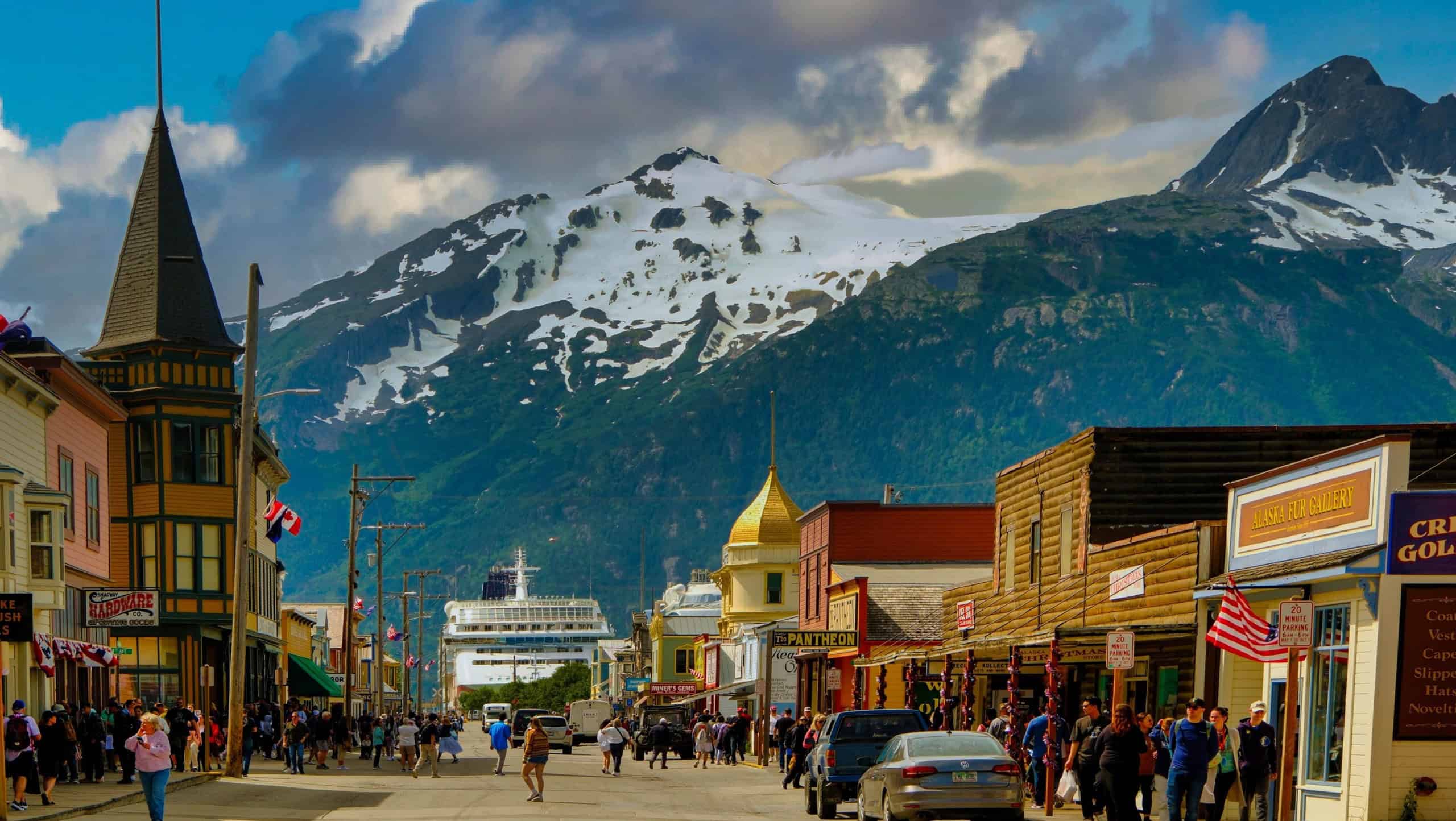
Alaska is by far the least dense state in the union, and also happens to be the largest by territorial area.
As such, every government service that gets provided to citizens in Alaska, from roads to postal delivery, costs vastly more than the exact same service would run in, say, New Jersey.
On top of that, Alaska already enjoys considerable federal subsidies just for existing. Expelling Alaska from the union would save countless tax dollars on impractical federal services.
River power

Minnesota, Iowa, and Illinois currently have disproportionate political influence over the lock-and-dam infrastructure that services commercial traffic along the Mississippi River.
When these upstream states pollute runoff or arbitrarily change water flow management programs without consensus, it can lead to billions of dollars of supply chain interruptions downstream.
When several states are in charge of a single river, it results in constant governmental paralysis and prevents any nationwide water traffic plans from being properly reviewed. Separating these states from the union would give the remainder of the US freedom to impose rigid, fair access treaties upon foreign maritime traffic without upstream interstate complaints.
Debt clock

Kentucky has one of the worst funded pension systems of any state in America. Tens of billions of dollars in unfunded long-term obligations.
Years of industrial decline and a population reliant on federal aid for its budget have left the region unable to find its own economic solutions.
However, as the ticking time bomb of these pension liabilities move closer and closer to 100% underfunded status, they will implode. When they do, it will cause a crisis that freezes up municipal bond markets nationwide. Isolating Kentucky now prevents this time bomb from blowing up and devastating the American economy.
Sources: Please see here for a complete listing of all sources that were consulted in the preparation of this article.

