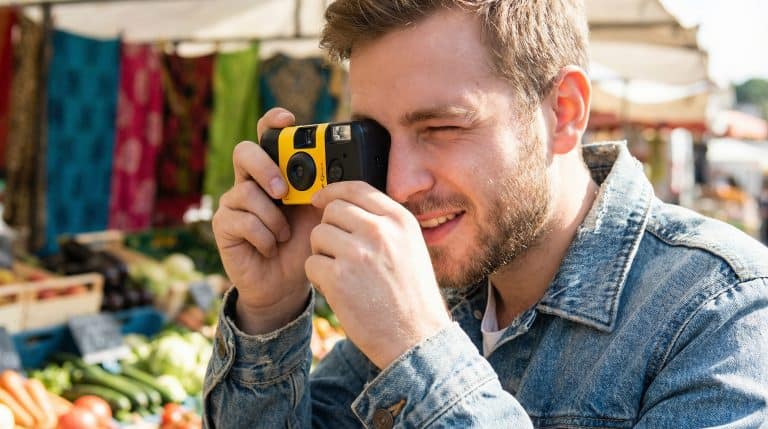

Honestly, life was so much more private pre-social media. You didn’t feel obligated to capture everything ‘just in case.’ You lived in the moment with whoever happened to be around.
Sure, you have some awkward photo albums stashed away somewhere. But, half the time the good memories didn’t make it to film at all. You weren’t stressing about captions or your angles. You were simply there.
Here are nine memories you never had to post online.
Film negatives in paper envelopes

Negatives were what we considered cloud backups before there was cloud, except they were analog, and sat in your junk drawer. Negatives were the masters that you could pull out and reprint if something got lost.
At the time, we didn’t think about it, but negatives were extremely high-resolution, far superior to the average phone photo we take now.
But, what they lacked was toughness. One fingerprint or too much light exposure and they were gone forever.
Saved voicemail tapes

There was comfort in listening to someone’s voice waiting on a magnetic tape.
Back in micro-cassette days, you listened to the pauses and ambient sounds of someone else’s life at the machine. Listening to someone’s voice moves you in ways that words on a page simply can’t.
Saved messages preserved nervous stutters and real laughter. When it was too precious to let go of, you kept the tape with their voice on it, rather than digitizing it.
Diaries with tiny locks
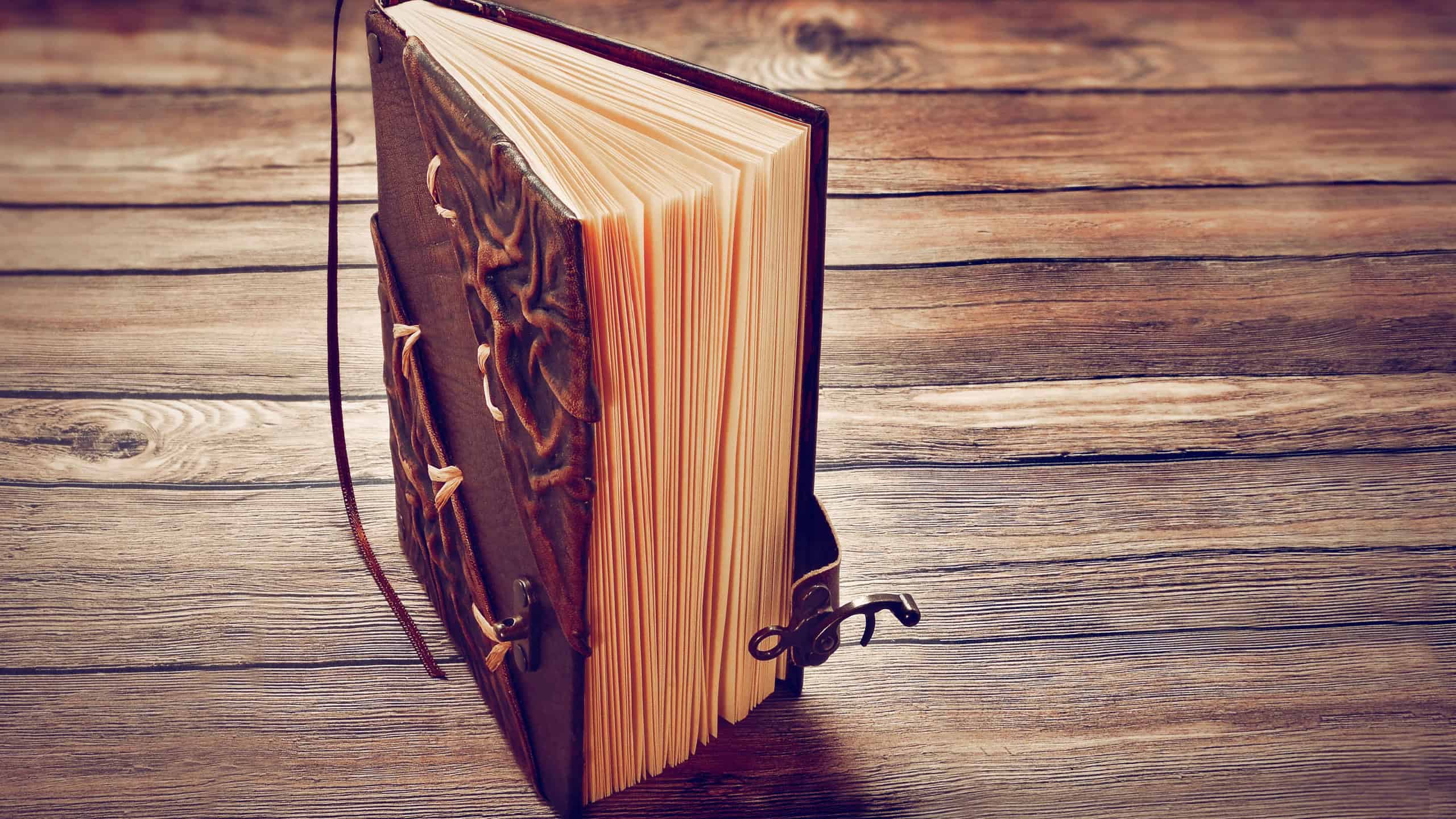
Back in the 90s, we all carried little velvet journals with cheap locks on them. Even though the locks were flimsy, those journals provided a delightful illusion of keeping our thoughts safe.
There’s something about writing something out by hand that forces you to slow down and actually feel your emotions, instead of just typing frantically.
Tucking that little key under your pillow somehow made that journal feel like your own safe space. If someone found it, they were truly invading your privacy.
Disposable camera photos
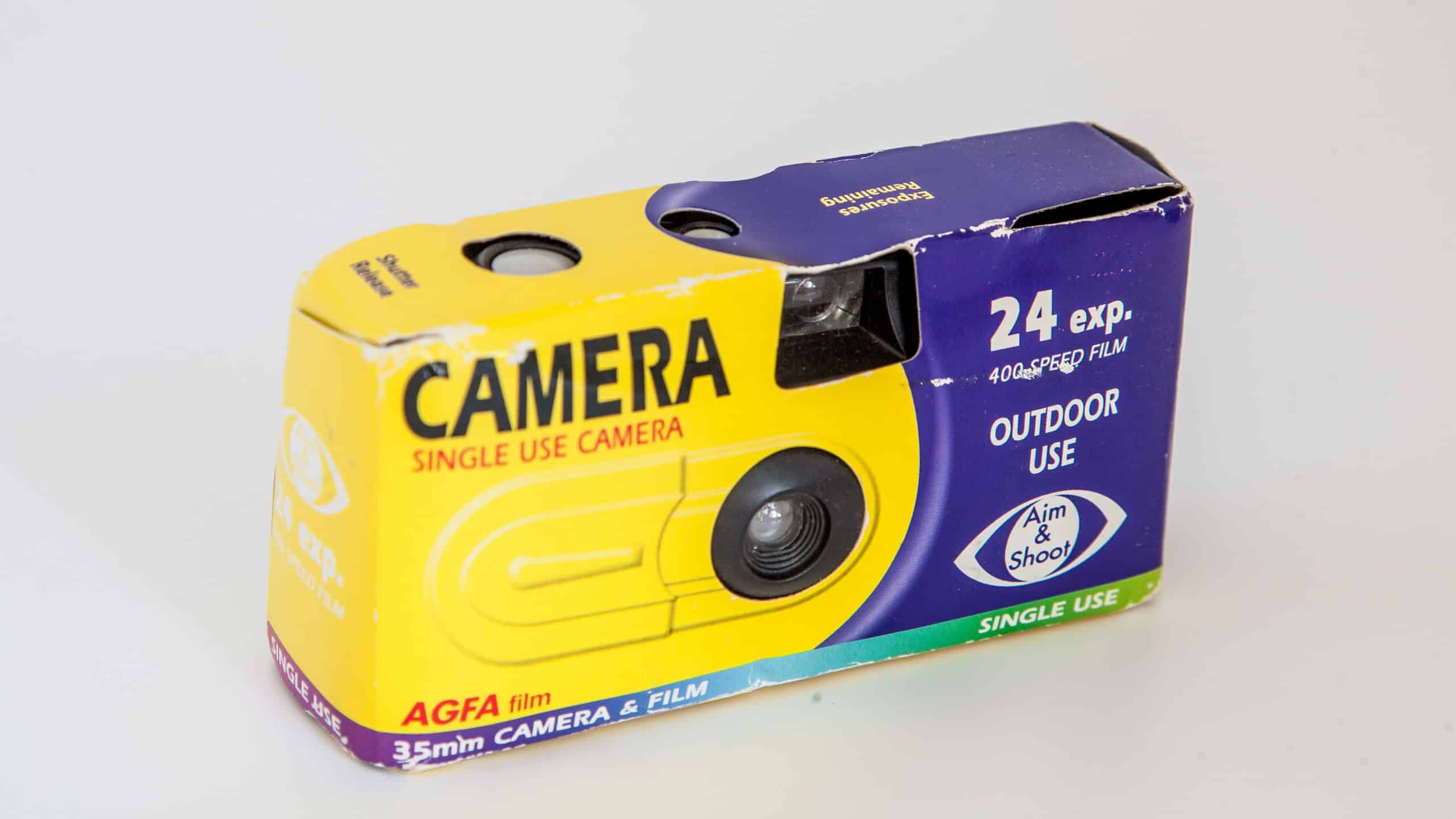
Disposable cameras forced us to live in the moment because we only had a handful of shots. We became thoughtful about what we were capturing and patient for the ideal shot.
Those photographs meant something to us because we couldn’t instantly see them. There was an element of surprise when we picked up those rolls. Even the goofs, like a blurry shot, became part of the story.
Those photographs were a more intimate, sentimental way to preserve our past.
Photo albums on coffee tables

Albums were a physical form of gatekeeping. To see someone’s family history, you had to be in their house as a visitor. This made album viewing ceremonial.
There was always somebody there to tell you the “who, what, when and where” as they flipped through the pages. It was a shared experience, not a solitary digital activity.
The pictures stayed put on the coffee table when you went home.
Mix CDs made for one person

Mix CDs had a weight to them. You agonized over song selection and order and typically spent hours drawing dumb pictures on the cover in Sharpie.
Research psychologists who study music have confirmed that these shared playlists facilitated bonding, particularly between romantically involved people. Best of all: That CD had your name written all over it, so to speak.
It wasn’t like putting something up for all your friends to see online. You never intended for it to go viral. Sure, it might become scratched or lost over time, but then that just added to its legacy.
Handwritten letters
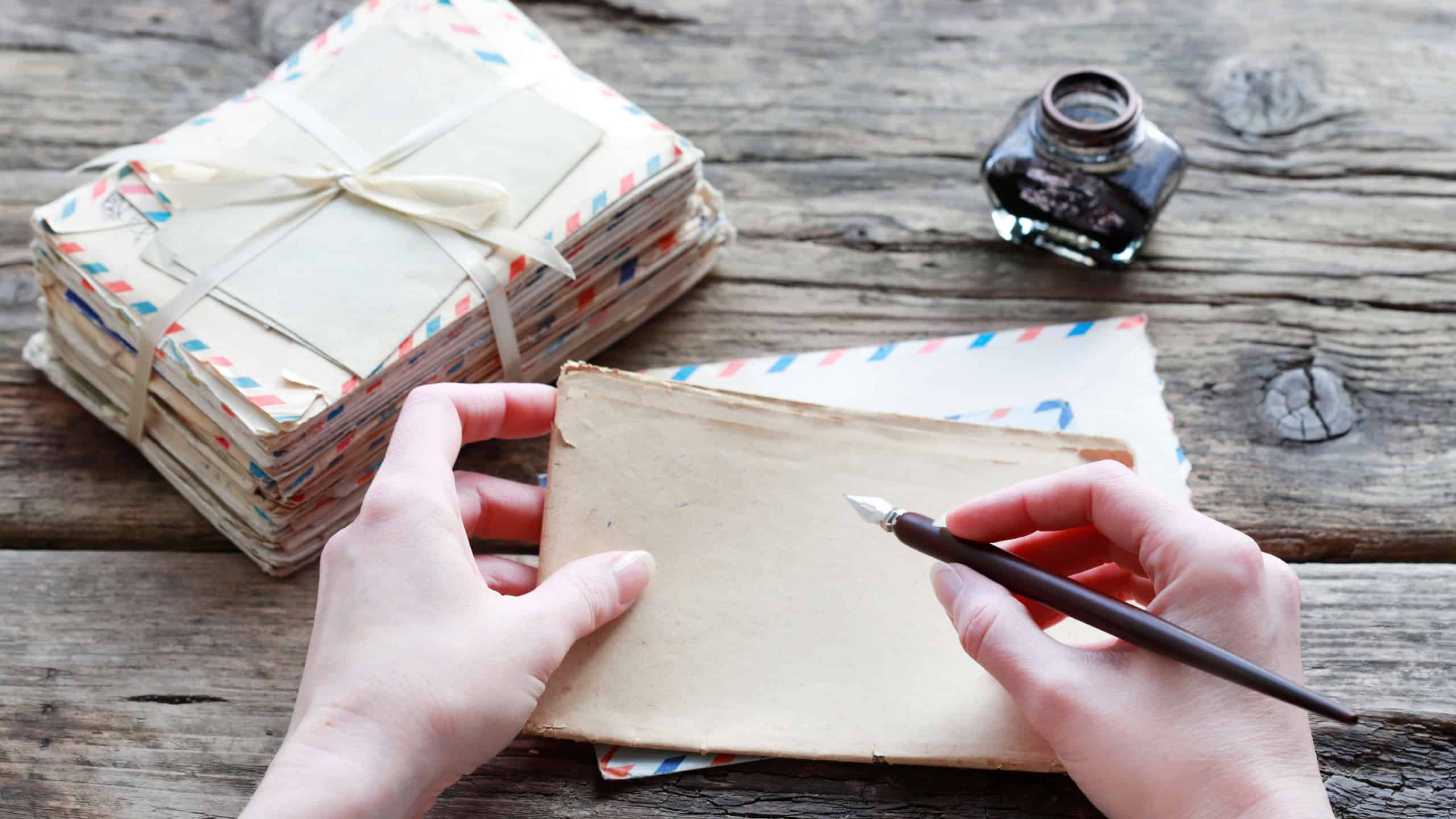
I kind of miss writing letters. There was anxiety because you couldn’t backspace yourself if you messed up, so you really had to think about what you wrote.
Your thoughts make you feel more connected to people than texting does. And it makes sense.
It was so tedious mailing a letter and then waiting. It felt so much more personal, knowing it was only for one person and not some Snapchat group.
Yearbooks signed in person
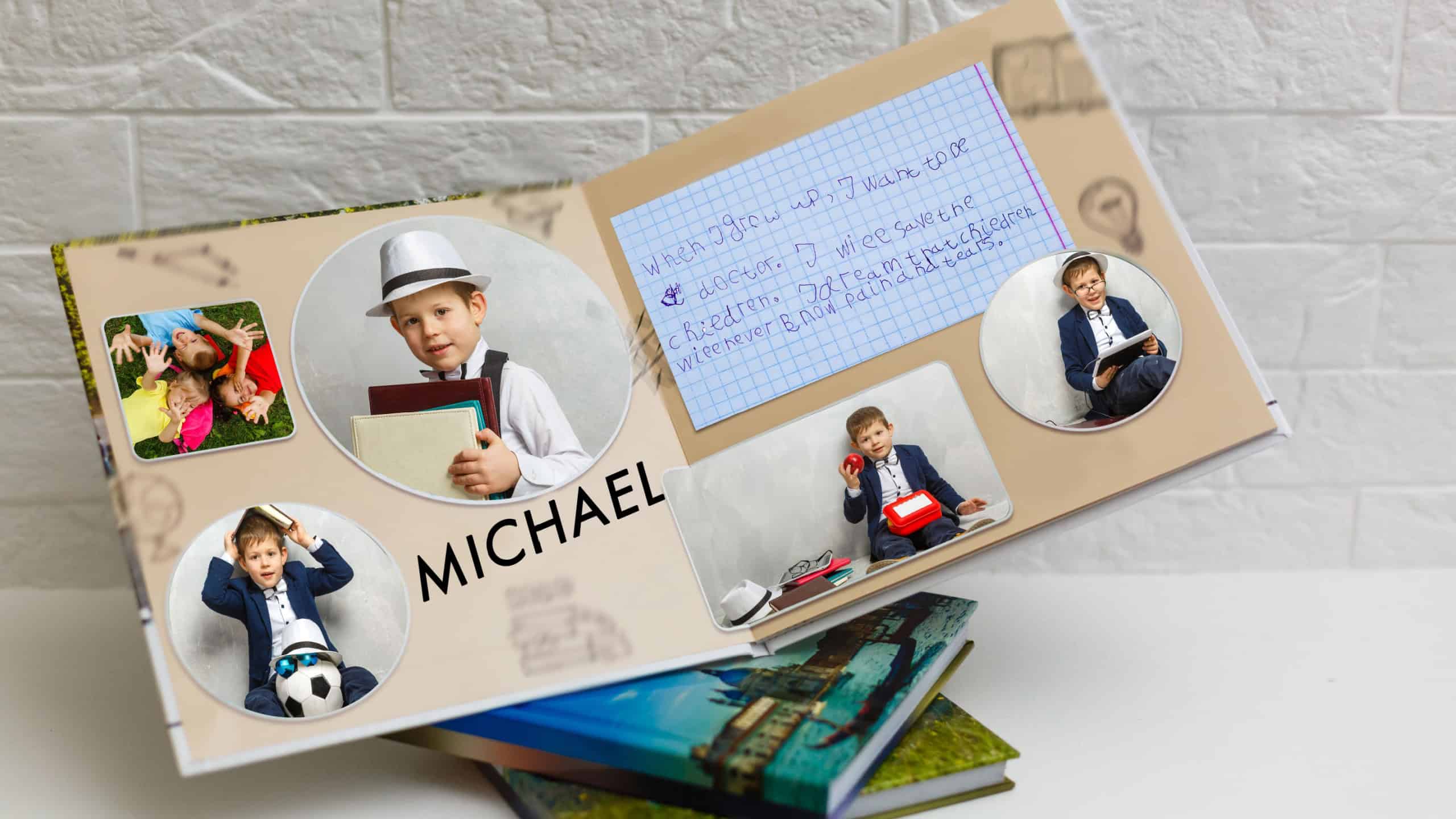
Signing yearbooks was loud and chaotic with everyone running around asking you for messages. Even if the notes were brief, they held significance because your friends penned them right there.
Studies have found that using a physical yearbook allows us to remember audiovisual memories like school smells and sounds better than a digital device.
Just your close friends were privy to what was written in those yearbooks. They remained in your yearbook as yours and that person’s secret, signifying a time in your life that was yours alone.
Embarrassing moments that weren’t filmed

Honestly, I’m glad cell phones didn’t exist when I was younger. And it’s a relief that I don’t have a mental catalog of my most embarrassing experiences.
Back then, if someone did something embarrassing, like tripping over themselves in the hallway, people would laugh for a few seconds, and then nobody ever thought about it again.
Now, kids would post it on the ‘worst fails videos’ and I’d have to see that for the rest of my life.
Sources: Please see here for a complete listing of all sources that were consulted in the preparation of this article.
18 things people used to do without the internet

Remember when daily life did not depend on Google searches for answers? In this list, let’s revisit the past and remember 18 essential skills that everyone knew before the internet became the ultimate source of information.
