

Think everything was safer and more innocent in the “good old days”? Think again. Before warning labels, safety testing, and regulation, countless unsuspecting families were poisoning their homes with products they trusted, advertised, and used every day.
These were normal, popular products advertised on the fronts of well-known magazines and proudly recommended by doctors and experts. Looking back, it’s horrifying to learn how normal life was turned dangerous by the very items designed to keep it comfortable.
Here are 9 harmless-seeming household products from yesteryears that could have seriously harmed your family, and why they were banned.
Lead-based paint

Lead was the magical “secret ingredient” that made paint last longer and retain its color without fading before it was banned from housing in 1978.
The issue is that old lead paint doesn’t just stay put once it’s on your wall. It cracks, chips, and slowly turns into microscopic dust that you can’t see. Kids are especially vulnerable because they have the habit of putting their hands (and everything else) in their mouths.
Ingesting just a small amount of lead dust can alter a child’s brain development, causing lifelong learning disabilities and behavior problems. And unlike many toxins on this list, lead paint doesn’t go away. Once it’s on your walls, it’s hiding under layers of newer paint until the house is demolished.
Asbestos-lined hair dryers

Asbestos used to be considered miraculous because it was cheap and resistant to incredible heat without burning or crumbling.
Handheld hair dryers used in the 1970s were often lined with thin sheets of asbestos on the inside. Every time you turned yours on to dry your hair for work, you’d be blasting those asbestos sheets with hot air.
Every single morning, that fan was pulling microscopic asbestos fibers loose and shooting them directly onto your face and into your lungs. Asbestos, once in your lungs, can remain there for decades before causing serious (and almost always fatal) lung disease.
Mercury thermometers
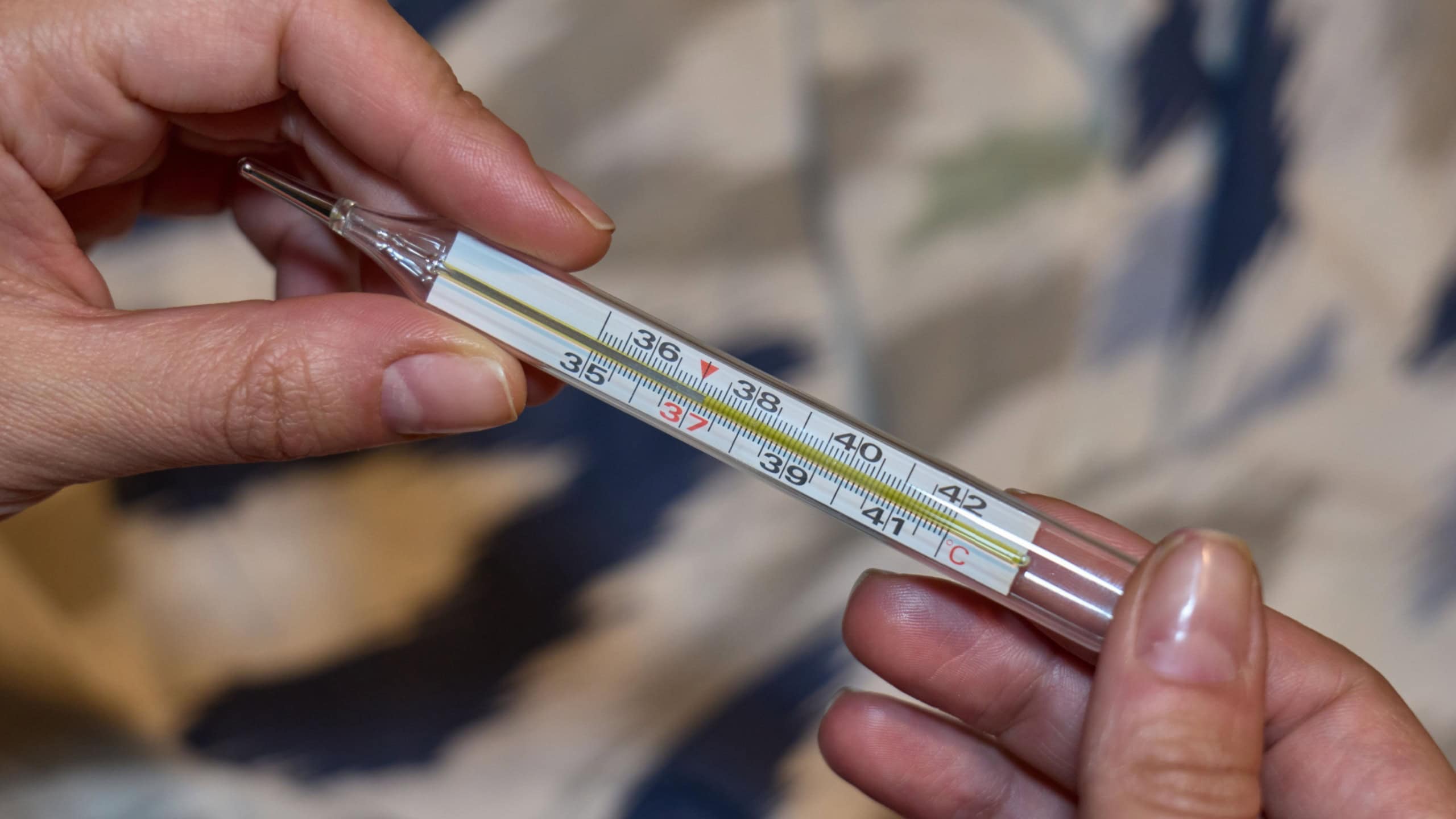
Before digital thermometers were invented, every medicine cabinet had a small glass mercury thermometer. They worked amazingly well, but they were also extremely easy to break.
Drop one on your tile bathroom floor, and that “silver liquid” you loved looking at suddenly explodes into thousands of little beads that roll under the cabinets and into any crack they can fit.
Sure, mercury is dangerous if you touch it, but did you know it’s also poisonous if you breathe it in? Mercury evaporates at room temperature, so family members would continuously breathe in vapors that attack the nervous system, causing mercury poisoning.
Radium clocks and watches

Did you know that watches used to glow in the dark without LEDs? It was all the rage, until everyone realized that watches actually glowed because they were painted with radioactive radium.
Sure, most of the poisoning happened to the “Radium Girls” who painted the clocks at the factory. But that didn’t make them safe for your home after purchase.
When the glass breaks on an old clock or watch that used radium paint, all that radioactivity is still in that dried-up paint. If you accidentally breathe that dust in or get it on your hands while moving the clock, it stays in your body and continues to emit radiation from the inside out.
Lawn darts (Jarts)

It’s hard to believe these were ever marketed as a family game. Lawn darts were essentially heavy, foot-long metal spikes with plastic fins. The goal was to toss them high into the air and have them land in a ring on the grass.
The problem was, they were heavy enough and pointy enough to stick into almost anything else, including your skull. After thousands of ER visits and several child fatalities, the government rightly banned lawn darts nationwide.
Drop-side cribs

Drop-side cribs have rails that you can slide down so it’s easier to lift babies in and out of bed. However, the plastic hardware that lifts the side back up will often break or warp with repeated use.
Eventually, the rail becomes unhinged enough to create a little, V-shaped gap. Babies can roll toward that gap and become lodged inside, resulting in suffocation. Millions of cribs were recalled, but the design was proven so deadly that they were banned entirely from the U.S.
Early pressure cookers

Pressure cookers these days have multiple fail-safes to prevent them from accidentally opening while pressurized. Back in the day? Not so much. Most antique pressure cookers only have a single steam release vent.
If that gets clogged with food debris, there is nothing stopping the pressure inside from building up until the metal pressure cooker explodes. These kitchen explosions sent thousands of lids through the ceiling and walls, scalding everyone inside with boiling water and shrapnel.
Naphthalene mothballs

Mothballs are tiny balls of chemical pesticide. When they sit in your closet, they don’t melt or dissolve as water would. They actually vaporize at room temperature and release poisonous gases into the air.
Your entire family will breathe those fumes anytime they walk into that closet. Chronic headaches, liver damage, and cancer are all fun side effects of mothballs. Mothballs also look like white candy to a toddler (or canine), making them extremely dangerous.
Vintage electrical items

Those vintage lamps and ceiling fans from the 1940s and 50s are adorable, but their electrical wiring is often deadly. Wiring was typically copper-covered cloth wire or rubber that wore away with age, exposing the “live” wires inside.
Not only is that a recipe for short-circuiting and shocking yourself every time you touch the lamp, but these old plugs also have two “prongs” instead of three.
The third prong is called a ground because it redirects excess electrical energy. With old lamps, touching a broken one could give you a deadly shock or start a fire in your walls.
Sources: Please see here for a complete listing of all sources that were consulted in the preparation of this article.
Like our content? Be sure to follow us.

