

Before Google searches, warning labels, and professional advice, households used word-of-mouth advice and “knowledge” passed down from generation to generation.
If it worked once to solve a problem, it became a “fact” and was repeated in households all over the world. From clever cleaning tips to bogus home remedies, these old household “hacks” were trusted, shared, and seldom questioned.
Here are 9 old household hacks that people once swore by.
Clean scratches on wood with a walnut

If you have a minor scratch on an old wooden table or chair, you don’t need sandpaper and stain to fix it. Old timers would simply grab a regular walnut meat (the part you eat) and run it across the scratch, sideways.
The oils in the nut seep into the wood while the “pulp” of the nut helps fill in the scratch. Rub it down with a soft cloth and voila.
The scratch becomes invisible or nearly invisible due to the oil from the walnut, creating the look of the original wood finish.
Use bread to pick up broken glass

Those large shards of broken glass aren’t difficult to pick up off the floor. It’s those microscopic pieces of glass that always managed to find your bare feet.
The tried-and-true method was to grab a slice of soft white bread and press it down on top of the shards. The soft, doughy surface will soak up all those tiny pieces that your broom (or vacuum) might miss.
Clean windows with old newspaper

Before magic eraser cloths and microfiber towels existed, people often used the comics section to clean their windows.
It actually makes sense if you think about it: paper towels are soft and leave little fuzz behind. Newspaper is much thicker and slightly abrasive. The ink even helps to act as a mild polish.
Combined with vinegar and water, it leaves glass squeaky clean with no fuzzy residue.
Polish silverware with potato water

Whenever people back then boiled potatoes for dinner, they saved the leftover water instead of pouring it down the sink. Potato water contains starch, which works as a mild abrasive and cleanser.
Soak your tarnished silverware in potato water for about 20 minutes, give it a quick rinse, and you won’t need harsh chemical polishes that smell worse than burnt onions.
Restore limp vegetables with ice water

Before refrigerators became trendy, vegetables would often go limp after hanging out in the produce drawer for too long. To restore that crunch back to celery, carrots, lettuce, etc., just put it in a bowl of ice water with a chunk of raw potato.
This osmosis process allows the food to soak up water and rehydrate the cells. After about an hour, you’ll have a crunchy carrot once again.
Scrub a cast iron skillet with salt
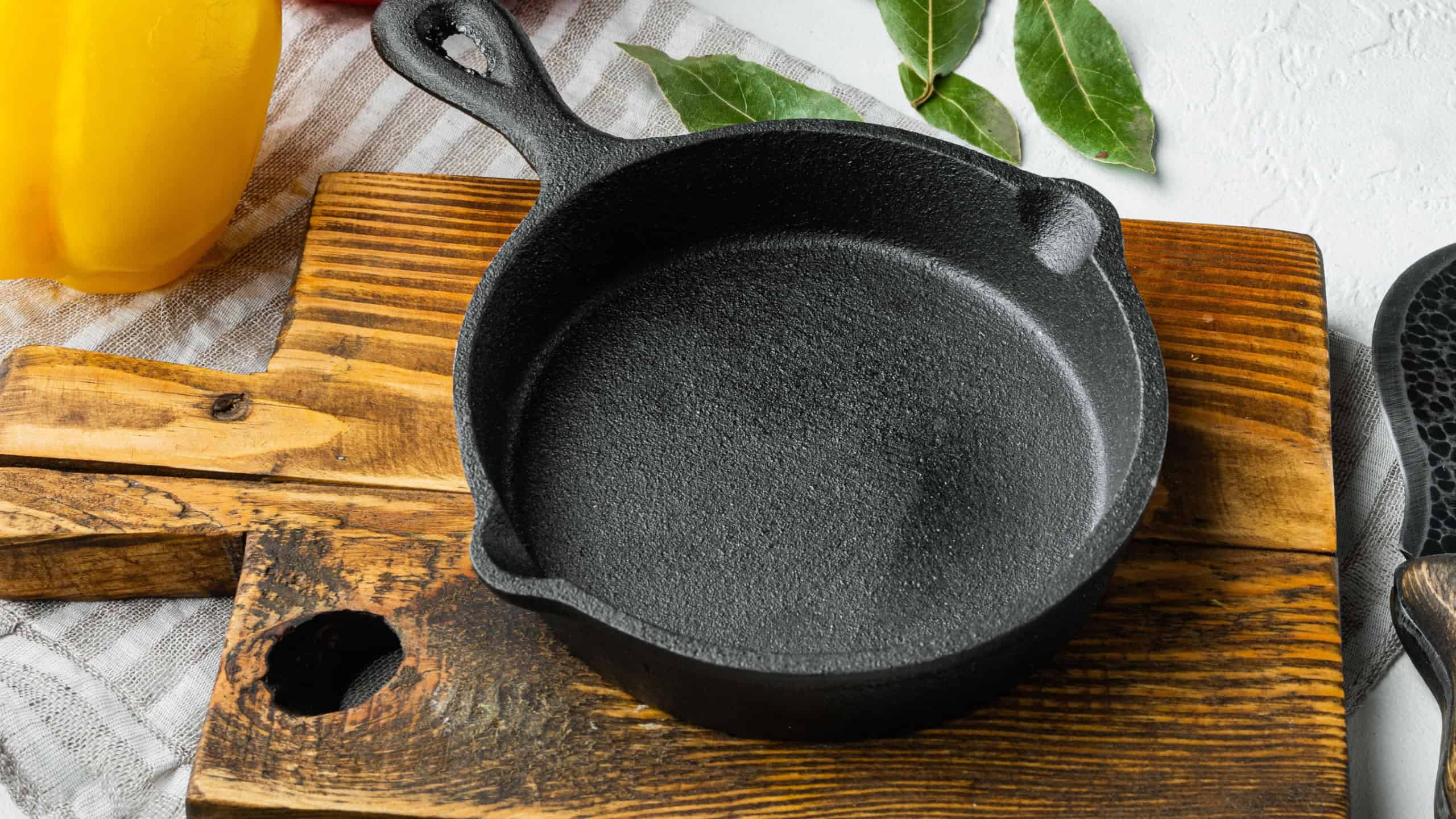
They say you should never wash your cast iron skillet with soap and water. The soap breaks down the natural oils that make your pan non-stick.
Instead, take a handful of coarse salt while the pan is still warm and wipe it down with a dry cloth. The salt scrapes off stuck-on food particles and grease without stripping away your pan’s “seasoning”. Dump out the salt, and you’re done.
Remove red wine stains with white wine

If someone spills red wine on your white tablecloth, grab a glass of white wine and pour it directly on the stain. Why? The white wine neutralizes the color pigments in the red wine and prevents the stain from setting into the fabric.
After diluting the red stain with white wine, simply blot it up with a cloth and throw it in the wash. Magic.
Test egg freshness by floating it in water
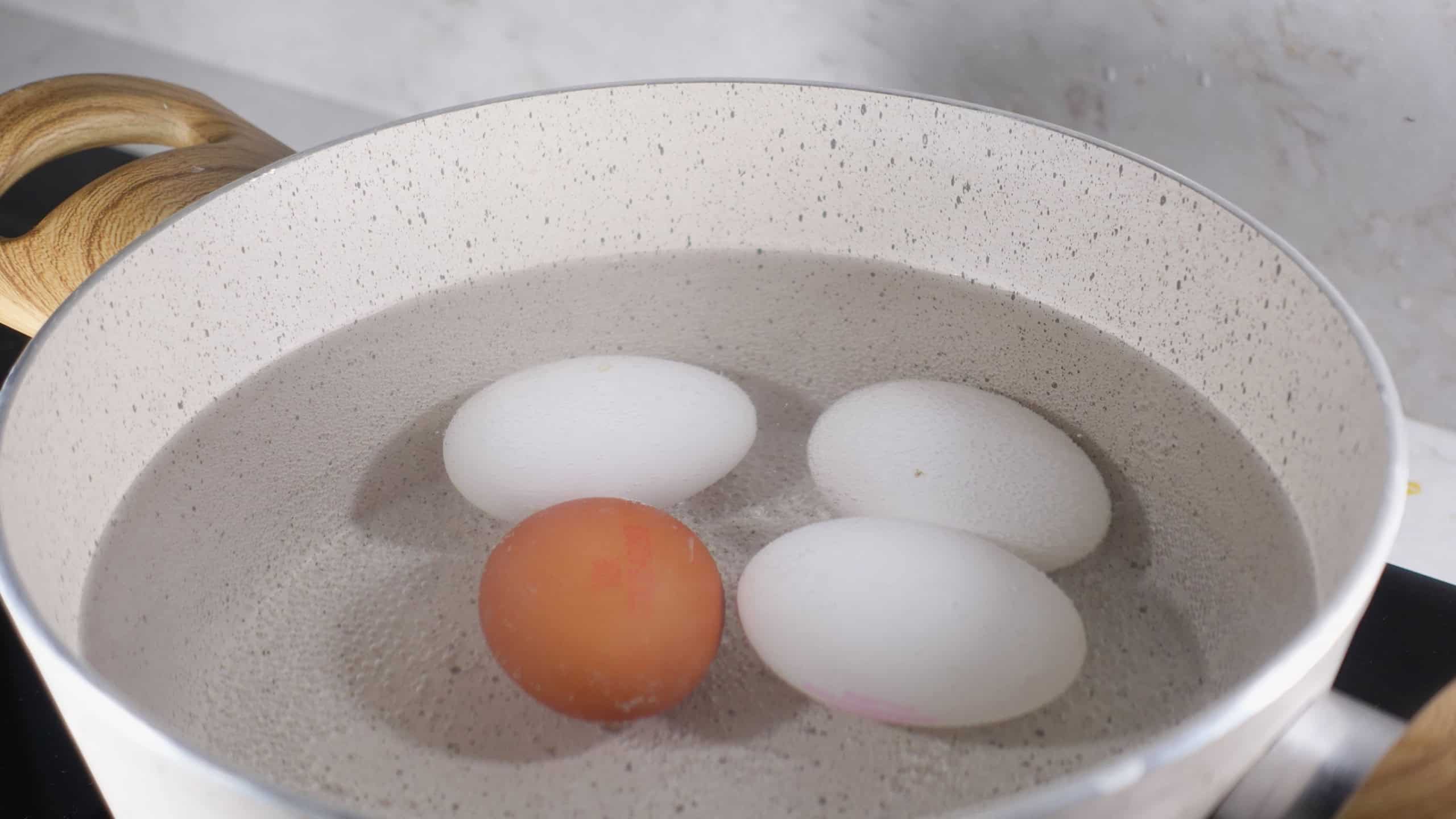
Did you know eggs used to come without little “best if used by” dates printed on the carton? People tested eggs simply by putting them in a bowl of water.
If the egg sinks horizontally, it’s fresh. If it stands up on one end, it’s still good to eat, but older. However, if the egg floats to the top, toss it. This means too much air has made its way inside the shell, and the egg is spoiled.
Use vanilla extract as an air freshener

Before Febreze existed, people would make their houses smell like vanilla cupcakes using this simple baking tip. Simply place a teaspoon or two of real vanilla extract into a tiny oven-safe dish.
Simply place 1-2 teaspoons of real vanilla extract into a small oven-safe dish and set your oven to 250 – 300 degrees F for about 30 minutes. As the vanilla warms, the smell fills your home. It’s strong enough to even mask things like fish or onion odors.
Sources: Please see here for a complete listing of all sources that were consulted in the preparation of this article.
Like our content? Be sure to follow us.


