

Discovering the true intent of the commandments is difficult when you don’t take into account the world for which they were specifically written.
False oaths
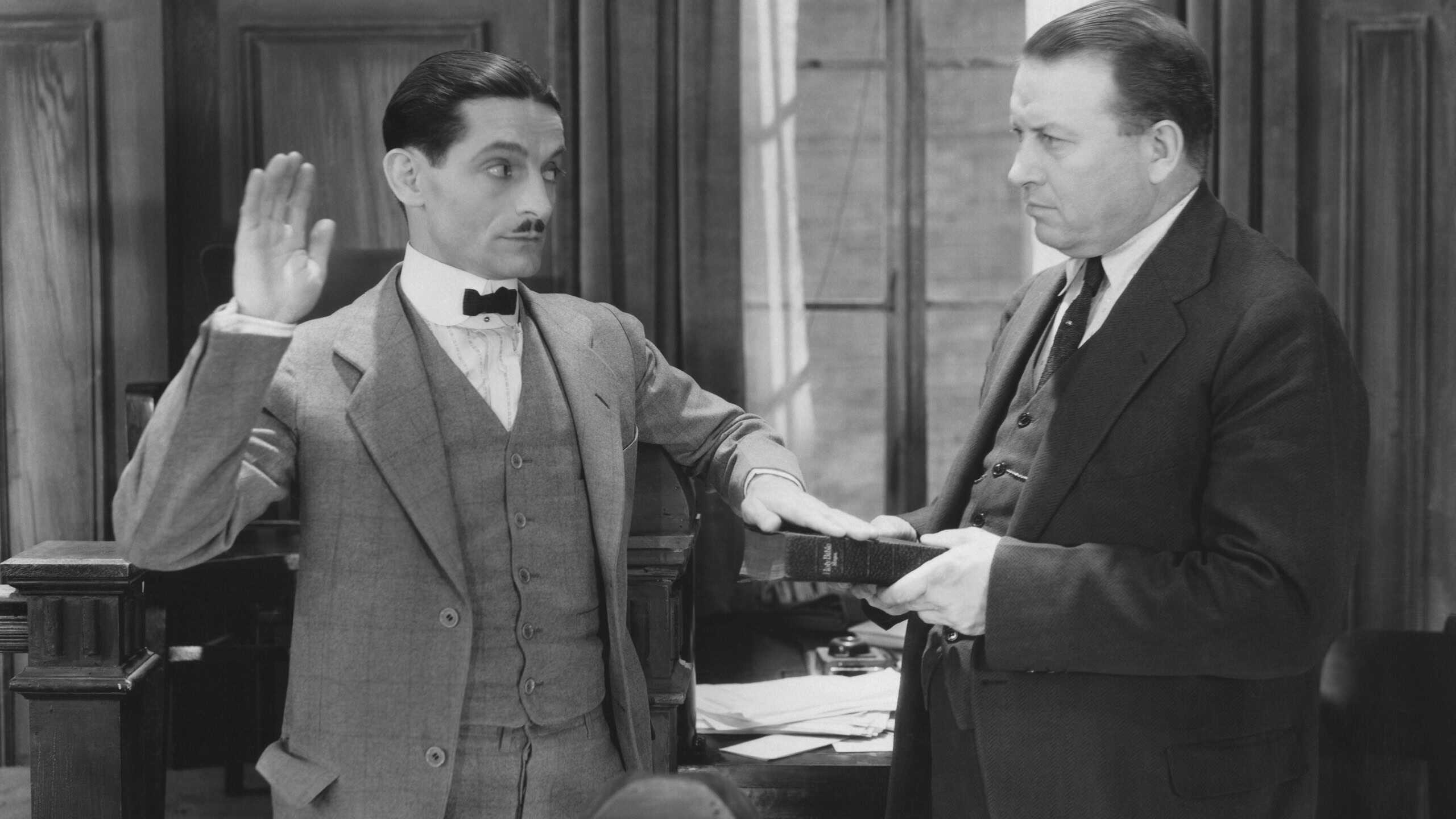
Don’t misunderstand me; yes swearing lightly is wrong. Taking God’s name in vain is not right. That’s not the core issue that was at play, though.
People of that era were essentially calling on God during oaths. “I swear to God this is true.” People were serious about it.
If they lied after making that claim, they were not only lying to that person. But they were using Gods name to do it.
And that is what was wrong with taking his name in vain. You were using God to make a lie seem sacred.
Two stone tablets

Since there are only ten commandments, many people assume Moses carried two tablets because he wrote really small or there was just too much to fit.
However, this was a common practice in the ancient Near East when any two parties entered into a covenant or treaty with each other.
Since each party had to have a legally binding record of the agreement, two identical copies were made.
It is quite likely that all ten commandments were written on each tablet, one being God’s copy and one being the people’s copy.
Capturing God

While most people think that rule was prohibiting all forms of art or sculpture, they were actually prohibiting the ancient Near Eastern custom of trapping a god into an object so you could control him.
Many other cultures around Israelites believed that performing special rituals could cause a god’s spirit to dwell inside of an idol, forcing him to fight for you.
Kill or murder

A lot of people like to throw ‘You shall not kill’ out there. They make it sound like killing is never okay under any circumstance.
The Hebrew word Moses actually used was “ratsach”, which means “murder,” rather than all forms of killing.
This makes a difference. There were already other laws that addressed self-defense and execution through the justice system. This law, then, wouldn’t have applied to taking a life in self-defense.
Instead, this law was specifying against killing out of personal vendetta.
Day for all

These days, the Sabbath is often reduced to an hour or two of church on Sundays.
Bronze Age folks saw this as groundbreaking labor reform, unlike anything else back then. It did far more than tell those at the top to kick back.
You could almost see it as a version of rest, meant for everyone. Everybody was included. The thinking was, everyone deserved some downtime.
Duty to care

We often interpret this directive as a way to get children to do chores around the house.
However, when you read it in its original Hebrew context, you’ll see that it’s talking to adults, men and women who had families of their own.
Without social security or pension plans, honoring your mom and dad meant feeding them, housing them, and legally caring for them when they were elderly.
It was created as a survival-type law, so that seniors wouldn’t get tossed aside or viewed as useless when they stopped being productive workers.
Adultery

In today’s terms, we view this restriction against adultery as telling everyone to stay monogamous.
However, adultery was specifically against another man’s household.
If someone other than a man’s wife gave birth to his child, there would be serious questions about who inherited his land and who was truly in his family bloodline.
Adultery jeopardized the legal framework of whole communities because family lines were paramount.
Theft

While this commandment is often thought of in the context of stealing material possessions, some Biblical scholars believe it originally referred to kidnapping: specifically, kidnapping other free men and selling them into slavery.
Ox theft was one thing in nomadic/pastoral society; it was a civil violation.
But if someone stole your child, your wife, or one of your slaves who managed to escape, that was a crime punishable by death.
It was significant enough to earn a spot within the Ten Commandments, alongside murder and adultery.
Lies

Folks tend to apply this rule to all kinds of falsehoods, but it’s really about statements made in court.
Before DNA and video cameras, your word against someone’s witness could send an innocent person to their death or take their land or property.
Lying as a false witness meant you were using your voice to kill someone through a corrupt justice system, or take their means of living.
Sources: Please see here for a complete listing of all sources that were consulted in the preparation of this article.
Do the Ten Commandments apply to Christians today?

Modern Christian belief treats the commandments as a foundation for values, not a strict legal code.
