

It’s hard not to think that a family’s unity lies in shared rituals. But behind the smiles and well-rehearsed steps, fractures form. A meal, a ceremony, even an annual visit may crack the scars of untold stories. Bonds that are meant to keep hold of one another sometimes do the opposite.
Featured Image Credit: Shutterstock.
The rotating host that never really rotates

At first it’s orderly, a new host each year, everybody helps. After a few get-togethers, it’s the same host doing everything all over again. They scrub, cook, and host while others tote store-bought desserts and opinions. Before long that “family tradition” becomes a set-up, not a celebration. Laughter dies in the burden of unspoken frustration.
Pass the blame memory game

Every family has that one tradition that feels more like punishment than bonding. For ours, it’s the “pass the blame” game, where every old mistake gets retold like it’s a joke. But it’s not funny. It drags back bad feelings that should’ve been buried years ago. By the end, no one’s laughing, just sitting there with old grudges stirred up again.
Mandatory gift-giving quota for every generation

Gift-giving quotas make generosity a game no one asked to join. Dollars, gifts and presents get added to a silent scorecard. Members who don’t “pull their weight” feel ashamed and others who do simply sit in judgment. Intended to bring the family closer together, these traditions can become a source of comparison and passive-aggressive resentment.
Family toast speech night

At least once a year, someone has to get up and give a sincere speech before dinner. It’s meant to be a time of gratitude, but it’s stressful. They trip over their words, or say the wrong thing, or accidentally dredge up past arguments. An old ritual meant to make the family feel connected ends up being cringe-worthy or worse.
Secret big reveal rituals

Traditions of “big reveals” are supposed to make everyone happy. Instead, family members feel competitive or excluded. The questions “Why didn’t you tell me sooner?” and “Why the showy setup?” take attention away from the celebration. What should be joyful becomes a subtle minefield of resentment.
Annual correction ceremony

Featured Image Credit: Shutterstock.
Some families save a night to “help” each other see what needs to change in each other’s lives. They claim they’re doing it out of love, but it never feels that way. Criticism feels cruel, defensiveness rises, and tears are shed. People walk away feeling judged, not supported.
Hand-picked prayer request rounds
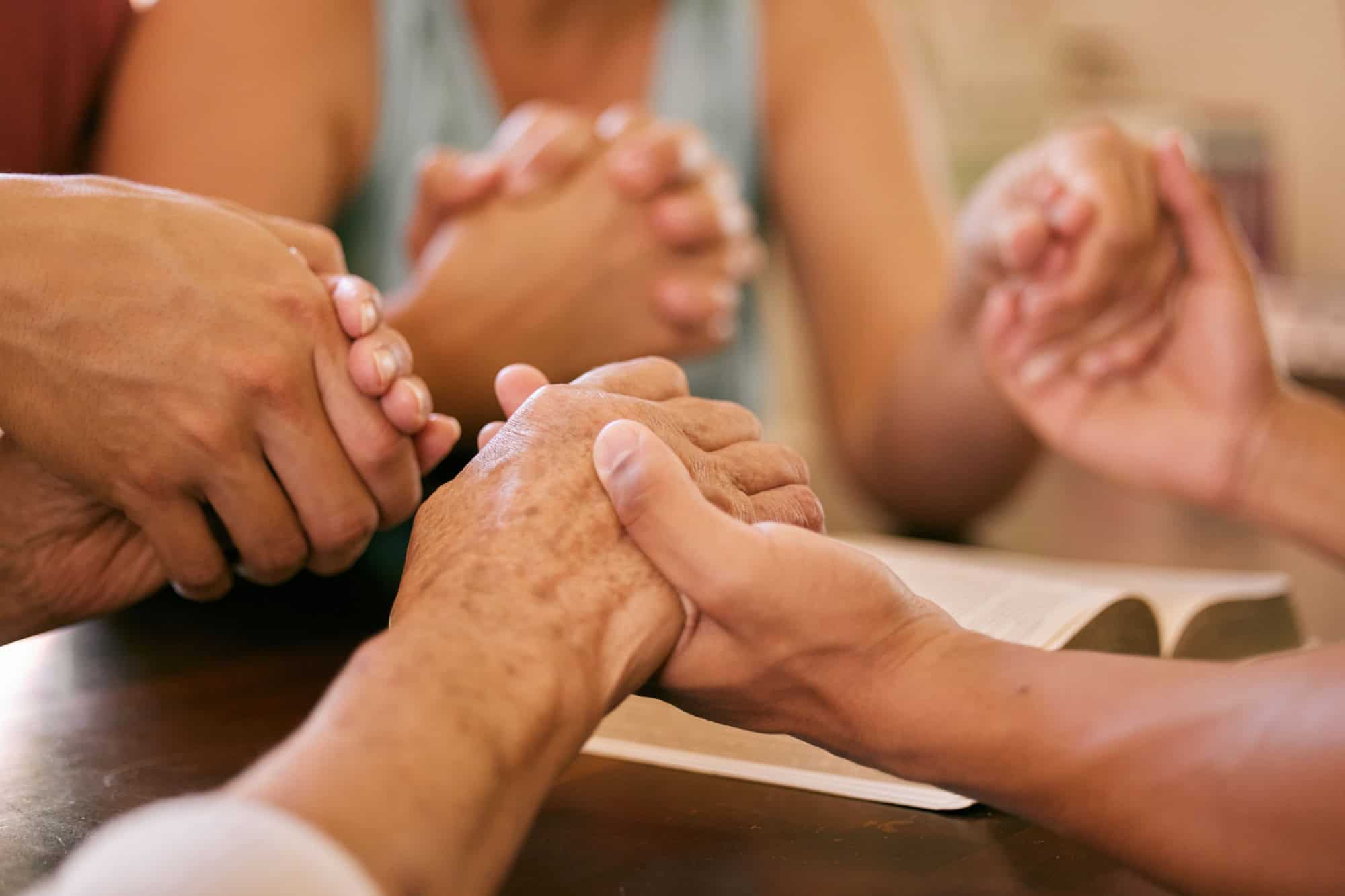
Some family rituals are not so comforting. In self-selected prayer request rounds, members are to share personal problems and silence can be seen as impoliteness. Topics that are too personal can make some family members feel uncomfortable. Family members begin arguing about both who should join the discussion and what topics should remain private.
Shared creative project tradition

Some families take on big creative projects: painting a mural, building a cabin, creating a family scrapbook. On paper it’s a chance to bond and create beauty. Disputes about responsibilities and choices arise during collaborative efforts. Some folks do the lion’s share, others just go along for the ride.
Anniversary reflection check-up

On a special day (say, parents’ wedding anniversary), some families have a tradition of asking each child what their future plan is, or how life is going. Over time it becomes a forced reporting. If someone is struggling, they feel judged; if successful, others feel overshadowed. Someone who refuses to share is being secretive.
Sources: Please see here for a complete listing of all sources that were consulted in the preparation of this article.
Like our content? Be sure to follow us.