

Whether it’s because of myths or fire, there are many places around the world that are seen as entrances to hell that you can actually visit, so long as you’re brave enough.
Fire in the sand
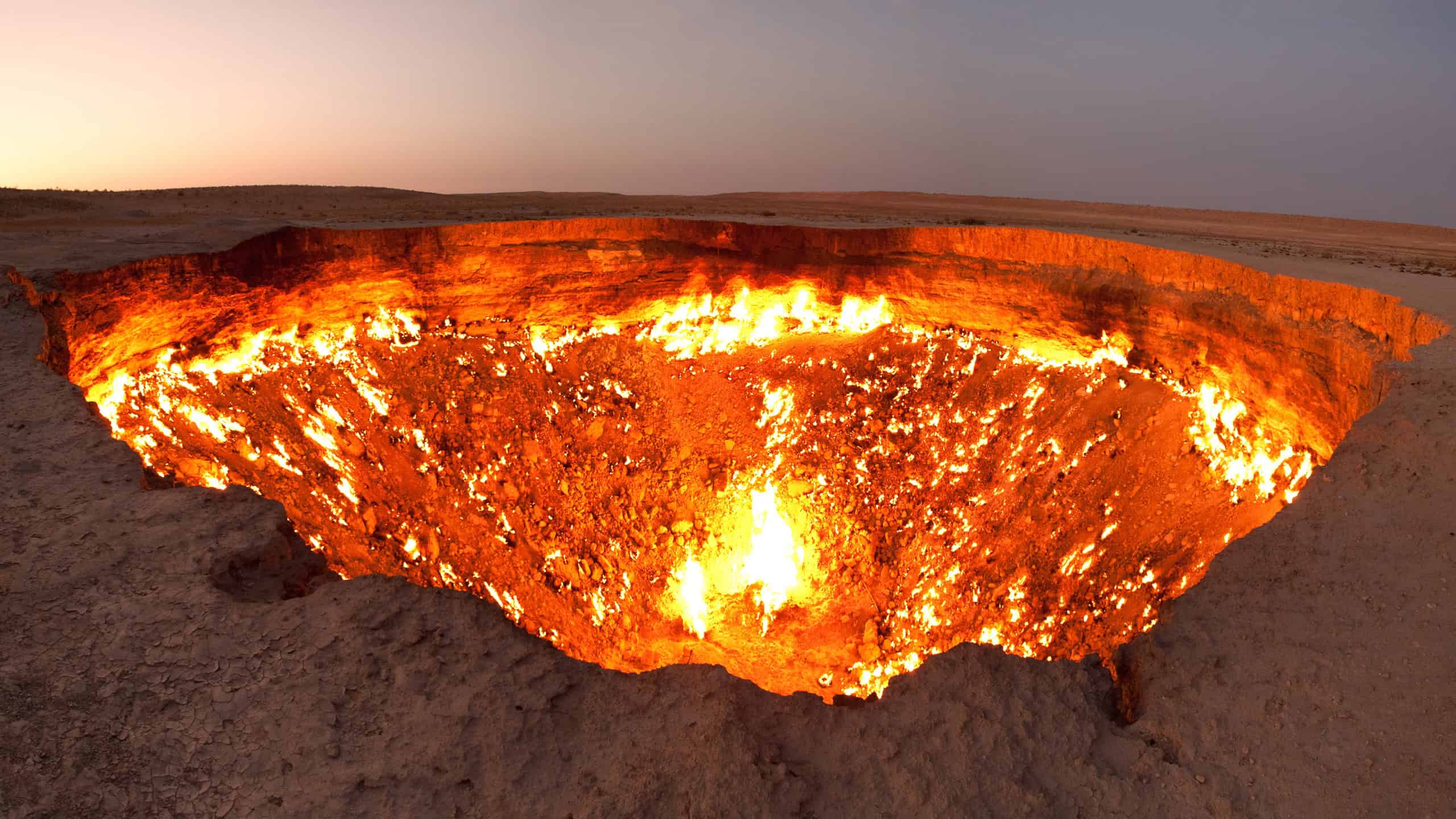
You’d hardly go for a nice evening stroll in the Karakum Desert, Turkmenistan, and definitely not once you find out about the Darvaza Gas Crater. In 1971, Soviet drilling work went wrong, and the ground collapsed, so workers set the gas on fire to stop it from spreading.
It didn’t work. The crater’s still burning all these years later, and you can actually visit the crater that’s around 30 meters deep. It looks especially amazing at night, if you’re able to stand being that close to a portal to hell, that is.
A doorway with bad air
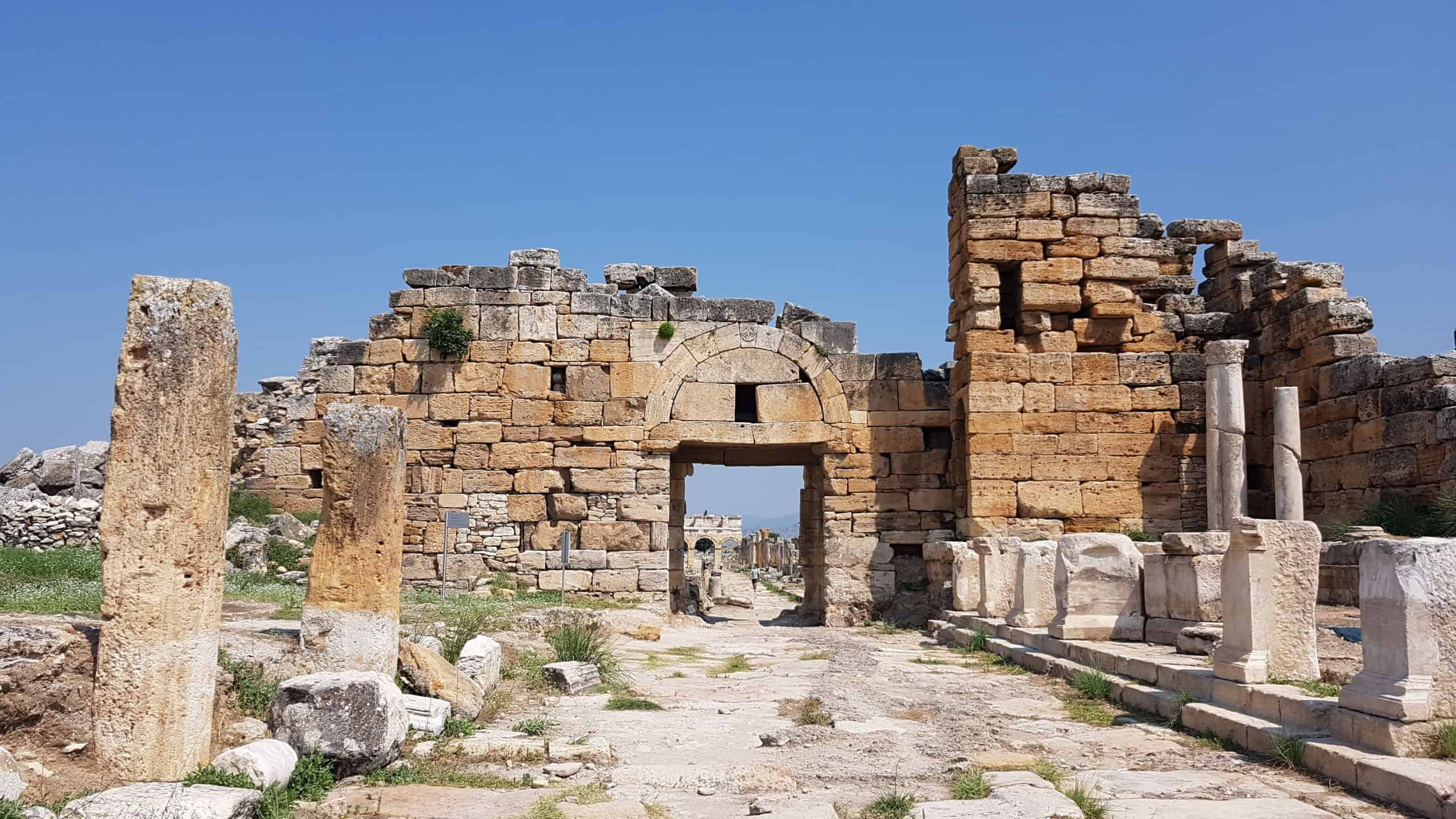
There’s a cave called Pluto’s Gate in Hierapolis, near Pamukkale in Turkey, that ancient priests used as part of a sanctuary. They linked it to Pluto, or Hades, the god of the underworld, because any animals that went near the opening died. Why? The fumes, mainly.
Modern studies have found carbon dioxide still collecting there in dangerous amounts, it’s even deadly for humans, too. That’s not to say you can’t visit the ruins today, you totally can, just make sure you don’t stick your face too deep into the cave. No need to meet Hades just yet.
Smoke above the trees
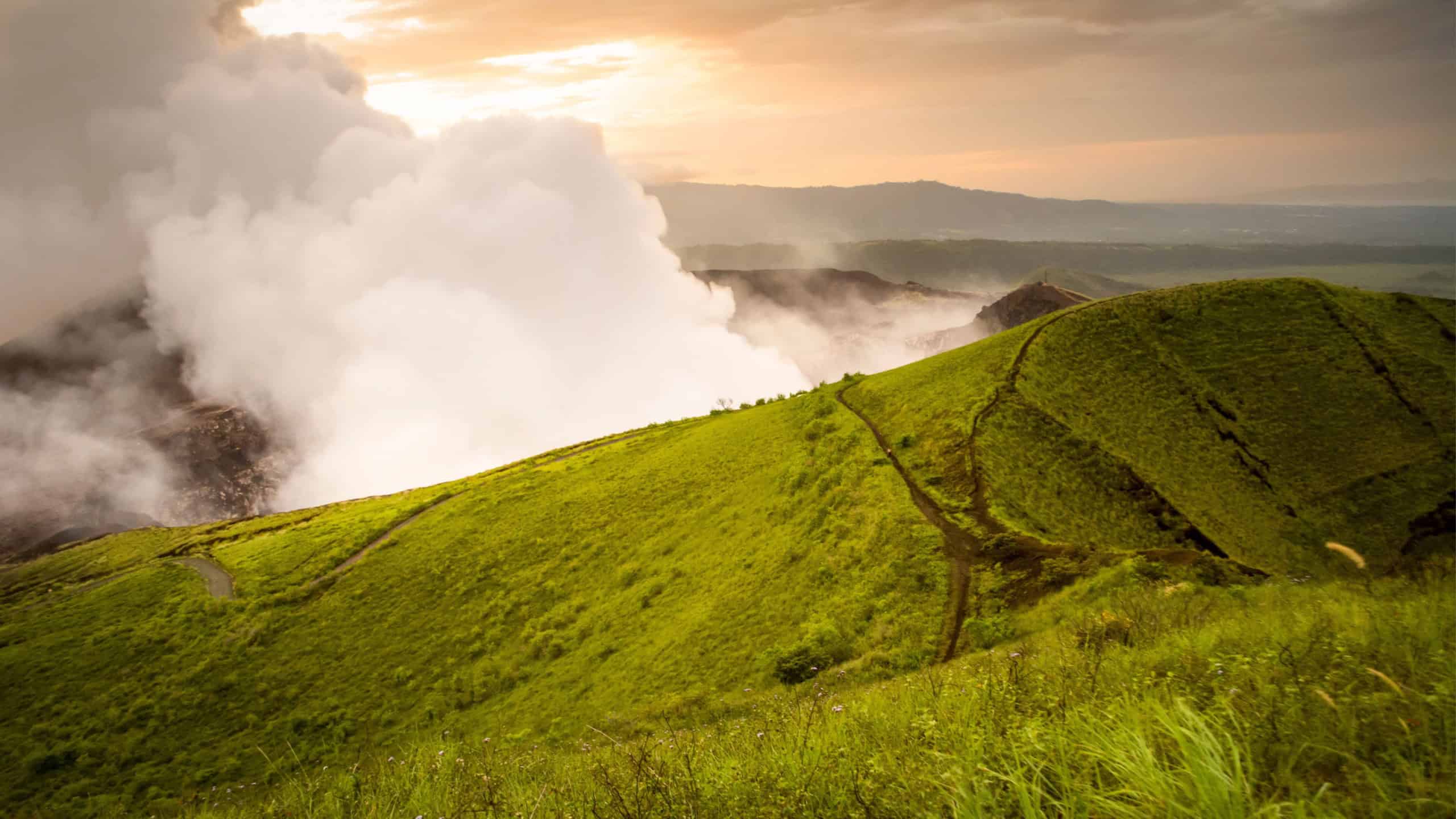
The old nickname for Masaya Volcano in Nicaragua was ‘The Mouth of Hell,’ it’s not hard to see why. The Santiago crater used to have a glowing lava lake that scared Spanish colonizers so much that a friar planted a cross there in 1528, trying to exorcise the demons.
It’s not an impossible expedition or anything, it’s only about 14 miles from Managua, and you can go up there by vehicle. Try going at night-time for some extra incredible views.
Old rumors on a ridge
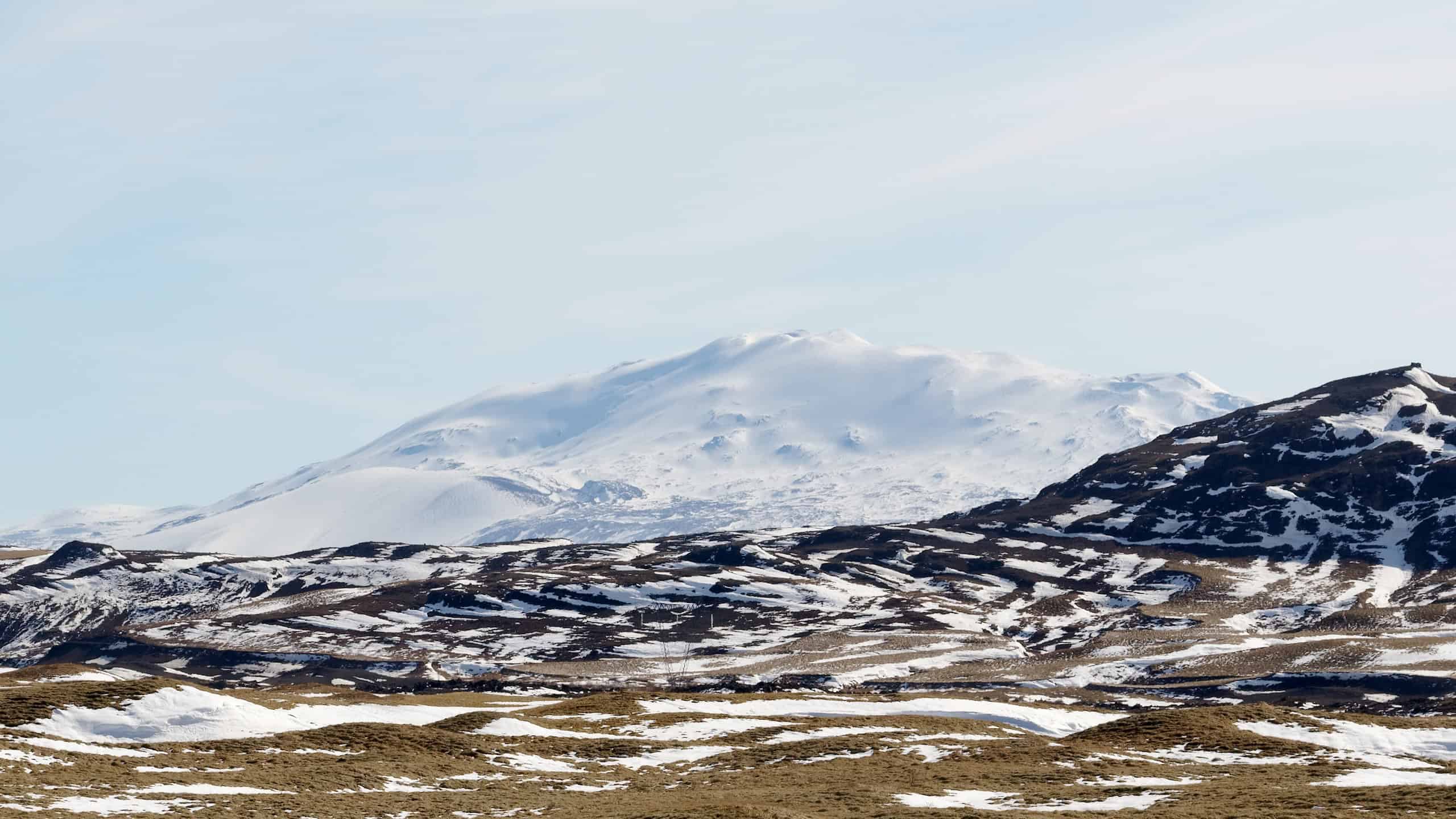
From a distance, you might think that Mount Hekla in South Iceland looks totally calm. You’d be totally wrong, though. Medieval Europeans believed it was a gateway to hell after it erupted in 1104, and it’s erupted 23 times in the last 1,000 years, so the reputation makes sense.
The mountain is about 4,888 feet tall, while the volcanic system runs for around 60 kilometers. It’s part of the South Iceland routes, and sure, you can try climbing it, just make sure you’re prepared for the steepness.
A lake that stayed quiet
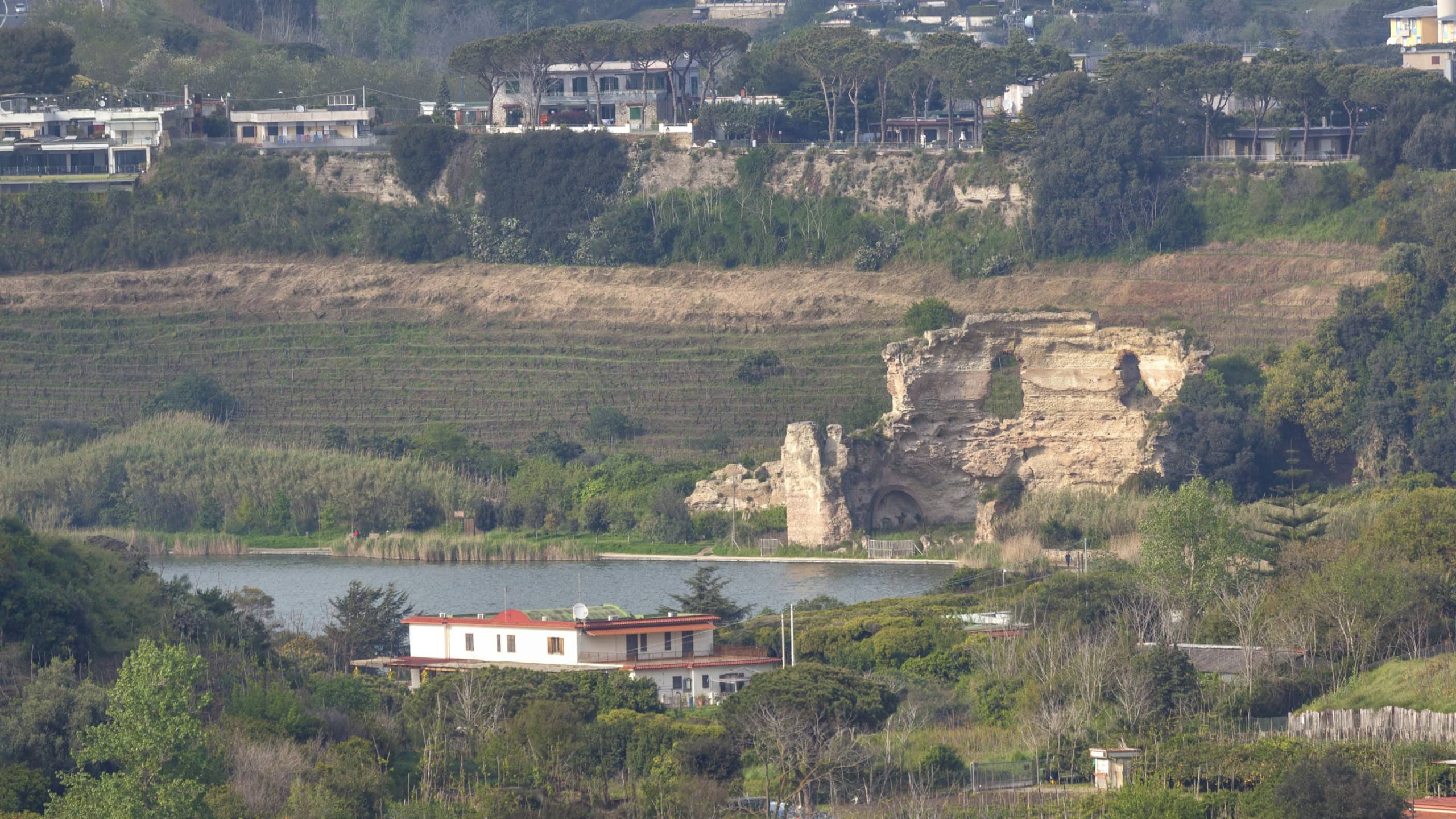
It’s easy to be fooled by Lake Avernus near Naples, Italy, because, yes, it doesn’t look especially terrifying now, it’s just a peaceful volcanic lake. But it wasn’t always seen that way. Ancient Romans believed it was connected with the underworld due to the gases there.
In fact, Virgil’s Aeneid includes a part where Aeneas, the main character, goes there before going to meet the dead. Hardly the friendliest place, is it? You can walk around the lake today, pass the old Roman remains, and feel the sense of dread that the Romans experienced.
Where the road runs out
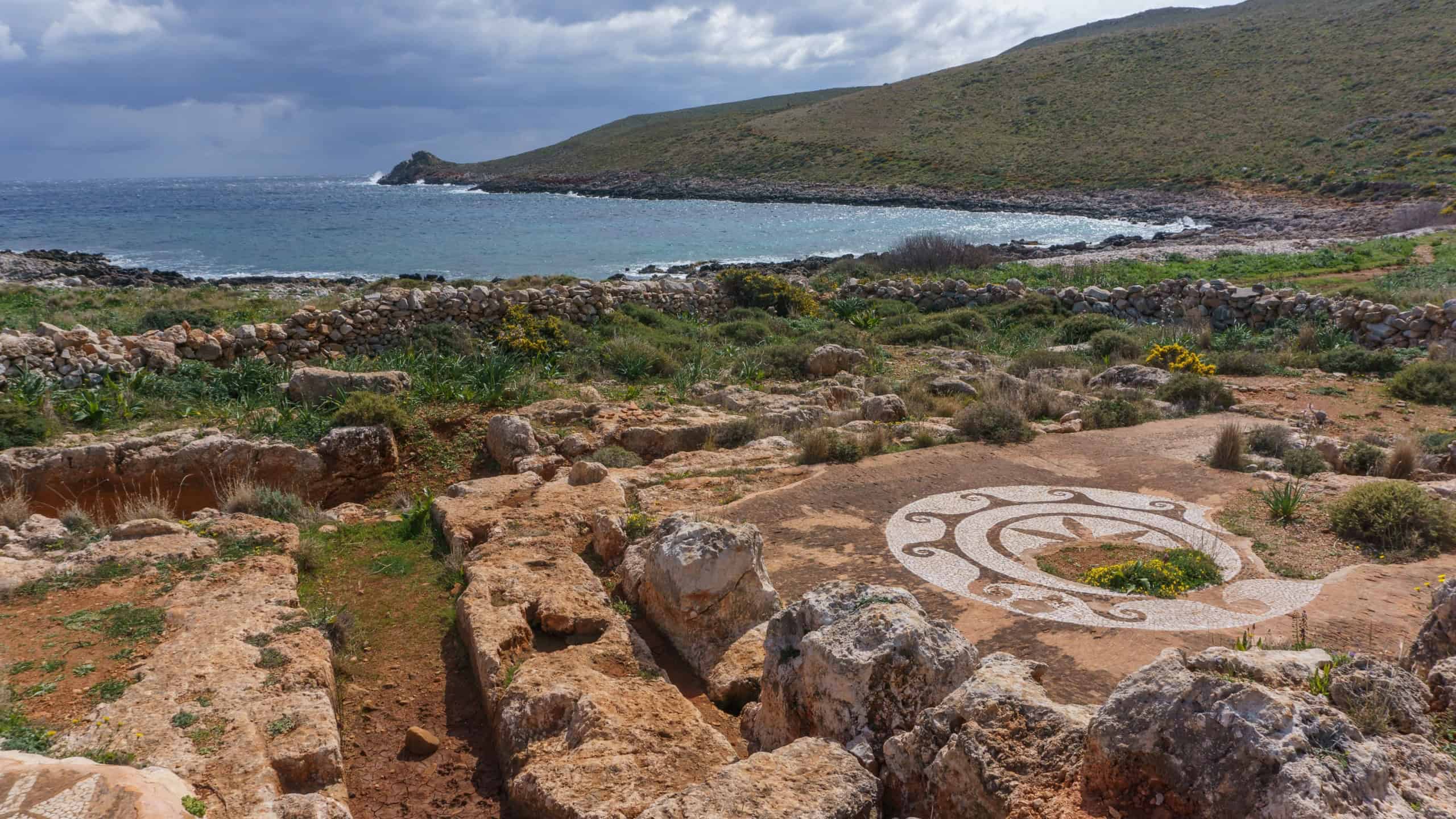
Time for another place connected to Hades. This time, it’s the Gates of Hades, found in Cape Tainaron, down at the southern tip of the Mani Peninsula in Greece. It’s clear to see why people would be so freaked out by the rocks here, the road really does seem to run out.
Ancient stories linked the cave to the Gates of Hades, and local traditions still say a hole in the rock on the western side is important. Whenever you get too scared, try going on a lighthouse walk, it should help you calm down a little.
Stone rooms by the river
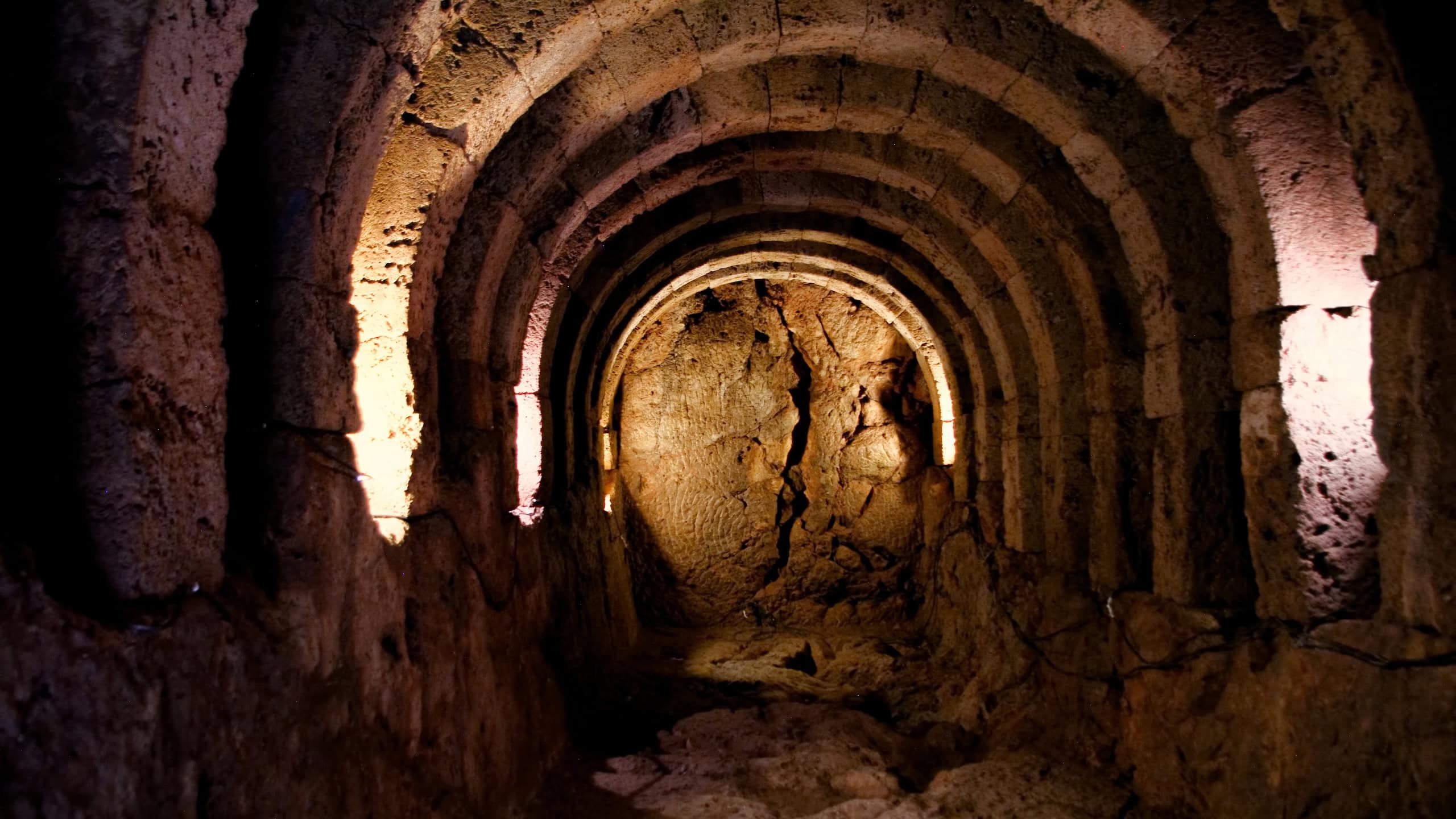
That’s not all for Greece, try going near Mesopotamos in northwest Greece. That’s where the Nekromanteion of Acheron is, a place with a name that’s hellish enough, and the landscape only makes it worse.
It has so many old stones and underground rooms that you’re not exactly going to have a cheerful vacation here. People came here in ancient times because they thought they could contact the dead, and it’s not hard to see why. It’s that spooky.
Into the water first
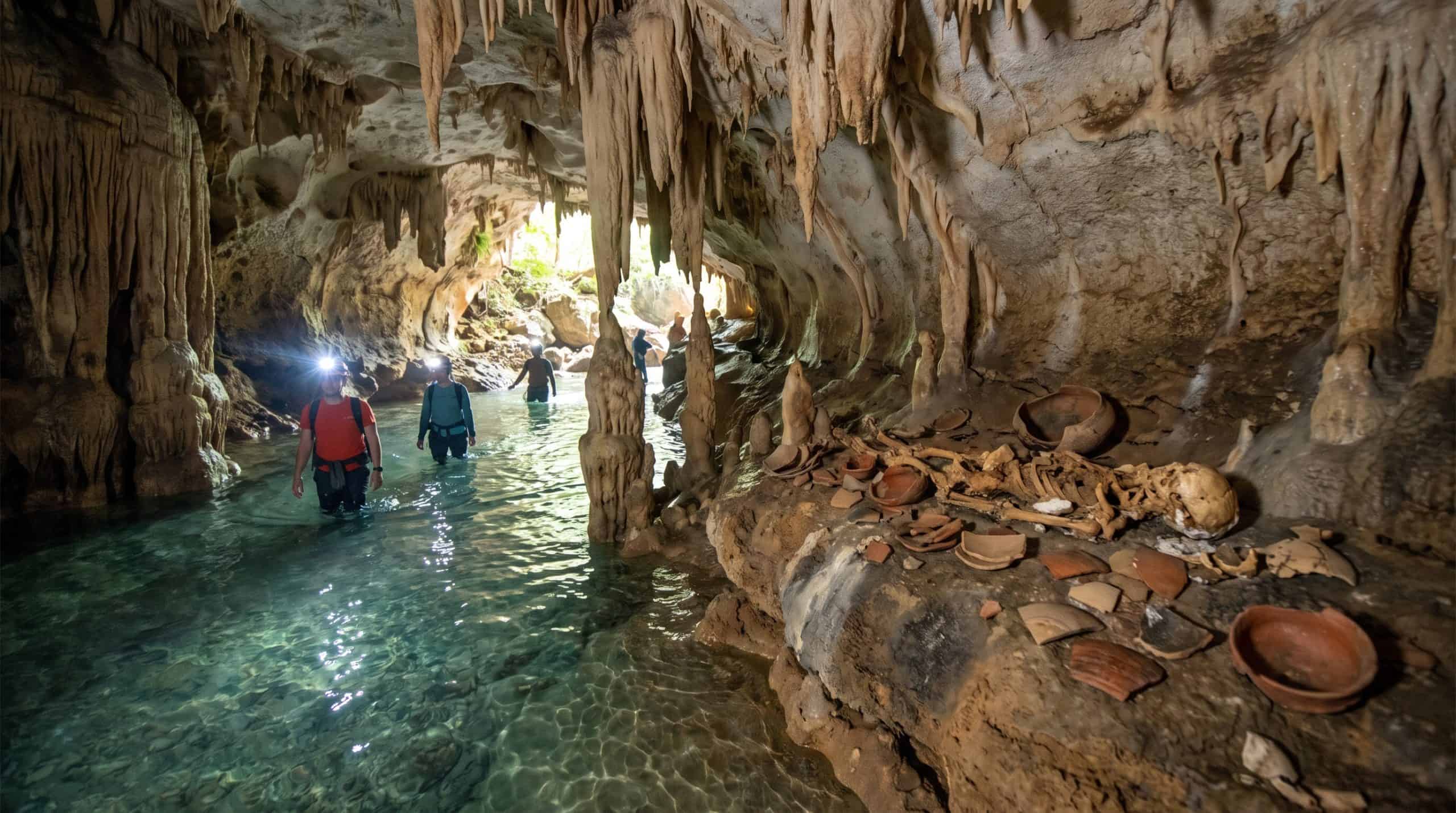
You’ll have to work a little for the underworld part of Actun Tunichil Muknal Cave in Belize, but it’s totally worth it. Yes, there’s a jungle hike, yes, there are stream crossings, and then, yes, you need to swim into the cave mouth. You’ll get there eventually, though.
The Maya linked caves like this with their version of the underworld, called Xibalba, and you’ll find all sorts of oddities inside. Ceramics, bones, a calcified skeleton called the Crystal Maiden, Actun Tunichil Muknal has it all. You will have to go on a guided visit, however.
A blue circle in the trees
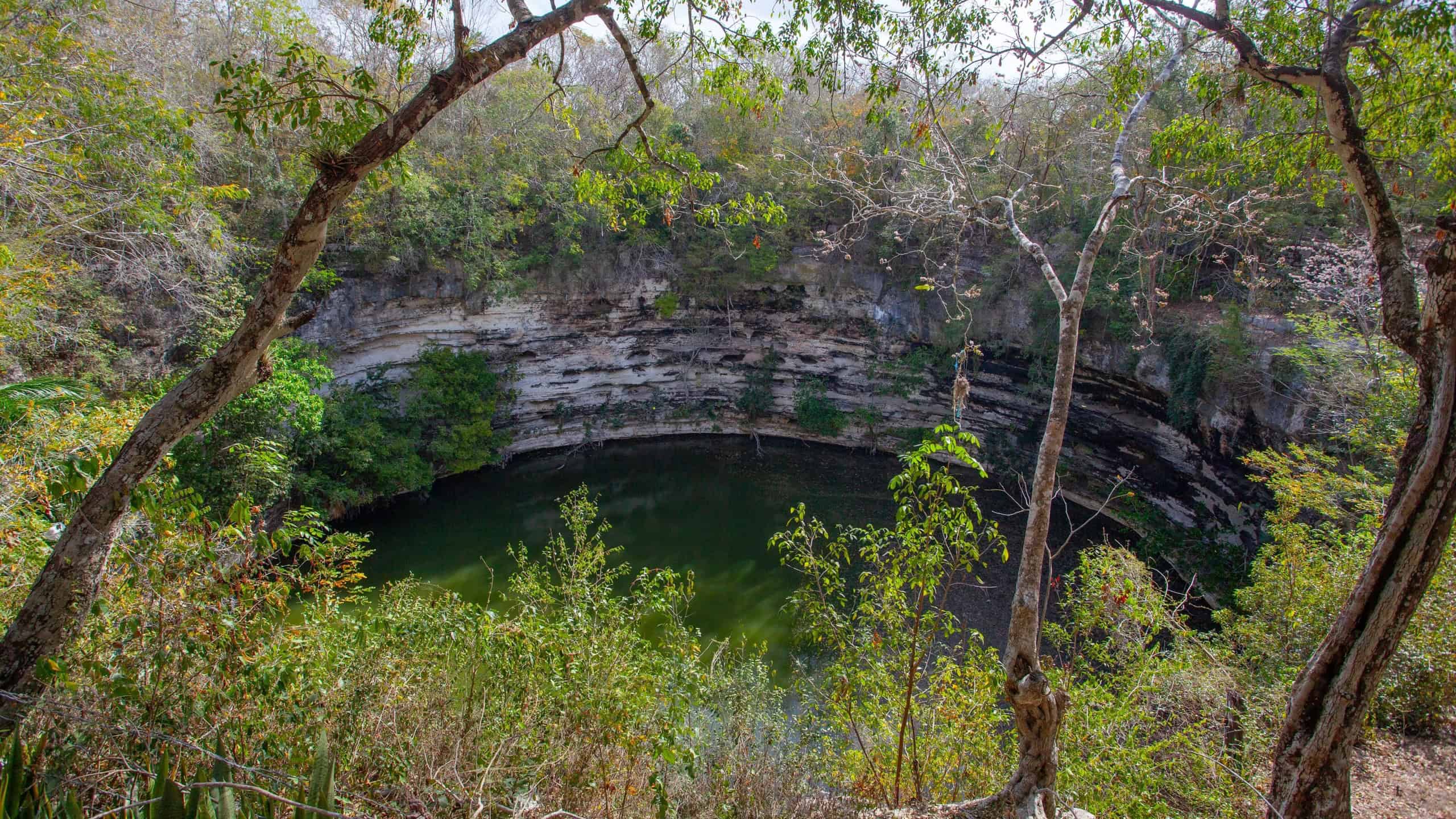
The Sacred Cenote at Chichén Itzá, Mexico, looks calm, but don’t let that fool you. The Maya believed cenotes were openings to the watery underworld, and the Sacred Cenote was particularly special, obviously, given the name.
It used to have offerings of jade, gold, copper, and, you know, human remains. You can still visit it as part of the archaeological site, although swimming isn’t the part of the trip here, it’s more of a stand-and-look kind of place.
Sources: Please see here for a complete listing of all sources that were consulted in the preparation of this article.
8 things Jesus actually taught about hell
Key ideas Jesus shared about hell, including fire, darkness, judgment, and consequences.


