

Your dog isn’t just staring at you waiting for treats, he can actually sense your hormones and know when your vibe changes.
Intense staring

You think your dog is staring at you because they want food. Truthfully, they’re probably watching you for something else. Something more subtle than your next meal.
Your dog can sense even the slight changes in your expression. You could be smiling on the outside, but inside you might be tense or frustrated.
And those little facial cues (scientists refer to them as ‘micro expressions’) help them read your true emotions.
Repeated nudging

Dogs have extremely sensitive noses. So when they suddenly fixate on smelling your knee, rib cage, or neck repeatedly, there’s a strong chance they’ve picked up on a localized spike in body temperature or emissions from your skin that aren’t matching up with the surrounding area.
There are thousands of anecdotes detailing dogs who have alerted their owners to various skin cancers and internal infections by constantly licking/chewing, pawing, or sticking their nose into healthy-looking skin. Need more proof?
Biologically speaking, they are reacting to unstable ‘volatile organic compounds’ released from cancer cells or infected tissue. When something smells off to your dog and their brain highlights the scent, they won’t stop circling until you figure out what’s wrong.
Body blocking
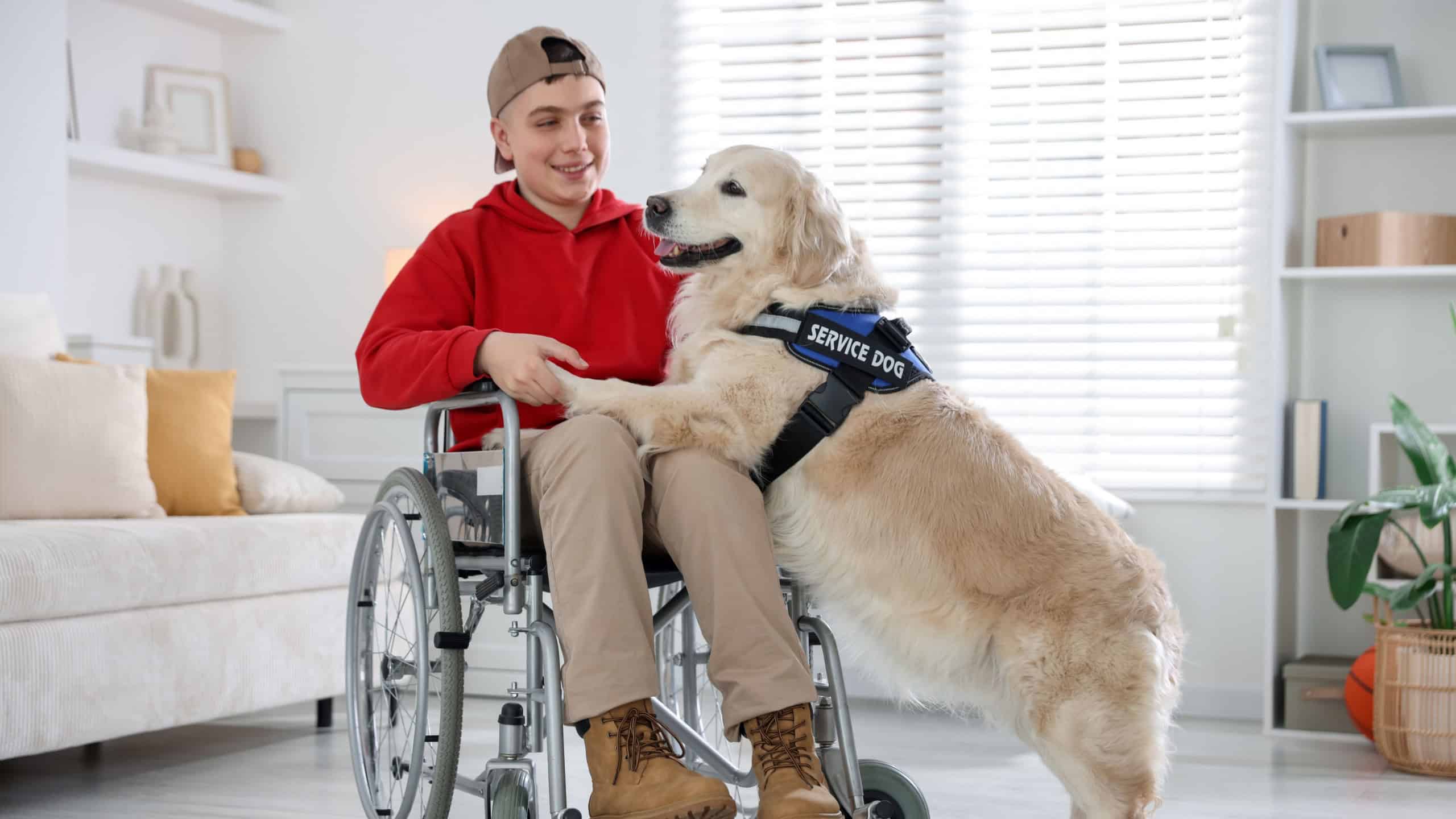
Dogs frequently position themselves against your legs or shins, offering pressure when they sense you’re in trouble, like during a panic attack or a drop in blood sugar.
They may be doing this subconsciously to ground you or prevent you from walking into something dangerous (like a staircase) if they know you’re about to collapse.
Service dog trainers take this innate ability and train “Deep Pressure Therapy” into their dogs to help calm an erratic human nervous system.
Night watch dog

Sometimes your sleeping puppy who usually sleeps at your feet suddenly leaps into action in the middle of the night and paces, sits up, or stares at you as if something is wrong.
When your sleepless nights cause your breathing to change, your dog’s super sniffer senses it.
Dogs want to ensure you’re okay by laying by your side or watching over you. The moment they know something isn’t right, they put aside their usual puppy antics and switch into protector mode.
They know something isn’t right even if you don’t.
Ignoring favorites
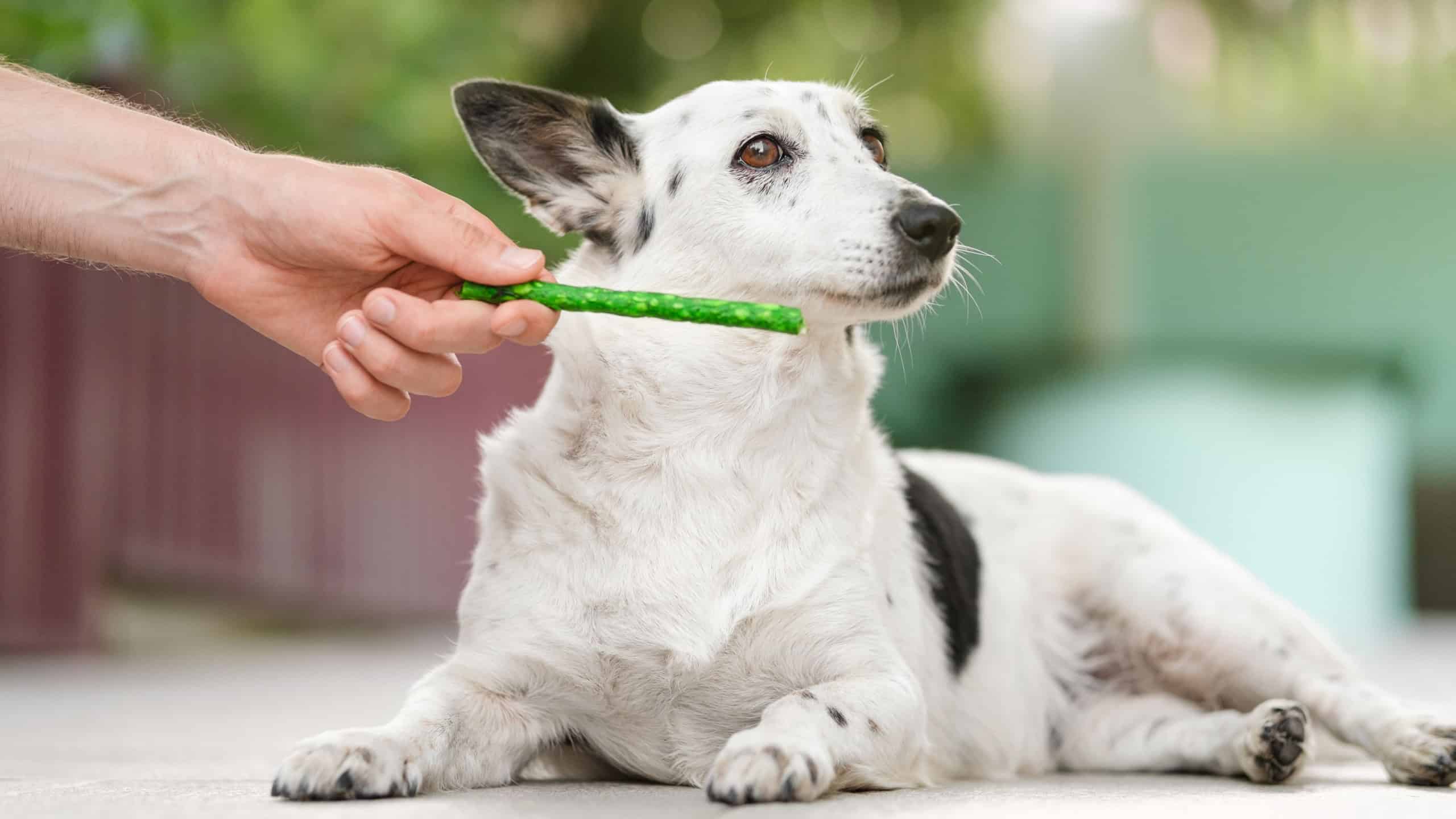
Occasionally, you’ll know something is off by their total lack of interest.
When your pup is otherwise healthy but turns their nose up at their favorite squeaky toy, or walks away from their bowl of food as you’re feeling under the weather, they’re probably mirroring your depressed energy levels.
Dogs are easily affected by what’s called “emotional contagion,” which basically means they take on their owners’ physiological stress response.
One study at Linköping University found that dogs’ long-term stress hormones (identified through hair cortisol) actually mirrored their humans’.
The whale eye
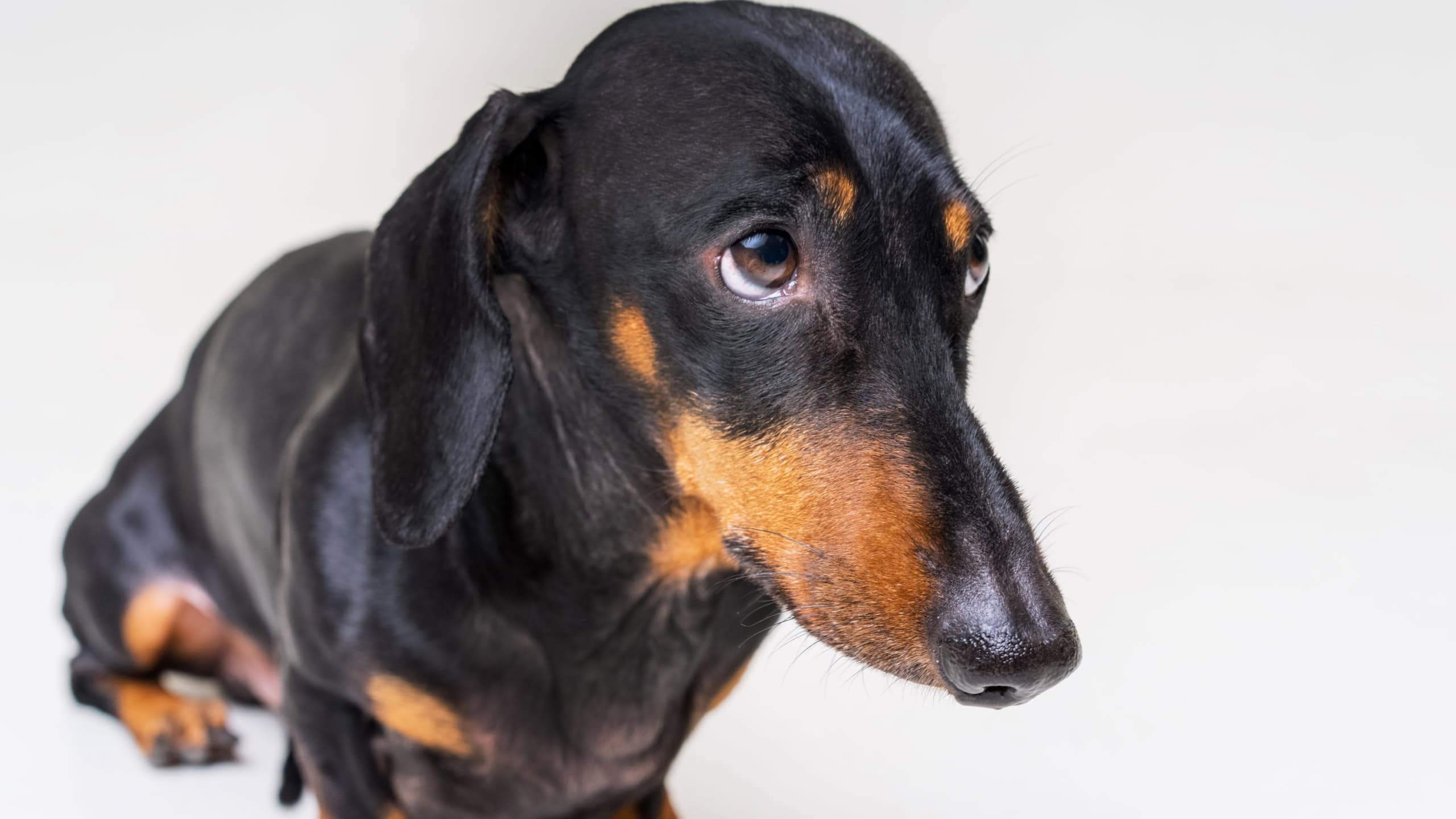
When you’re radiating suppressed anger or intense anxiety, your dog could start showing “whale eye” or cower, even without any yelling from you.
It’s not about guilt; they’re reacting to the subtle signals your body is broadcasting.
Dogs can actually pick up on your stress and anger through the scent of your sweat, which carries adrenaline. Their sense of smell might be detecting a potential danger in the environment.
Room scan
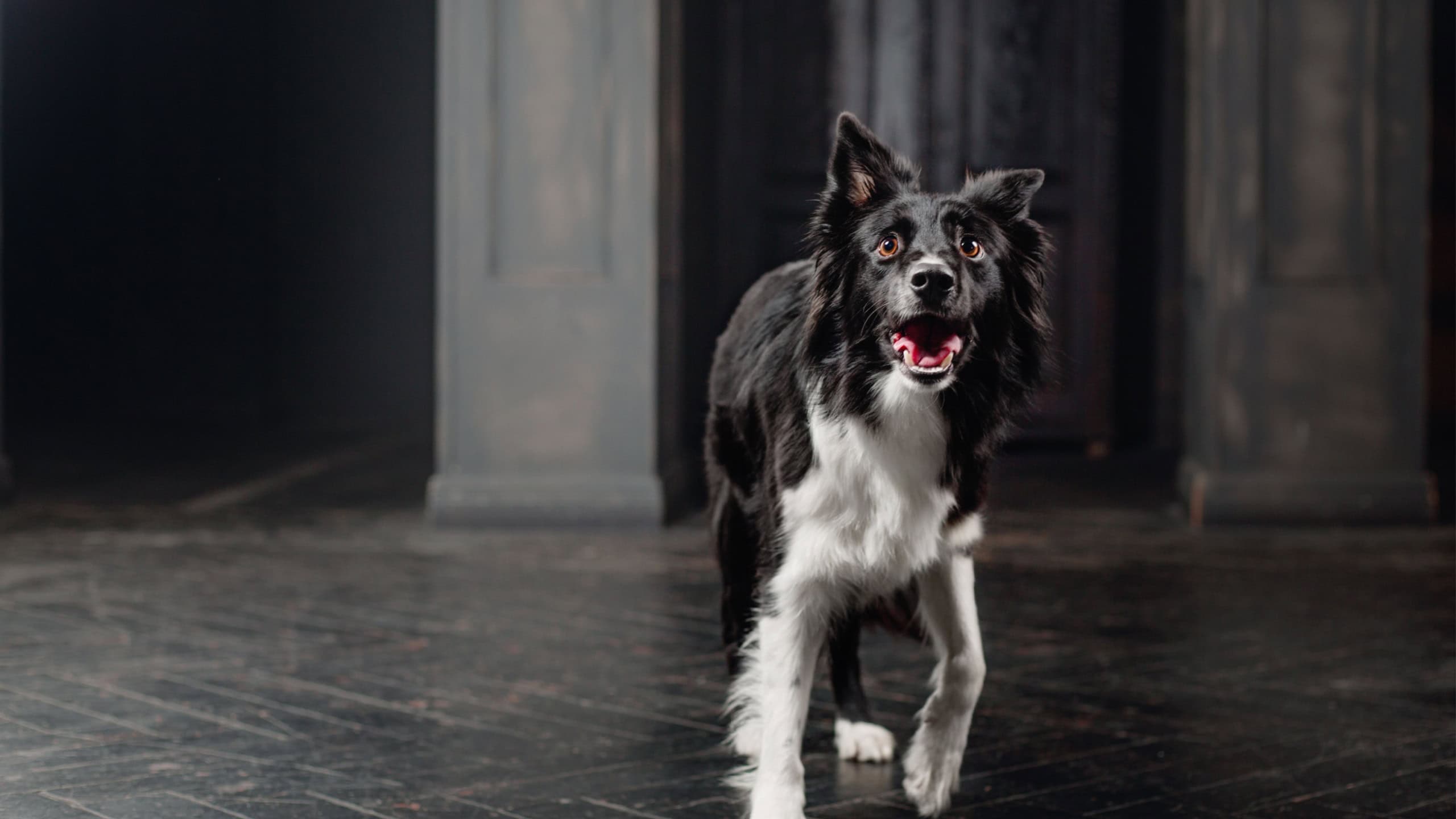
Does your dog ever seem to investigate the room, barking at thin air, when you’re feeling unwell or stressed? Basically, they can smell your anxiety and are trying to figure out what’s stressing you out so badly.
Because they don’t grasp the internal source of your anxiety, like a migraine or heart palpitations, they will search every crevice of the room to determine what could possibly be setting you off.
Once they land on nothing, they’ll go back to cuddling with you. Searching is part of their caretaker job description.
Frantic licking

We all know how dogs greet us with a couple of licks when we walk through the door.
But when you can’t shake them off your hands, or they are licking your face with severe intensity, they may be trying to alleviate your stress hormones or comfort you with steady sensory input.
Dogs get a little endorphin boost from licking. And it’s also how they try to comfort themselves when they sense our internal shifts during a health crisis or emotional turmoil.
Sources: Please see here for a complete listing of all sources that were consulted in the preparation of this article.


