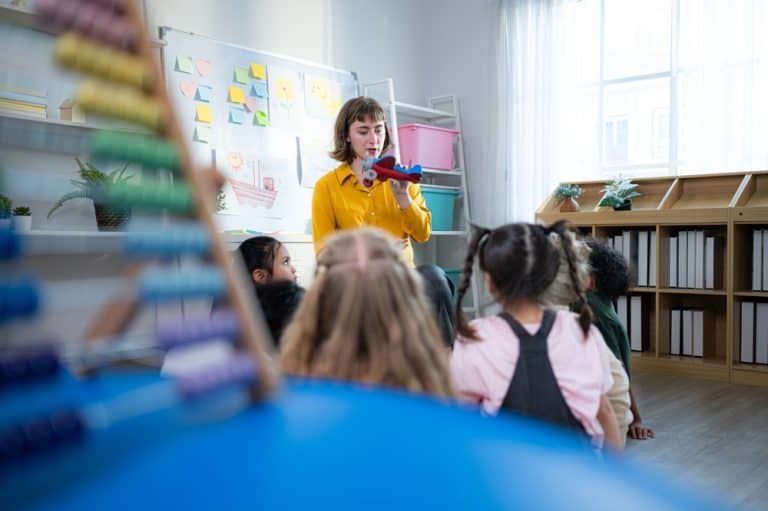

School has changed a lot over the years, including the subjects that kids learned at school, and some of the things our parents studied were very different from today.
A secretary’s special language
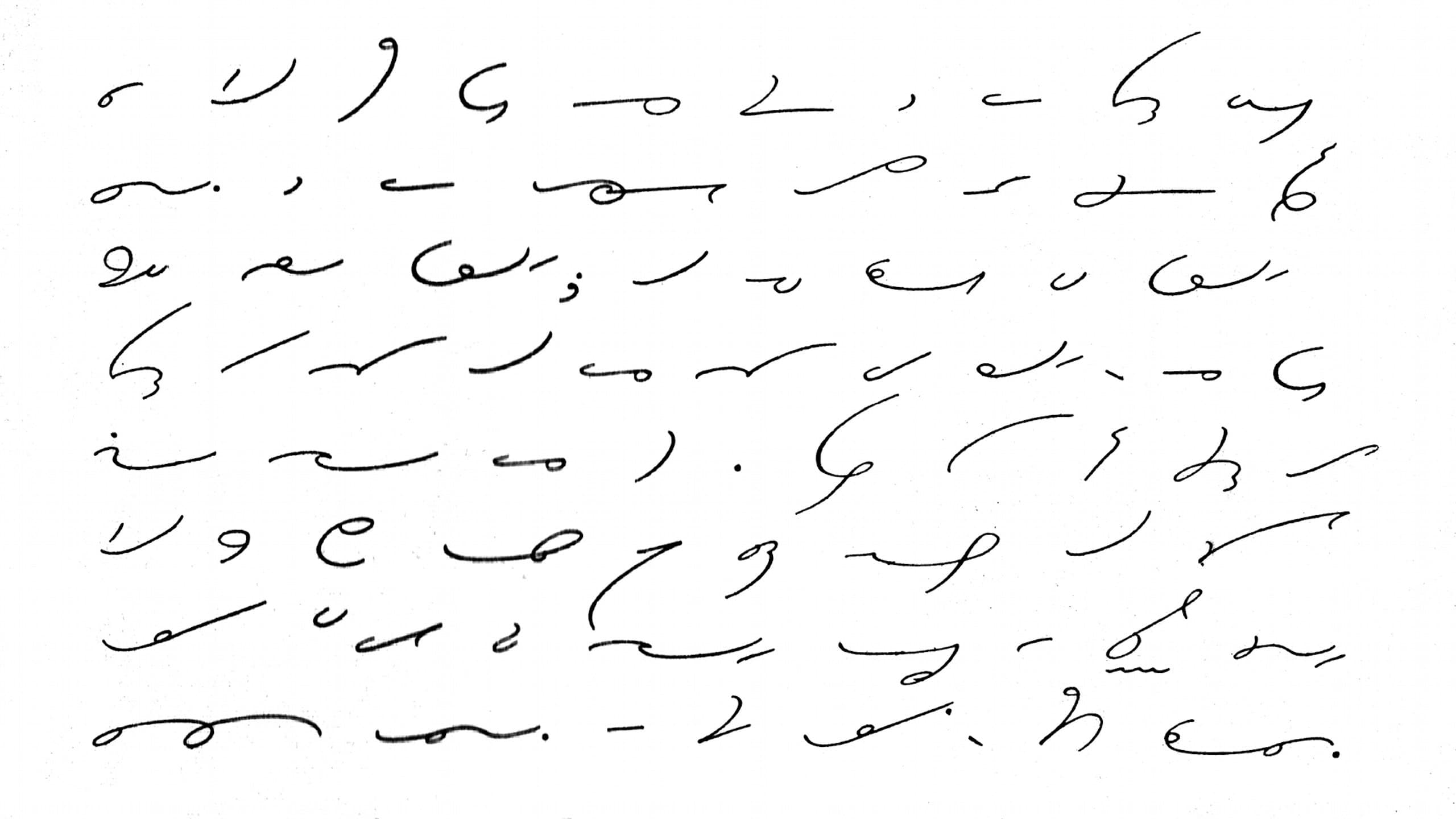
It can get pretty annoying when you have to take notes in class. However, some of our parents had to learn a whole new writing system to do just that, and it was part of something called ‘shorthand.’ They’d learn to write using small symbols, rather than regular words. The Gregg system was one of the popular ones. Students would practice writing down sentences using shorthand while their teachers spoke. But kids today don’t learn shorthand because computers and recording devices have made taking notes much easier.
Balancing the books
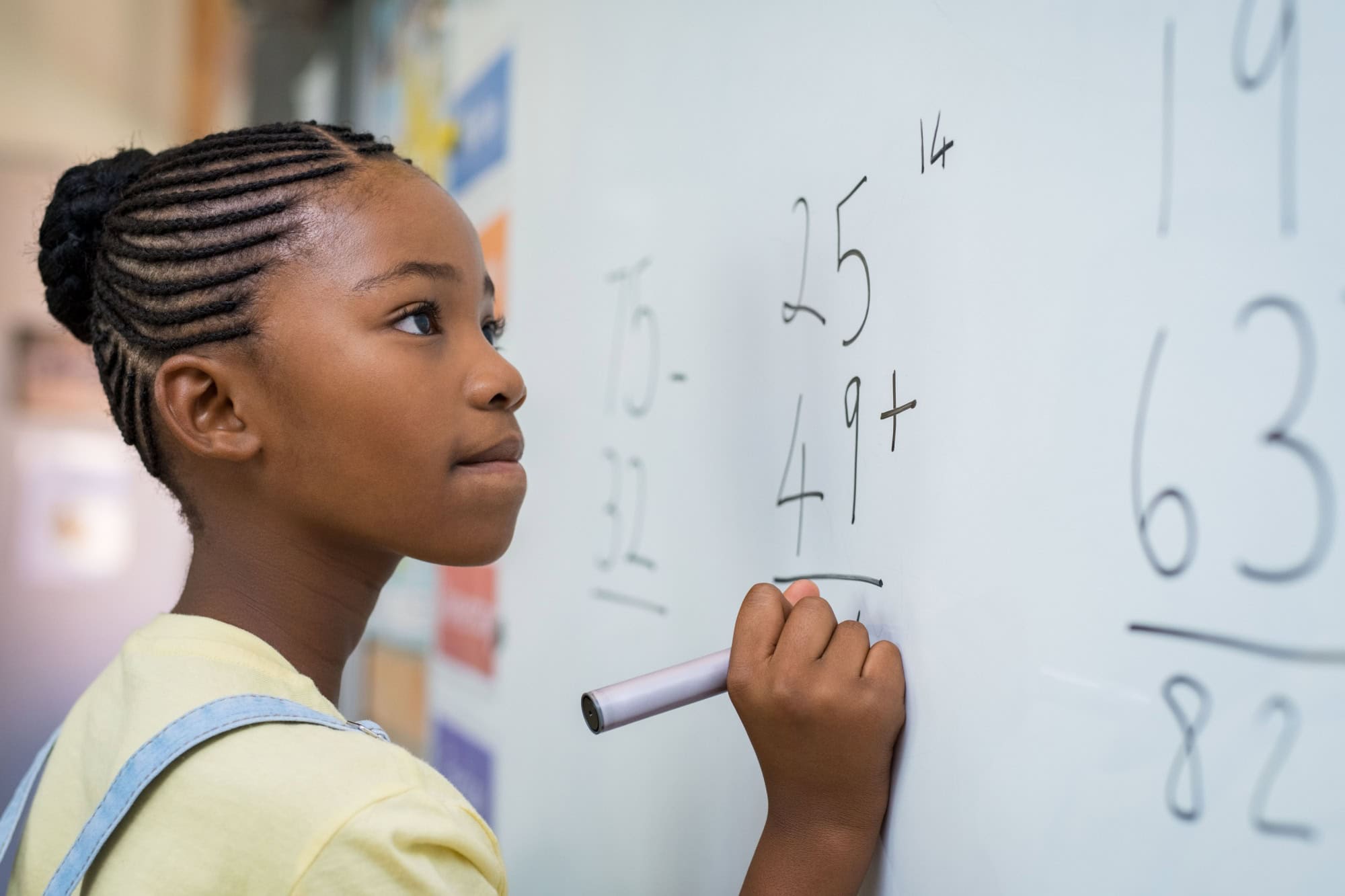
You couldn’t simply blame a calculator for making mistakes in a traditional bookkeeping class. No, you had to do everything yourself. Students would learn to keep track of their financial transactions using handwritten journals and ledgers, making sure to carefully record each detail. Anytime that you made a mistake, you had to manually go back to find exactly where it was. Bookkeeping was one of the most important business subjects in American high schools during the 1930s. Yes, accounting still exists today, but most of the work is done on computers. There’s far less writing involved.
Drawing with perfect precision
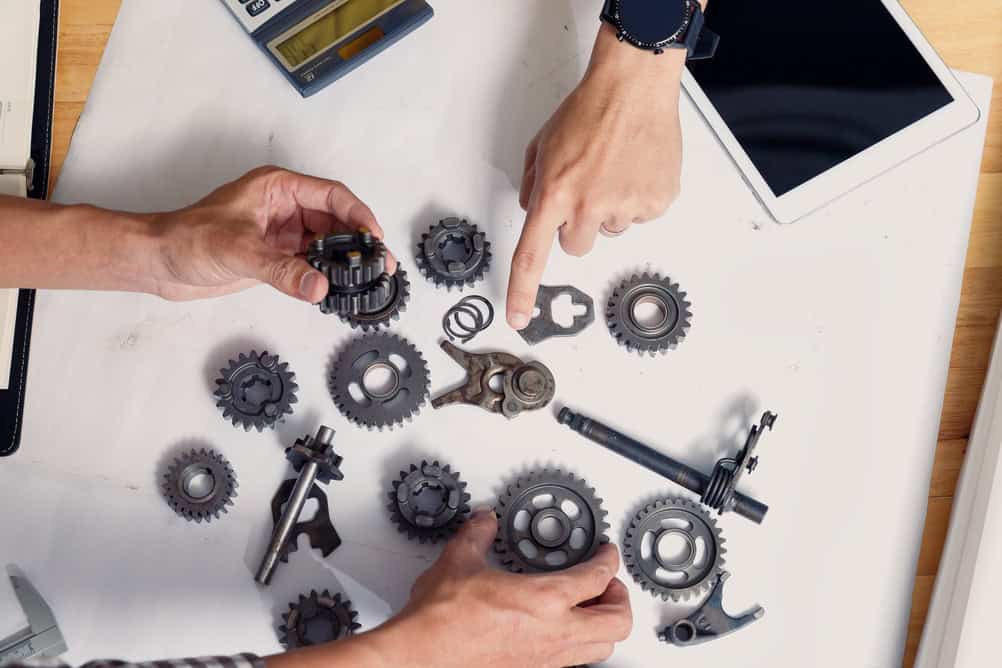
Mechanical drawing class wasn’t as fun as it might sound. Using a ruler and a compass, you had to draw machine parts from different angles. Everything had to be exactly the right size. In some classes, you also had to do orthographic projection, which involved showing the front, side, and top of an object. Good luck if you made a mistake. There was no ‘undo’ button. These days, most students learn how to do technical drawing by using computer software, making the process entirely different. It’s a lot easier, that’s for sure.
Making clothes from scratch

Anyone who’s tried sewing a zipper into a pair of pants will know how fiddly it is. Turns out, that’s something students used to learn about as part of dressmaking classes. They’d take measurements and cut out patterns. Then, they’d make their own clothes using sewing machines. The students who were more advanced learned how to make suits with proper linings and collars. Dressmaking was a part of home economics, although today, sewing has become an optional subject. It’s not even available in many schools.
Learning how to speak properly
There’s a correct way to move your hands while you’re talking. At least, that’s what students learned in elocution classes, and they’d practice speaking clearly while using the ‘right’ gestures. They’d even have to practice their breathing. During the 19th century, elocution was a regular part of the American education system, and it was pretty theatrical by modern standards. Students obviously still give speeches today. The thing is, though, they don’t have a dedicated class on how to stand and move their arms according to elaborate rules.
Lessons from the Cold War
Communism was a pretty big concern during the Cold War, even for school students. In fact, the worry was so big that educators in Florida decided that teenagers needed to study it at school. They introduced a compulsory ‘Americanism versus Communism’ course in 1961 for high school juniors and seniors. The course would teach students about the differences between communism and the American political system. It wasn’t until 1983 that the state dropped the requirement and introduced compulsory economics lessons instead.
Reading the ancient classics

You’re not going to find an Ancient Greek class in most local high schools today, and that’s quite a big change from the past. It used to be a very normal part of classical education. As you might expect, students had quite a lot to learn, including memorizing an entirely different alphabet. They’d later translate works by ancient writers like Homer and Plato. But the subject eventually stopped being popular, to the point where fewer than 150 public high schools teach it. The classics are no longer classic.
The science of avoiding alcohol
Scientific temperance was once such a big part of American education that, by the late 1890s, 41 states had laws requiring schools to teach it. The subject was meant to teach children about the dangers of alcohol. Lessons looked at how drinking affected different parts of the body. The science itself wasn’t exactly, well, scientific, and several books made exaggerated claims about alcohol’s effects. Still, the class was around until the late 1930s. The end of Prohibition was pretty much the end of scientific temperance classes.
Sources: Please see here for a complete listing of all sources that were consulted in the preparation of this article.
13 now-useless skills every person over 40 developed that no one even uses anymore

In the days before phones thought for us and documents fixed themselves, people had to learn some strange skills to get through each day.
13 now-useless skills every person over 40 developed that no one even uses anymore
