

In the days before phones thought for us and documents fixed themselves, people had to learn some strange skills to get through each day.
Tiny buttons, big patience
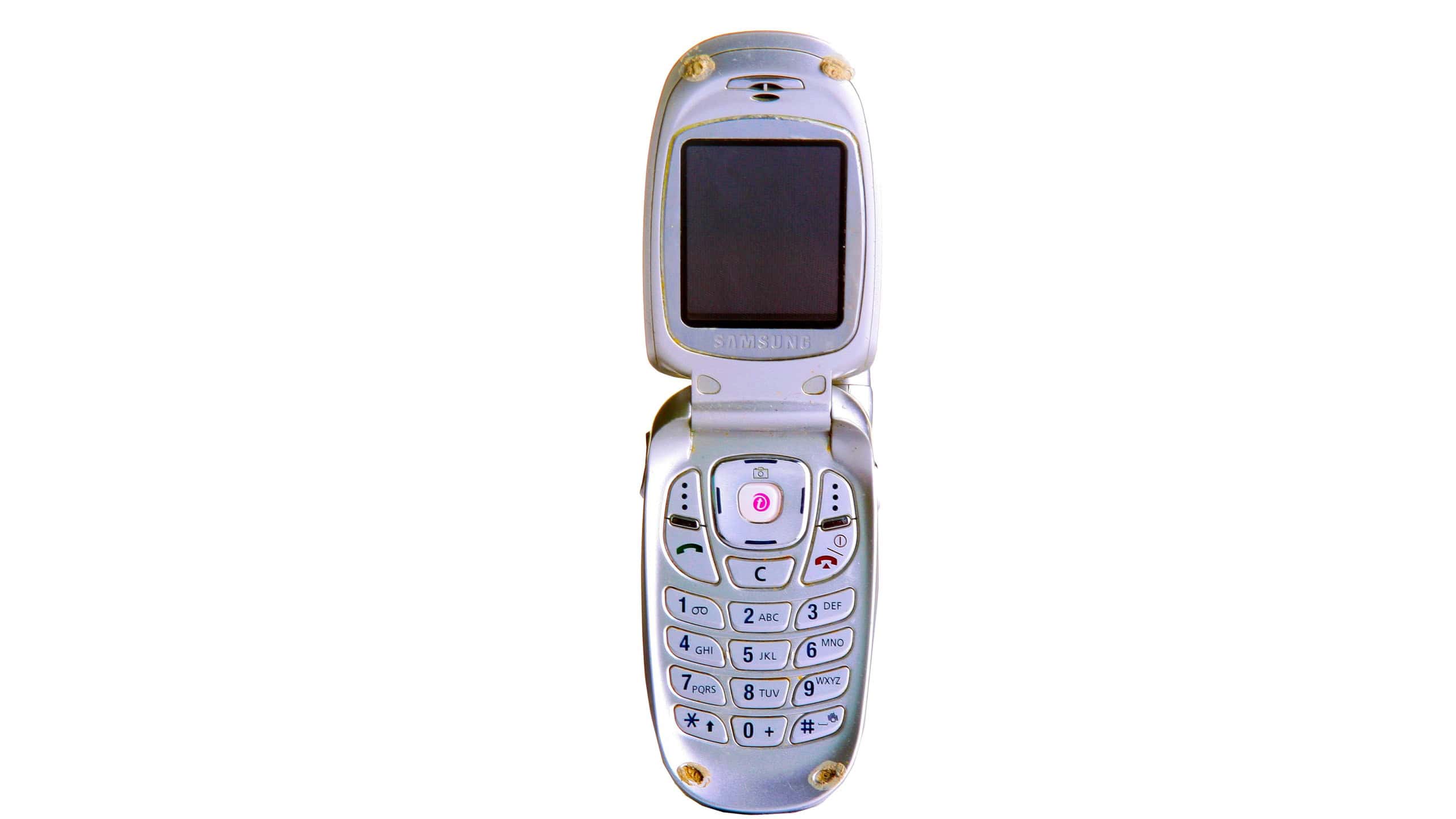
There was a time when phones had only twelve buttons and a tiny screen. That was when you had to learn how to text quickly, using something called the ‘T9 method.’ It involved knowing exactly where the letters were and catching the word predictor when it said the wrong thing.
People got pretty fast at using the T9 method. These days, though, nobody needs to bother with that skill because we’ve got full keyboards on our screens, and you can even use your voice to send a message, too. No more T9 thumb texting.
The total in your head
You had to be good at mental arithmetic. You had no other option. When you went to the store and saw something like a ‘25% off’ sign, you needed to know how to work out the price. Don’t forget about adding tax, too.
It was a similar story in restaurants, where you’d need to work out tips without using an app or a calculator on your phone. But it’s not like that anymore. You don’t even need to bother doing math because the screen usually tells you exactly how much you’ll be paying.
The almost-perfect spot

Finding a radio station was its own kind of skill because there was no way of simply pushing a button to get music. No, you had to start by turning the dial slowly until you went past the wall of static. Then you’d back up a little.
It was a real effort trying to adjust the dial precisely enough so that you could hear some good old-fashioned tunes. You needn’t bother today, though. Radio itself is dying, and the ones that do exist are mostly digital, so you’ll basically never get any static. Buffering’s the hardest part.
The fast little marks
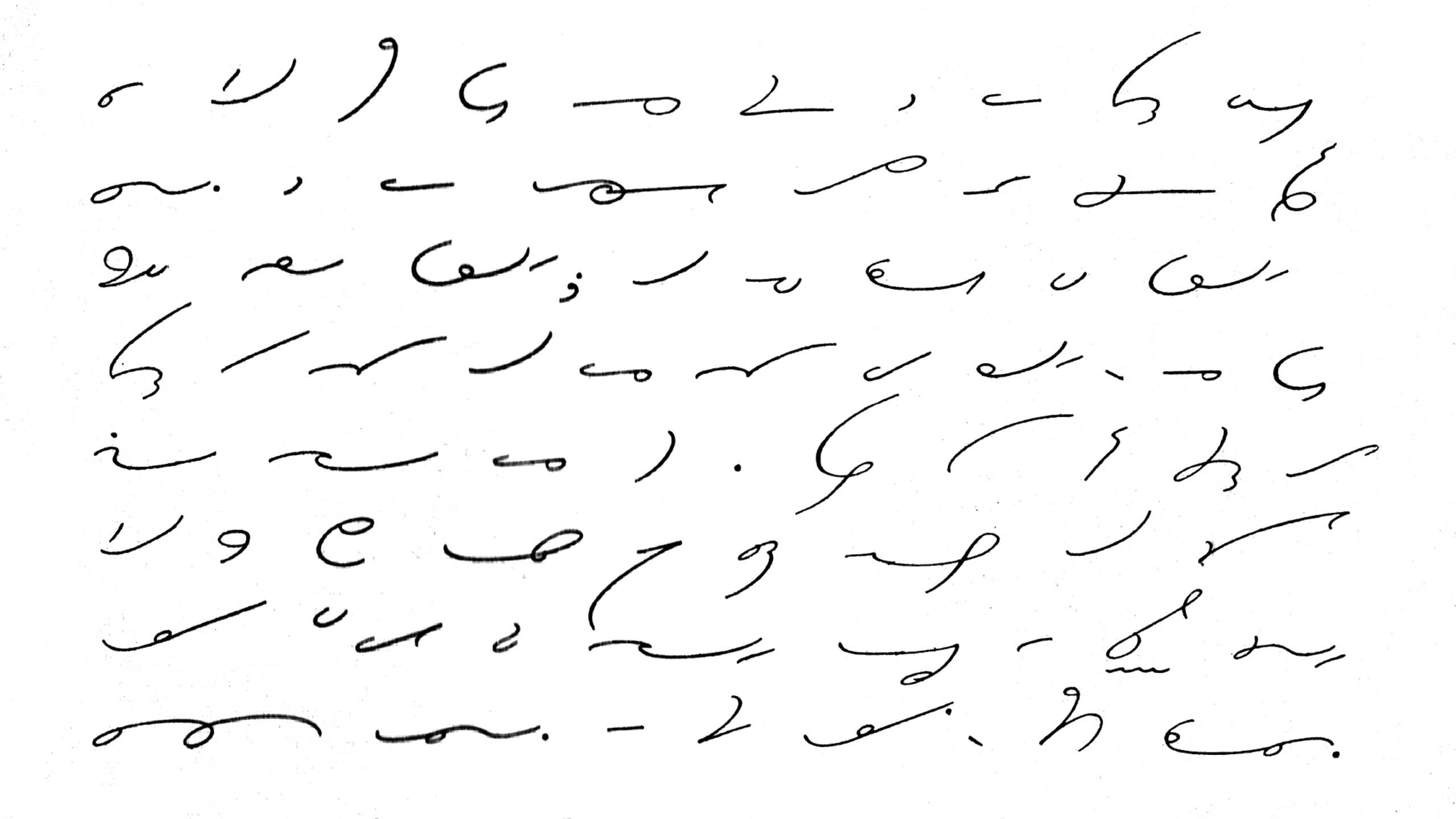
It’s kind of hard to believe today, but back in the past, many offices treated shorthand like a serious professional skill. Because it was. People over in the UK relied on the Pitman shorthand method, while here in America, Gregg shorthand was way more common.
But there’s really no need for shorthand anymore. You’ve got voice recorders, and you’ve got auto-transcripts, as well as meeting apps that write down the whole thing. Why would anyone bother using shorthand?
A message made of numbers

Pager codes. They were their own kind of language, too, and you had to work out exactly what the numbers meant when someone sent them. No, 143 wasn’t a typo, it was someone saying they loved you.
It was a skill, being able to work out what a string of numbers was saying. That all changed when texting became the norm, though. No need for any mysteries because you could say what you mean and mean what you say, with real words instead of numbers.
The paper went where?
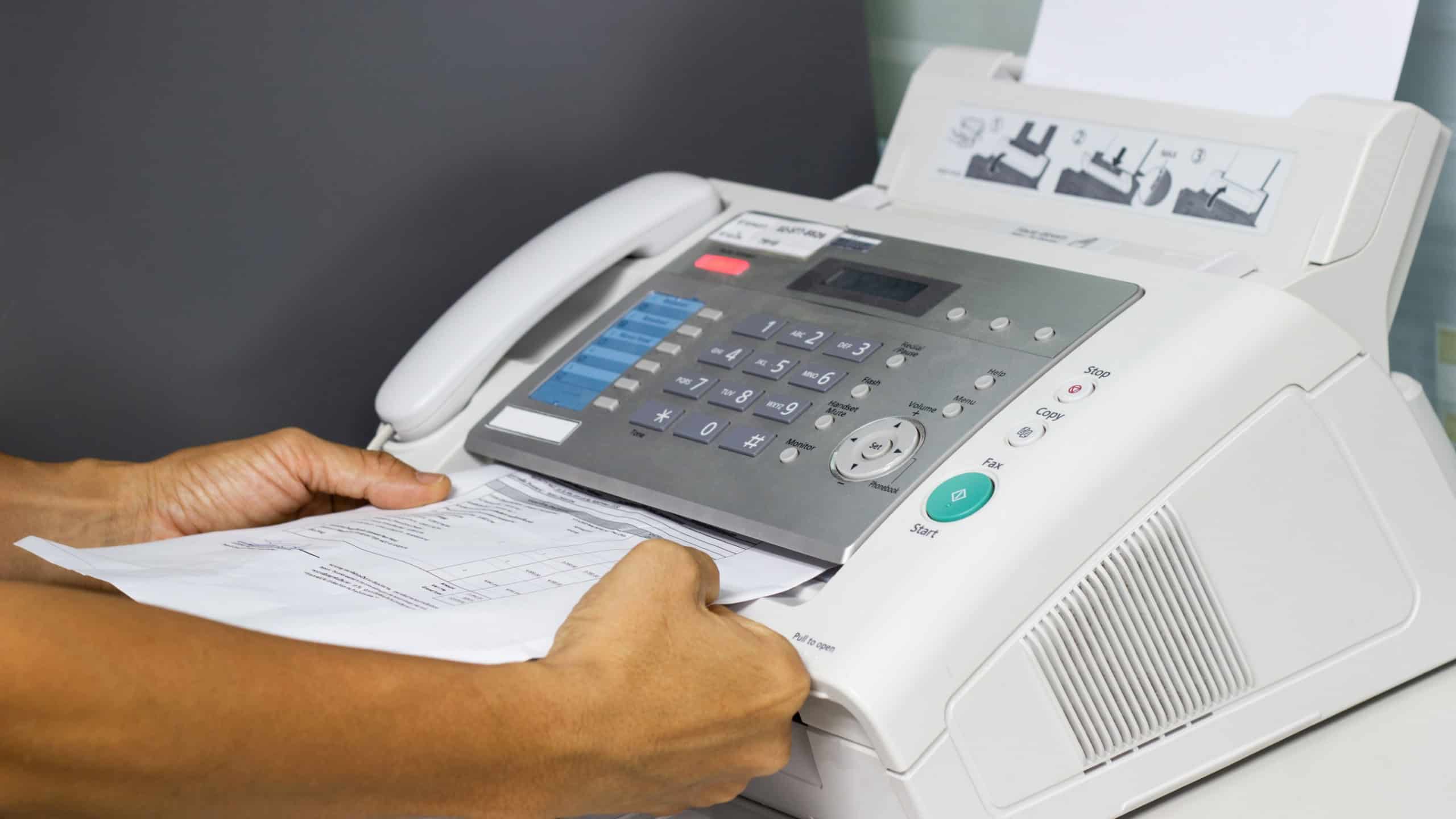
You might think faxing was simple, and it was, until you remember just how many things could actually go wrong. You had to check whether the page was face up or face down. What about the cover sheet? Did it go first or last into the machine?
Faxing a document properly was a skill you learned after you’d gotten it wrong so many times before. But thankfully, we don’t have to bother with it anymore. We’ve got PDF scanners and email attachments to make the whole ‘sending documents’ thing a lot simpler.
The route before leaving

Today, GPSes can reroute you in half a second and help you plan your whole day without needing to think about it. But it wasn’t always that way. You used to do some mental mapping yourself when running errands and figure out the shortest route to getting them all done.
It taught people exactly which shortcuts to remember and which intersections to avoid. Nowadays, GPSes do it all for you. You’re not really going to need to know exactly which way is best because that’s what digital maps do.
The blank page knew nothing

It’s weird, but it’s true. There didn’t use to be easy templates for formal letters. Or, at least, there wasn’t one on a computer that you could use, because everything had to be handwritten instead. You had to know where the address went and how to date the letter.
You had to know where the closing went. Don’t even get us started on the spacing. It’s a lot simpler in the modern world because you can just select a template, and then start writing. No planning skills necessary.
The pencil trick
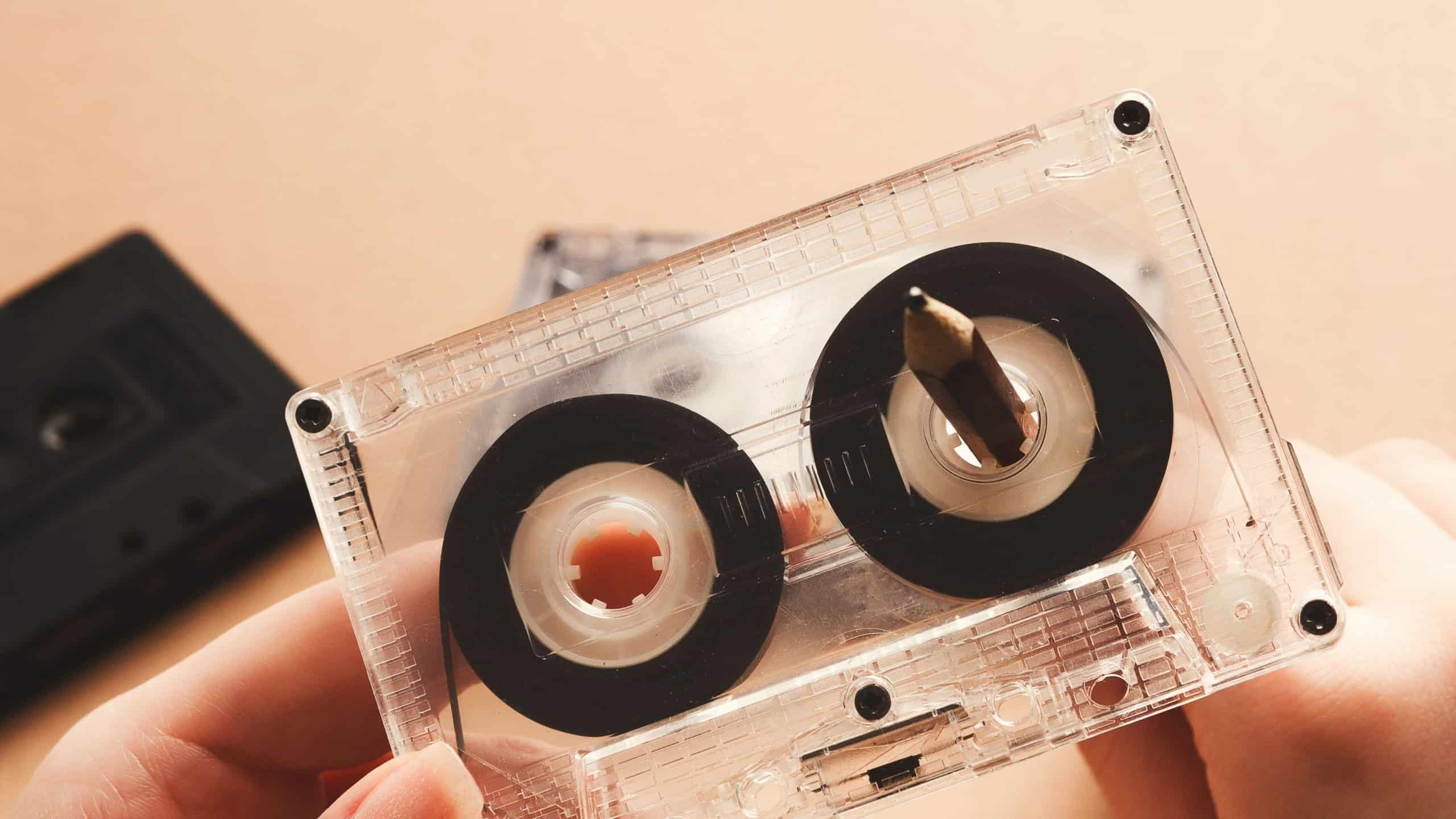
Winding a cassette tape sure did look ridiculous, but it was a skill that any music fan had. You had to stick a pencil into one of the spool holes and know exactly how to turn it to tighten the ribbon. Too much, and the tape was ruined. Too little, and, well, you hadn’t done anything.
You won’t find any ribbons to wind back with digital music, and there are no players that eat streamed songs, either. All you need to know is how to press play.
The back snapped shut
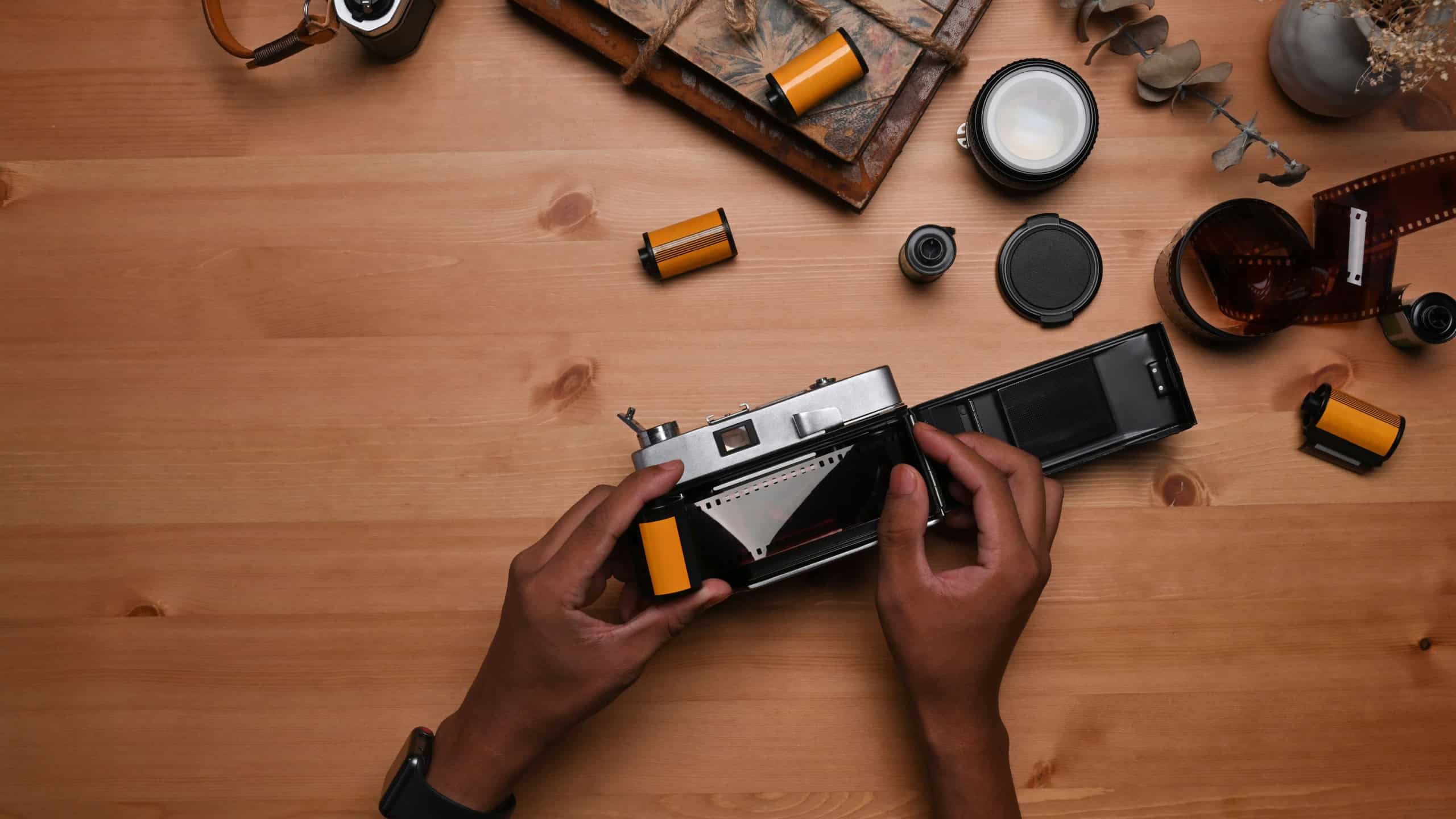
Another important skill was knowing how to put the film in a camera. Yes, in the days before digital photos, everything had to be done physically, and that included putting the film inside. Doing it wrong meant you’d waste a whole roll.
It’s a different story now, however, since you can just tap the screen to snap a pic. Placing the film canister inside? Pulling the film leader across? Those are skills from the distant past, and most people aren’t bothering with them anymore.
The one-shot question

That’s not all for photos. One of the most important skills was knowing how to be stingy with your pictures and working out which things were worth snapping. You couldn’t just take photos of everything. There wasn’t enough film for that.
It made people seriously think about what they were doing for the photos, in a way that doesn’t really exist these days. You can take nineteen pictures of the same moment and choose the best one. There’s no need to decide before you start pressing.
The slow search
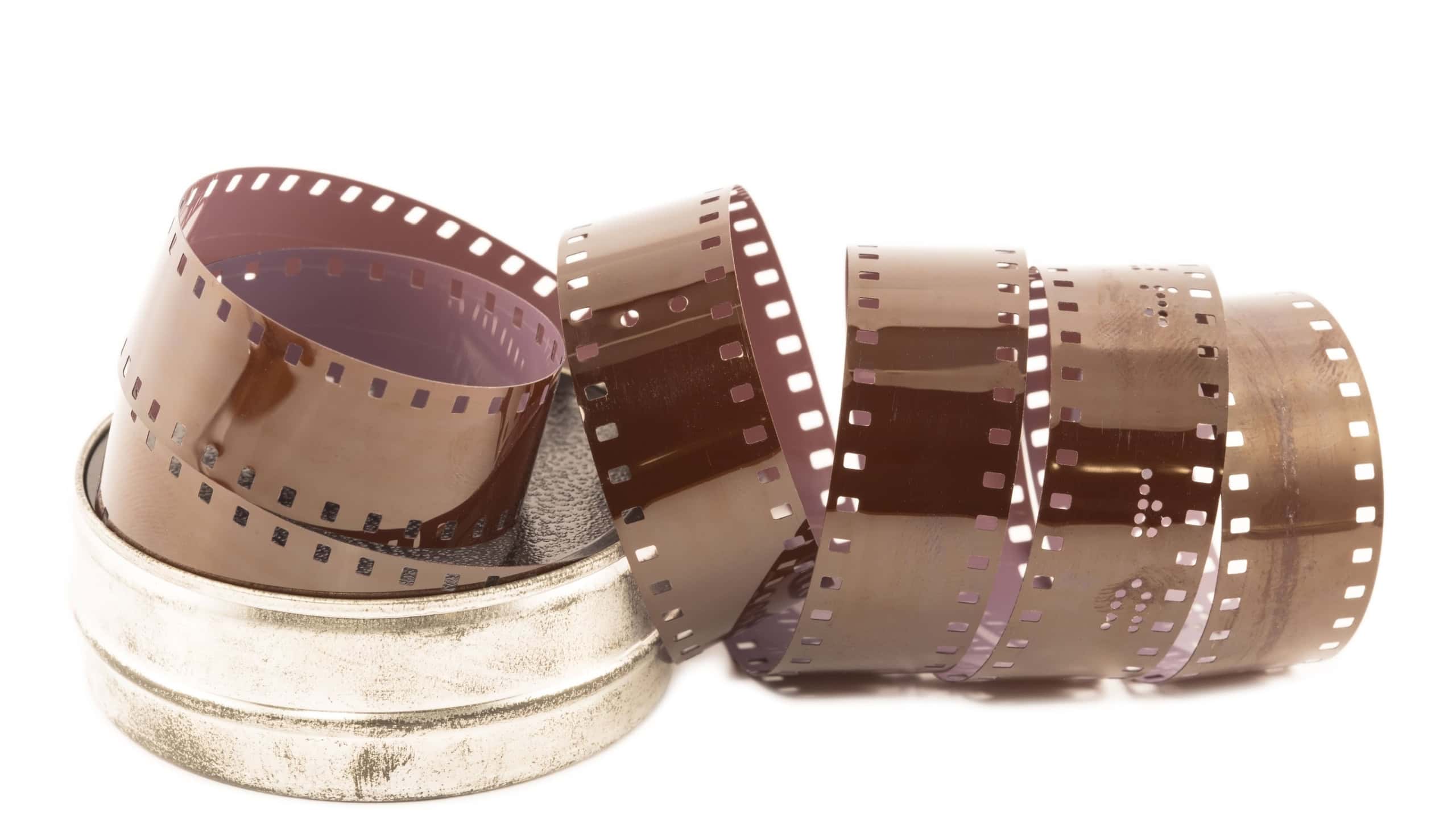
Let’s face it, trying to find something on microfilm or microfiche wasn’t exactly fun. There was so much to the whole process. Loading the reel or sheet and twisting a knob, then adjusting the focus and sliding past each tiny page, it was a lot.
Didn’t matter that you were only looking for one name or date because you had to sit through every page until you found it. It’s way easier in the modern world. You can simply use a search box to find exactly what you’re looking for, near enough. At least you won’t get eye strain.
The spinning finger race

You had to really understand a rotary phone to know how to dial the numbers properly. It’s not like you could press the buttons. No, you had to know exactly how far to swing the dial and how long to wait for the click back, as well as remember the number you wanted to call.
It taught people patience and, of course, how to dial quickly. These days, you just tap on someone’s name to call them, so you don’t even need to see their number, let alone remember it.
Sources: Please see here for a complete listing of all sources that were consulted in the preparation of this article.

