

The Bible is filled with animal imagery used to teach lessons about character, power, and faith.
The gentle bird

Perhaps the most popular symbol in all of Christianity, the dove makes one of its first appearances in the Bible when Noah sends one out to see if the waters have subsided.
The dove eventually returns with an olive branch in its mouth, proving that it’s safe to come back to Earth.
Centuries later, when Jesus is baptized, the Spirit of God descends “like a dove” from heaven. As a result, the dove has come to symbolize purity, peace, and the Holy Spirit. It evokes a sense of calmness and gentleness.
The kingly predator
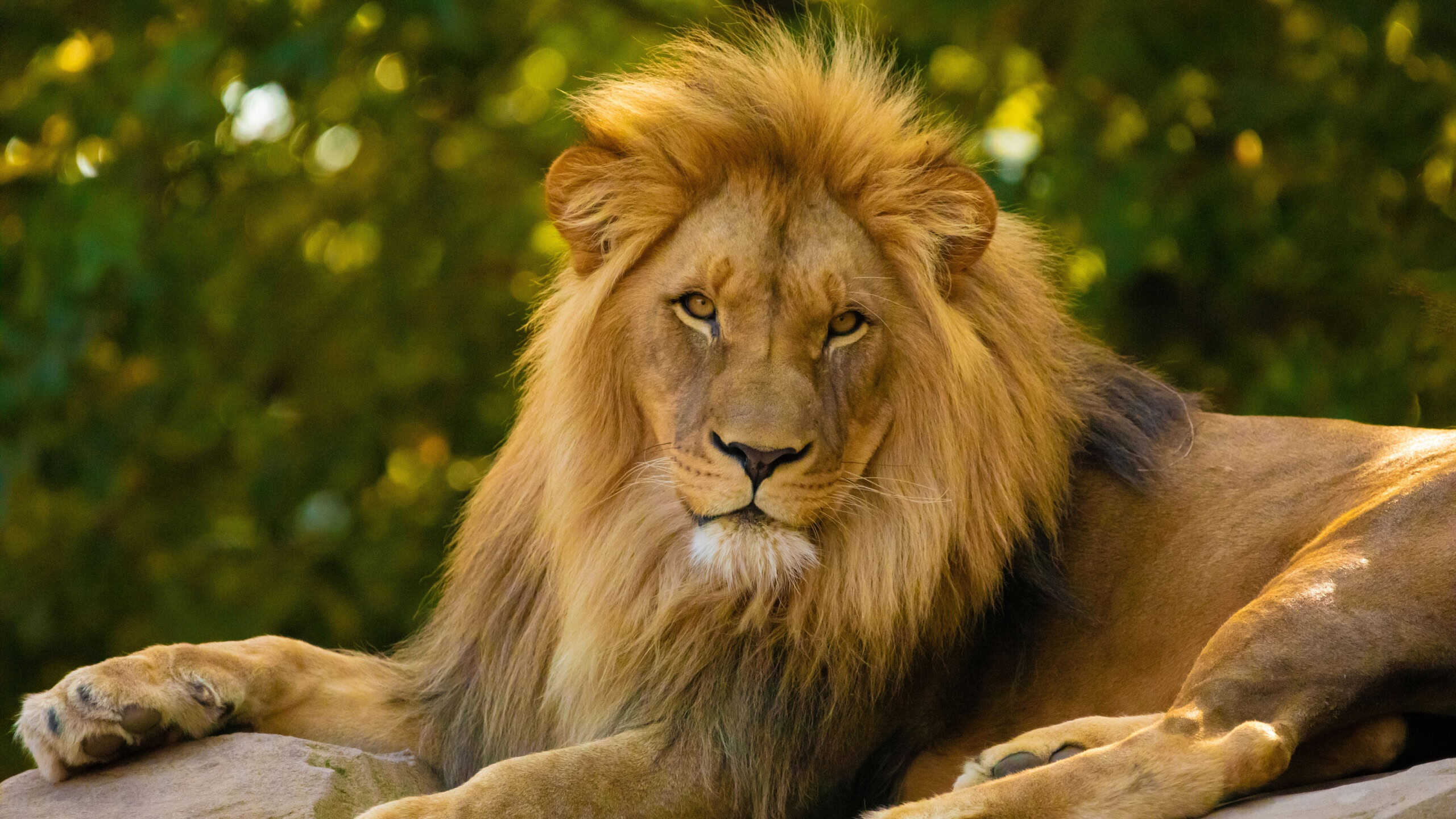
Also known as the “King of Beasts,” the lion is often used throughout the Bible to describe great power or even royalty. Most commonly, we think of Christ as the “Lion of the Tribe of Judah.”
However, in some verses, the devil is said to roam “like a roaring lion.” Whether it represents good or evil, the lion commands respect and represents strength.
The patient worker
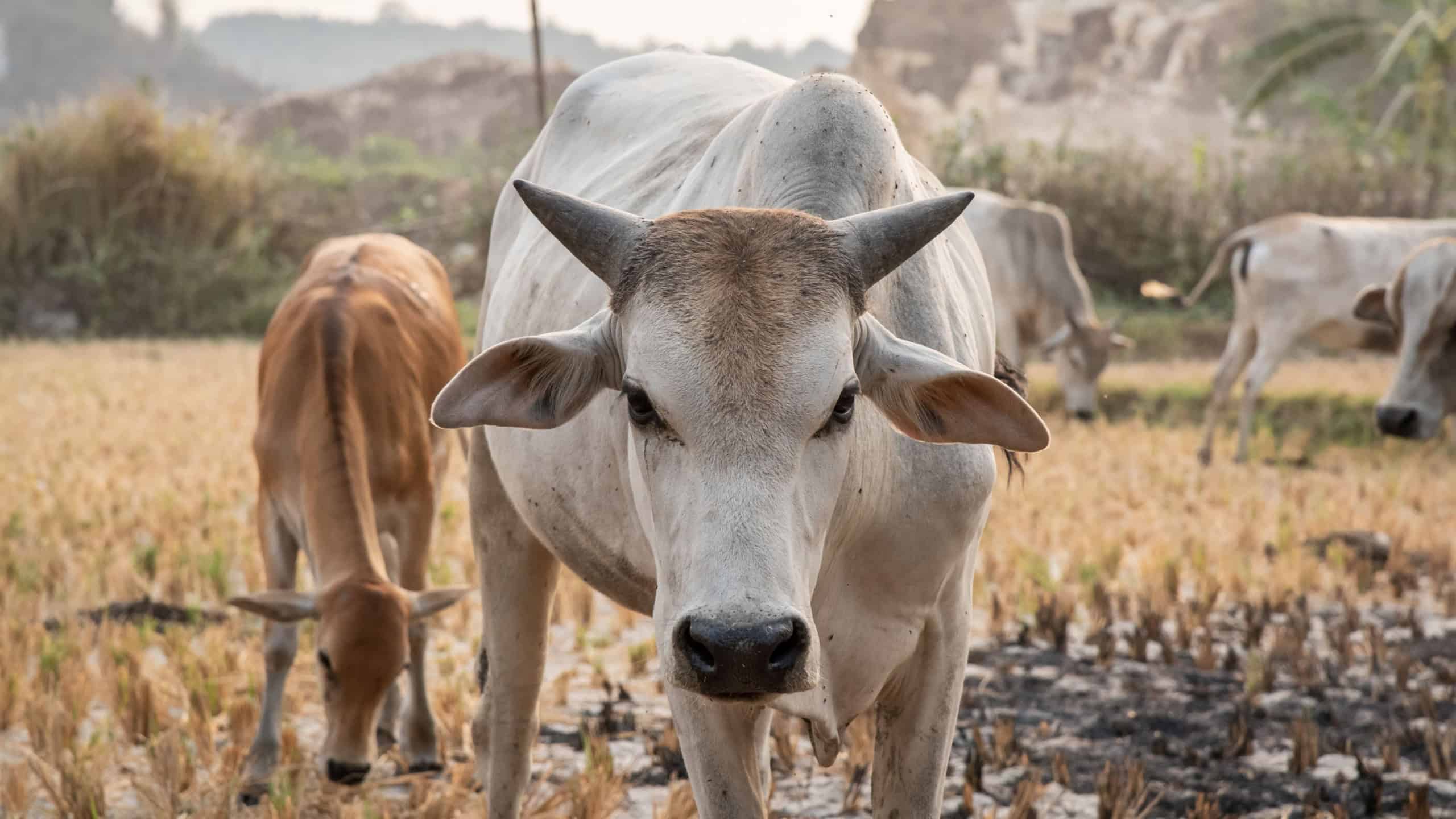
This strong animal was commonly used by farmers in Bible times to plow fields and carry heavy loads. Because of its physical strength and ability to be led by a yoke across its shoulders, the ox is symbolic of service and hard work.
In Christianity, many people interpret the mention of oxen as a reminder to be patient and do their duty. The ox is also mentioned as one of four “living creatures” who appear to prophets throughout the Bible.
The sky wanderer
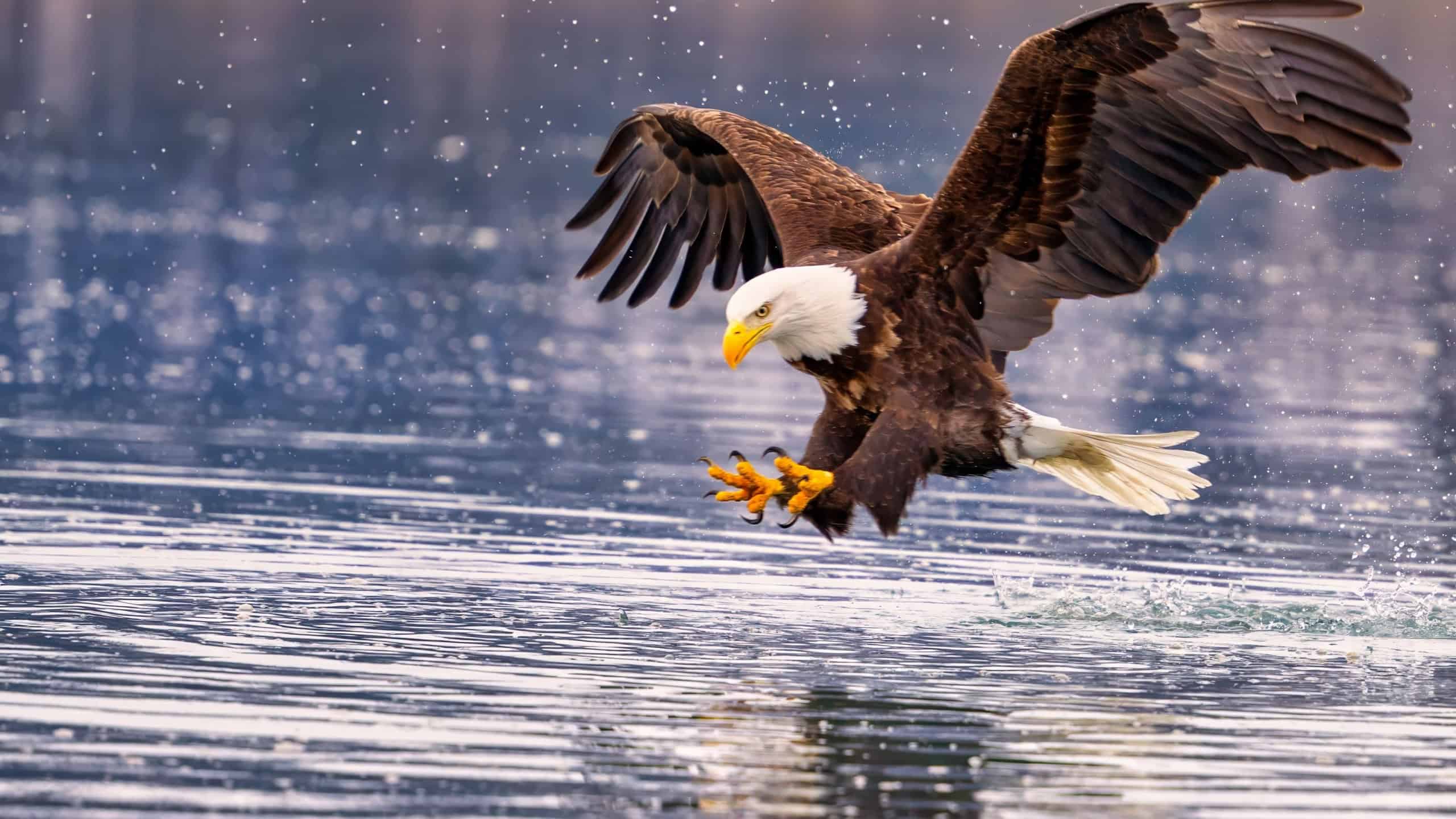
The Bible refers to eagles several times when describing how God helps his people. One of the best-known verses states that those who “hope in the Lord will soar on wings like eagles.”
Eagles are known for flying higher than most creatures and having a sharp view of the world around them. As a result, they symbolize gaining a new perspective and becoming renewed by faith.
The humble helper
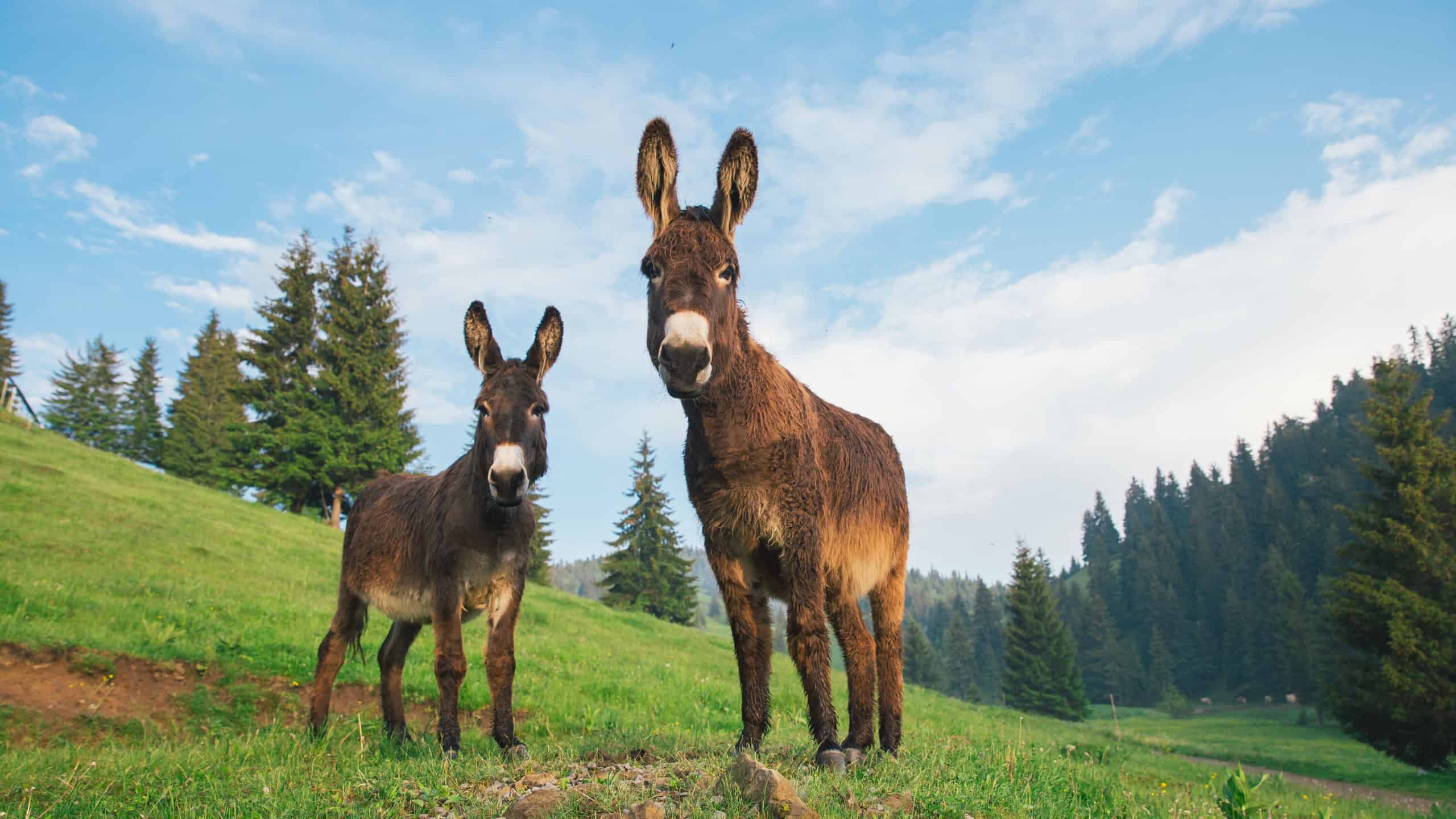
While horse-drawn chariots were a sign of war and strength, the donkey was a civilian’s mode of transportation. The biggest story featuring this stubborn animal is when Jesus enters Jerusalem, not on a powerful stallion but a young donkey.
It was to symbolize peace and that Jesus was not there to lead an army but as a humble servant to his people. The donkey symbolizes humility. Powerful in its own way, the donkey shows us that being meek can be a significant strength.
The follower
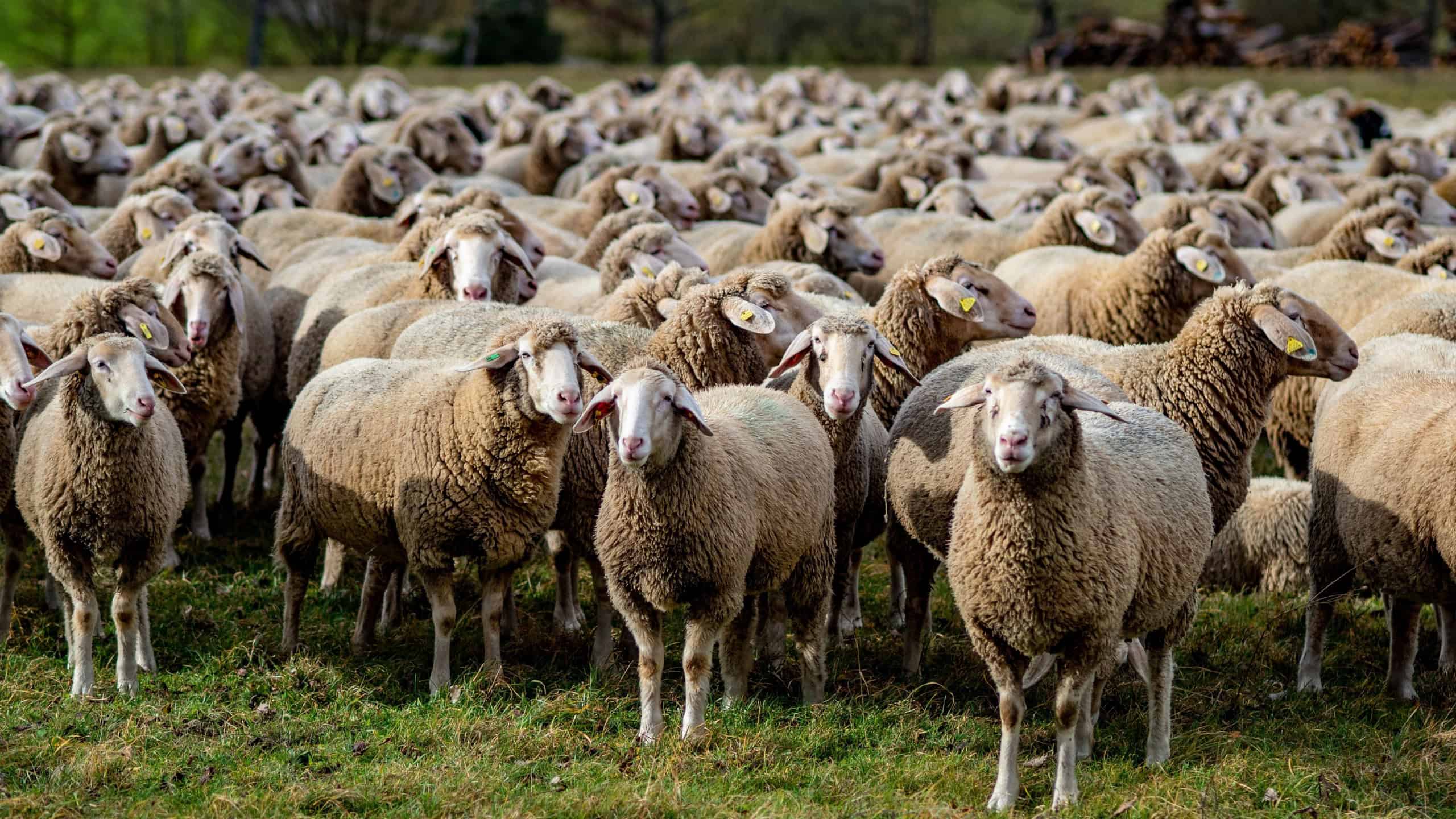
Sheep are referenced many times in the Bible. Sheep are rarely described as strong and independent creatures. They need a shepherd to protect them, provide them with food, and guide them in the right direction.
Sheep have become the standard comparison for Christians and those who follow Jesus. When God is described as a shepherd, he’s seeking out the lost sheep to bring them to a “fold” where they can live in safety. To call yourself a “sheep” means you know you need a leader.
The crafty creature
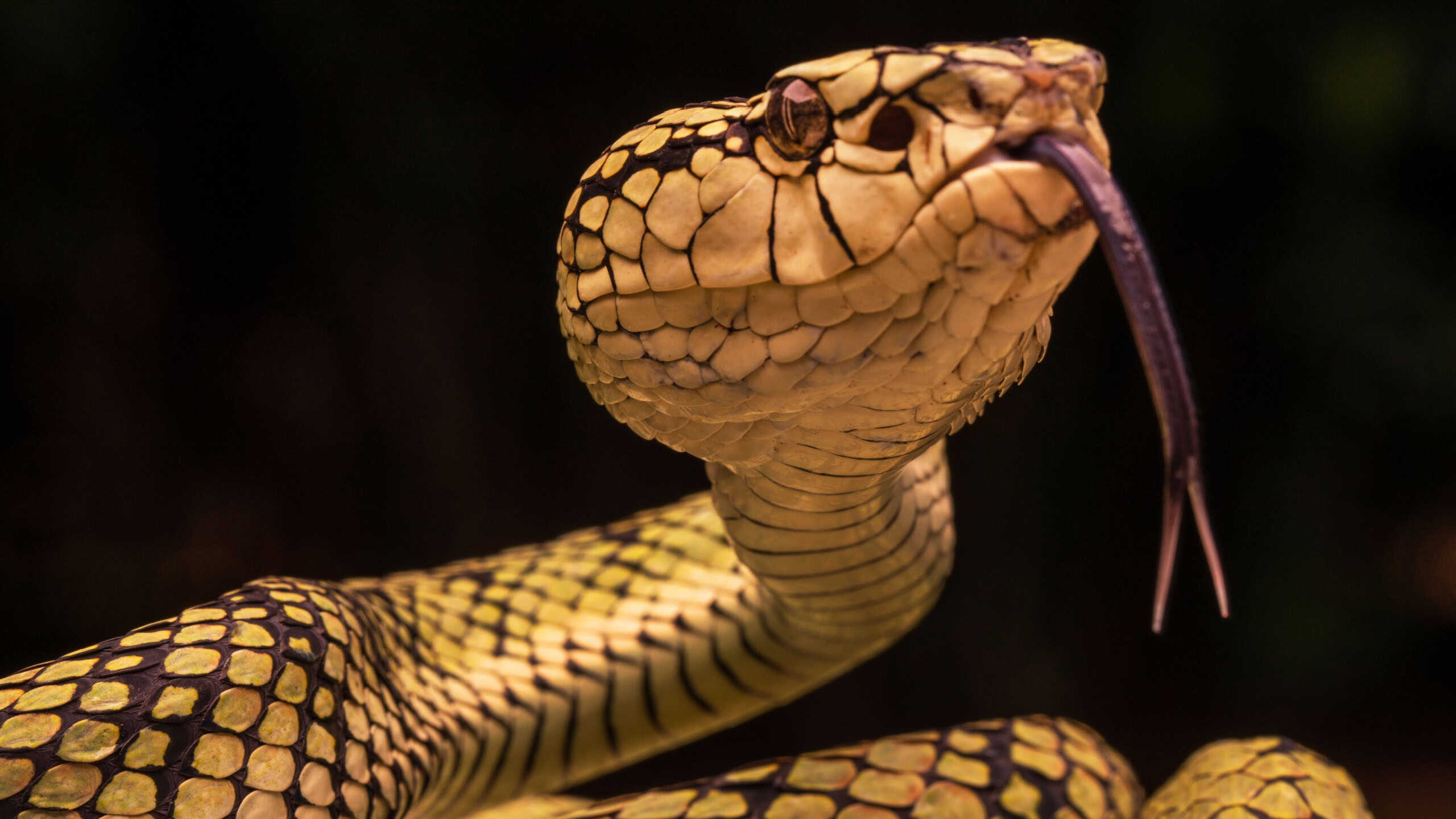
From the very first pages, the Bible refers to snakes as “more crafty” than any other beast on the ground.
After the serpent tempts Eve into eating from the tree of knowledge, it became a symbol of temptation and deception. The serpent embodies making the wrong choice and the tricky way a problem can enter your life.
However, Jesus also tells his followers to be “wise as serpents” but “innocent as doves.” Being cunning like a snake can be a great quality when used in the right way.
Great fish
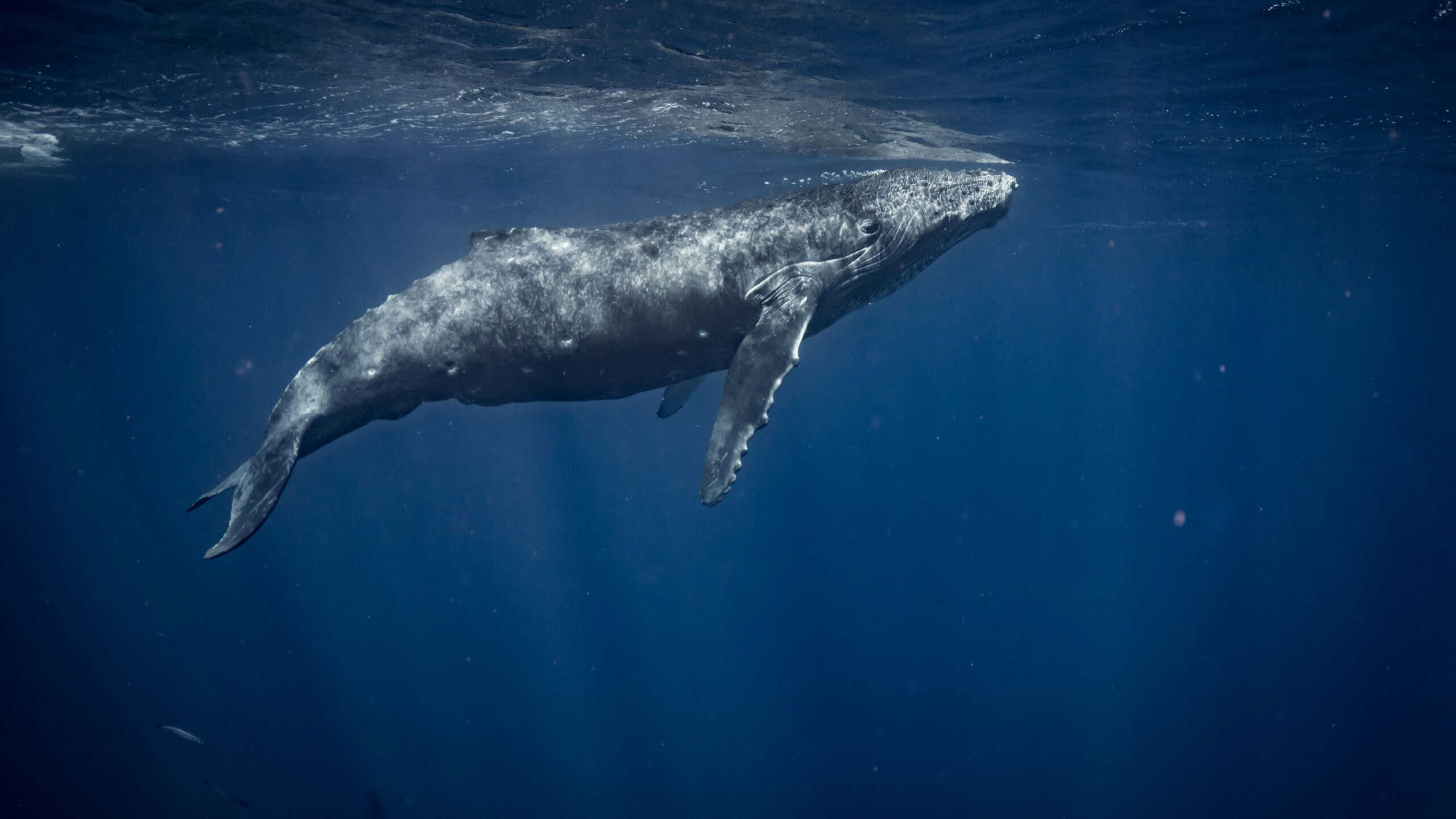
While we often call him a “whale,” the Bible only refers to this animal as a “huge fish.”
When Jonah disobeyed God, he was swallowed by this sea creature to keep him from drowning. But God used the fish to give Jonah time to think about his mistake instead of killing him.
Since Jonah spent three days in the belly of the fish before being vomited out, it symbolizes rebirth and grace. Next time you feel like your sins or mistakes have swallowed you up, remember that the great fish is a reminder of second chances.
Sources: Please see here for a complete listing of all sources that were consulted in the preparation of this article.
Everyday things that are forbidden by the Bible

Living according to the Bible means paying attention to both major sins and simple everyday actions.
