

It’s always been awkward being a teenager, but the kind of awkwardness you experience depends a lot on when you were born.
The cringe has a backup copy

Messing up in front of people used to be something that happened, and then people forgot about it. Maybe you said something stupid at lunch, and everyone laughed. But they’d move on shortly after, without any reminders of what happened. It’s not that way now.
Now there might be video of the embarrassing moment and some screenshots, too. There could be a group chat that you’re not even in, and people are talking about it on there. The most ordinary of teenage mistakes don’t get forgotten. That’s a pretty harsh thing to deal with.
Everyone has a scoreboard

Anytime that teens do something today, they’re ranked or reminded about how they compare to others. Social media tells them who got invited to what event and who looks better today. It also tells them who’s dating whom, and who went on a luxury trip abroad. That’s bad enough, but then there are all the numbers underneath.
Likes, views, and followers are all public information. It makes it harder for teens to enjoy their own lives because they’re stuck in a constant cycle of comparison. Earlier generations compared themselves, of course they did. The difference is that they didn’t usually do it against hundreds of edited lives.
Truth comes with homework

Teenagers can’t even accept what they see in front of them anymore. Yes, practically everything they see online could be completely fake, and even things in the real world might be a lie. An ad can look like reporting, and fake news can seem oh-so-real.
The rise of AI has only made things worse. No other generation has had to grow up doubting almost everything in front of their faces, and that’s quite hard to accept. You’re already figuring yourself out as a teenager. Trying to figure out what’s real and not real only makes it harder.
Even fun gets counted

Basically every teen has their own hobby, and that’s not something that’s changed. What has changed, however, is that young people are under pressure to share hobbies that become popular. Their talent at drawing or singing is now a performance metric.
They feel as though they’ve got to see how their hobbies compare to everyone else’s. It doesn’t take much to see whether they fall short, and they no longer can simply enjoy what they want. No, everything has to be a number game. It’s pretty painful.
Nowhere to kill an hour

Even the places where older teenagers could spend their days were different. They could spend an extraordinary amount of time doing nothing somewhere public like the mall, and they’d wander for a few hours. They could simply be, without any pressure.
Teens today don’t have that. Not only are a lot of malls closed, but those that do exist have curfews. They have restrictions for unaccompanied teenagers. Teens don’t have the public space to hang out anymore, and socializing requires much more of a plan than it ever did before.
Finding your people took work

It wasn’t all sunflowers and daisies back then, though. No, in the past, having a niche hobby or obsession was much lonelier before the internet, as there was no community to connect with. You had to hope someone at your school cared about your favorite underground band or fantasy series.
If they didn’t, well, you were all out of luck. You couldn’t find like-minded people online with the same special interests because the internet didn’t exist. Individuality was a lot harder to come by. You had to enjoy what everyone else around you did, and that’s it.
The drive was much riskier
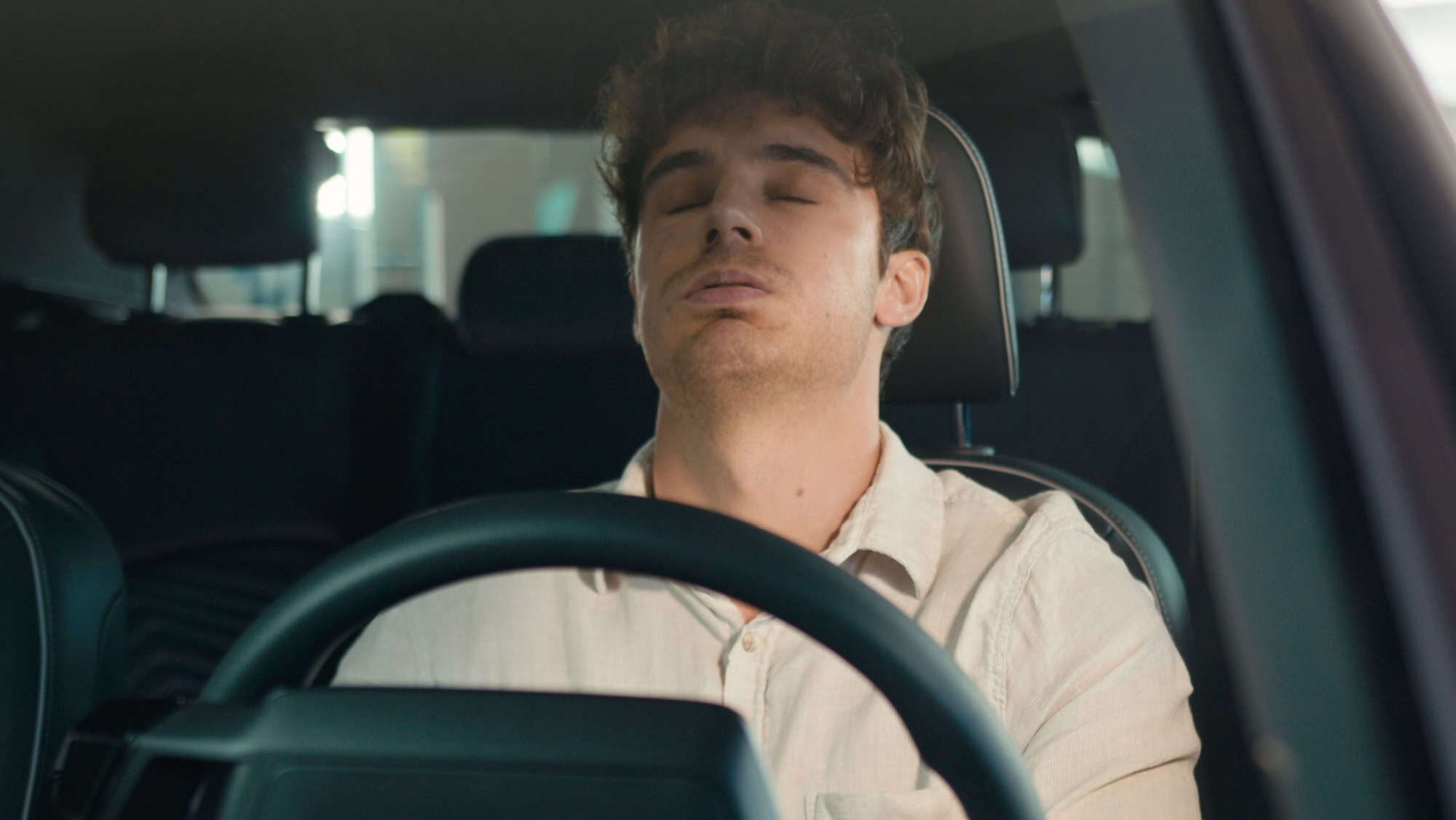
It’s true that teens in the past sometimes had more freedom with driving. They’d get their licenses at 16, and immediately disappear for hours. But it’s also true that they were at much higher risk of motor-vehicle crashes compared to today.
One study found that, in 1975, there were around 29.4 deaths per 100,000 teenagers. That figure fell to 9.4 in 2024. Teens might’ve had more freedom, but the vehicles had fewer safety features, and the roads were way more dangerous.
Summer often came with a timecard

There was no such thing as a cute summer job back then. At least, not for teenagers. Plenty of them stocked shelves and washed dishes, working for hours that seem too much for young people today.
School was out, and then teens would go straight into work. They did whatever job they could because they were expected to. Summer was essentially a time to work, and having an easy summer job was a pipe dream.
Adults missed things

Adults waved away plenty of serious problems back then. Child-protection systems were still pretty new in the past, after all, so teens got told to simply ‘behave’ when they had an issue. Family matters had to stay inside the family, and that meant no getting help.
It’s a sad fact, but a lot of safeguarding issues were simply brushed under the rug. That certainly wasn’t easy to deal with. Things could go badly wrong at home or school, yet there wasn’t always a clear process waiting. You’d be lucky to get a process at all.
School offered fewer routes

You got told one thing if school didn’t work for you. Try harder. You might have dyslexia or attention problems, maybe speech difficulties or another learning disability. It didn’t matter. There was no explanation for why class felt so difficult.
You were expected to try harder until things made sense, no questions asked. The idea of giving support to struggling teens wasn’t really a thing. In other words, kids who learned differently had it pretty tough.
Sources: Please see here for a complete listing of all sources that were consulted in the preparation of this article.
10 bizarre rules that controlled teen life in the 1960s

Teen life during the ‘60s involved way more than sock hops and soda fountains, as it also included a lot of rules about ordinary things teens couldn’t do.

