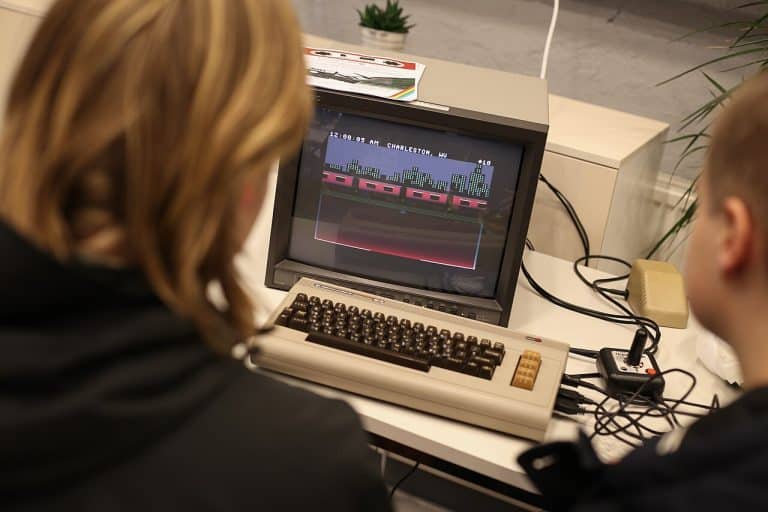

Life in the ’80s and ’90s sure was pretty different, and it’s because of those differences that a few phrases made sense, but they don’t anymore.
The internet argument
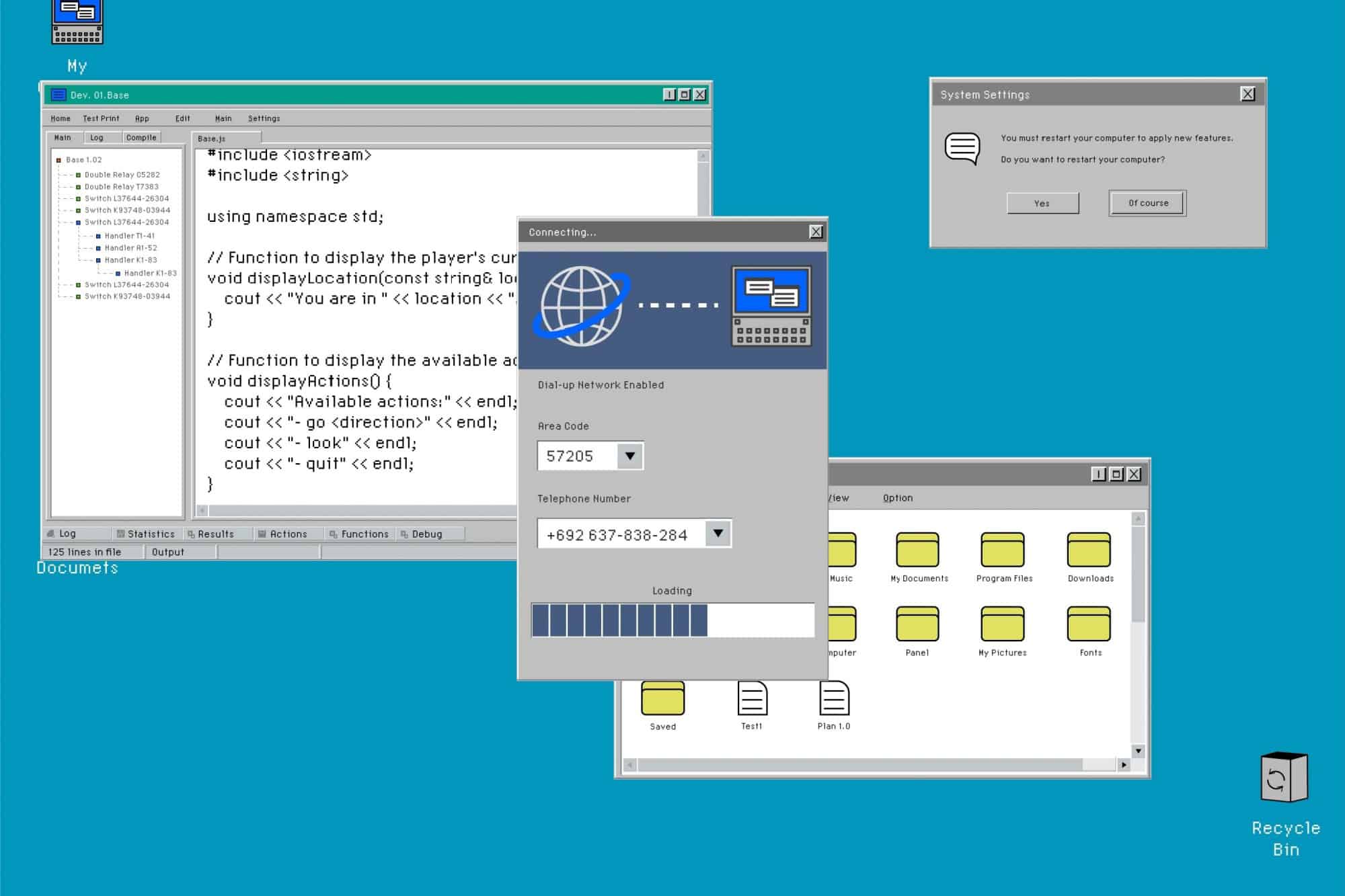
Anytime that you wanted to get online during the 1990s, it became a whole family affair, even when people didn’t want to be involved. It was mostly because dial-up internet used the same line as regular calls, so you couldn’t use the phone while someone used the internet.
It was totally normal to hear someone say, ‘Get off the phone, I’m trying to use the internet,’ when you were at home. But most people born after the ‘80s or ‘90s won’t understand it. No, they have no memories of those awful screeching sounds from the modem.
The video store reminder
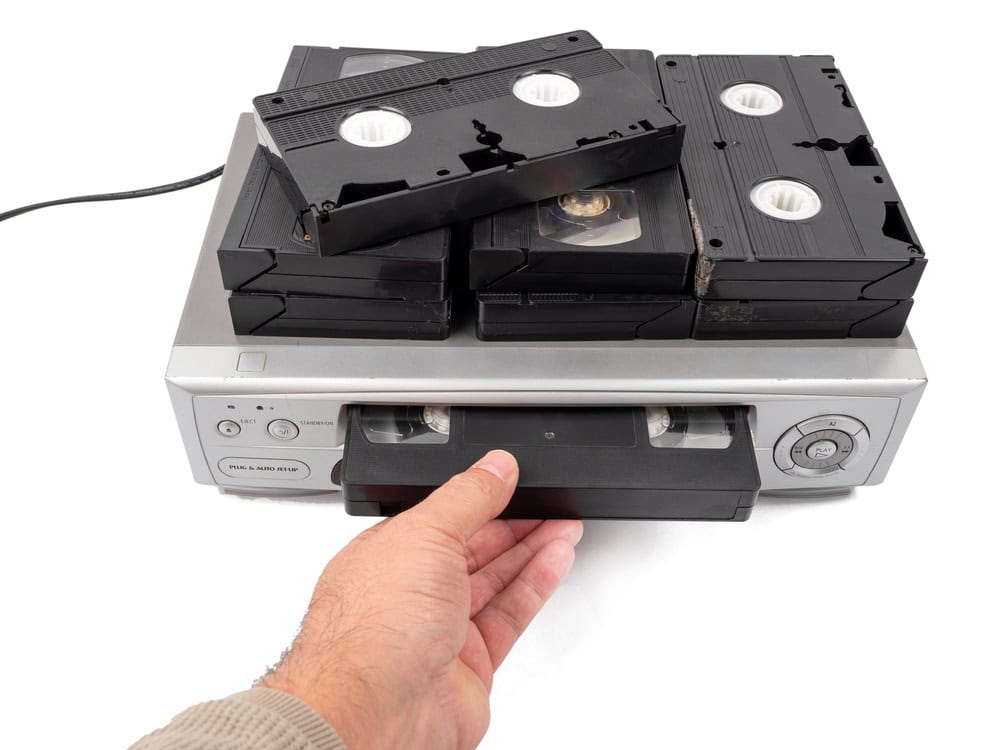
There was one rule and one rule only to follow when renting VHS movies. It was ‘Be kind, rewind.’ The reason was that nobody wanted to rent a movie and find out that the previous customer had left it right at the end. That could ruin the beginning of your movie night, because it’d take forever to rewind to the beginning.
Stores like Blockbuster would use this line to remind customers to rewind their tapes before returning. Some stores would charge fees if you forgot because it was that serious. Anyone who didn’t live through that time won’t get the importance of this line.
The little plastic tab
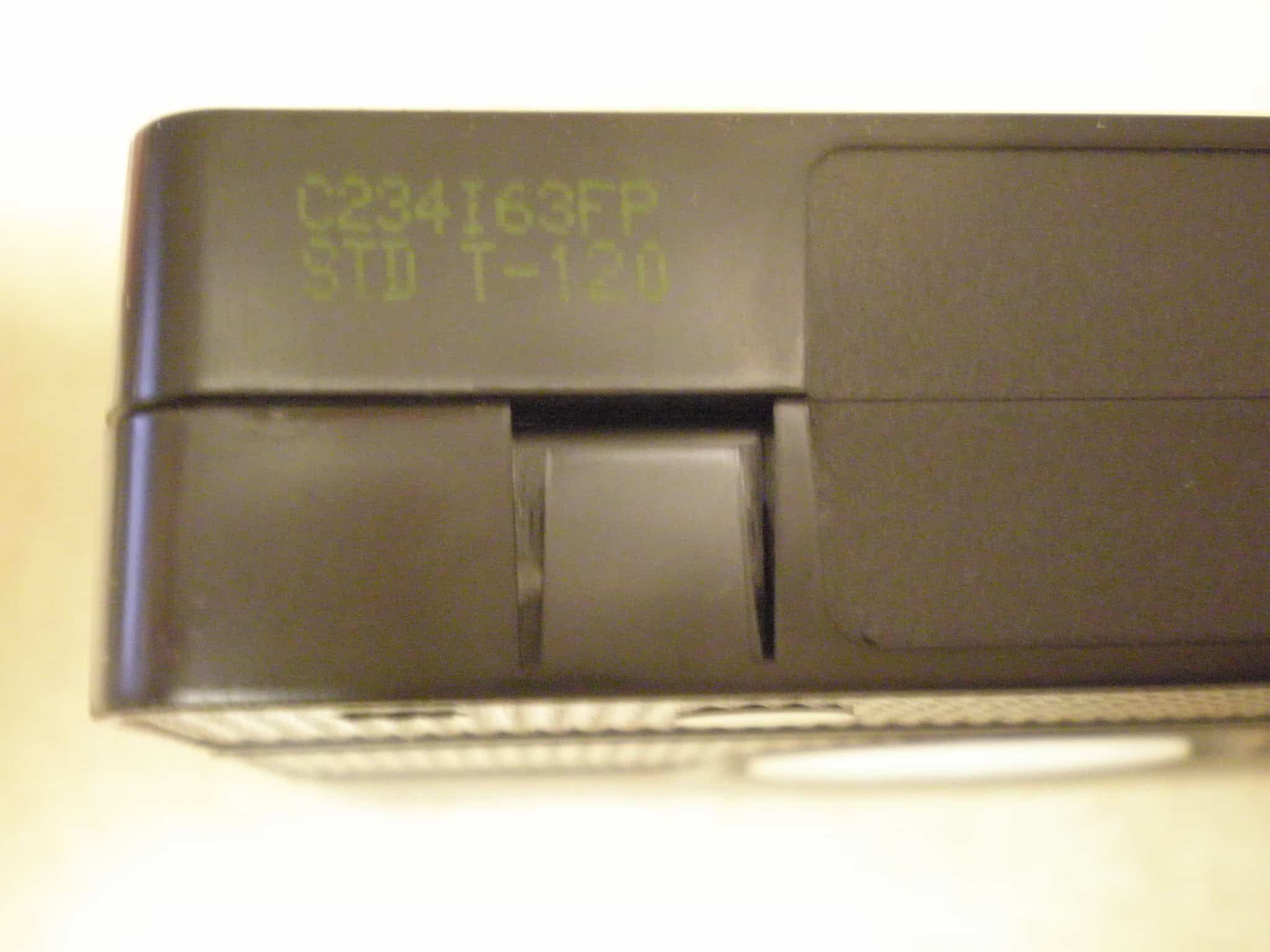
Another thing you’d hear about VHS tapes was, ‘The tab’s still in, so don’t record over it.’ It’s not something anyone born after the ‘90s will understand. Essentially, breaking off the plastic tab on the back of the VHS cassette would prevent the VCR from recording over existing footage.
There were no TiVo recorders or on-demand TV services available for most of that period. You had pretty much one shot and one shot only to record something off the television, so it was really important to pay attention to that tab.
The nine o’clock rule

The time when you called mattered a lot more in the past than today. Take, for example, calling someone in another state. Telephone companies charged different rates for long-distance calls depending on what time of day it was, and evening hours were often cheaper. That’s where the line ‘Call after nine. It’s cheaper,’ came from.
Families would plan their conversations around these discounts because they were definitely worth it. Young people might understand what this line means at face value, sure. But they won’t understand how much a call’s cost could change depending on the time.
The television repair trick

There was no need to call someone to repair your TV if it started showing a fuzzy picture during the ’80s. No, you simply got some aluminum foil from the kitchen and fixed it yourself. Someone would tell you, ‘Put some aluminum foil on the antenna.’ You’d do exactly that.
You put a little foil on the long rabbit-ear antennas coming out of your television, and sometimes, it would actually make things better. It could also make things worse. Either way, doing something about the reception felt better than just sitting there.
The voice from the computer

One of the most exciting computer sounds you could hear during the 1990s was, ‘You’ve got mail.’ It’s not hard to understand what it means, but a lot of younger people won’t understand why it was so exciting to hear. Those were the days before constant connection.
So, getting mail meant someone had sent you a message, sometimes from hundreds of miles away. That was a pretty cool concept back then. The phrase was so popular, in fact, that it became the title of a 1998 romantic comedy starring Tom Hanks and Meg Ryan.
The little plastic messenger
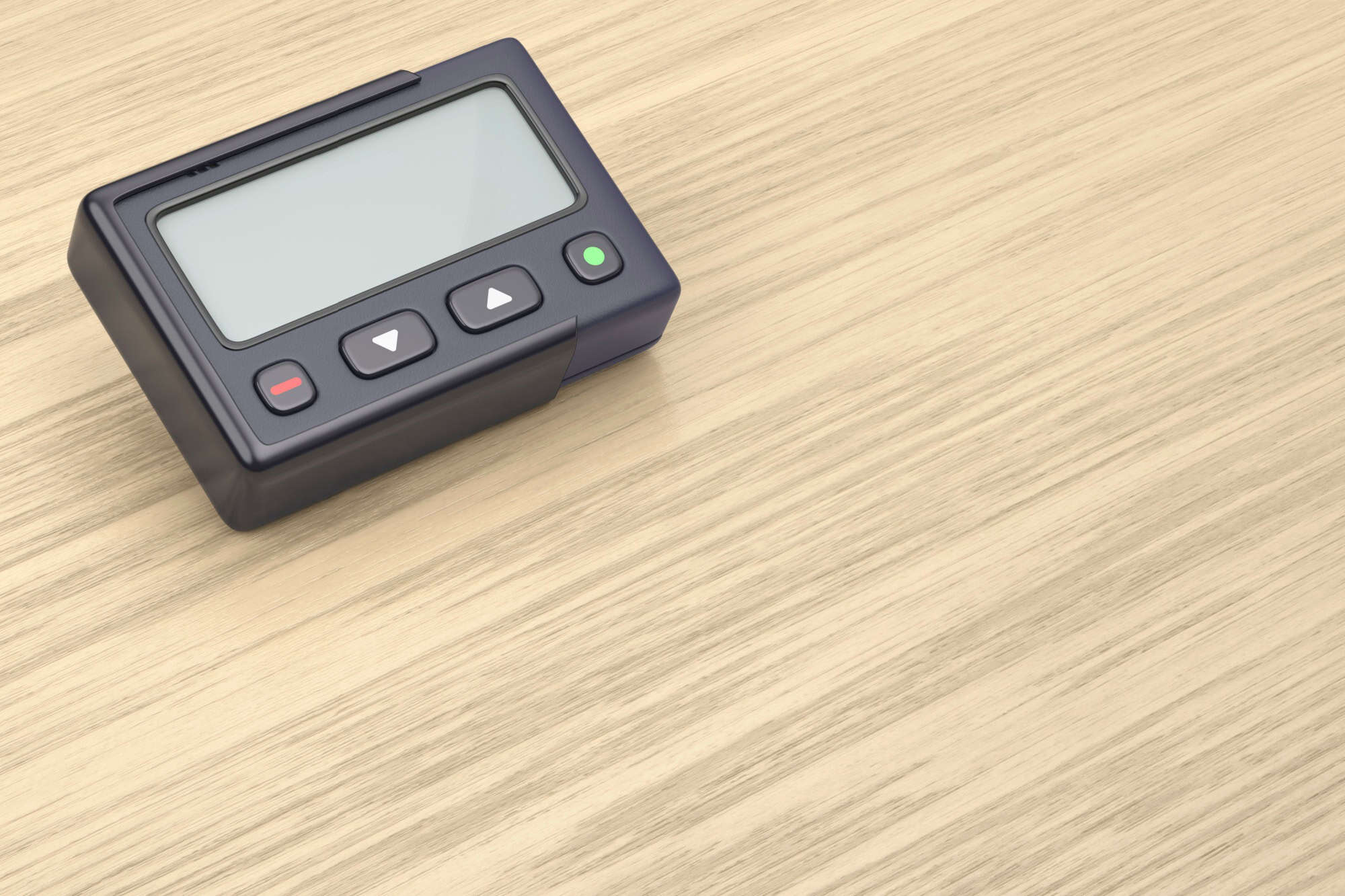
It was pretty common to hear the line, ‘Just page me when you get there’ during the ‘80s and ‘90s. Texting wasn’t an everyday thing, after all, so people would walk around with little pagers clipped to their belts instead. It wasn’t something only for medical staff.
The basic models could receive telephone numbers. That meant you’d have to dial the pager and leave a number for them to call back, then they’d have to find a real telephone to do it. It was a lot of work, really.
The one-hour deadline
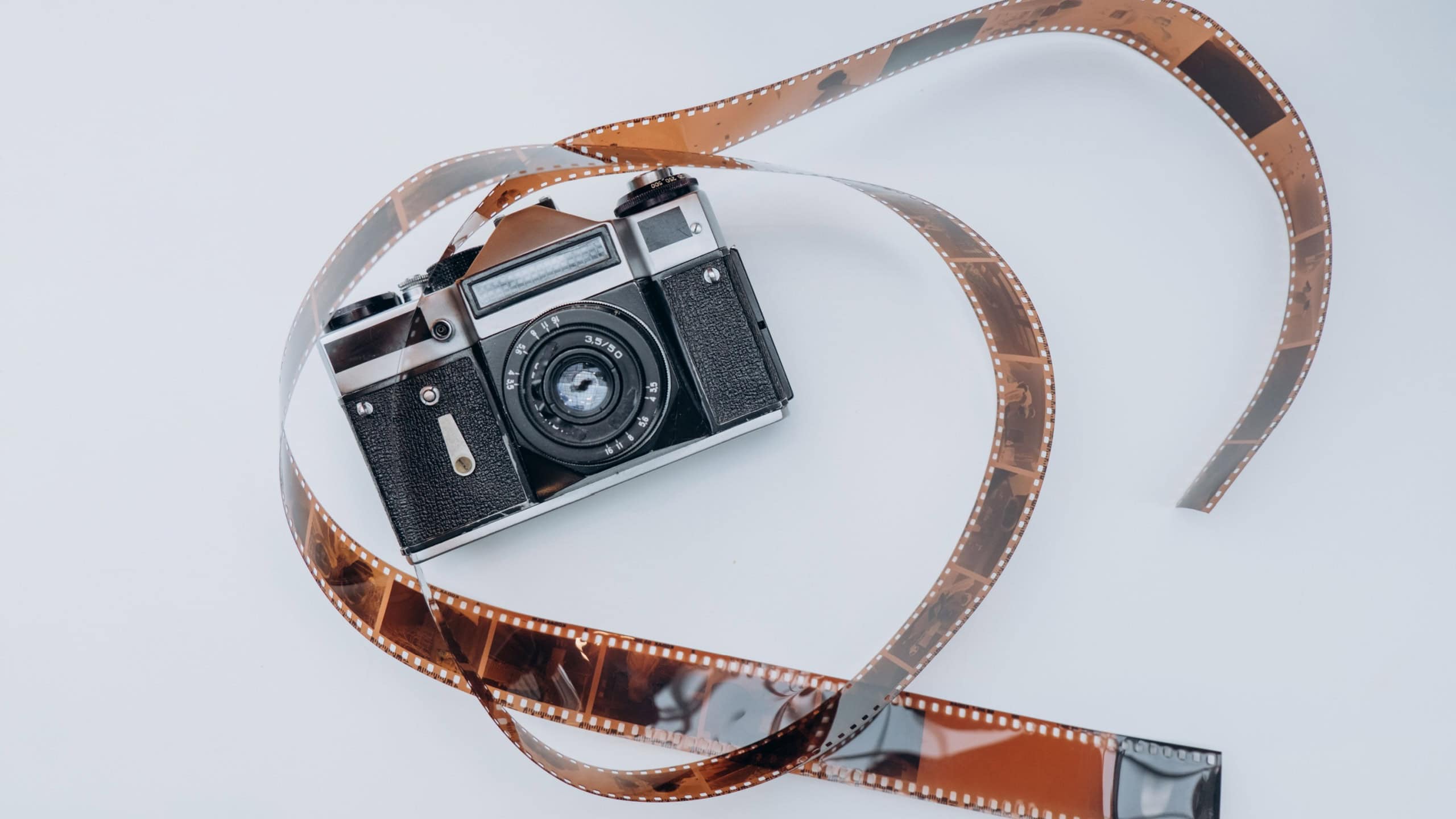
Getting your vacation photographs back in just one hour was something incredible during the ‘80s and ‘90s. You didn’t have to send your film away and wait days. Instead, you could take it to a local pharmacy or photo shop and have it printed out in 60 minutes or less.
The sentence, ‘We need to go to the one-hour photo place,’ was something that sounded so special back then. Your photos were being printed while you walked around shopping. What a concept.
The extra photo envelope

You’d sometimes hear someone say, ‘I got it in double prints’ after they went on a family vacation or to a birthday party during the ’80s and ’90s. It simply meant that they’d paid for two copies of each photograph when getting them printed.
That way, they’d have extras to give to friends and relatives without having to order reprints. You got the negatives back, too. You couldn’t exactly share a picture on your phone back then, so making sure to get two copies was a big deal.
The collect-call trick
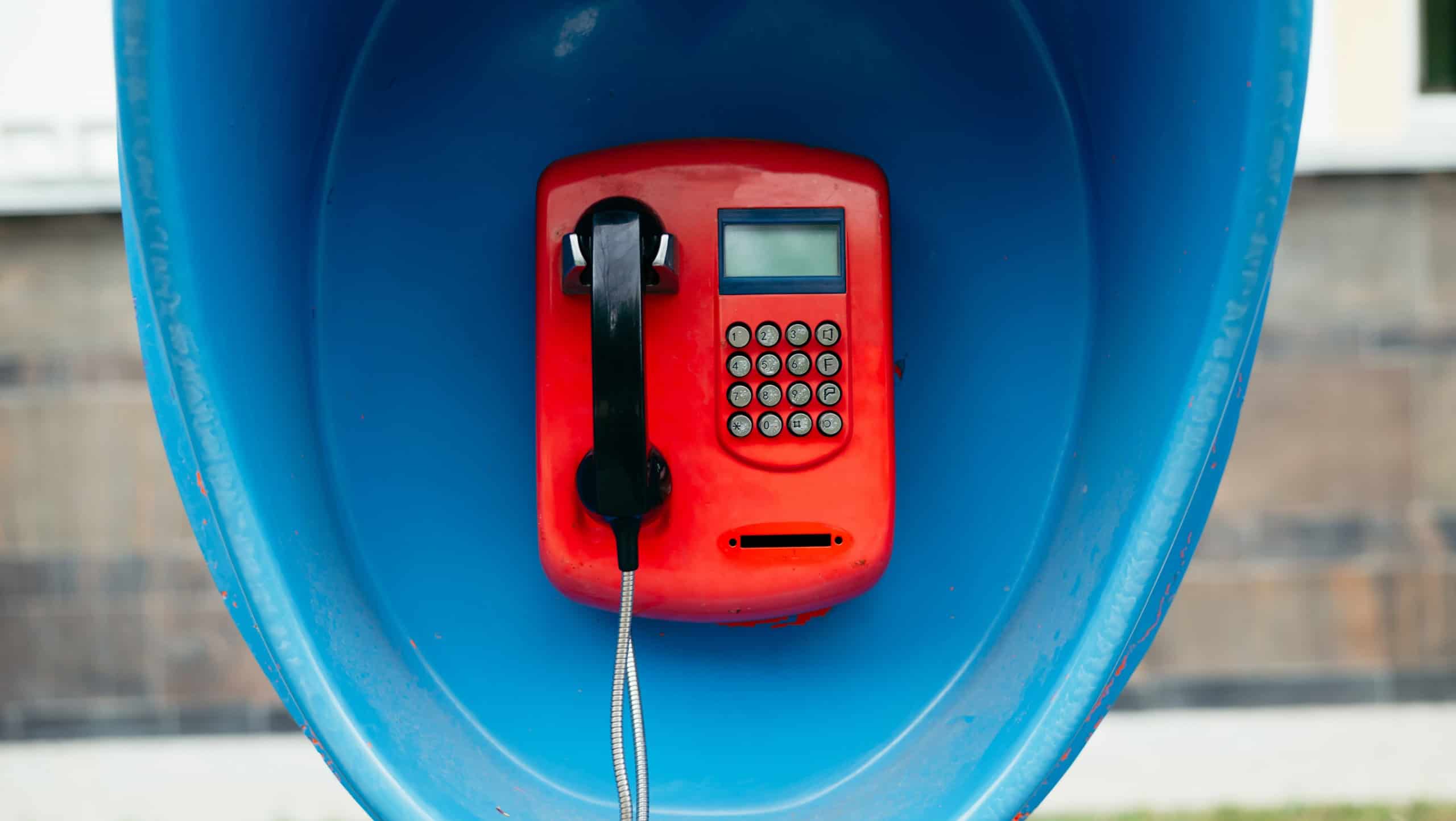
The line, ‘You have a collect call from MomComePickMeUp,’ sounds like complete nonsense today. But back during the time when payphones were common, children would use collect calls to let their parents know they needed a ride. They just didn’t need to pay for the call.
They’d rush to say something like ‘Mom, come pick me up’ when the system asked for their name. The parents would then hear the message and decline the charges, simple as that. People born after the ‘90s have no idea how much more difficult it was to make a phone call.
The telephone switch
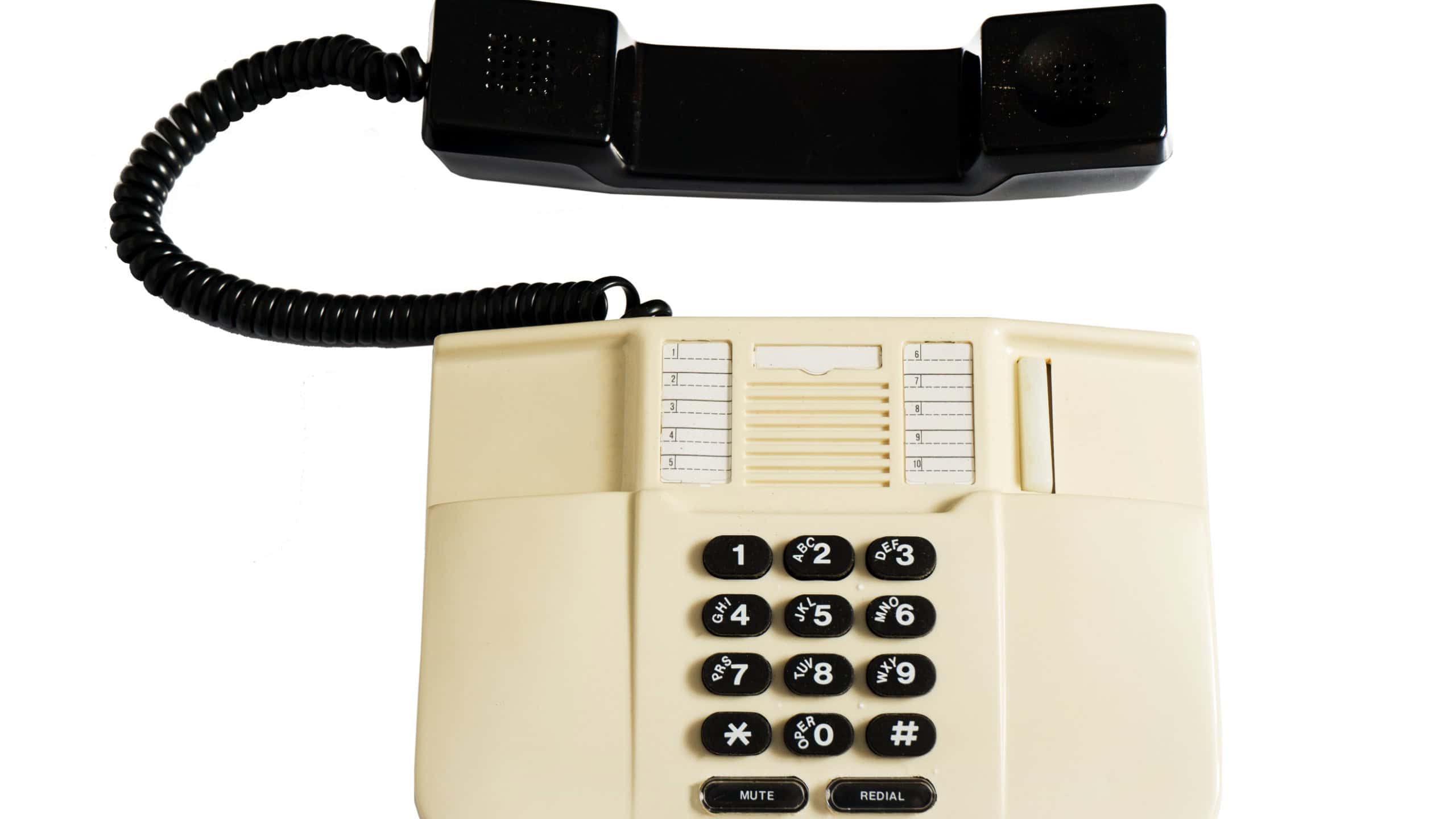
That’s not all for phones. During the ‘80s and ‘90s, some push-button telephones worked differently, as they’d have a switch marked T for tone and P for pulse dialing. There were times when you’d have to change it. Someone would say, ‘We need to switch from tone to pulse.’
Tone dialing used electronic sounds to dial numbers, while pulse dialing was more like an old rotary telephone. You couldn’t mix them up. A phone line that only supported pulse dialing wouldn’t connect any tone calls. But you’d also have to switch back to tone for automated services. It was one of the things people had to figure out during those decades.
The midnight mystery
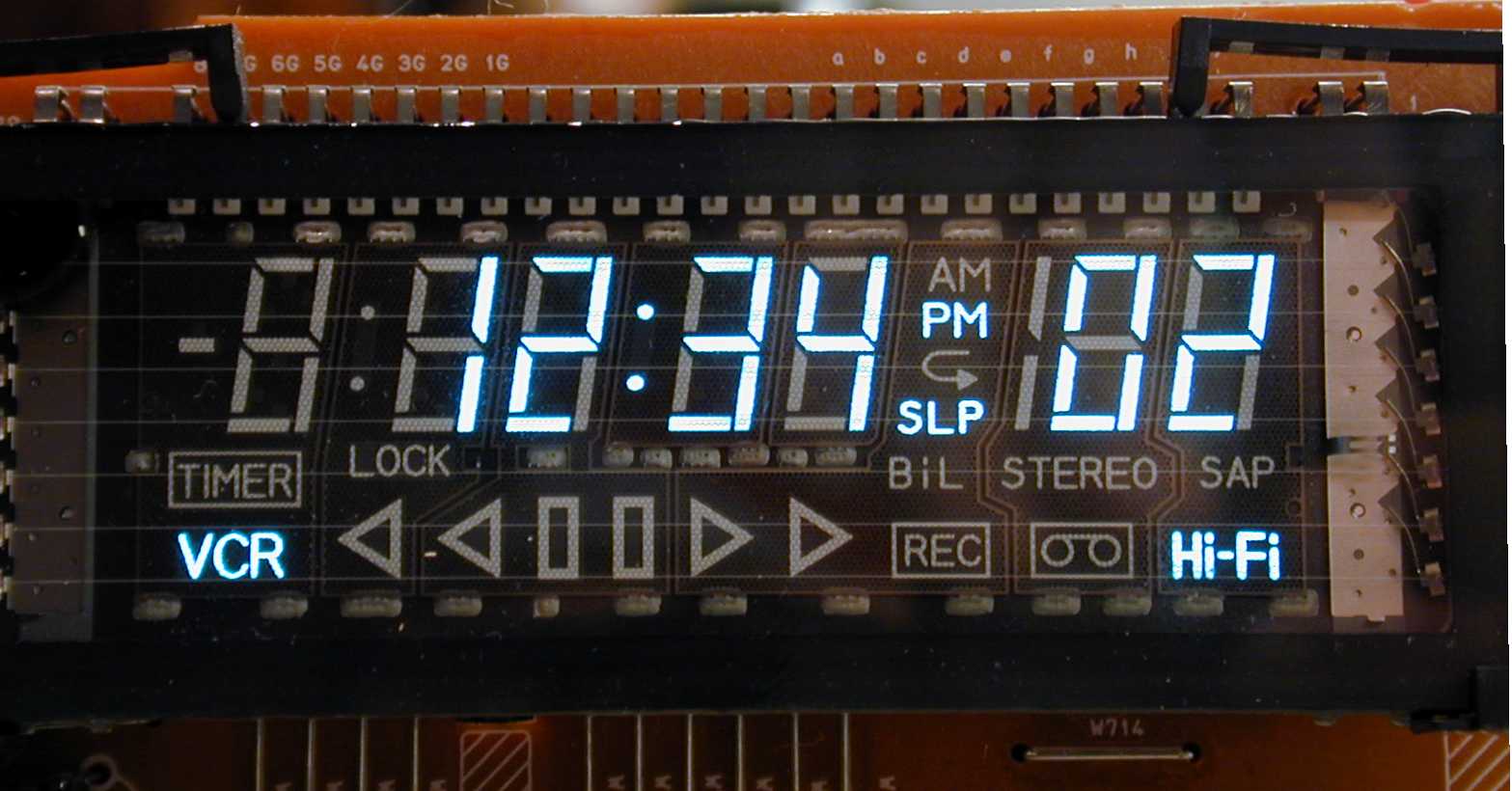
So many VCRs would spend their entire existence displaying a flashing 12:00. They had the right time once, sure, but then someone would unplug the machine, or there would be a power outage. That’s when someone would say, ‘The clock’s flashing twelve again.’
Nobody bothered to reset the clock because, well, it just happened so often that there wasn’t a point. It wasn’t always easy to reset, either. You’d have to dig out the remote and find the correct buttons before working through a confusing menu. Ignoring it was a much easier option.
The picture that wouldn’t behave

You could be halfway through a movie when, almost out of the blue, the picture would start jumping around. You’d get those weird horizontal lines on the screen. That’s when someone would say, ‘The tracking’s gone funny.’ Now there was another problem to deal with.
It was because VHS players used tracking controls to adjust how they read the magnetic tape, and sometimes you had to give those settings some help. Young people will never know the struggles of pressing the tracking buttons until the picture looked normal again.
The mystery caller

Caller ID wasn’t something that every household had during the ‘80s and ‘90s. That’s where *69 came in pretty useful. Someone would tell you to ‘Try star sixty-nine’ when you missed a call because the service would attempt to call back the number of your most recent incoming call.
It didn’t always work, however. Blocked numbers would stay blocked, and in some cases, using this feature could end up costing you extra. People who grew up with smartphones everywhere will never understand why this feature was so useful.
The Valley Girl expression

Here’s one that all the Valley Girls knew during the ‘80s. If they ever heard something that sounded disgusting, they would say ‘Gag me with a spoon.’ It was much more effective than just saying ‘That’s gross.’
The phrase became especially popular after Frank Zappa’s 1982 song Valley Girl. The track featured his teenage daughter, Moon Unit Zappa, using all sorts of other slang from the time, including ‘grody.’
The cartoon comeback

One expression you couldn’t escape during the ‘90s was ‘Don’t have a cow, man,’ and it was all thanks to Bart Simpson. The line was practically on every piece of Bart merchandise during the decade.
Lunchboxes, posters, T-shirts, you name it, the line was on it. It was simply a way of telling someone else to calm down, and anyone who wasn’t alive during the ‘90s won’t understand just how popular the sentence really was.
Sources: Please see here for a complete listing of all sources that were consulted in the preparation of this article.
12 childhood moments we thought were normal but weren’t

As children, we often accepted strange behaviors as normal just because we didn’t know anything better, but when we look back as adults, we realize that they probably weren’t as innocent as we remember them.

